
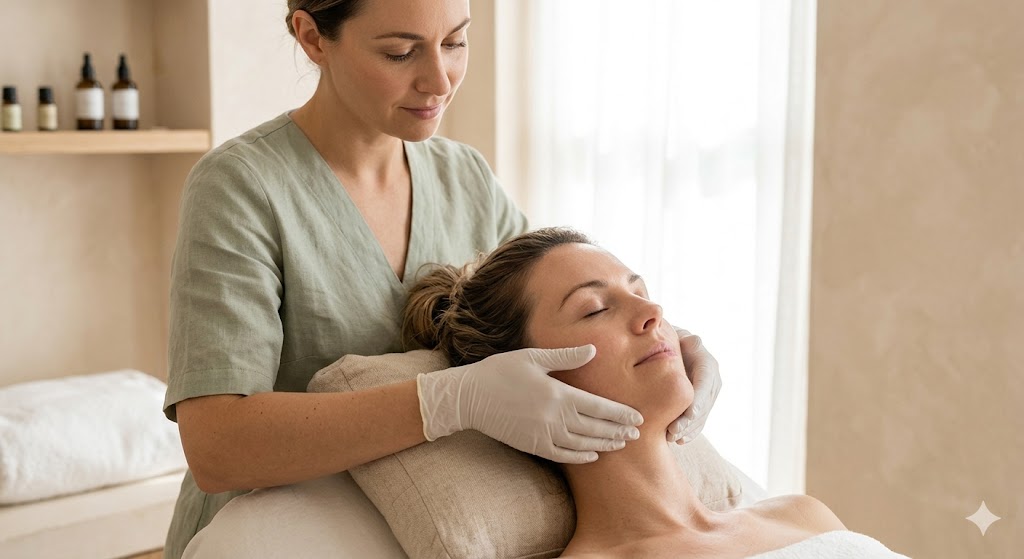
Summarize this blog post with: ChatGPT | Perplexity | Claude | Grok
You’ve probably seen celebrities and skincare influencers talking about buccal massage for a sculpted jawline and glowing skin. But most people still don’t understand how this unusual inside-the-mouth facial massage actually works — or whether it’s safe and effective. In this guide, you’ll learn what buccal massage is, its real benefits, step-by-step techniques, safety tips, and how to decide between professional treatments and at-home practice.
Key Takeaways
- Buccal massage is an intraoral facial massage technique that targets deep cheek and jaw muscles for tension relief and facial sculpting.
- Facial circulation and lymphatic drainage may improve through consistent buccal massage techniques.
- Jaw tension, facial puffiness, and stress-related tightness are common reasons people try buccal massage treatments.
- Professional buccal massage sessions typically combine external facial massage with internal cheek muscle release techniques.
- Safe buccal massage requires clean hands, gentle pressure, and proper hygiene to avoid irritation or discomfort.
- At-home buccal massage works best when combined with supportive skincare products and consistent facial wellness habits.
- Realistic buccal massage results include temporary sculpting, relaxation, and gradual improvement in facial tension over time.
What Is Buccal Massage and How Does It Work?
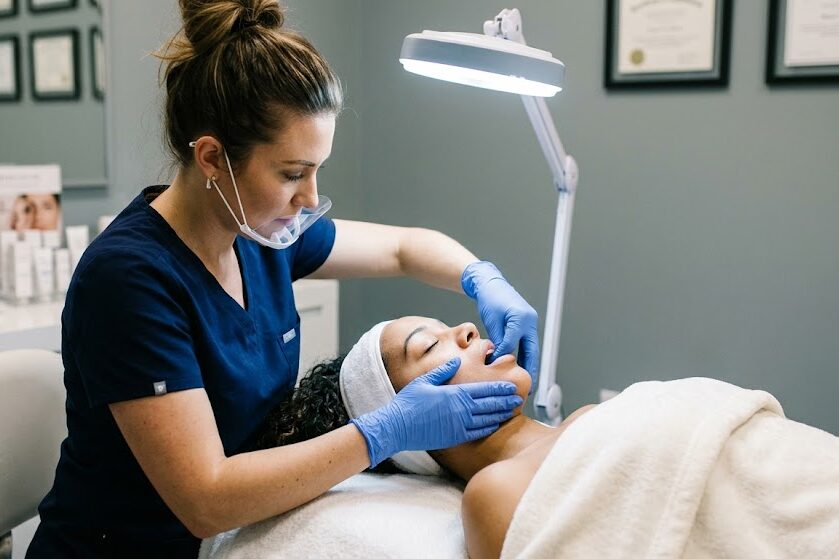
Buccal massage is an intraoral facial massage technique that targets deep cheek and jaw muscles to relieve tension and improve facial circulation. Unlike traditional facial massage, buccal massage involves both external facial manipulation and internal cheek massage performed with clean, gloved, or sanitized hands.
First, the technique focuses on the buccinator muscles inside the cheeks, along with the jaw, cheekbones, and lymphatic pathways. For example, a practitioner may massage the cheek muscles from inside the mouth while simultaneously lifting and sculpting the outer facial tissue.
Moreover, buccal massage has roots in holistic facial therapy and advanced esthetic practices. The treatment became especially popular after celebrities and beauty influencers began discussing jawline sculpting massage and natural anti-aging alternatives on social media platforms.
According to the American Med Spa Association, non-invasive facial wellness treatments have steadily increased in demand as consumers seek natural-looking results — Source: AmSpa Industry Report, 2024.
Buccal massage involves both external facial manipulation and internal cheek massage performed with clean, gloved, or sanitized hands.
Why Is Buccal Massage Becoming Popular in Skincare?
Buccal massage matters because it combines facial relaxation, lymphatic support, and natural contouring without invasive procedures. Many people now prefer wellness-focused beauty treatments instead of aggressive cosmetic interventions.
Second, modern lifestyles contribute heavily to jaw tightness and facial tension. For example, stress-related clenching, prolonged screen time, and poor posture can increase pressure in the jaw and cheeks. Buccal massage may temporarily ease this tension by relaxing overworked facial muscles.
At the same time, facial puffiness has become a major skincare concern. Facial puffiness may temporarily decrease after buccal massage because the technique can support lymphatic drainage and fluid movement. This effect is one reason many people seek a lymphatic drainage facial massage after travel, stress, or poor sleep.
Research also suggests facial massage may help increase short-term blood flow. A small study published in PLOS One found massage stimulation improved skin blood circulation after repeated use — Source: PLOS One, 2018.
Additionally, the rise of TikTok and celebrity skincare culture accelerated interest in celebrity buccal massage treatments. For example, several high-profile estheticians publicly promoted buccal massage as part of red-carpet skincare preparation.
What Are the Main Benefits of Buccal Massage?
The main benefits of buccal massage include facial sculpting, reduced puffiness, jaw tension relief, improved circulation, and temporary skin revitalization. However, results vary depending on technique, consistency, and skin condition.
Facial Sculpting and Contouring
Buccal facial massage may temporarily improve facial contour definition by relaxing tight muscles and reducing fluid retention. This can create a more lifted appearance around the cheeks and jawline.
For example, many people notice sharper cheekbone visibility immediately after treatment because reduced puffiness changes how facial contours appear under light.
Reduced Puffiness and Lymphatic Support
Lymphatic drainage support is one of the most discussed buccal massage benefits. Gentle facial manipulation may encourage temporary movement of retained fluid.
According to the Cleveland Clinic, lymphatic-focused massage techniques are commonly used to encourage fluid movement and reduce mild swelling — Source: Cleveland Clinic, 2024.
facial lymphatic drainage guide
Jaw Tension and TMJ Relief
TMJ facial massage may help reduce muscular tightness associated with jaw clenching and stress. Buccal massage specifically targets deep muscles often difficult to reach externally.
For example, people who grind their teeth during sleep sometimes report temporary jaw relaxation after professional sessions.
Relaxation and Stress Reduction
Facial tension release massage can support relaxation by calming overactive facial muscles. Many users describe the experience as deeply soothing despite the unusual intraoral technique.
According to the American Psychological Association, chronic stress commonly manifests physically through muscle tension and jaw clenching — Source: APA Stress Report, 2023.
Skin Glow and Circulation
Improved facial circulation may temporarily enhance skin brightness and glow. Increased blood flow can create a healthier-looking complexion immediately after treatment.
| Buccal Massage Benefit | Potential Short-Term Effect | Potential Long-Term Effect |
|---|---|---|
| Facial sculpting | Reduced puffiness | Improved facial relaxation habits |
| Jaw tension relief | Looser jaw muscles | Better awareness of clenching |
| Circulation support | Temporary skin glow | Healthier skincare routine consistency |
| Stress reduction | Relaxation response | Improved wellness habits |
| Lymphatic support | Fluid movement | Reduced facial heaviness |
Can Buccal Massage Help Reduce Facial Puffiness?
Buccal massage may help reduce facial puffiness by encouraging temporary lymphatic movement and improving circulation. The effect is usually most noticeable around the cheeks, jawline, and under-eye area.
First, puffiness often develops because of fluid retention, inflammation, poor sleep, stress, or dietary factors. Buccal massage uses rhythmic pressure techniques that may encourage movement of stagnant fluid through facial lymphatic pathways.
For example, morning facial swelling caused by poor sleep may look less pronounced after a gentle facial contour massage session.
At the same time, lifestyle habits still matter more than massage alone. Drinking water, reducing sodium intake, sleeping well, and managing stress often produce stronger long-term improvements than occasional massage treatments.
How Does Buccal Massage Affect Jaw Tension and TMJ Symptoms?
Buccal massage affects jaw tension by targeting muscles connected to chewing, clenching, and facial movement. The intraoral technique allows practitioners to access deep cheek muscles that are difficult to reach externally.
Moreover, people with mild TMJ-related tightness may experience temporary relief because the massage reduces muscular stiffness around the jaw area. For example, a practitioner may gently release trigger points inside the cheeks while stabilizing the jaw externally.
However, buccal massage is not a replacement for medical treatment. Persistent jaw pain, clicking, migraines, or severe TMJ symptoms require evaluation from a qualified healthcare provider.
According to the National Institute of Dental and Craniofacial Research, TMJ disorders affect millions of adults and often involve muscular tension patterns — Source: NIDCR, 2023.
Is Buccal Massage Safe for Sensitive Skin?
Buccal massage is generally safe for sensitive skin when performed gently and hygienically by a trained professional or careful practitioner. However, certain skin conditions may increase irritation risk.
First, clean hands and sanitized tools are essential because the technique involves contact inside the mouth. Many professionals also wear disposable gloves during treatment.
Second, people with active acne breakouts, infections, recent facial fillers, severe rosacea, or inflamed skin should avoid aggressive massage pressure. For example, excessive manipulation over irritated acne can worsen inflammation.
Safe buccal massage requires gentle pressure, proper hygiene, and avoidance of inflamed or irritated skin areas.
The American Academy of Dermatology recommends avoiding aggressive facial manipulation on compromised skin barriers — Source: AAD Skin Care Guidance, 2024.
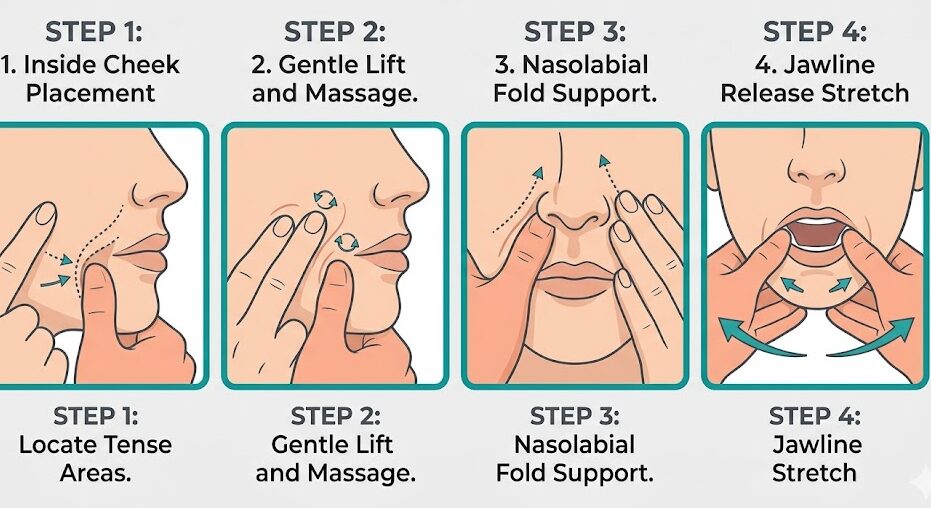
How Do You Perform Buccal Massage at Home Safely?
At-home buccal massage requires clean hands, gentle pressure, facial lubrication, and slow controlled movements. Beginners should always start carefully to avoid irritation or discomfort.
Step 1: Prepare Your Skin and Hands
First, wash your hands thoroughly and remove makeup. Many people also use disposable gloves for better hygiene during intraoral massage.
Next, apply a lightweight facial oil or serum to reduce friction.
Step 2: Warm Up the Face
Second, begin with gentle outward strokes along the cheeks, jawline, and neck. This helps relax the facial muscles before deeper work.
For example, you can use upward sweeping motions for one to two minutes before intraoral massage begins.
Step 3: Perform Gentle Intraoral Massage
Third, place your thumb inside the cheek while your fingers support the outside of the face. Then use small circular motions with light pressure.
Avoid excessive force. Buccal massage should feel controlled and therapeutic, not painful.
Step 4: Focus on Jaw and Cheek Tension
Next, gently massage tight areas around the jaw hinge and cheek muscles. Many people hold tension unconsciously in these regions during stressful periods.
Step 5: Finish With Lymphatic Drainage Strokes
Finally, use downward strokes along the sides of the neck to encourage fluid movement away from the face.
Most beginners start with 5-10 minutes once or twice weekly.
What Happens During a Professional Buccal Massage Session?
Professional buccal massage sessions combine external facial massage, intraoral muscle release, and lymphatic techniques performed by trained practitioners. Sessions usually last between 45 and 90 minutes.
First, a licensed esthetician or holistic facial therapist typically begins with cleansing and external facial massage. Then they use gloved hands to work inside the cheeks and release tension points.
Professional buccal massage sessions are commonly performed by trained estheticians, facial massage therapists, or holistic skincare practitioners.
For example, high-end spa sessions may also include:
- Facial steaming
- Sculpting massage
- Lymphatic drainage
- Gua sha tools
- Cooling globes
- Hydrating masks
According to wellness marketplace data, facial massage sessions in major cities often range from $80-$250 depending on location and experience — Source: ClassPass Wellness Trends, 2024.
How Often Should You Do Buccal Massage for Best Results?
Most people perform buccal massage one to three times weekly depending on sensitivity, goals, and professional guidance. Over-massaging can irritate facial tissue.
First, occasional treatments may produce temporary sculpting and relaxation benefits. However, consistent routines often matter more than aggressive pressure.
For example, someone using gentle facial massage weekly alongside hydration, sleep optimization, and skincare may notice gradual improvements in facial tension over time.
Consistent buccal massage may help improve facial relaxation, jaw mobility, and temporary facial contour definition.
Buccal Massage vs Lymphatic Drainage Massage: What’s the Difference?
Buccal massage and lymphatic drainage massage differ because buccal massage targets deep facial muscles while lymphatic massage primarily focuses on fluid movement.
Buccal massage uses internal and external muscle manipulation for tension release and sculpting. In contrast, lymphatic drainage uses lighter rhythmic strokes to support circulation and reduce swelling.
| Feature | Buccal Massage | Lymphatic Drainage Massage |
|---|---|---|
| Main Goal | Muscle release and sculpting | Fluid movement and puffiness reduction |
| Pressure Level | Moderate | Very gentle |
| Intraoral Technique | Yes | Usually no |
| Jaw Tension Relief | Strong focus | Limited focus |
| Puffiness Reduction | Moderate | Primary benefit |
benefits of deep tissue massage therapy
Which Oils and Tools Work Best for Buccal Massage?
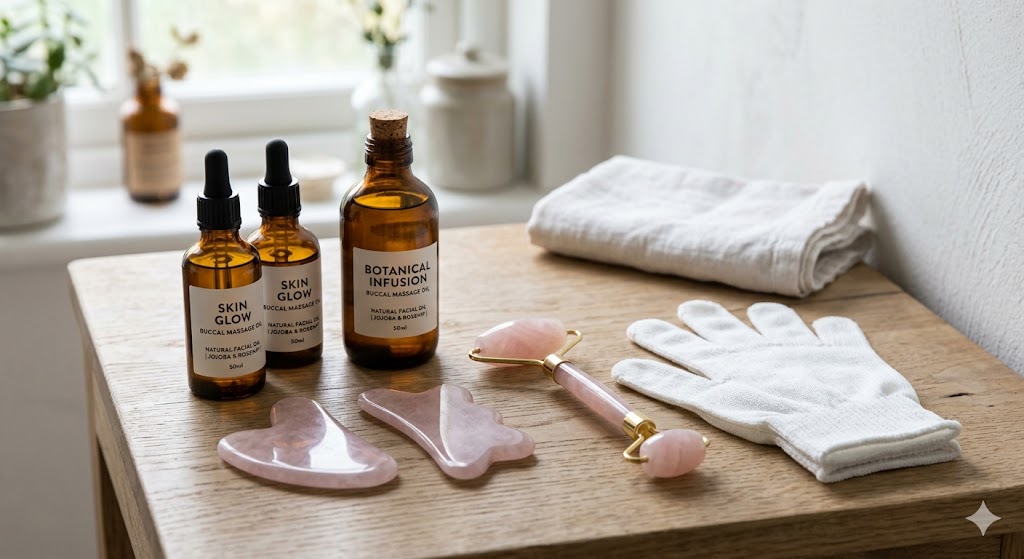
The best buccal massage tools and products include lightweight facial oils, gua sha tools, facial rollers, and hygienic gloves. Proper slip reduces unnecessary pulling on the skin.
Facial Oils and Serums
First, facial oils help fingers glide smoothly across the skin barrier. Popular options include:
- Jojoba oil
- Squalane oil
- Rosehip oil
- Lightweight facial serums
best anti-aging skincare routine
Gua Sha and Facial Rollers
Second, gua sha tools pair well with external facial massage techniques. Many people use them after buccal massage to encourage fluid movement and facial relaxation.
Gloves and Hygiene Tools
Third, disposable nitrile gloves improve sanitation during intraoral massage. Professionals almost always use gloves during treatment sessions.
Does Buccal Massage Actually Sculpt the Face?
Buccal massage may temporarily sculpt the face by reducing puffiness and relaxing tight facial muscles. However, the treatment does not permanently change bone structure or eliminate fat.
First, many before-and-after photos show temporary contour enhancement caused by fluid movement and muscle relaxation. This can make the cheekbones and jawline appear more defined immediately after treatment.
Second, long-term improvements depend heavily on lifestyle factors. For example, hydration, sleep quality, stress management, and skincare consistency often influence facial appearance more than massage alone.
Buccal massage before and after results are usually subtle, temporary, and cumulative rather than dramatic or permanent.
Who Should Avoid Buccal Massage Treatments?
Certain individuals should avoid buccal massage because facial manipulation may worsen underlying medical or skin conditions.
People should avoid buccal massage if they have:
- Active cold sores or oral infections
- Severe acne inflammation
- Recent facial surgery
- Injectable fillers that have not healed
- Open wounds or irritated skin
- Severe TMJ dysfunction without medical approval
Additionally, anyone experiencing chronic facial pain should consult a healthcare professional before starting intraoral facial massage techniques.
What Are the Risks or Side Effects of Buccal Massage?
The main risks of buccal massage include irritation, soreness, over-massaging, and hygiene-related complications. Most side effects are mild when proper technique is used.
For example, aggressive pressure may temporarily increase redness or tenderness in sensitive areas. Poor hygiene can also introduce bacteria into irritated skin or oral tissue.
That being said, professional practitioners are trained to minimize these risks through controlled pressure and sanitation procedures.
What Should You Do Next After Learning Buccal Massage?
The best next step after learning buccal massage is building a balanced facial wellness routine focused on consistency and skin health. Massage works best when combined with broader self-care habits.
First, create a realistic skincare routine that supports hydration and barrier repair. For example, gentle cleansing, moisturizing, and sunscreen use improve overall skin resilience.
Second, consider combining buccal massage with complementary wellness practices such as:
- Facial yoga
- Lymphatic drainage
- Stress management techniques
- Posture correction
- Hydration habits
Third, book a consultation with a licensed esthetician if you want professional guidance before attempting advanced intraoral techniques at home.
Conclusion
Buccal massage is a holistic facial therapy technique that combines muscle release, relaxation, and temporary facial sculpting benefits. While the treatment may help reduce puffiness, ease jaw tension, and improve circulation, realistic expectations and proper technique remain essential.
Moreover, safe buccal massage depends on gentle pressure, clean hands, and consistency rather than aggressive manipulation. Whether you choose professional sessions or at-home practice, the goal should always be healthier facial wellness habits instead of instant perfection.
By combining buccal massage with supportive skincare, hydration, stress management, and mindful self-care, you can create a more balanced and sustainable approach to natural beauty.
FAQ
What is buccal massage?
Buccal massage is a facial massage technique that works both inside and outside the mouth to release facial tension, sculpt facial muscles, and support skin wellness.
What are the benefits of buccal massage?
It may help reduce jaw tension, improve circulation, promote facial relaxation, and create a more sculpted appearance.
Can buccal massage slim the face?
Buccal massage may temporarily reduce puffiness and enhance facial contours through improved circulation and muscle relaxation.
Does buccal massage help with jaw pain?
Yes, it may help relieve jaw tightness and tension caused by stress or teeth grinding.
Is buccal massage safe?
Yes, when performed by a trained professional using proper hygiene and techniques.
How often should you get a buccal massage?
Many people schedule sessions every few weeks, depending on their skincare and wellness goals.
Can buccal massage improve skin appearance?
It may support healthier-looking skin by boosting circulation and reducing facial tension.
Is buccal massage painful?
It can feel intense in tight areas, but it should not be excessively painful.
Who should avoid buccal massage?
People with certain dental issues, infections, or recent facial procedures should consult a professional before treatment.
Can you do buccal massage at home?
Basic facial massage techniques can be done at home, but professional buccal massage requires proper training and hygiene practices.
Written by: Suraj — 5+ years blogger specializing in wellness, skincare, massage therapy, and holistic lifestyle content.
Reviewed by: Editorial Wellness Review Team — Specialists in skincare education, facial therapy research, and wellness content accuracy.
Disclaimer: This article was initially drafted using AI assistance. However, the content has undergone thorough revisions, editing, and fact-checking by human editors and subject matter experts to ensure accuracy.