
Summarize this blog post with: ChatGPT | Perplexity | Claude | Grok
You probably already know that massages can help you relax and reduce stress. But many people don’t realize that deep tissue massage therapy is specifically designed to target chronic pain, muscle knots, and long-term tension beneath the surface. In this guide, you’ll learn how deep tissue massage works, its biggest benefits, potential risks, and how to decide whether it’s the right therapy for your recovery and wellness goals.
Key Takeaways
- Deep tissue massage therapy targets deeper muscle layers and connective tissues to relieve chronic tension and pain.
- Deep tissue massage techniques commonly help improve mobility, posture, circulation, and muscle recovery.
- Athletes, office workers, and people with chronic stiffness often benefit most from deep tissue massage therapy.
- Temporary soreness after a session is common because therapists apply sustained pressure to tight muscle areas.
- Consistent deep tissue massage sessions combined with stretching and hydration can improve long-term recovery results.
- Deep tissue massage differs from Swedish massage because it focuses more on therapeutic muscle release than relaxation.
- Choosing a licensed and experienced massage therapist improves both safety and treatment effectiveness.
What Is Deep Tissue Massage Therapy and How Does It Work?
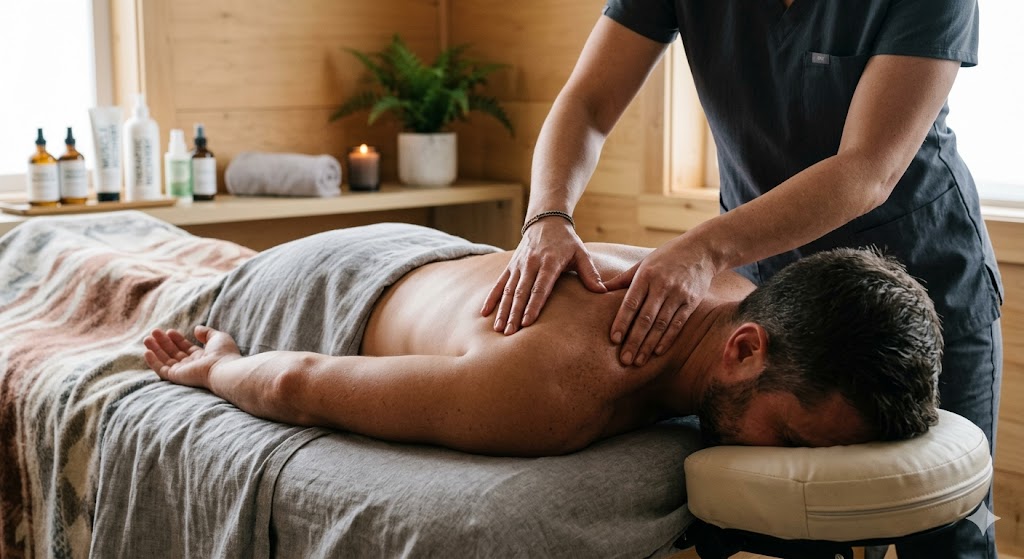
Deep tissue massage therapy is a massage technique that targets deeper layers of muscles and connective tissue to relieve chronic tension and pain. Unlike relaxation-focused massages, this therapy uses slow strokes and sustained pressure to break down muscle knots and improve movement patterns.
Moreover, deep tissue massage therapy focuses on areas where muscles become tight due to stress, repetitive motion, exercise, poor posture, or injuries. For example, office workers often experience stiffness in the neck and shoulders, while athletes may develop tension in the hamstrings or calves.
“Deep tissue massage therapy is a massage technique that targets deeper layers of muscles and connective tissue to relieve chronic tension and pain.”
How Deep Tissue Massage Differs From Regular Massage
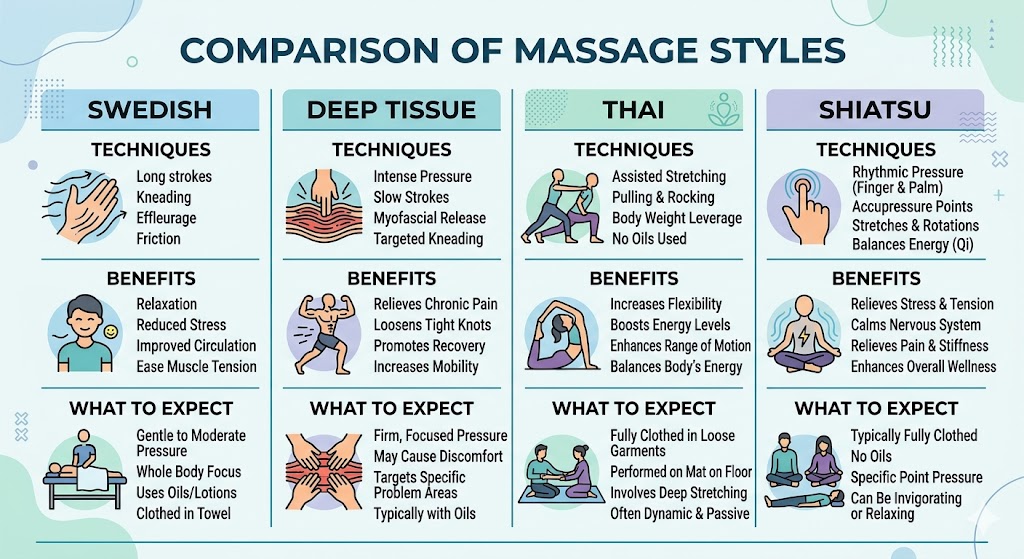
Deep tissue massage differs from regular massage because it prioritizes therapeutic muscle recovery instead of relaxation alone. Swedish massage typically uses lighter pressure and flowing strokes, while deep tissue massage works deeper into muscle fibers.
For example, a Swedish massage may help reduce general stress after a long week. In contrast, deep tissue massage for back pain specifically targets tight muscles and trigger points contributing to discomfort.
“Swedish massage focuses on relaxation, while deep tissue massage prioritizes therapeutic muscle recovery and tension release.”
| Massage Type | Main Goal | Pressure Level | Best For |
|---|---|---|---|
| Deep Tissue Massage | Muscle recovery and pain relief | Firm to intense | Chronic tension, sports recovery |
| Swedish Massage | Relaxation and stress relief | Light to medium | General wellness |
| Sports Massage | Athletic performance support | Moderate to deep | Athletes and gym-goers |
| Trigger Point Therapy | Knot and trigger point release | Focused pressure | Muscle pain and stiffness |
Which Techniques Do Therapists Commonly Use?
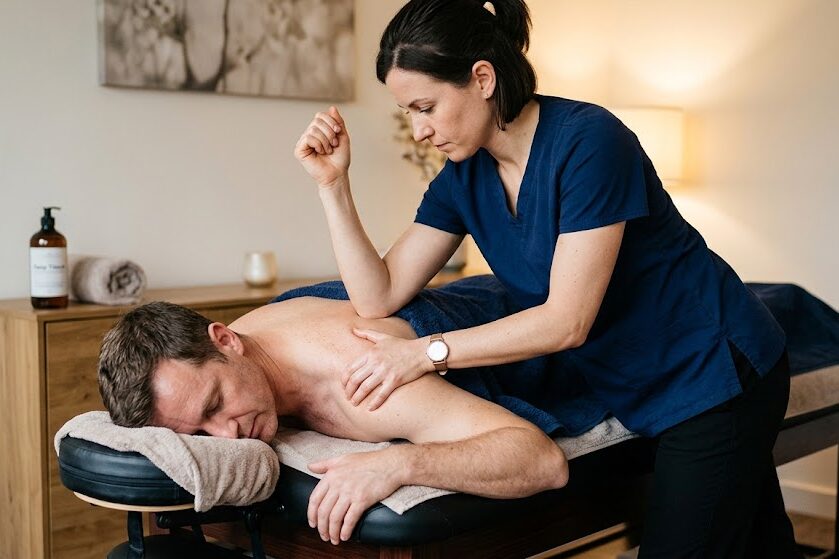
Deep tissue massage techniques commonly include slow strokes, friction movements, trigger point release, and sustained pressure. Therapists often use elbows, forearms, knuckles, and thumbs to access deeper muscle layers.
Additionally, therapists may combine stretching and mobility exercises during treatment. For example, many sports deep tissue massage sessions include assisted stretching to improve flexibility and reduce muscle tightness.
Statistic: Nearly 47% of adults report experiencing musculoskeletal pain regularly — Source: CDC, 2024.
Why Is Deep Tissue Massage Therapy Effective for Chronic Pain?
Deep tissue massage therapy is effective for chronic pain because it helps reduce muscle tension, improve blood circulation, and release trigger points. Tight muscles often restrict movement and place pressure on nearby nerves, leading to discomfort and stiffness.
Furthermore, sustained pressure helps improve oxygen delivery to affected tissues. Better circulation may support recovery by reducing inflammation and improving mobility over time.
“Deep tissue massage involves sustained pressure and slow strokes that help release muscle knots and improve mobility.”
How Trigger Points Affect Pain
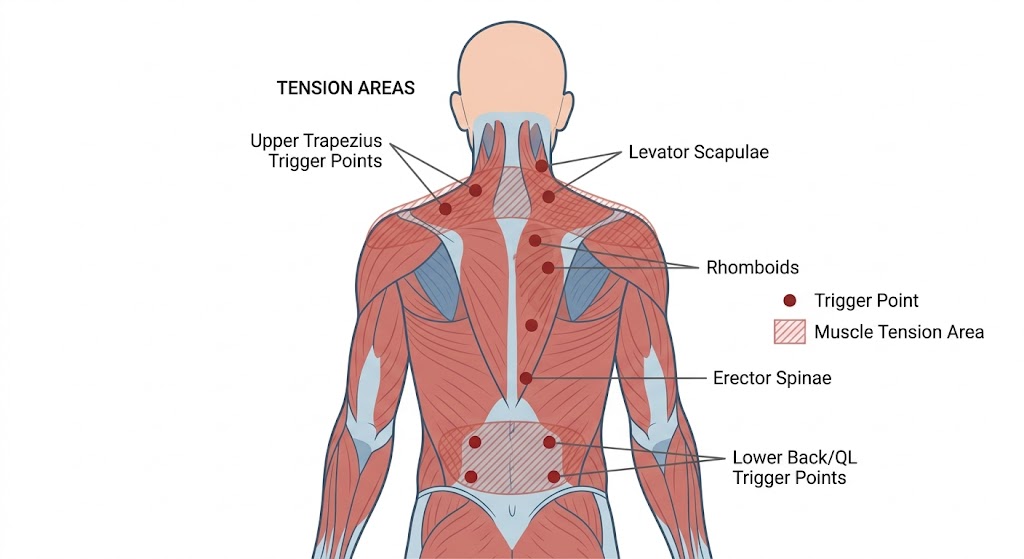
Trigger points are tight muscle knots that can cause localized pain or discomfort in surrounding areas. Deep tissue massage targets these points to help muscles relax and regain normal movement patterns.
For example, a trigger point in the upper back may contribute to tension headaches or shoulder discomfort. By releasing that knot, the therapy can reduce referred pain patterns.
Why Modern Lifestyles Increase Muscle Tension
Modern work and lifestyle habits contribute significantly to chronic muscle stiffness and posture problems. Sitting for long periods, repetitive phone use, and high stress levels commonly lead to tight shoulders, neck pain, and lower back discomfort.
Additionally, fitness enthusiasts may experience muscle fatigue from intense workouts. Pairing massage therapy with a high-protein diet for muscle recovery can support tissue repair and recovery.
Statistic: Around 80% of adults experience lower back pain at some point in life — Source: National Institute of Neurological Disorders and Stroke, 2024.
What Are the Main Benefits of Deep Tissue Massage Therapy?
The main benefits of deep tissue massage therapy include pain relief, improved mobility, stress reduction, and faster muscle recovery. Regular sessions may also support better posture and athletic performance.
Chronic Pain Relief
Deep tissue massage for back pain helps reduce stiffness and muscle tightness linked to chronic discomfort. Therapists focus on affected muscles to improve flexibility and reduce tension buildup.
For example, individuals with desk jobs often experience tight hip flexors and upper back strain. Consistent treatment can help reduce daily discomfort and improve movement quality.
“Deep tissue massage is commonly used for chronic back pain, sports recovery, posture correction, and muscle stiffness.”
Improved Flexibility and Mobility
Deep tissue massage therapy improves flexibility by loosening tight connective tissues and improving muscle elasticity. Better mobility can make workouts, walking, and daily activities more comfortable.
Additionally, combining massage therapy with Pilates exercises for flexibility and posture may help strengthen supporting muscles and improve posture alignment.
Reduced Stress and Tension
Deep tissue massage for stress relief helps calm the nervous system while releasing physical tension stored in muscles. Chronic stress often causes unconscious muscle tightening in the neck, jaw, and shoulders.
For example, many people notice fewer tension headaches and improved sleep quality after sessions. Pairing therapy with stress management and mental wellness strategies can further improve recovery.
Statistic: Massage therapy can reduce cortisol levels by up to 31% — Source: American Massage Therapy Association, 2023.
Faster Athletic Recovery
Sports deep tissue massage helps athletes recover faster by improving circulation and reducing muscle soreness. Better recovery may improve flexibility, reduce stiffness, and support training consistency.
Moreover, athletes often combine massage with cold plunge recovery benefits and stretching routines for comprehensive recovery support.
Is Deep Tissue Massage Therapy Painful During or After Treatment?
Deep tissue massage therapy can feel uncomfortable during treatment because therapists apply concentrated pressure to tight muscle areas. However, the discomfort should feel manageable rather than unbearable.
“Temporary soreness after deep tissue massage is common because the therapy applies concentrated pressure to tight muscle areas.”
What Level of Pain Is Normal?
Mild soreness after deep tissue massage is normal and usually resolves within 24 to 48 hours. Many people describe the feeling as similar to post-workout muscle soreness.
For example, tight calf muscles or shoulder knots may feel tender after treatment. Drinking water and gentle stretching can help reduce discomfort.
When Pain Becomes a Concern
Severe pain, bruising, or prolonged inflammation after a session may indicate excessive pressure or an underlying issue. You should communicate openly with your therapist during treatment to ensure comfort and safety.
Additionally, individuals with blood clotting disorders, fractures, or certain medical conditions should consult a healthcare provider before booking a session.
Who Should Avoid Deep Tissue Massage Therapy?
Certain individuals should avoid deep tissue massage therapy or seek medical approval before treatment. While the therapy is generally safe, deep pressure may not suit every condition.
Medical Conditions Requiring Caution
People with blood clotting disorders, osteoporosis, recent surgeries, fractures, or severe skin conditions should approach deep tissue massage carefully. Deep pressure may increase discomfort or worsen certain conditions.
Additionally, pregnant individuals should seek therapists trained in prenatal massage techniques instead of traditional deep tissue approaches.
Signs You Should Postpone Treatment
You should postpone deep tissue massage sessions if you have a fever, active infection, severe inflammation, or unexplained pain. Massage therapy may place additional stress on the body during illness or injury recovery.
Statistic: Over 21% of massage clients seek therapy primarily for pain management — Source: American Massage Therapy Association, 2024.
How Does Deep Tissue Massage Compare to Swedish Massage?
Deep tissue massage and Swedish massage differ mainly in pressure intensity, therapeutic goals, and treatment focus. Both therapies offer wellness benefits, but they serve different purposes.
Deep Tissue Massage vs Swedish Massage
Deep tissue massage focuses on muscle recovery and chronic tension release, while Swedish massage prioritizes relaxation and circulation. People with severe stiffness often benefit more from deep tissue therapy.
For example, someone recovering from intense workouts may choose sports deep tissue massage, while someone seeking stress relief may prefer Swedish techniques.
Deep Tissue Massage vs Trigger Point Therapy
Trigger point therapy focuses specifically on muscle knots, while deep tissue massage treats broader areas of tension and connective tissue restrictions. Many therapists combine both approaches during treatment.
Which Massage Type Fits Your Goals?
The best massage type depends on your pain level, recovery needs, and wellness goals.
Choose deep tissue massage if you want:
- Chronic pain relief
- Muscle recovery support
- Improved mobility
- Posture correction
Choose Swedish massage if you want:
- Relaxation
- Gentle stress relief
- Light muscle stimulation
- A calming spa experience
What Happens During a Professional Deep Tissue Massage Session?
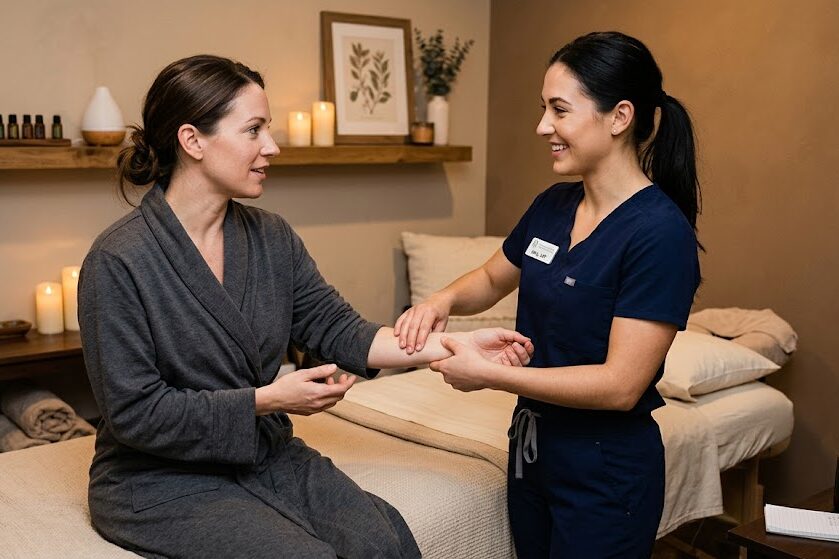
A professional deep tissue massage session usually begins with a consultation about your pain areas, health history, and recovery goals. The therapist then customizes the treatment based on your needs.
The Consultation Process
Massage therapists evaluate muscle tightness, pain patterns, posture, and mobility before starting treatment. This assessment helps identify areas requiring deeper work.
For example, athletes may request attention on hamstrings and calves, while office workers may focus on neck and shoulder stiffness.
What Therapists Actually Do During Treatment
Therapists use slow pressure, cross-fiber friction, and trigger point release techniques during deep tissue massage sessions. Pressure intensity often increases gradually as muscles begin relaxing.
Additionally, therapists may use oils or creams to reduce friction and improve movement across muscle tissues.
Recovery Tips After Treatment
Post-massage recovery involves hydration, stretching, rest, and avoiding intense exercise immediately afterward. These habits help muscles recover more efficiently.
You can also support recovery with hydration tips for muscle recovery and best stretches for tight muscles.

What Tools and Recovery Techniques Are Used in Deep Tissue Massage?
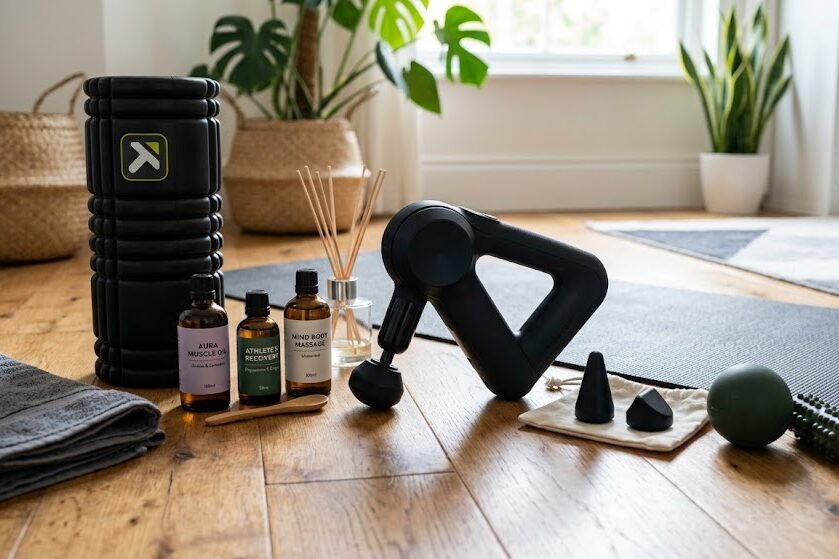
Deep tissue massage therapists often combine manual therapy with recovery tools and complementary wellness techniques. These additions may improve circulation, flexibility, and muscle relaxation.
Massage Oils and Creams
Massage oils and creams reduce skin friction and allow therapists to apply smoother pressure. Some products also contain menthol or essential oils designed to promote relaxation.
Foam Rollers and Massage Guns
Foam rollers and massage guns help maintain muscle recovery between massage sessions. These tools can loosen tight tissues and improve blood flow after workouts.
For example, many athletes use foam rolling techniques for muscle tension alongside regular massage therapy.
Heat Therapy and Stretching
Heat therapy improves muscle relaxation by increasing circulation before or after treatment. Stretching also helps maintain flexibility and prevent recurring tightness.
Additionally, pairing massage therapy with walking workouts for low-impact recovery may support gentle recovery routines.
Statistic: Foam rolling can temporarily improve flexibility and range of motion — Source: Journal of Sports Rehabilitation, 2023.
How Do You Choose the Best Deep Tissue Massage Therapist?
The best deep tissue massage therapist combines professional certifications, experience, communication skills, and client-focused treatment methods. Choosing the right therapist improves both comfort and results.
Certifications and Qualifications
Licensed massage therapists should hold certifications from recognized massage therapy organizations or state boards. Specialized training in sports massage or rehabilitation is often a positive sign.
Questions to Ask Before Booking
You should ask therapists about their experience, pressure techniques, treatment plans, and session customization process. Communication helps ensure the therapy matches your needs.
Useful questions include:
- Do you specialize in chronic pain massage therapy?
- How do you adjust pressure levels?
- What should I expect after treatment?
- How many sessions do you typically recommend?
Red Flags to Avoid
Poor communication, lack of licensing, aggressive pressure, or unsanitary conditions are major red flags when choosing a therapist. Professional therapists prioritize safety and comfort.
Additionally, search results for “deep tissue massage therapy near me” should include verified reviews and transparent pricing information.

How Often Should You Get a Deep Tissue Massage for Best Results?
The ideal frequency for deep tissue massage depends on your pain level, activity level, and recovery goals. Some people benefit from weekly sessions, while others maintain results with monthly treatments.
Recommended Scheduling Frequency
People with chronic pain or intense physical activity often benefit from deep tissue massage every 1–2 weeks initially. Once symptoms improve, maintenance sessions may occur monthly.
For example:
- Athletes: Every 1–2 weeks
- Office workers with posture strain: Every 3–4 weeks
- General wellness seekers: Monthly
Building a Long-Term Wellness Routine
Long-term recovery improves when massage therapy becomes part of a broader wellness plan. Stretching, hydration, strength training, and sleep quality all influence muscle health.
Additionally, combining therapy with daily habits that improve posture naturally and beginner-friendly recovery workouts may improve long-term mobility.
What Should You Do After a Deep Tissue Massage Session?
Post-massage care helps your body recover faster and reduces the likelihood of prolonged soreness. Recovery habits also improve the long-term effectiveness of treatment.
Best Aftercare Practices
Hydration, light stretching, gentle walking, and adequate rest support recovery after deep tissue massage therapy. These habits help flush metabolic waste and maintain flexibility.
Helpful recovery steps include:
- Drink extra water
- Avoid intense workouts for 24 hours
- Stretch gently
- Use heat packs if needed
- Prioritize sleep quality
What to Avoid After Treatment
Heavy lifting, dehydration, alcohol consumption, and intense exercise immediately after massage may increase soreness. Giving your muscles time to recover improves treatment benefits.
For example, many clients benefit from natural ways to reduce chronic back pain alongside recovery-focused massage routines.

What’s Next After Starting Deep Tissue Massage Therapy?
The next step after starting deep tissue massage therapy is building a consistent recovery and wellness routine. Long-term results depend on lifestyle habits as much as treatment sessions.
Combine Massage With Healthy Recovery Habits
Stretching, mobility work, hydration, and strength training complement deep tissue massage results. Healthy habits reduce recurring tension and improve movement quality.
For example, many people pair massage therapy with yoga, Pilates, or walking-based recovery programs.
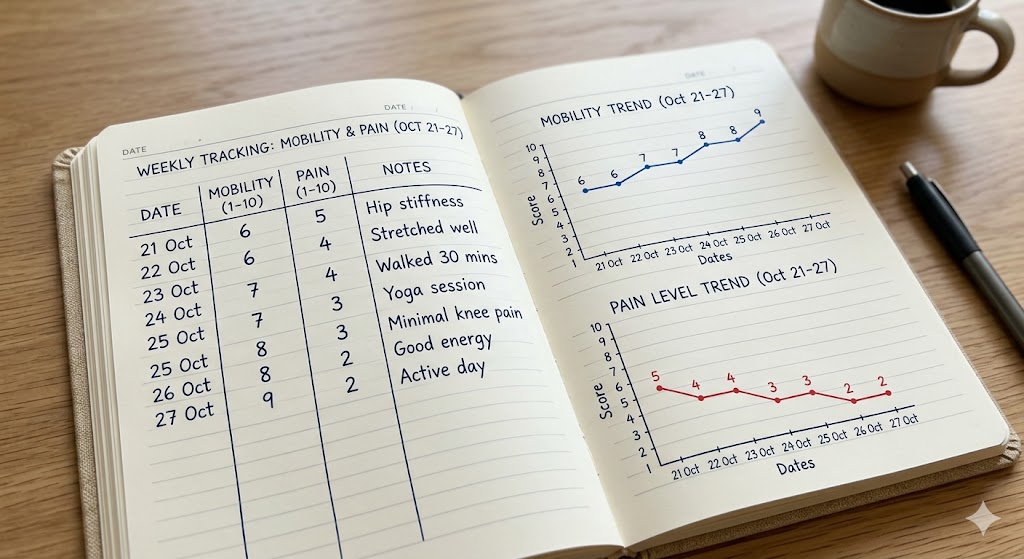
Track Your Progress
Tracking pain levels, flexibility, sleep quality, and posture improvements helps measure treatment effectiveness. Small improvements often become noticeable after several consistent sessions.
Additionally, recovery journals or fitness apps can help identify patterns in stress, mobility, and soreness levels.
Conclusion
Deep tissue massage therapy is one of the most effective wellness treatments for chronic muscle tension, recovery support, and pain management. By targeting deeper muscle layers and connective tissues, the therapy can improve flexibility, circulation, posture, and stress relief.
Moreover, consistent sessions combined with stretching, hydration, exercise, and healthy recovery habits can produce long-term benefits. Whether you’re an athlete, office worker, or someone dealing with chronic stiffness, deep tissue massage may help you move more comfortably and recover more efficiently.
The key is choosing a qualified therapist, understanding your body’s needs, and building a sustainable wellness routine around recovery and self-care.
Written by: Suraj — 5+ years blogger specializing in wellness, fitness, recovery, and SEO-driven health content.
Reviewed by: Editorial Wellness Review Team — Expertise in massage therapy education, sports recovery, and evidence-based wellness practices.
Disclaimer: This article was initially drafted using AI assistance. However, the content has undergone thorough revisions, editing, and fact-checking by human editors and subject matter experts to ensure accuracy.