
Summarize this blog post with: ChatGPT | Perplexity | Claude | Grok
Most people already know massage can help with stress and relaxation, but many do not realize the lymphatic system directly affects swelling, circulation, and recovery. Choosing the wrong therapist or misunderstanding the treatment can lead to disappointing results or unsafe experiences. In this guide, you’ll learn what a lymphatic drainage massage therapist does, how the therapy works, its benefits, risks, aftercare, and how to confidently choose the right professional.
Key Takeaways
- Lymphatic drainage massage therapists use specialized techniques to encourage healthy lymph flow and reduce temporary swelling.
- Manual lymphatic drainage differs from traditional massage because it uses gentle rhythmic movements instead of deep muscle pressure.
- Certified lymphatic drainage therapists commonly support post-surgical recovery, water retention management, inflammation relief, and stress reduction.
- Facial and body lymphatic drainage treatments may temporarily reduce puffiness while improving circulation and relaxation.
- Proper therapist certification and experience improve both treatment safety and effectiveness.
- Hydration, movement, and aftercare habits can significantly influence lymphatic drainage massage results.
- Certain medical conditions require physician approval before receiving lymphatic drainage therapy.
What Is a Lymphatic Drainage Massage Therapist?
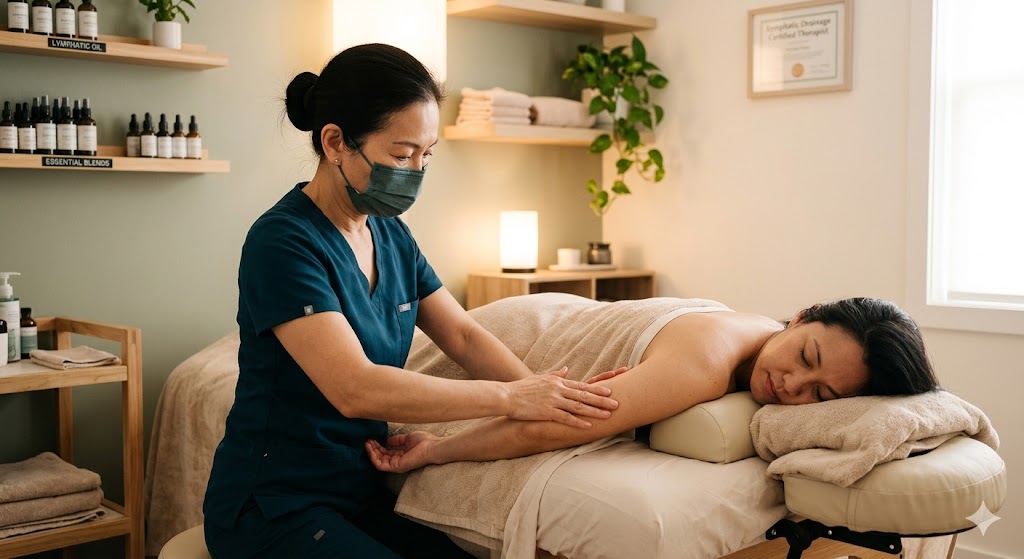
A lymphatic drainage massage therapist is a trained wellness or medical professional who uses specialized manual techniques to stimulate lymph movement and support fluid circulation throughout the body.
First, it helps to understand the lymphatic system itself. The lymphatic system is a network of vessels, nodes, and tissues that helps remove excess fluid and waste products from tissues as part of the body’s immune and circulation processes. how the lymphatic system works
Moreover, lymphatic drainage massage is a gentle manual therapy designed to stimulate lymph flow and reduce fluid retention. Unlike deep tissue massage, the movements are slow, rhythmic, and light because lymph vessels sit close to the surface of the skin.
For example, someone recovering from cosmetic surgery may visit a therapist to reduce swelling after liposuction or a tummy tuck. Similarly, another person may book sessions to address bloating, puffiness, or stress-related water retention.
How Is Manual Lymphatic Drainage Different From Regular Massage?
Manual lymphatic drainage differs from traditional massage because it focuses on light rhythmic movements rather than deep muscle pressure.
At the same time, traditional massage techniques often target muscles, tension, knots, and connective tissue. In contrast, lymphatic drainage therapy focuses on stimulating lymph movement through specific directional strokes.
| Feature | Lymphatic Drainage Massage | Traditional Massage |
|---|---|---|
| Pressure Level | Very light | Moderate to deep |
| Main Goal | Improve lymph flow | Relieve muscle tension |
| Rhythm | Slow and rhythmic | Variable |
| Target Areas | Lymphatic pathways | Muscles and fascia |
| Common Uses | Swelling, recovery, circulation | Pain, stress, stiffness |
Furthermore, many certified therapists receive additional training in post-operative care and medical lymphatic techniques. According to the American Massage Therapy Association, massage therapy demand continues to grow as consumers increasingly seek recovery and wellness treatments — Source: AMTA, 2024.
Manual lymph drainage techniques require precision and anatomical knowledge.
benefits of massage therapy for stress relief
Why Does Lymphatic Drainage Massage Matter?
Lymphatic drainage massage matters because healthy lymph flow supports circulation, fluid balance, and immune system function.
Second, poor lymph movement can contribute to temporary swelling, puffiness, discomfort, or feelings of heaviness. For example, long periods of sitting, surgery recovery, dehydration, or inflammation may slow lymphatic circulation.
Moreover, people increasingly seek certified therapists instead of generic spa treatments because proper lymphatic work requires specialized training. A poorly performed session may be ineffective or uncomfortable.
According to the National Institutes of Health, the lymphatic system plays a key role in immune response and fluid regulation — Source: NIH, 2024.
What Are the Benefits of Lymphatic Drainage Massage?
Lymphatic drainage massage may support temporary swelling reduction, circulation improvement, relaxation, and post-surgical recovery.
Additionally, many clients pursue therapy for both wellness and cosmetic reasons. Some seek relief from bloating, while others want improved recovery after surgery or exercise.
Common benefits include:
- Reduced temporary swelling and bloating
- Improved relaxation and stress relief
- Enhanced circulation support
- Facial puffiness reduction
- Post-workout recovery support
- Temporary water retention management
- Gentle detox support through fluid movement
For example, athletes sometimes combine lymphatic therapy with stretching and hydration protocols for faster recovery. exercise routines that improve circulation
Plus, the Global Wellness Institute reported continued growth in wellness-focused recovery services worldwide — Source: Global Wellness Institute, 2024.
Who Should See a Lymphatic Drainage Massage Therapist?
People experiencing swelling, recovery needs, puffiness, or circulation concerns may benefit from visiting a lymphatic drainage massage therapist.
For example, these groups commonly seek treatment:
- Post-surgery recovery patients
- Individuals with temporary water retention
- Fitness enthusiasts recovering from intense training
- Beauty clients seeking facial contouring
- People experiencing stress-related puffiness
- Wellness-focused individuals wanting relaxation support
That being said, lymphatic massage is not a cure-all treatment. It works best as part of a broader wellness and recovery routine.
signs of poor circulation
How Does Lymphatic Drainage Massage Work?
Lymphatic drainage massage works by using gentle, rhythmic movements that encourage lymph fluid to move toward lymph nodes and drainage pathways.
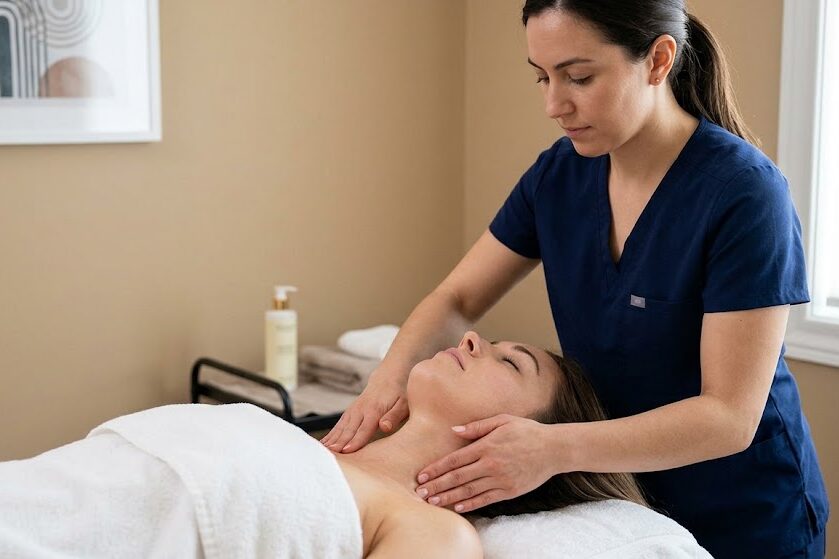
First, the therapist typically begins near the neck or lymph node regions to help “open” the drainage pathways. Then, they use slow directional strokes across targeted body areas.
What Happens During a Lymphatic Drainage Massage Session?
A typical lymphatic drainage massage session includes assessment, gentle rhythmic movements, and aftercare recommendations.
Most sessions follow this process:
- Initial consultation and health review
- Identification of swelling or recovery areas
- Gentle manual lymphatic drainage techniques
- Directional strokes toward lymph nodes
- Hydration and recovery guidance afterward
For example, a post-liposuction session may focus on the abdomen, flanks, or thighs. Facial sessions may target the jawline, cheeks, and under-eye areas.
A certified lymphatic drainage massage therapist is trained to support swelling reduction, circulation, and post-surgical recovery through specialized techniques.
According to Cleveland Clinic, manual lymphatic drainage is commonly used to manage lymphedema and swelling-related conditions — Source: Cleveland Clinic, 2024.
Pressure, Rhythm, and Body Areas Targeted
Lymphatic drainage massage uses extremely light pressure because lymphatic vessels are located near the skin surface.
In addition, therapists often work around these areas:
- Neck
- Collarbone region
- Abdomen
- Arms and legs
- Face and jawline
- Post-surgical swelling zones
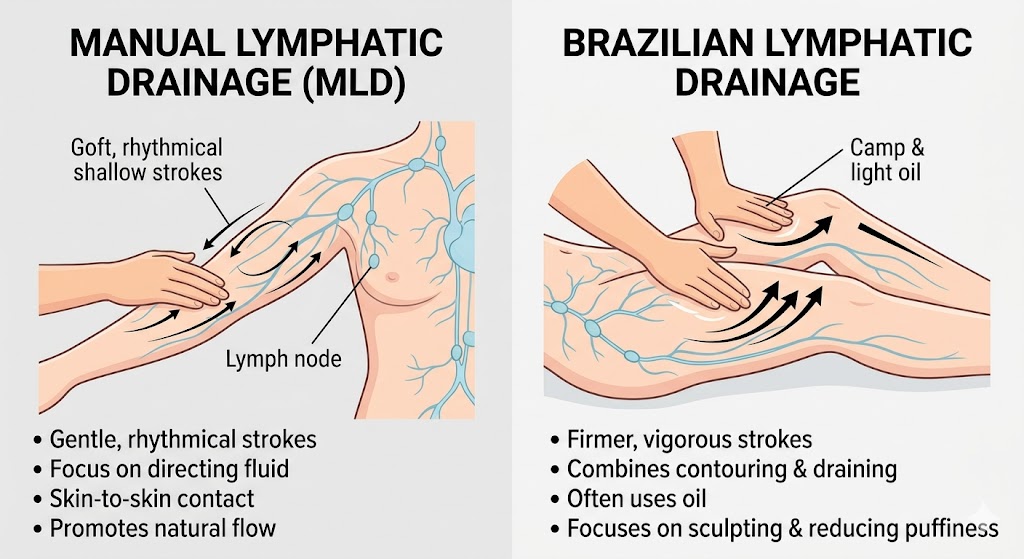
For example, Brazilian lymphatic drainage sessions often use slightly more dynamic contouring techniques while still maintaining light pressure.
Gentle rhythmic pressure helps stimulate lymph movement without stressing muscles or tissues.
What Types of Lymphatic Drainage Massage Therapies Exist?
Lymphatic drainage massage therapies include manual lymphatic drainage, facial drainage, post-surgical massage, and Brazilian lymphatic drainage techniques.
Manual Lymphatic Drainage (MLD)
Manual lymphatic drainage is a medically influenced technique designed to encourage healthy lymph circulation using precise hand movements.
Moreover, MLD is commonly associated with lymphedema management and post-operative support. Therapists often complete specialized certification programs before offering this service.
Post-Surgical Lymphatic Massage
Post-surgical lymphatic massage is a recovery-focused treatment designed to help reduce temporary swelling and fluid buildup after cosmetic procedures.
For example, people recovering from liposuction, BBL procedures, tummy tucks, or facelifts often seek lymphatic massage after physician approval.
Post-surgical lymphatic drainage massage may help reduce temporary swelling and discomfort after cosmetic procedures when approved by a physician.
According to the American Society of Plastic Surgeons, cosmetic surgery procedures continue to increase globally — Source: ASPS, 2024.
best recovery treatments after surgery
Facial Lymphatic Drainage Massage
Facial lymphatic drainage massage is a gentle treatment focused on reducing facial puffiness and improving circulation around the face and neck.
Additionally, beauty-focused clients often combine facial drainage with skincare routines for temporary sculpting effects.
benefits of facial massage techniques
Brazilian Lymphatic Drainage
Brazilian lymphatic drainage is a more sculpting-focused approach that combines lymphatic stimulation with body contouring techniques.
For example, celebrities and influencers often promote Brazilian lymphatic massage before photoshoots or events because it may temporarily reduce bloating and improve body definition.
How Do You Choose a Certified Lymphatic Drainage Massage Therapist?
Choosing a certified lymphatic drainage massage therapist requires verifying credentials, experience, hygiene standards, and specialization areas.
First, certifications matter because lymphatic techniques require anatomical knowledge and proper training. Therapists may hold certifications in MLD, Vodder technique training, or post-operative recovery massage.
Questions to Ask Before Booking
The best way to evaluate a therapist is by asking specific questions before your appointment.
Important questions include:
- What certifications do you hold?
- How long have you practiced lymphatic drainage therapy?
- Do you specialize in post-surgery recovery?
- What conditions do you commonly work with?
- Do you coordinate with physicians if needed?
- What aftercare do you recommend?
questions to ask before booking wellness treatments
Red Flags to Avoid
Certain warning signs may indicate an unqualified or unsafe therapist.
Common red flags include:
- No certification or formal training
- Unrealistic detox claims
- Poor hygiene practices
- Excessively painful techniques
- No consultation process
- Lack of medical screening questions
For example, claims like “instant toxin removal” or “permanent weight loss” are usually misleading. Lymphatic massage primarily supports fluid movement rather than fat reduction.
Certified therapists prioritize realistic expectations and client safety.
how to choose a licensed massage therapist
Can Lymphatic Drainage Massage Help After Surgery?
Lymphatic drainage massage may help reduce temporary swelling and discomfort after surgery when approved by a physician.
Additionally, post-operative recovery is one of the fastest-growing reasons people seek lymphatic massage therapy. Many patients report improved comfort and reduced tightness after sessions.
Common Cosmetic Procedures Supported
Post-surgical lymphatic massage is commonly associated with:
- Liposuction recovery
- Tummy tuck recovery
- BBL recovery
- Facelift recovery
- Breast augmentation recovery
For example, therapists often recommend multiple sessions over several weeks depending on the procedure and physician guidance.
According to the International Society of Aesthetic Plastic Surgery, cosmetic procedure demand increased significantly worldwide — Source: ISAPS, 2024.
Recovery Timeline Expectations
Recovery timelines vary depending on the individual and procedure type.
Generally:
- Mild swelling may improve within days
- Moderate swelling may require several sessions
- Surgical recovery support often continues for weeks
That being said, results are temporary and vary between individuals.
Are There Risks or Side Effects of Lymphatic Drainage Massage?
Lymphatic drainage massage is generally considered safe for many people, but certain medical conditions require caution or physician approval.
First, some people may experience temporary fatigue, increased urination, or mild soreness after treatment. These reactions are usually short-lived.
Who Should Avoid Lymphatic Drainage Massage?
People with certain medical conditions should avoid lymphatic drainage massage unless cleared by a healthcare provider.
Possible contraindications include:
- Congestive heart failure
- Active infections
- Blood clots
- Kidney disease
- Severe circulation disorders
- Certain cancers without medical approval
For example, increasing fluid movement may worsen some untreated medical conditions.
warning signs to discuss with your doctor
Common Side Effects
Common temporary side effects may include:
- Mild fatigue
- Increased thirst
- Frequent urination
- Temporary soreness
- Lightheadedness
Hydration and rest can help support recovery after a session.
What Should You Do After a Lymphatic Drainage Massage Session?
Proper aftercare helps support the benefits of lymphatic drainage massage therapy.
First, hydration is essential because fluid movement may increase temporary elimination processes. Many therapists encourage clients to drink additional water after treatment.
Recommended Aftercare Habits
Helpful aftercare habits include:
- Drinking more water
- Taking light walks
- Avoiding heavy alcohol intake
- Wearing compression garments if advised
- Following physician recovery plans
For example, post-surgical clients may combine lymphatic therapy with compression garments and mobility exercises.
hydration tips after massage therapy
How Often Should You Get Lymphatic Drainage Massage Therapy?
The ideal frequency depends on your goals, recovery needs, and overall health status.
General guidelines include:
| Goal | Suggested Frequency |
|---|---|
| Wellness maintenance | 1-2 times monthly |
| Post-surgical recovery | Weekly or physician-guided |
| Facial puffiness | As needed before events |
| Athletic recovery | After intense training |
Moreover, consistency often matters more than intensity. Regular sessions combined with healthy habits usually produce better long-term wellness support.
What Tools, Techniques, and Practical Applications Support Lymphatic Drainage?
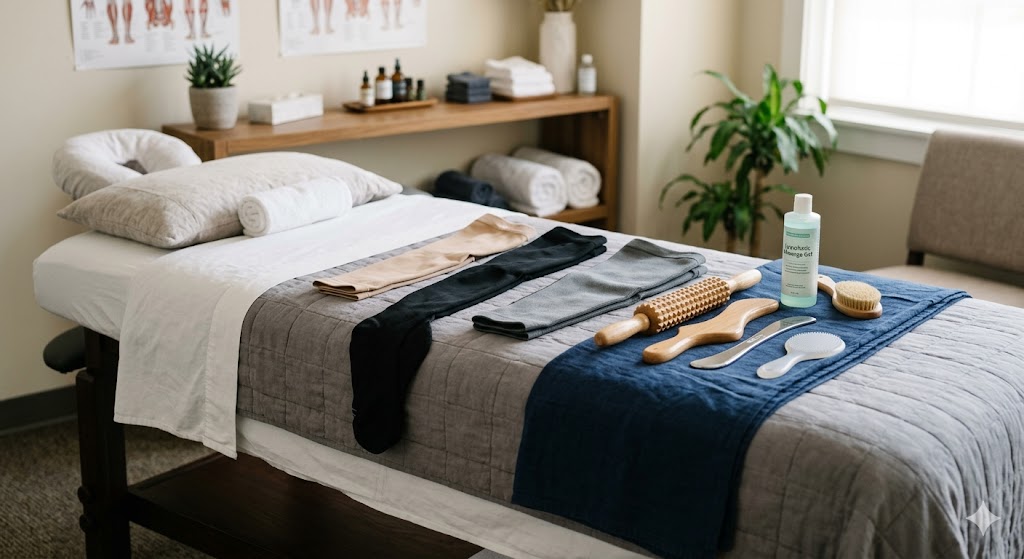
Lymphatic drainage recovery often includes tools, compression support, movement, and hydration strategies.
Common Tools and Products Used
Therapists may recommend:
- Compression garments
- Dry brushing tools
- Massage oils
- Foam rollers
- Recovery supplements
- Hydration protocols
For example, compression garments are commonly used after cosmetic surgery to help manage swelling.
Daily Habits That Support Better Results
Lifestyle habits strongly influence lymphatic drainage outcomes.
Helpful daily habits include:
- Regular walking
- Proper hydration
- Stretching
- Reduced sodium intake
- Consistent sleep schedules
What’s Next After Finding a Therapist?
The next step after finding a lymphatic drainage massage therapist is creating a realistic recovery or wellness plan.
First, prepare a simple booking checklist before your first session.
Booking Checklist
Before your appointment:
- Verify certifications
- Discuss medical history
- Confirm pricing and session length
- Ask about aftercare
- Review client testimonials
- Clarify treatment expectations
Tracking Your Progress
Tracking progress helps you evaluate whether treatment supports your wellness goals.
For example, some clients monitor:
- Swelling reduction
- Comfort levels
- Recovery speed
- Facial puffiness changes
- Stress reduction
Moreover, combining therapy with hydration, movement, and nutrition may improve results over time.
natural ways to reduce water retention
Is Lymphatic Drainage Massage Worth It for Wellness and Recovery?
Lymphatic drainage massage may be worthwhile for people seeking temporary swelling relief, recovery support, relaxation, or circulation-focused wellness care.
Additionally, the treatment appeals to both medical recovery patients and wellness-focused individuals because it combines gentle touch with relaxation benefits.
That being said, realistic expectations matter. Lymphatic massage is not a miracle detox or weight-loss treatment. Instead, it works best as part of a balanced wellness strategy.
Professional lymphatic drainage therapy supports recovery and circulation through gentle, targeted techniques.
Conclusion
Lymphatic drainage massage therapists provide specialized care designed to support circulation, swelling management, recovery, and relaxation. From post-surgical healing to facial puffiness reduction, these gentle techniques continue to grow in popularity among wellness and recovery-focused clients.
Most importantly, choosing a certified and experienced therapist improves both safety and treatment effectiveness. By combining lymphatic drainage therapy with hydration, movement, healthy habits, and realistic expectations, you can build a smarter long-term wellness strategy.
If you’re considering treatment, start by researching certified professionals, discussing your goals honestly, and creating a personalized recovery plan that fits your body and lifestyle.
FAQ
What is a lymphatic drainage massage?
Lymphatic drainage massage is a gentle massage technique designed to support lymph flow, reduce swelling, and promote relaxation and recovery.
What does a lymphatic drainage massage therapist do?
A lymphatic drainage massage therapist uses specialized techniques to help move lymph fluid through the body and support overall wellness.
What are the benefits of lymphatic drainage massage?
It may help reduce swelling, improve circulation, support recovery, and promote relaxation and detoxification.
Who should get lymphatic drainage massage?
People recovering from surgery, dealing with swelling, or seeking relaxation and wellness support may benefit from it.
Can lymphatic drainage massage reduce bloating?
Yes, it may help reduce fluid retention and bloating by encouraging lymph movement.
Is lymphatic drainage massage painful?
No, it is usually very gentle and relaxing compared to deep tissue massage.
How often should you get lymphatic drainage massage?
Frequency depends on individual needs, but many people schedule sessions weekly or monthly.
Can lymphatic drainage massage help after surgery?
Yes, it is commonly used after cosmetic or medical procedures to help reduce swelling and support healing.
How do you choose the right lymphatic drainage massage therapist?
Look for certified therapists with experience, positive reviews, and proper training in lymphatic massage techniques.
Are there any risks to lymphatic drainage massage?
While generally safe, people with certain medical conditions should consult a healthcare professional before treatment.
Written by Suraj — Professional Blogger & Wellness Content Writer with 5+ years of experience creating SEO-focused health and recovery content.
Reviewed by Editorial Wellness Review Team — Specialists in holistic wellness, recovery therapies, and evidence-based health education.
Disclaimer: This article was initially drafted using AI assistance. However, the content has undergone thorough revisions, editing, and fact-checking by human editors and subject matter experts to ensure accuracy.