
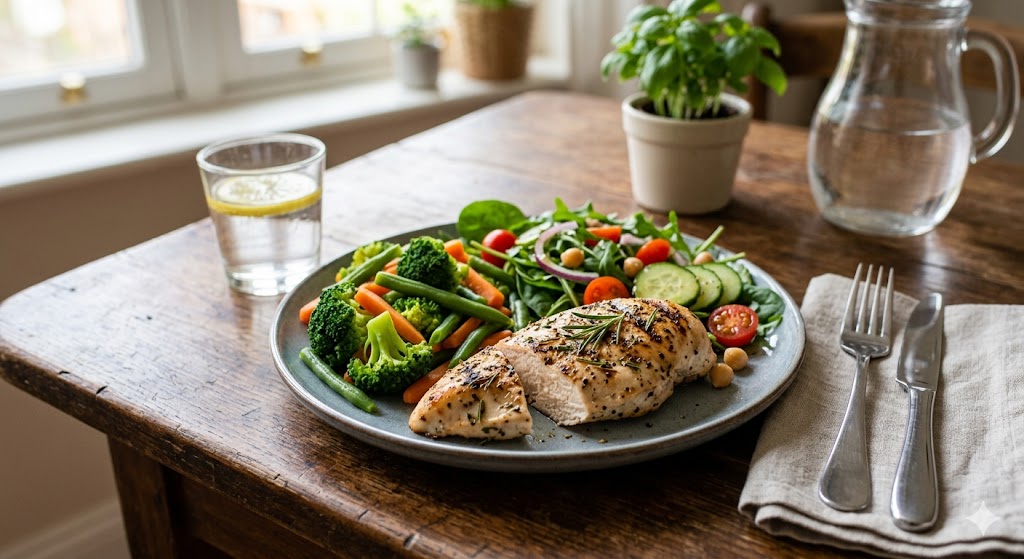
You’ve probably tried cutting calories or skipping meals to lose weight—but the results never last. The missing piece is not eating less, but eating smarter. In this guide, you’ll learn how a high protein diet for weight loss helps you burn fat, control hunger, and build a sustainable routine.
Key Takeaways
- High protein diet for weight loss increases protein intake to boost fat loss while preserving muscle.
- Protein improves satiety, reducing cravings and overeating throughout the day.
- Daily protein intake ranges from 1.2–2.2 g/kg body weight for effective fat loss.
- Protein-rich foods include eggs, chicken, lentils, paneer, tofu, and Greek yogurt.
- Balanced meal planning and calorie control are essential for sustainable results.
- Avoid common mistakes like low fiber and excess calories for better progress.
- Consistency and lifestyle habits determine long-term weight loss success.
What Is a High Protein Diet for Weight Loss?
A high protein diet for weight loss is a nutrition strategy that increases protein intake to enhance fat loss while preserving muscle mass.
First, this diet typically involves getting 20–35% of total calories from protein. For example, if you consume 2,000 calories daily, around 100–175 grams of protein may be recommended.
Second, protein becomes the priority macronutrient, replacing excess carbs and fats. For example, swapping white rice with grilled chicken and vegetables increases satiety and reduces calorie intake.
Third, a high protein diet involves prioritizing protein-rich foods such as eggs, lean meats, legumes, and dairy in every meal. This ensures steady amino acid supply for muscle maintenance.
Why Does a High Protein Diet Matter for Weight Loss?
A high protein diet matters because it promotes fat loss while preserving lean muscle mass and controlling hunger.
First, fat loss vs muscle loss matters in dieting. Studies show that high-protein diets help retain muscle during calorie deficits — Source: American Journal of Clinical Nutrition, 2020. For example, people consuming higher protein lose more fat than muscle.
fat loss vs weight loss explained
Second, protein increases satiety significantly. Research indicates protein reduces hunger hormones and increases fullness hormones — Source: Obesity Reviews, 2021. For example, eating eggs for breakfast reduces calorie intake later in the day.
Third, protein has a higher thermic effect of food (TEF). About 20–30% of protein calories are burned during digestion — Source: Journal of Nutrition, 2019. This means your body burns more calories processing protein than carbs or fats.
Protein promotes weight loss by increasing satiety, boosting metabolism, and reducing hunger hormones.
How Does a High Protein Diet Work for Fat Loss?
A high protein diet works by boosting metabolism, regulating hormones, and preserving muscle during weight loss.
How Protein Boosts Metabolism
First, protein digestion requires more energy. This increases calorie expenditure automatically. For example, eating 100 calories of protein burns up to 30 calories during digestion.
How Protein Affects Hormones
Second, protein lowers ghrelin (hunger hormone) and increases leptin (satiety hormone). For example, a protein-rich lunch keeps you full longer than a carb-heavy meal.
How Protein Preserves Muscle
Third, protein prevents muscle breakdown during dieting. For example, gym-goers on high-protein diets retain strength and lean mass better.
Consistent adherence to a high protein diet combined with calorie control leads to sustainable fat loss over time.
How Much Protein Do You Need Per Day to Lose Weight?
Daily protein intake for weight loss typically ranges from 1.2 to 2.2 grams per kilogram of body weight.
First, beginners should aim for 1.2–1.6 g/kg. For example, a 70 kg person needs around 84–112 grams of protein daily.
Second, active individuals or gym-goers can aim for 1.6–2.2 g/kg for better muscle preservation.
Third, calculating protein should align with total calories.
how to calculate daily calories
| Body Weight | Protein Range |
|---|---|
| 60 kg | 72–132 g |
| 70 kg | 84–154 g |
| 80 kg | 96–176 g |
Higher protein intake supports fat loss without muscle loss.
What Are the Best High Protein Foods for Weight Loss?
The best high protein foods for fat loss include lean meats, dairy, legumes, and plant-based proteins.
Non-Vegetarian Protein Sources
- Chicken breast
- Eggs
- Fish (salmon, tuna)
- Lean beef
For example, 100g chicken contains ~31g protein.
Vegetarian Protein Sources
- Lentils (dal)
- Paneer
- Tofu
- Chickpeas
high protein vegetarian foods list
High Protein Indian Foods
- Moong dal chilla
- Paneer bhurji
- Sprouts salad
- Curd (dahi)
balanced diet chart for Indians
High Protein Snacks
- Greek yogurt
- Roasted chana
- Protein smoothies
low calorie high protein snacks
Lean protein sources help reduce calorie intake while increasing fullness.
What Is a Sample High Protein Diet Plan for Beginners?
A sample high protein diet plan includes balanced meals with protein distributed across the day.
High Protein Meal Plan (Example)
Breakfast:
- Omelette + whole wheat toast
healthy breakfast ideas for weight loss
Lunch:
- Grilled chicken + brown rice + vegetables
Snack:
- Greek yogurt + nuts
Dinner:
- Paneer or tofu + salad
Meal Timing Strategy
First, distribute protein evenly across meals.
Second, include protein in every snack.
Third, avoid long gaps between meals.
Consistent protein intake throughout the day improves metabolism and satiety.
What Are Common Mistakes on a High Protein Diet?
Common mistakes on a high protein diet include overeating calories, ignoring fiber, and relying too much on supplements.
First, overeating calories slows fat loss. For example, eating too many protein bars adds hidden calories.
Second, ignoring fiber causes digestion issues. For example, low vegetable intake leads to constipation.
Third, over-relying on supplements is ineffective. Whole foods should be the primary source.
how to avoid weight loss plateaus
What Tools and Apps Help You Follow a High Protein Diet?
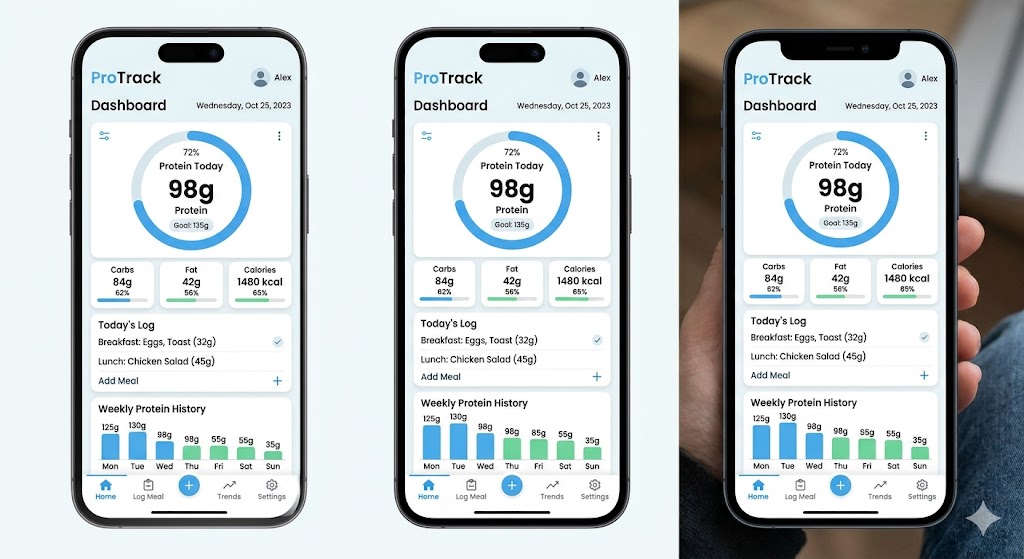
Protein tracking tools help monitor intake, calories, and progress effectively.
Best Apps for Tracking Protein
- MyFitnessPal
- HealthifyMe
- Cronometer
top fitness apps for tracking diet
Grocery Planning Example
- Buy eggs, chicken, paneer weekly
- Keep quick snacks like yogurt ready
- Prep meals in advance
Tracking intake increases accountability and improves results.
What Should You Do Next for Long-Term Results?
Long-term success requires transitioning from fat loss to maintenance while maintaining healthy habits.
First, gradually adjust calories after weight loss.
Second, combine diet with exercise.
home workout plan for beginners
Third, focus on sustainability. For example, maintaining protein intake helps prevent weight regain.
Consistency is the key to lasting weight loss success.
Conclusion
A high protein diet for weight loss is one of the most effective and scientifically backed strategies to burn fat while preserving muscle. By increasing protein intake, controlling calories, and maintaining consistency, you can achieve sustainable results without extreme dieting.
Start simple, stay consistent, and focus on long-term habits. Your transformation depends on daily choices—not quick fixes.
FAQ
What is a high-protein diet for weight loss?
A high-protein diet focuses on increasing protein intake to boost metabolism, reduce appetite, and support fat loss while preserving muscle.
How does protein help with weight loss?
Protein increases satiety, reduces hunger hormones, and boosts calorie burning through the thermic effect of food.
How much protein should I eat daily for weight loss?
Most people benefit from 1.2 to 2.2 grams of protein per kilogram of body weight, depending on activity level and goals.
What are the best high-protein foods for weight loss?
Lean meats, eggs, fish, dairy, legumes, tofu, nuts, and seeds are excellent protein sources.
Can a high-protein diet reduce belly fat?
It can help reduce overall body fat, including belly fat, when combined with a calorie deficit and exercise.
Is a high-protein diet safe?
Yes, it is generally safe for healthy individuals, but those with kidney issues should consult a doctor.
Does protein help you feel full longer?
Yes, protein slows digestion and keeps you satisfied, reducing unnecessary snacking.
Can I lose weight without exercise on a high-protein diet?
Yes, but combining it with exercise improves fat loss and muscle retention.
What is the best time to eat protein for weight loss?
Distributing protein evenly across meals, especially including it in breakfast, is most effective.
Are protein supplements necessary?
No, whole foods are best, but supplements can help if you struggle to meet daily protein needs.
Written by Suraj — SEO Blogger with 5+ years of experience in health, nutrition, and content optimization
Reviewed by Nutrition & Fitness Content Specialist
Disclaimer: This article was initially drafted using AI assistance. However, the content has undergone thorough revisions, editing, and fact-checking by human editors and subject matter experts to ensure accuracy.