
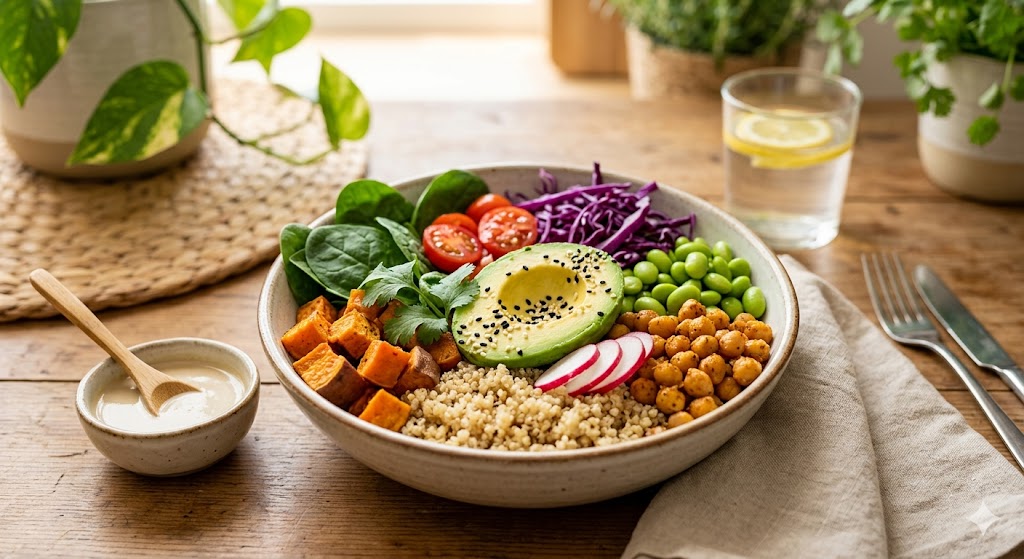
You’ve probably seen colorful buddha bowls all over Instagram or health blogs. But most people don’t fully understand how to build one that’s actually balanced, filling, and flavorful. In this guide, you’ll learn exactly what a buddha bowl is, how to create your own step-by-step, and the best combinations for taste and nutrition.
Key Takeaways
- Buddha bowls are balanced meals that combine grains, proteins, vegetables, and sauces in one dish.
- A well-structured bowl includes a base, protein, vegetables, toppings, and dressing.
- Customization allows flexibility for vegan, vegetarian, high-protein, or low-carb diets.
- Meal prepping buddha bowls saves time and supports consistent healthy eating habits.
- Flavor balance comes from combining textures like crunchy, creamy, sweet, and savory.
- Simple ingredients like rice, quinoa, and chickpeas form the foundation of most bowls.
What Is a Buddha Bowl and Why Is It So Popular?
A buddha bowl is a balanced meal that combines whole grains, proteins, vegetables, and sauces in a single bowl.
First, the concept of a buddha bowl comes from the idea of creating a complete, nourishing meal in one dish. For example, a typical bowl might include quinoa, roasted vegetables, chickpeas, and tahini dressing.
Moreover, buddha bowls are popular because they are visually appealing, customizable, and nutrient-dense. According to Google Trends (2024), searches for “healthy bowl meals” have increased by over 65% in the last five years — Source: Google Trends, 2024.
In addition, the rise of plant-based eating has boosted their popularity. A 2023 report found that 42% of global consumers are actively trying to eat more plant-based meals — Source: Statista, 2023.
👉 For more ideas, explore quick lunch ideas for busy people
Why Are Buddha Bowls Important?
Buddha bowls matter because they provide balanced nutrition, convenience, and flexibility in one meal.
First, they support balanced nutrition by combining fiber, protein, and healthy fats. For example, a bowl with brown rice, tofu, avocado, and greens covers multiple nutrient groups.
Second, they are ideal for meal prep and time-saving. Meal prepping buddha bowls helps save time and ensures consistent healthy eating throughout the week.
Moreover, they align with modern health goals. A study shows that meal prepping can reduce unhealthy food choices by 30% — Source: Journal of Nutrition Behavior, 2022.
👉 For deeper planning, check balanced diet plan for weight loss
What Are the Essential Components of a Buddha Bowl?
A buddha bowl typically includes a base, a protein source, fresh or roasted vegetables, and a flavorful dressing.
Base (Grains or Greens)
First, the base provides energy and structure. Common options include:
- Brown rice
- Quinoa
- Couscous
- Leafy greens
For example, a quinoa base adds protein and fiber, making the bowl more filling.
👉 Learn more: best grains for healthy eating
Protein Source
Second, protein helps with satiety and muscle repair. Popular choices include:
- Chickpeas
- Tofu
- Lentils
- Grilled chicken
For example, adding chickpeas increases both protein and fiber content.
👉 Explore more: high protein vegetarian foods list
Vegetables
Next, vegetables add vitamins, minerals, and color. You can use:
- Roasted sweet potatoes
- Broccoli
- Spinach
- Carrots
For example, roasted vegetables enhance flavor through caramelization.
Toppings & Dressings
Finally, toppings and sauces add flavor and texture balance. Examples include:
- Nuts and seeds
- Avocado
- Tahini or peanut sauce
👉 Try: healthy homemade sauces and dressings
How Do You Build a Perfectly Balanced Buddha Bowl Step by Step?
Building a buddha bowl involves layering ingredients to create a balance of nutrients, textures, and flavors.
Step-by-Step Process
- Start with a base (grains or greens)
- Add protein (plant-based or animal)
- Include vegetables (raw or roasted)
- Top with extras (nuts, seeds, herbs)
- Finish with dressing
First, choose a base like quinoa. Then, add protein such as tofu. Finally, layer vegetables and drizzle sauce.
For example, a balanced bowl could be quinoa + roasted chickpeas + spinach + avocado + tahini dressing.
👉 Beginners can explore beginner cooking tips and kitchen basics
What Are the Health Benefits of Eating Buddha Bowls?
Buddha bowls support balanced nutrition by combining fiber, protein, and healthy fats in one meal.
First, they promote digestive health due to high fiber content. For example, vegetables and whole grains improve gut health.
Second, they help with weight management. A high-fiber diet can reduce calorie intake by up to 10% — Source: Harvard Health, 2023.
Moreover, they improve energy levels by providing sustained nutrients rather than quick sugar spikes.
What Are the Best Protein Options for a Buddha Bowl?
The best protein options for a buddha bowl include plant-based and lean animal sources that enhance satiety and nutrition.
Plant-Based Proteins
- Lentils
- Chickpeas
- Tofu
- Tempeh
For example, tofu absorbs flavors easily, making it ideal for sauces.
Animal-Based Proteins
- Grilled chicken
- Salmon
- Eggs
For example, salmon adds omega-3 fatty acids, improving heart health.
👉 Check: high protein vegetarian foods list
How Can You Make a Vegan or Vegetarian Buddha Bowl?
A vegan or vegetarian buddha bowl replaces animal products with plant-based proteins and nutrient-dense ingredients.
First, use plant proteins like lentils or tofu. Then, add vegetables and grains.
For example, a vegan bowl could include quinoa, roasted chickpeas, spinach, and tahini dressing.
👉 Explore more: easy vegan recipes for beginners
What Are Some Easy Buddha Bowl Recipes for Beginners?
Easy buddha bowl recipes combine simple ingredients into quick, balanced meals.
Beginner-Friendly Recipes
| Bowl Type | Ingredients | Flavor Profile |
|---|---|---|
| Quinoa Bowl | Quinoa, chickpeas, veggies | Nutty & fresh |
| Rice Bowl | Brown rice, tofu, broccoli | Savory |
| Mediterranean Bowl | Couscous, hummus, olives | Tangy |
| Asian Bowl | Rice, tofu, sesame sauce | Umami |
For example, a simple rice bowl with tofu and vegetables can be made in under 20 minutes.
How Do You Meal Prep Buddha Bowls for the Week?
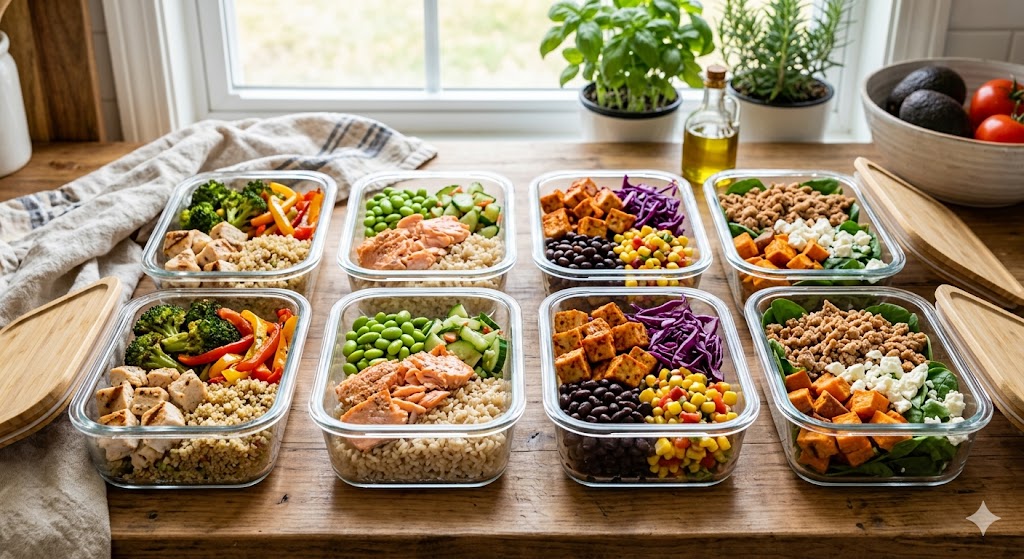
Meal prepping buddha bowls involves preparing ingredients in advance and storing them for easy assembly.
Meal Prep Tips
- Cook grains in bulk
- Roast vegetables ahead
- Store sauces separately
- Use airtight containers
For example, preparing quinoa and roasted veggies on Sunday can save hours during the week.
👉 Read: how to store meal prep food safely
What Sauces and Dressings Work Best in Buddha Bowls?
The best sauces for buddha bowls enhance flavor while balancing textures and nutrients.
Popular Options
- Tahini dressing
- Peanut sauce
- Yogurt-based dressing
- Olive oil & lemon
For example, peanut sauce adds creaminess and a rich flavor profile.
👉 Try: healthy homemade sauces and dressings
Can Buddha Bowls Help With Weight Loss or Fitness Goals?
Buddha bowls can support weight loss and fitness goals when portioned correctly and built with nutrient-dense ingredients.
First, they help control portions. For example, dividing your bowl into grains, protein, and vegetables prevents overeating.
Second, they support fitness by providing balanced macronutrients.
Moreover, a study shows that balanced meals improve adherence to diet plans by 25% — Source: Nutrition Journal, 2022.
👉 Explore: low carb diet food list
Tools & Practical Application: How to Make Buddha Bowls Efficiently
Creating buddha bowls efficiently requires basic kitchen tools and smart preparation techniques.
Essential Tools
- Meal prep containers
- Rice cooker
- Baking tray
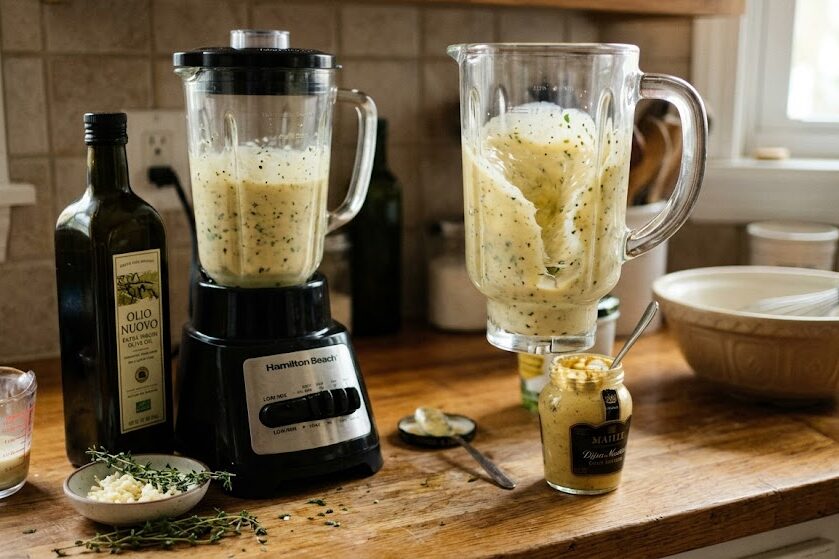
- Blender (for sauces)
For example, using a rice cooker simplifies grain preparation.
What’s Next: How to Customize Your Own Buddha Bowl?
Customizing a buddha bowl involves adjusting ingredients based on your dietary needs, taste preferences, and goals.
First, choose your diet type: vegan, high-protein, or low-carb. Then, adjust ingredients accordingly.
For example:
- Fitness goal → add more protein
- Weight loss → reduce grains
- Vegan diet → use plant proteins
By experimenting with combinations, you can create endless variations.
Conclusion
Buddha bowls are one of the simplest ways to create healthy, balanced meals without complicated recipes.
They combine nutrition, convenience, and creativity into one powerful meal concept. By following the step-by-step method and experimenting with ingredients, you can build bowls that match your lifestyle and goals.
Start simple, stay consistent, and make your buddha bowl your own.
FAQ
What is a Buddha bowl?
A Buddha bowl is a nutrient-rich meal made with a mix of grains, vegetables, protein, and healthy fats, all served in one bowl.
Are Buddha bowls healthy?
Yes, they are highly nutritious as they combine balanced portions of fiber, protein, vitamins, and healthy fats.
What ingredients are used in a Buddha bowl?
Common ingredients include whole grains, leafy greens, roasted vegetables, legumes, nuts, seeds, and flavorful dressings.
Can you make a Buddha bowl at home?
Yes, it is easy to prepare by combining cooked grains, fresh or roasted veggies, protein sources, and a dressing.
Are Buddha bowls good for weight loss?
They can support weight loss when portion sizes and calorie-dense toppings are controlled.
Can Buddha bowls be vegan or vegetarian?
Yes, most Buddha bowls are naturally vegan or vegetarian, using plant-based ingredients.
What is the best protein for a Buddha bowl?
Popular options include chickpeas, lentils, tofu, beans, or grilled chicken for non-vegetarians.
What dressing goes well with Buddha bowls?
Tahini, peanut sauce, vinaigrettes, and yogurt-based dressings are commonly used.
What is the best base for a Buddha bowl?
Quinoa, brown rice, couscous, or leafy greens are commonly used as a base.
How do you customize a Buddha bowl?
You can customize it by choosing your base, protein, vegetables, toppings, and dressing according to your taste and dietary needs.
Written by Suraj Solanki — 5+ years experienced blogger specializing in SEO, health, and lifestyle content
Reviewed by Editorial Team — Experts in nutrition, wellness, and content strategy
Disclaimer: This article was initially drafted using AI assistance. However, the content has undergone thorough revisions, editing, and fact-checking by human editors and subject matter experts to ensure accuracy.