
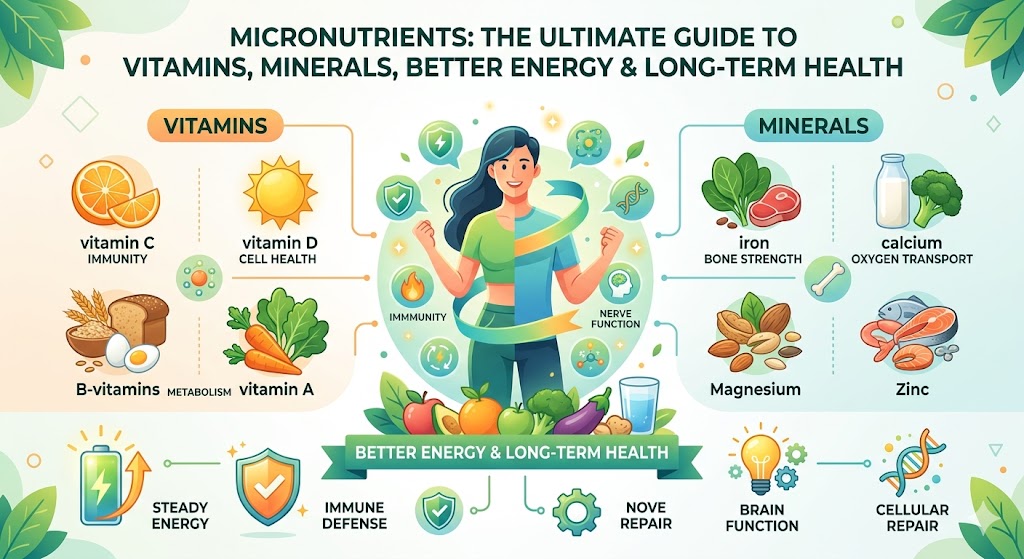
You probably already know that healthy eating matters, and you may focus on calories, protein, or carbs. But many people overlook the tiny nutrients that quietly power energy, immunity, and long-term health. In this guide, you’ll learn what micronutrients are, why they matter, where to get them, and how to avoid common nutrient gaps.
Key Takeaways
- Micronutrients are vitamins and minerals the body needs in small amounts to function properly.
- Vitamins and minerals support immunity, metabolism, bone strength, brain health, and energy production.
- Deficiencies can cause fatigue, anemia, weak bones, poor immunity, and other health problems.
- Whole foods such as fruits, vegetables, legumes, nuts, dairy, eggs, and seafood are major micronutrient sources.
- Daily needs vary by age, sex, pregnancy, and overall health status.
- Supplements can help in specific cases, but food quality is usually the first strategy.
- Consistency and meal variety are practical ways to improve nutrient intake over time.
What Are Micronutrients?
Micronutrients are vitamins and minerals required in small amounts to support normal growth, metabolism, immunity, and cellular function. Unlike carbohydrates, protein, and fat, they do not provide calories, but your body cannot perform basic processes without them.
First, think of micronutrients as the “helpers” behind every system in your body. They help convert food into usable energy, build bones, support hormones, repair cells, and protect tissues from damage. For example, iron helps carry oxygen in your blood, while vitamin C supports collagen and immunity.
Moreover, micronutrients are essential because your body cannot make enough of many of them on its own. That means you need regular intake from food or, in some cases, supplements.
Micronutrients meaning: tiny nutrients with huge jobs.
What Is the Difference Between Micronutrients and Macronutrients?
Macronutrients are nutrients needed in larger amounts for energy and structure, while micronutrients are needed in smaller amounts for regulation and protection.
| Nutrient Type | Needed In | Main Role | Examples |
|---|---|---|---|
| Macronutrients | Large amounts | Energy & body structure | Carbs, protein, fat |
| Micronutrients | Small amounts | Body regulation & function | Vitamins, minerals |
For more detail, read our macronutrients vs micronutrients guide.
Why Are Micronutrients Important for Overall Health?
Micronutrients are important because they help every major body system work efficiently and reduce the risk of preventable health problems.
First, they support energy production. B vitamins help convert food into energy at the cellular level. If intake is low, you may feel tired even when calories are adequate.
Second, they strengthen immune defense. Nutrients such as vitamin D, zinc, selenium, and vitamin A help immune cells function properly. Vitamin D deficiency is common worldwide, affecting an estimated 1 billion people — Source: Global health reviews, 2023.
Third, they protect bone health. Calcium, magnesium, vitamin D, and vitamin K all support bone density. For example, low calcium plus low vitamin D can increase fracture risk over time.
In addition, micronutrients help with:
- Brain function – B12, folate, iron, iodine
- Skin health – zinc, vitamin C, vitamin E
- Hormone balance – iodine, selenium, zinc
- Heart health – potassium, magnesium
- Healthy aging – antioxidants and mineral balance
For related nutrition support, explore best foods for immune health.
What Are the Main Types of Micronutrients?
The main types of micronutrients are vitamins and minerals, and each group has unique roles in the body.
Vitamins: Fat-Soluble vs Water-Soluble
Vitamins are organic compounds the body uses for essential physiological processes.
Fat-Soluble Vitamins
These dissolve in fat and can be stored in body tissues.
- Vitamin A – vision, immunity, skin
- Vitamin D – bones, immunity
- Vitamin E – antioxidant protection
- Vitamin K – blood clotting, bone support
Water-Soluble Vitamins
These are not stored as easily, so regular intake matters.
- Vitamin C – immunity, collagen
- B1 (Thiamine) – energy metabolism
- B2 (Riboflavin) – cell growth
- B3 (Niacin) – metabolism
- B6 – brain health
- B9 (Folate) – DNA formation
- B12 – nerves, red blood cells
Minerals: Major vs Trace Minerals
Minerals are inorganic elements the body uses for structure, fluid balance, and cellular activity.
Major Minerals
Needed in larger amounts:
- Calcium
- Magnesium
- Potassium
- Sodium
- Phosphorus
Trace Minerals
Needed in tiny amounts:
- Iron
- Zinc
- Iodine
- Selenium
- Copper
Trace minerals benefits include thyroid support, oxygen transport, wound healing, and antioxidant defense.
Which Foods Are Rich in Micronutrients?
Micronutrient-rich foods are whole, minimally processed foods that provide high nutrient value per calorie.
First, colorful plants are a strong foundation. Different colors often signal different nutrients. For example, orange vegetables contain beta-carotene, while leafy greens provide folate and magnesium.
Best Food Sources of Vitamins and Minerals
| Food Group | Key Nutrients |
|---|---|
| Fruits | Vitamin C, potassium, folate |
| Leafy greens | Folate, magnesium, vitamin K |
| Nuts & seeds | Magnesium, zinc, vitamin E |
| Dairy | Calcium, B12, iodine |
| Eggs | Choline, B12, selenium |
| Legumes | Iron, folate, magnesium |
| Whole grains | B vitamins, iron |
| Seafood | Iodine, zinc, selenium, omega-3 |
| Fortified foods | Vitamin D, B12, iron |
Moreover, dietary diversity matters more than one “superfood.” A plate with vegetables, beans, yogurt, seeds, and fruit usually delivers more micronutrients than one trendy product.
For meal inspiration, see balanced diet food list and anti-inflammatory foods list.
Choose micronutrient rich foods for a balanced meal
What Are the Most Common Micronutrient Deficiencies?
Micronutrient deficiencies can develop when dietary intake, absorption, or increased body needs are not adequately met.
First, deficiencies may happen from poor diet quality. Second, they may occur due to digestive disorders, medication use, pregnancy, heavy training, or aging.
Common Deficiencies and Symptoms
| Nutrient | Common Signs |
|---|---|
| Iron | Fatigue, pale skin, shortness of breath |
| Vitamin D | Low mood, weak bones, low immunity |
| B12 | Tingling, anemia, memory issues |
| Iodine | Thyroid issues, fatigue |
| Zinc | Slow wound healing, poor immunity |
| Magnesium | Cramps, poor sleep, headaches |
Iron deficiency remains the most common nutrient deficiency globally and affects many women and children — Source: WHO, 2024.
How Do You Know If You Have a Vitamin or Mineral Deficiency?
A deficiency is best confirmed through symptoms, diet review, and appropriate lab testing.
For example, fatigue could relate to sleep, stress, iron, B12, or thyroid issues. That is why self-diagnosis is limited. If symptoms persist, speak with a qualified healthcare professional.
Helpful reading: iron deficiency symptoms explained and vitamin D benefits and sources.
How Much Micronutrients Do You Need Each Day?
Recommended micronutrient intake varies by age, sex, life stage, and medical conditions.
First, nutrient targets are often expressed as RDA (Recommended Dietary Allowance) or similar reference values. These estimates aim to meet the needs of most healthy people.
Second, life stage changes matter. Children need nutrients for growth. Older adults may need more B12 awareness. Pregnant women often need higher folate, iron, and iodine support.
Why Balance Matters More Than Mega-Dosing
More is not always better with micronutrients. Excess intake of some nutrients can be harmful. For example, too much vitamin A from supplements may be risky, and too much iron can cause problems if not needed.
That is why balanced eating usually beats random high-dose stacking.
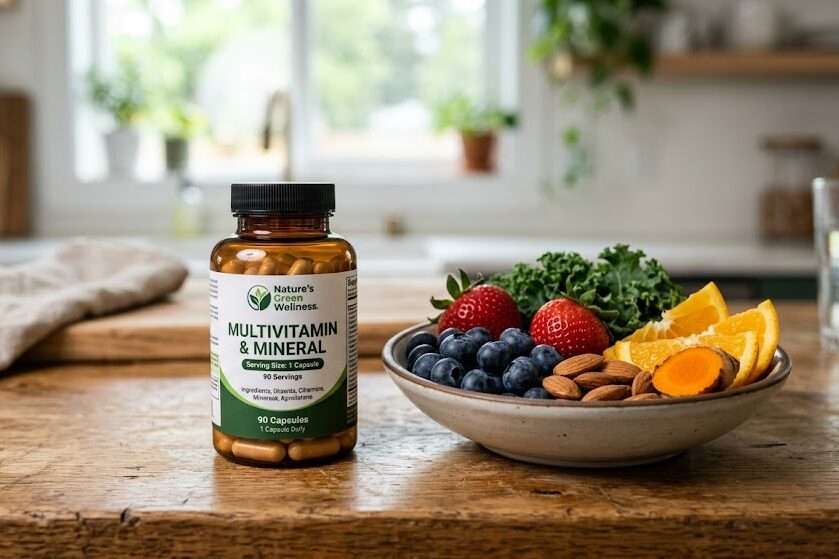
Are Supplements Better Than Food Sources of Micronutrients?
A food-first approach to micronutrients emphasizes nutrient-dense meals before routine supplementation in most healthy individuals.
First, foods provide more than isolated nutrients. They also contain fiber, protein, healthy fats, antioxidants, and plant compounds that work together.
For example, eating yogurt with fruit and seeds gives calcium, probiotics, potassium, and magnesium in one meal. A single pill may not replicate that full package.
When Supplements May Help
Supplements can be useful when:
- A lab-confirmed deficiency exists
- Pregnancy increases needs
- Vegan diets require B12 support
- Low sun exposure affects vitamin D
- Medical conditions reduce absorption
- Diet variety is limited
Risks of Unnecessary Overuse
- Wasted money
- Nutrient imbalances
- Digestive upset
- Toxicity from high doses
- False confidence about poor diet quality
For beginners, explore supplements guide for beginners.
How Can You Improve Micronutrient Intake Naturally?
You can improve micronutrient intake naturally by increasing food variety, choosing nutrient-dense staples, and building repeatable meal habits.
Practical Strategies That Work
- Eat a colorful plate daily. Different colors often mean different nutrients.
- Add seeds or nuts. Small portions boost magnesium, zinc, and vitamin E.
- Use legumes weekly. Beans and lentils add iron and folate.
- Choose protein variety. Rotate eggs, dairy, fish, tofu, and pulses.
- Cook smartly. Steam or lightly cook vegetables to reduce losses.
- Read labels. Fortified foods can help fill gaps.
For label skills, see how to read nutrition labels.
Sample One-Day Micronutrient-Friendly Meal Plan
- Breakfast: Oats + yogurt + berries + seeds
- Lunch: Rice + dal + spinach + salad
- Snack: Fruit + nuts
- Dinner: Eggs or fish + vegetables + whole grains
- Optional: Milk or fortified plant drink
This pattern can improve fiber, iron, calcium, B vitamins, magnesium, and potassium.
Which Micronutrients Support Immunity and Energy?
Several micronutrients directly support immune resilience and energy metabolism.
First, for immunity, focus on:
- Vitamin C
- Vitamin D
- Zinc
- Selenium
- Vitamin A
Second, for energy support, focus on:
- Iron
- B12
- Folate
- B6
- Magnesium
For example, if you feel drained, low iron or low B12 may be worth discussing with a professional rather than relying only on caffeine.
Can Too Much of Certain Micronutrients Be Harmful?
Excess intake of certain micronutrients can be harmful, especially from high-dose supplements.
First, fat-soluble vitamins can build up more easily than water-soluble ones. Second, minerals such as iron and selenium can cause issues in excess.
Examples include:
- Too much vitamin A – toxicity risk
- Too much iron – stomach issues or overload
- Too much selenium – hair/nail changes
- Too much zinc – copper imbalance
That is why targeted supplementation is smarter than guessing.
Tools, Examples, and Real-Life Applications
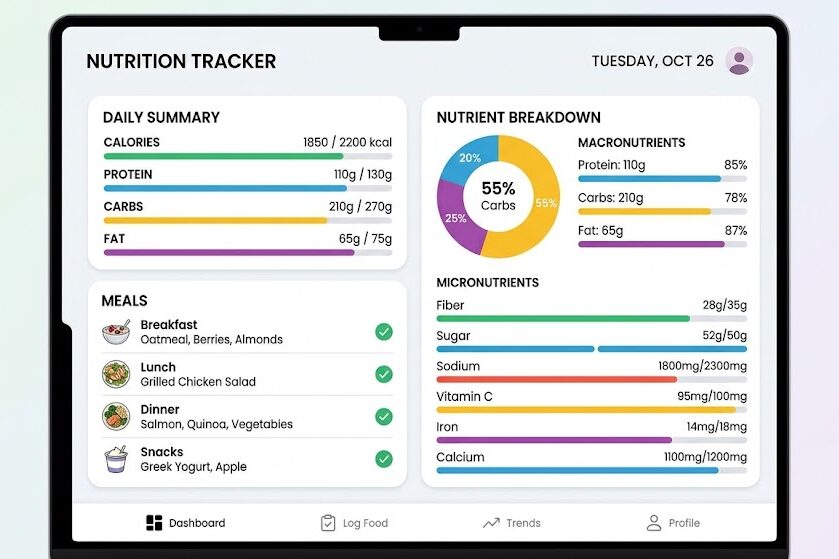
Practical tools help you spot gaps, plan meals, and stay consistent with micronutrient habits.
Useful Tools
- Cronometer – detailed nutrient tracking
- MyFitnessPal – food logging basics
- Google Sheets – meal planning and grocery lists
- Reminder apps – hydration and supplement timing
Grocery Checklist
- 2–3 fruits
- 4+ vegetables
- Beans or lentils
- Eggs or dairy
- Nuts or seeds
- Whole grains
- Fish or other protein
- Fortified staples if needed
For shopping support, read healthy grocery shopping checklist
What’s Next: Build a Micronutrient-Rich Routine
A micronutrient-rich routine is built through small habits repeated consistently.
First, choose one upgrade this week. Add vegetables to lunch, include fruit at breakfast, or swap snacks for nuts and yogurt.
Second, use habit stacking. For example, after grocery shopping, wash and prep produce immediately. This makes healthy choices easier later.
Third, review your routine monthly. If energy, digestion, or consistency is poor, adjust your meals and schedule.
Helpful support: healthy meal planning for beginners and daily hydration habits
Conclusion
Micronutrients are small nutrients with major health impact. They support energy, immunity, bones, brain function, and long-term wellness every single day. By eating a wider variety of whole foods, checking common gaps, and using supplements only when appropriate, you can build stronger health one meal at a time. Start with one simple upgrade today, and let consistency do the rest.
Written by Suraj 5+ Blogger — Health content writer focused on beginner-friendly nutrition, SEO education, and evidence-based wellness guides.
Reviewed by Editorial Nutrition Review Team — Specialists in public health nutrition, diet quality, and consumer wellness education.
Disclaimer: This article was initially drafted using AI assistance. However, the content has undergone thorough revisions, editing, and fact-checking by human editors and subject matter experts to ensure accuracy.