
You’ve probably seen dozens of hair loss treatments promising thicker hair fast. What most people miss is that the right solution depends on the cause of hair loss, not the marketing claim. In this guide, you’ll learn what actually works, how to choose the best option, and what results to realistically expect.
Key Takeaways
- Hair loss treatment includes medications, lifestyle changes, procedures, and targeted therapies based on the cause of shedding or thinning.
- Early diagnosis improves results because some forms of hair loss respond better before follicles become inactive.
- Evidence-based treatments such as minoxidil, prescription options, and hair transplant surgery have stronger support than most viral remedies.
- Causes vary between people, so the best treatment depends on genetics, hormones, stress, nutrition, and scalp health.
- Visible progress often takes several months, making consistency and progress tracking essential.
- Medical review matters when hair loss is sudden, patchy, painful, or linked to fatigue, itching, or illness.
- Healthy habits such as stress control, balanced nutrition, and gentle hair care support long-term hair growth.
What Is Hair Loss Treatment and How Does It Work?
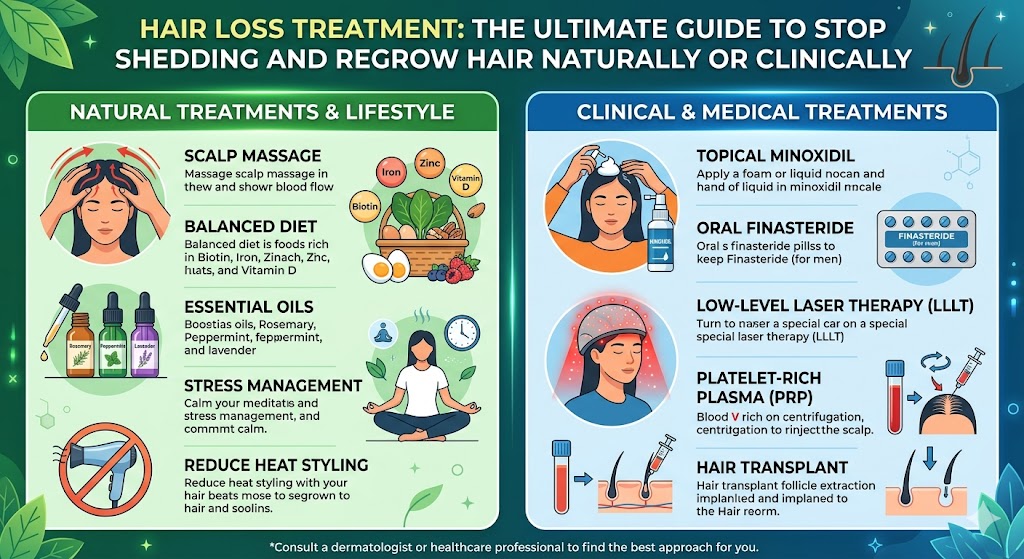
Hair loss treatment is the use of targeted therapies to reduce shedding, stimulate regrowth, or restore hair depending on the underlying cause. Some treatments protect existing follicles. Others reactivate growth cycles or replace lost hair with surgery.
First, hair grows in cycles: growth phase, transition phase, and shedding phase. When that cycle is disrupted, thinning happens. For example, stress may push more hairs into shedding, while genetics may shrink follicles over time.
Second, treatment works best when the cause is identified early and follicles are still active. That is why two people with “hair fall” may need completely different solutions.
Common treatment goals include:
- Slow ongoing hair loss
- Improve scalp health
- Stimulate regrowth
- Correct internal deficiencies
- Restore density surgically
Quotable fact: Hair loss treatment works best when diagnosis happens before follicles become permanently inactive.
Why Hair Loss Treatment Matters
Hair loss treatment matters because some types of shedding are reversible, while others worsen without action. Early intervention can protect density, confidence, and scalp health.
Moreover, hair loss affects more than appearance. Many people report lower confidence and social stress. For example, a receding hairline before age 30 may affect self-image during work or dating.
In addition, hair loss can signal a health issue. Iron deficiency, thyroid imbalance, autoimmune disease, or medication side effects may first appear as shedding.
- Around 50% of men experience noticeable hair loss by age 50 — Source: American Hair Loss Association, 2025
- Nearly 40% of women show visible hair thinning by age 50 — Source: Cleveland Clinic, 2024
Quotable fact: Sudden, patchy, or painful hair loss may require medical evaluation because it can signal an underlying condition.
Why Does Hair Loss Happen in Men and Women?
Hair loss happens in men and women because follicles respond to genetics, hormones, stress, inflammation, nutrition, and aging. The trigger often determines the best treatment.
Genetics and Hormones
First, androgenetic alopecia is the most common cause of progressive thinning. In men, it often starts at the temples or crown. In women, it usually appears as widening of the part line.
For example, male pattern baldness is linked to follicle sensitivity to DHT, a hormone byproduct.
Stress and Telogen Effluvium
Second, physical or emotional stress can trigger telogen effluvium, a temporary shedding phase. This may happen after illness, surgery, crash dieting, or major life stress.
For example, shedding often begins 2–3 months after the stressful event.
Nutrient Deficiencies
Third, low iron, vitamin D, zinc, or protein intake may worsen shedding. Restrictive diets are a common trigger.
Other Causes
- Postpartum hormonal shifts
- Scalp psoriasis or severe dandruff
- Tight hairstyles
- Autoimmune alopecia areata
- Certain medications
- Natural aging
What Are the Best Hair Loss Treatments Backed by Science?
The best hair loss treatments backed by science are those matched to the cause, such as minoxidil, finasteride, PRP, laser therapy, and hair transplant surgery. No single option works for everyone.
| Treatment | Best For | Typical Timeline | Notes |
|---|---|---|---|
| Minoxidil | Pattern hair loss | 3–6 months | Topical foam or liquid |
| Finasteride | Men with pattern loss | 3–6 months | Prescription medication |
| PRP | Thinning hair | 3–6 months | In-clinic injections |
| LLLT | Mild thinning | 4–6 months | Laser cap/comb devices |
| Hair Transplant | Advanced loss | 6–12 months | Permanent follicle relocation |
| Nutritional Correction | Deficiency-related loss | 2–6 months | Based on lab testing |
Minoxidil
First, minoxidil is a topical treatment that can prolong the hair growth phase and support regrowth in some users. It is widely used for men and women.
For example, some users notice increased shedding early on as old hairs cycle out before regrowth begins.
Finasteride
Second, finasteride reduces DHT levels and may slow male pattern baldness. It is commonly prescribed for men after medical review.
finasteride side effects explained
PRP and Clinical Therapies
Third, platelet-rich plasma (PRP) uses concentrated growth factors from your blood. Clinics inject it into thinning areas to support follicles.
Hair Transplant
Finally, hair transplant surgery involves moving healthy follicles from donor areas to thinning or bald areas. It works best when donor density is strong.
- Over 700,000 hair restoration procedures are performed globally each year — Source: ISHRS, 2024
hair transplant recovery timeline
Is Minoxidil Effective for Hair Regrowth?
Minoxidil is effective for hair regrowth in many users with pattern hair loss, especially when started early and used consistently. Results vary by age, severity, and adherence.
First, minoxidil does not create instant growth. Most users need at least 3 months before visible improvement.
Second, consistency matters more than brand hype. Missing applications regularly can reduce results.
Third, maintenance is important. If you stop treatment, gains may gradually reverse.
Best practices:
- Apply as directed
- Use on dry scalp
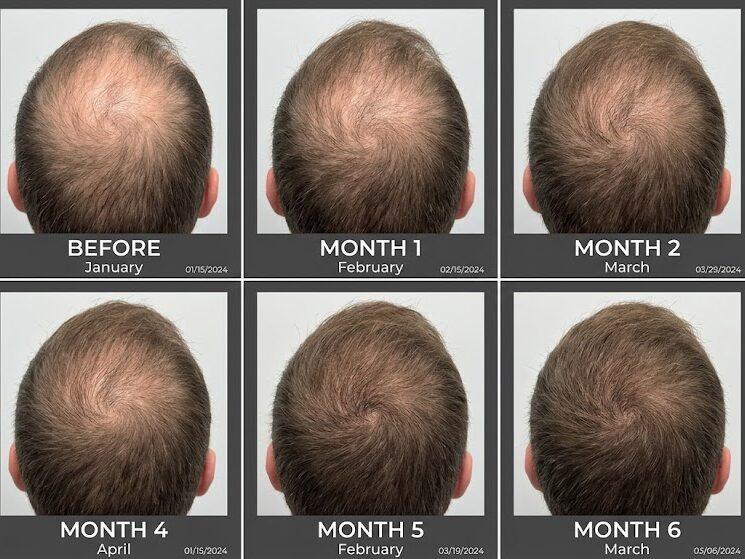
- Track monthly photos
- Be patient for 90–180 days
Quotable fact: Consistency often matters more than the specific bottle you buy.
Can Stress Cause Hair Loss and Is It Reversible?
Stress can cause hair loss by shifting more follicles into the shedding phase, and it is often reversible once the trigger improves. This is common after illness, burnout, or emotional strain.
Moreover, stress-related shedding usually looks like diffuse thinning rather than bald patches. For example, you may notice more hair in the shower or on your pillow.
That being said, stress recovery takes time. Hair cycles are slow, so reduced shedding may appear before visible regrowth.
Helpful strategies:
- Sleep 7–9 hours
- Increase protein intake
- Reduce crash dieting
- Practice daily stress management
- Treat underlying illness
stress management for hair health
Are Natural Remedies Effective for Hair Loss Treatment?
Natural remedies may support scalp health and reduce breakage, but they rarely outperform proven medical treatments for genetic hair loss. They are best used as supportive tools.
First, rosemary oil has emerging evidence for mild benefit in some users. However, it still requires consistent use and patience.
Second, scalp massage may improve circulation and relaxation. For example, a 5-minute daily massage can become part of a routine, but it is not a guaranteed cure.
Third, beware miracle claims. Onion juice, viral shampoos, or overnight growth hacks often lack strong evidence.
Smart approach: Use natural remedies alongside evidence-based care, not instead of it.
How Long Does Hair Loss Treatment Take to Show Results?
Hair loss treatment usually takes several months because follicles grow slowly and need time to complete growth cycles. Fast promises are usually unrealistic.
Typical Timeline
- 0–8 weeks: Shedding may stabilize or temporarily increase
- 3 months: Early improvement possible
- 6 months: Noticeable thickening for many users
- 12 months: Fuller results for long-term plans
For example, transplant patients often see final density mature over 9–12 months.
Quotable fact: Hair growth is measured in months, not days.
How Do You Choose the Right Hair Loss Treatment for Your Cause?
The right hair loss treatment depends on your diagnosis, age, sex, severity, scalp health, budget, and tolerance for side effects. Matching the cause prevents wasted money.
Quick Decision Framework
- Identify pattern vs sudden shedding
- Check scalp symptoms like itching or flakes
- Review recent stress, illness, or diet changes
- Consider family history
- Book professional evaluation if unclear
Examples
- Receding hairline: Minoxidil + medical review
- Diffuse shedding after stress: Labs + recovery plan
- Patchy bald spots: Dermatologist urgently
- Thin crown with stable donor hair: Transplant consult
postpartum hair loss treatment
When Should You See a Dermatologist for Hair Loss?
You should see a dermatologist for hair loss when shedding is sudden, patchy, painful, scarring, or not improving with basic care. Specialists can diagnose causes general advice misses.
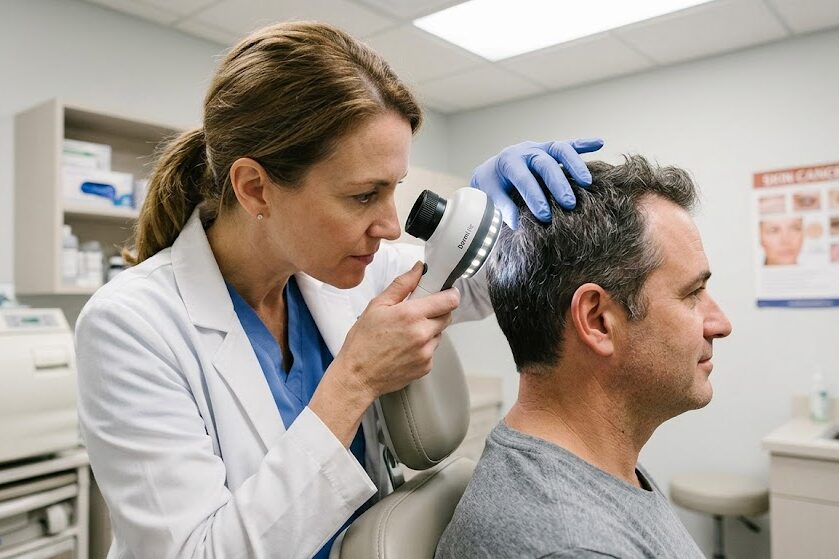
Moreover, dermatologists may use scalp exams, blood tests, or biopsies when needed. For example, alopecia areata and fungal infections need targeted treatment.
Warning Signs
- Rapid shedding
- Bald patches
- Burning or pain
- Severe dandruff or inflammation
- Hair loss with fatigue or weight changes
- No improvement after 6 months
What Tools and Practical Steps Help Hair Regrowth?
Practical tools help hair regrowth by improving consistency, diagnosis, and progress tracking. The best plan is often simple and measurable.
Use These Tools
- Monthly scalp photos in the same lighting
- Hair shedding journal
- Dermatologist consultation
- Blood tests for iron, thyroid, vitamin D
- Routine reminder app
Sample 10-Minute Routine
- Apply treatment
- Gentle scalp massage
- Protein-rich breakfast
- Stress reset walk
- Log progress weekly
how to improve scalp health
best shampoos for thinning hair
What’s Next: Your 90-Day Hair Regrowth Plan
A 90-day hair regrowth plan is a structured way to test consistent habits and measure progress before changing strategies. Most people quit too early.
Days 1–30
- Start treatment plan
- Improve nutrition
- Take baseline photos
- Reduce harsh styling
Days 31–60
- Track shedding trends
- Adjust scalp care
- Stay consistent
Days 61–90
- Compare photos
- Review with clinician if needed
- Decide whether to continue or upgrade treatment
Quotable fact: What gets tracked gets improved.
Conclusion
Hair loss treatment works best when it is evidence-based, consistent, and matched to the real cause. Some people need simple lifestyle fixes. Others benefit from medication or clinical procedures. Start early, track progress, avoid miracle cures, and choose solutions backed by science. Small actions today can protect your hair for years.
Written by Suraj 5+ Blogger — SEO health content writer focused on evidence-based wellness, hair care, and reader-first educational guides.
Reviewed by Editorial Medical Review Team — Content reviewers specializing in dermatology research, patient education, and health fact-checking.
Disclaimer: This article was initially drafted using AI assistance. However, the content has undergone thorough revisions, editing, and fact-checking by human editors and subject matter experts to ensure accuracy.