
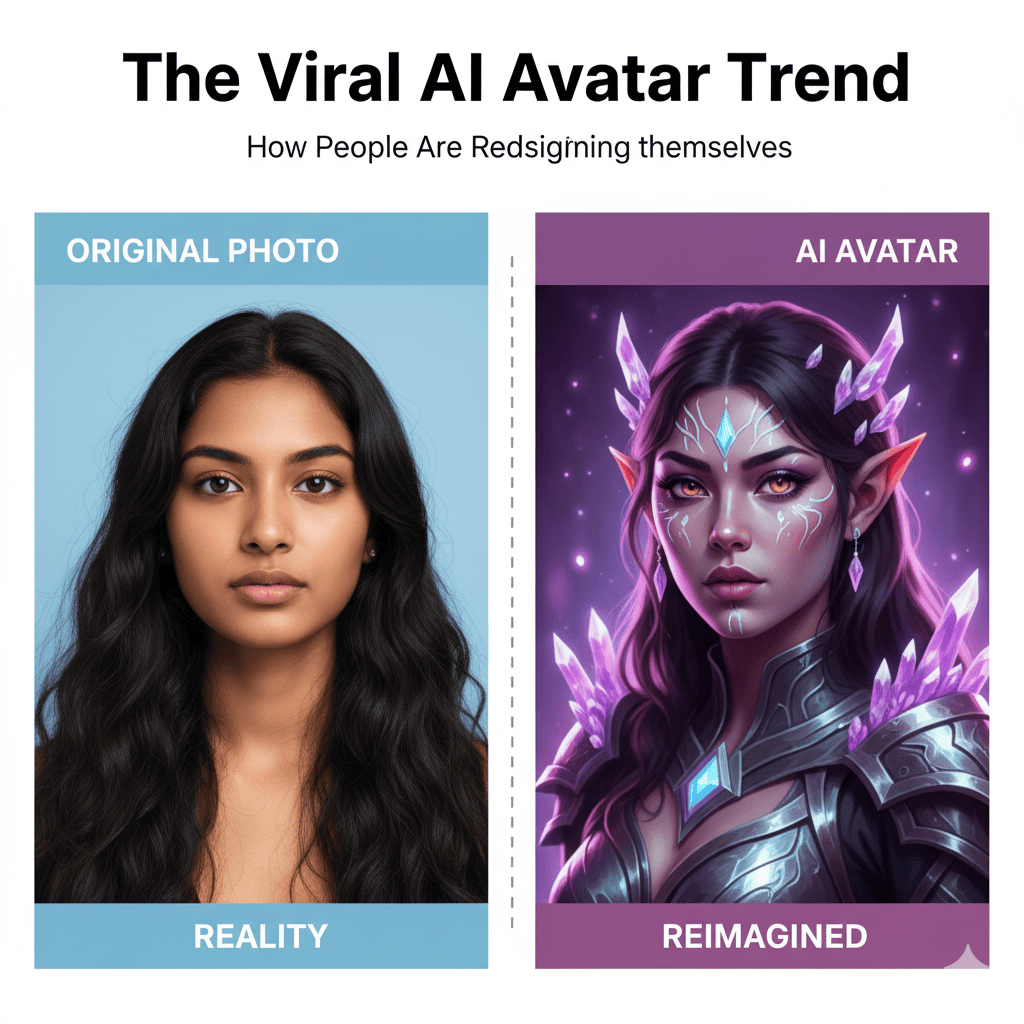
Social media has witnessed countless trends, but few have captured the collective imagination quite like the Viral AI Avatar Trend. Across Instagram, TikTok, Twitter, and LinkedIn, millions of users are transforming their selfies into stunning AI-generated avatars that reimagine them as everything from Renaissance paintings to anime characters, cyberpunk warriors to Disney princesses.
This phenomenon isn’t just about aesthetics—it’s reshaping how we think about digital identity, self-expression, and the intersection of art and technology. The Viral AI Avatar Trend has sparked conversations about creativity, representation, ethics, and the future of personal branding in the digital age.
In this comprehensive guide, we’ll explore everything about this cultural moment: what’s driving it, how to participate, the technology behind it, and what it means for the future of online identity.
What Is the Viral AI Avatar Trend?
The Viral AI Avatar Trend refers to the widespread phenomenon of people using artificial intelligence tools to create stylized, artistic versions of themselves. Unlike simple filters or photo editing, these AI systems generate completely new images based on uploaded photos, transforming users into artistic interpretations that maintain their likeness while adopting entirely different styles, eras, or aesthetics.
The Evolution of Digital Self-Representation
To understand the Viral AI Avatar Trend, it helps to see where we’ve been:
2010-2015: The Filter Era
- Instagram filters adding warmth or vintage effects
- Snapchat lenses with playful distortions
- Basic beautification tools
2016-2020: The Face-Swap Phase
- FaceApp aging and gender-swap filters
- Snapchat’s baby filter
- DeepFake technology emergence
2021-2022: AI Art Explosion
- DALL-E and Midjourney democratize AI art
- Text-to-image generation goes mainstream
- Artists experiment with AI collaboration
2023-Present: The Avatar Revolution
- Lensa AI’s Magic Avatars go viral
- Dedicated avatar apps multiply
- The Viral AI Avatar Trend becomes a cultural phenomenon
Why Avatars, Why Now?
Several factors converged to create this perfect storm:
Technological Maturity: AI models became sophisticated enough to create genuinely impressive, personalized results rather than generic outputs.
Accessibility: User-friendly apps made the technology available to everyone, not just tech enthusiasts or designers.
Social Validation: Early adopters’ stunning results created FOMO (fear of missing out), driving rapid adoption.
Identity Exploration: People craved new ways to express themselves online, especially after years of pandemic-induced screen time.
Visual Appeal: The results were simply too beautiful and shareable not to post.
1. The Technology Powering the Viral AI Avatar Trend
Stable Diffusion and Diffusion Models
At the heart of most avatar apps lies Stable Diffusion, an open-source AI model that revolutionized image generation. Here’s how it works:
Training Process: The AI learns from billions of images, understanding:
- What faces look like from different angles
- How various artistic styles are characterized
- The relationship between text descriptions and visual elements
- Patterns in lighting, composition, and aesthetics
Generation Process: When you upload your photos:
- The AI analyzes your facial features, structure, and characteristics
- It creates a “model” of your unique appearance
- It applies different artistic styles while maintaining your likeness
- It generates multiple variations, each unique
- It refines images to ensure quality and coherence
Fine-Tuning and Personalization
What makes the Viral AI Avatar Trend special is personalization:
Custom Model Training: Apps create a mini-model specifically for you:
- Requires 10-20 photos of your face
- Learns your unique features and expressions
- Takes 20-60 minutes to train
- Results in avatars that genuinely look like you
Style Transfer Technology: The AI doesn’t just apply filters; it reimagines you in different contexts:
- Analyzes the composition rules of each style
- Understands lighting and color theory for that aesthetic
- Maintains anatomical accuracy
- Preserves your identifying features
Neural Networks in Action
The Viral AI Avatar Trend uses multiple neural networks:
Face Recognition Network: Identifies and isolates your facial features Style Network: Understands and applies artistic styles Quality Network: Ensures outputs meet aesthetic standards Consistency Network: Maintains recognizable likeness across variations
2. Popular Platforms Driving the Viral AI Avatar Trend
Lensa AI: The Trend Catalyst
Lensa AI sparked the Viral AI Avatar Trend with its Magic Avatars feature:
Key Features:
- 50-200 unique avatars per generation
- Multiple style packs (fantasy, anime, sci-fi, artistic)
- Quick processing (30-60 minutes)
- High-quality, shareable results
Pricing:
- 50 avatars: $3.99
- 100 avatars: $5.99
- 200 avatars: $7.99
Why It Went Viral:
- First to market with polished, consumer-ready results
- Perfect timing during holiday season
- Celebrity adoption accelerated spread
- Stunning visual quality inspired widespread sharing
Remini AI: The Challenger
Remini entered the Viral AI Avatar Trend with competitive offerings:
Advantages:
- AI-enhanced photo restoration as bonus feature
- Slightly lower pricing
- Faster processing times
- More realistic style options
Popular Styles:
- Professional headshots
- Vintage photographs
- Oil painting aesthetics
- Modern fashion editorial
Dawn AI: The Artistic Option
Dawn AI targets users seeking more artistic interpretations:
Unique Selling Points:
- Emphasis on fine art styles
- Watercolor, impressionist, and abstract options
- More experimental and avant-garde results
- Appeals to art enthusiasts
Fotor and Alternatives
Several other platforms have joined the Viral AI Avatar Trend:
Fotor: Web-based with instant generation Picsart: Integration with broader editing tools Starryai: Free options with limited generations Photoleap: iOS-exclusive with unique styles
3. How to Create Your Own AI Avatars
Preparation: Taking the Right Photos
The quality of your avatars depends heavily on input photos:
Photo Quantity:
- Minimum: 10-15 photos
- Recommended: 15-20 photos
- Maximum: 25 photos (more isn’t always better)
Photo Variety Requirements:
Angles:
- Front-facing: 40%
- Three-quarter view: 30%
- Profile: 20%
- Unusual angles: 10%
Expressions:
- Neutral: 30%
- Smiling: 40%
- Serious/Pensive: 20%
- Other emotions: 10%
Backgrounds:
- Plain backgrounds: 50%
- Varied environments: 50%
- Avoid busy, distracting backgrounds
Lighting:
- Well-lit, clear photos
- Mix of natural and artificial light
- Avoid harsh shadows
- Include some backlit photos for variety
What to Avoid:
- ❌ Sunglasses (AI needs to see your eyes)
- ❌ Hats covering forehead and hairline
- ❌ Heavy filters or editing
- ❌ Group photos (confuses the AI)
- ❌ Extreme closeups or distant shots
- ❌ Blurry or low-resolution images
Step-by-Step Avatar Creation Process
Step 1: Choose Your Platform Research and select the app that best fits your style preferences and budget.
Step 2: Download and Set Up
- Install the chosen app
- Create an account
- Review privacy settings
- Check available style packs
Step 3: Upload Photos
- Select 10-20 varied photos
- Follow app’s specific guidelines
- Double-check photo quality
- Remove any unsuitable images
Step 4: Select Styles Most apps offer style categories:
- Fantasy/Medieval
- Anime/Manga
- Realistic Portrait
- Sci-Fi/Cyberpunk
- Artistic (paintings, drawings)
- Professional
Step 5: Purchase and Process
- Select your package
- Complete payment
- Wait for processing (30-90 minutes typically)
- Receive notification when ready
Step 6: Review and Download
- Browse all generated avatars
- Download favorites
- Delete unwanted results
- Consider requesting regeneration if unsatisfied
Advanced Tips for Better Results
Photo Selection Strategy:
- Include photos from different time periods (within 1-2 years)
- Vary your clothing colors and styles
- Include both indoor and outdoor shots
- Have at least 2-3 photos showing teeth while smiling
Quality Over Quantity: Better to have 12 excellent photos than 20 mediocre ones.
Consistency Matters:
- Similar hair style/color across photos
- Current appearance (avoid old photos)
- Consistent facial hair status
- Similar weight/facial structure
4. Creative Ways People Are Using the Viral AI Avatar Trend
Professional Branding
The Viral AI Avatar Trend has found surprising professional applications:
LinkedIn Profiles:
- Artistic yet professional headshots
- Unique profile pictures that stand out
- Consistent personal brand across platforms
- Alternative to traditional corporate photos
Business Cards and Marketing:
- Memorable visual identity
- Cost-effective alternative to photoshoots
- Easily updatable brand imagery
- Conversation starter at networking events
Author Photos and Bios:
- Writers using avatar versions for book jackets
- Podcast hosts creating distinctive visual identity
- Bloggers establishing consistent brand
- Creative professionals showcasing tech-savviness
Social Media Storytelling
Instagram Carousel Posts: Users create narrative sequences showing themselves in different eras, styles, or scenarios—telling visual stories through AI-generated avatars.
TikTok Transformations: Videos showing the AI generation process and revealing final results have garnered millions of views.
Twitter Profile Updates: The Viral AI Avatar Trend sparked mass profile picture updates, with users showcasing favorite avatar styles.
Gaming and Virtual Worlds
Character Creation:
- Using avatars as inspiration for game characters
- Creating consistent identity across multiple games
- Designing D&D or RPG character portraits
- Visualizing fictional personas
Virtual Reality:
- Preparing for metaverse identity
- Creating VR-ready avatar versions
- Experimenting with digital self-representation
- Building virtual world personas
Artistic Expression
Portfolio Pieces: Artists and creatives incorporate AI avatars into broader artistic projects:
- Mixed media artworks
- Digital collages
- Animation and motion graphics
- Conceptual photography projects
Identity Exploration: The Viral AI Avatar Trend enables people to:
- Visualize themselves in different cultural contexts
- Explore gender expression safely
- Imagine alternative life paths
- Process identity questions through art
Gift-Giving Innovation
Personalized Presents:
- Printing avatars on mugs, shirts, or posters
- Creating custom phone cases
- Designing unique birthday cards
- Making personalized calendars
5. The Psychology Behind the Viral AI Avatar Trend
Digital Identity and Self-Perception
The Viral AI Avatar Trend taps into fundamental psychological needs:
Self-Idealization: Avatars often represent our idealized selves—how we wish to be seen or how we see ourselves internally rather than externally.
Identity Fluidity: The trend allows experimentation with different personas without commitment or judgment.
Social Validation: Posting AI avatars and receiving positive feedback fulfills our need for social approval and acceptance.
Creative Expression: The technology democratizes artistic self-expression, allowing everyone to create “art” of themselves.
The Narcissism Question
Critics sometimes label the Viral AI Avatar Trend as narcissistic, but psychologists offer more nuanced perspectives:
Healthy Self-Focus:
- Exploring identity is developmentally normal
- Visual self-representation aids self-understanding
- Creative play with appearance is psychologically beneficial
Community Connection:
- Sharing avatars creates conversations
- Comparing results builds social bonds
- Participating shows cultural awareness
Artistic Appreciation:
- Interest in how AI interprets us reflects curiosity
- Aesthetic appreciation isn’t inherently self-centered
- Technology exploration is intellectually engaging
FOMO and Social Pressure
The viral nature creates pressure dynamics:
Positive Motivations:
- Desire to participate in cultural moments
- Genuine curiosity about results
- Creative excitement
Problematic Pressures:
- Feeling obligated to participate
- Comparing results unfavorably
- Overspending to get “perfect” avatars
6. Ethical Considerations and Controversies
Artist Compensation and Copyright
The Viral AI Avatar Trend ignited debates about AI training and artist rights:
The Core Issue: AI models trained on millions of artworks, often without artist permission or compensation.
Artist Perspectives:
- Many feel their styles are being copied without credit
- Concerns about AI devaluing human artistic labor
- Questions about whether training constitutes copyright infringement
- Fears about economic impact on working artists
Platform Responses:
- Some apps now partner with artists
- Compensation models being developed
- “Ethical AI” alternatives emerging
- Transparency about training data improving
Bias and Representation
AI systems reflect biases in training data:
Documented Issues:
- Better results for lighter skin tones
- Eurocentric beauty standards emphasized
- Limited understanding of diverse facial features
- Gender assumptions and stereotyping
Problematic Outcomes: Users reported avatars that:
- Lightened their skin tone
- Altered ethnic features
- Sexualized female avatars inappropriately
- Failed to recognize non-binary presentations
Industry Response: The Viral AI Avatar Trend forced conversations about:
- Diverse training datasets
- Bias testing and mitigation
- Cultural sensitivity in AI development
- Inclusive representation standards
Privacy and Data Security
Uploading personal photos raises legitimate concerns:
What Apps Collect:
- Facial photographs
- Biometric facial data
- Email and payment information
- Usage patterns
How Data Is Used:
- Training and improving AI models
- Generating your specific avatars
- Potentially shared with third parties
- Stored on company servers
Protection Measures:
- Read privacy policies carefully
- Understand data retention policies
- Check for encryption standards
- Consider using dedicated email addresses
- Review third-party sharing practices
Deepfake Concerns
The Viral AI Avatar Trend shares technology with deepfakes:
Potential Misuse:
- Creating false identities
- Generating misleading content
- Identity theft possibilities
- Non-consensual image manipulation
Safeguards Needed:
- Watermarking AI-generated images
- Clear disclosure requirements
- Platform accountability
- User education about risks
7. The Business Behind the Viral AI Avatar Trend
Revenue Models
The Viral AI Avatar Trend created a lucrative market:
Direct Sales:
- Per-generation pricing ($3-10)
- Subscription models ($10-30/month)
- Premium style packs
- Additional features and editing tools
Market Size:
- Lensa AI earned estimated $8+ million in first week
- Millions of downloads across platforms
- Sustained revenue beyond initial viral moment
Competitive Landscape
The success sparked intense competition:
Established Players:
- Adobe integrating AI features
- Google and Microsoft exploring avatar tech
- Meta developing metaverse avatars
Startups:
- Dozens of new apps launched
- Specialized niche solutions
- Regional market variations
Investment and Valuation
The Viral AI Avatar Trend attracted significant investment:
Venture Capital Interest:
- AI avatar startups raising millions
- Generative AI seen as major opportunity
- Valuations reflecting market enthusiasm
Sustainability Questions:
- Can demand sustain beyond trend?
- Path to long-term business models
- Integration into broader platforms
8. Cultural Impact and Social Phenomena
Celebrity Participation
High-profile adoption accelerated the Viral AI Avatar Trend:
Notable Participants:
- Actors sharing fantasy-themed avatars
- Musicians creating album artwork
- Athletes posting stylized portraits
- Influencers generating massive engagement
Impact:
- Legitimized the trend
- Expanded reach beyond tech-early adopters
- Created aspirational content
- Drove mainstream adoption
Memes and Humor
The trend spawned countless memes:
Common Themes:
- Expectation vs. reality comparisons
- Dramatic transformations
- Unflattering or bizarre results
- Celebrity lookalike discoveries
Cultural Commentary: Memes reflected on:
- Our relationship with technology
- Vanity and self-perception
- AI capabilities and limitations
- Social media culture
Global Variations
The Viral AI Avatar Trend manifested differently worldwide:
Regional Preferences:
- East Asian markets favored anime styles
- European users preferred artistic/classical
- North American users embraced fantasy themes
- Latin American users popular with vibrant, colorful styles
Cultural Sensitivity: Different regions raised unique concerns:
- Privacy emphasis varied by culture
- Religious considerations in some markets
- Political implications in certain countries
9. Creating Your Own AI Avatar Strategy
Finding Your Style
Experimentation Phase:
- Try multiple apps and styles
- Generate various aesthetic directions
- Share with trusted friends for feedback
- Identify what resonates with your identity
Consistency Considerations:
- Choose styles matching your personal brand
- Consider professional vs. personal contexts
- Maintain recognizability
- Update periodically to stay current
Strategic Posting
Platform-Specific Approaches:
Instagram:
- High-quality, aesthetically consistent avatars
- Carousel posts showing variety
- Behind-the-scenes content about the process
- Engaging captions about the experience
LinkedIn:
- Professional, tasteful avatar selections
- Commentary on AI technology
- Thought leadership about digital identity
- Balanced approach—not too casual
Twitter:
- Quick adoption of trending avatars
- Humorous takes on results
- Engaging in trend conversations
- Profile picture updates
TikTok:
- Process videos showing transformation
- Before/after reveals
- Trend participation with unique twist
- Sound and music integration
Long-Term Use
Beyond the Trend:
- Select timeless styles that age well
- Use for consistent online presence
- Update annually or bi-annually
- Archive favorites for nostalgia
Professional Applications:
- Website headshots
- Email signatures
- Presentation slides
- Marketing materials
10. The Future of AI Avatars and Digital Identity
Technological Advancements Coming
Next-Generation Features:
3D Avatar Generation:
- Full-body, rotating 3D models
- VR/AR-ready formats
- Customizable poses and expressions
- Real-time animation
Video Avatars:
- Talking avatar videos
- Expression and gesture replication
- Voice synthesis integration
- Interactive avatar experiences
Real-Time Avatars:
- Live video filters using avatar styles
- Video call avatar replacements
- Gaming integration
- Streaming applications
The Metaverse Connection
The Viral AI Avatar Trend previews metaverse identity:
Persistent Digital Identity:
- Consistent avatar across platforms
- Portable digital representations
- Blockchain-verified ownership
- Cross-platform compatibility
Economic Implications:
- Digital fashion for avatars
- Avatar accessories marketplace
- Identity-as-a-service models
- Virtual representation economy
Regulatory Landscape
Governments and organizations developing guidelines:
Potential Regulations:
- AI-generated content disclosure requirements
- Biometric data protection laws
- Copyright and intellectual property frameworks
- Deepfake prevention legislation
Industry Self-Regulation:
- Ethical AI development standards
- Transparency initiatives
- User protection protocols
- Artist compensation frameworks
Societal Shifts
The Viral AI Avatar Trend signals broader changes:
Digital vs. Physical Identity:
- Growing comfort with digital representations
- Blurring boundaries between “real” and “virtual”
- New norms for online authenticity
- Evolution of personal branding
Democratization of Creativity:
- Everyone can create artistic self-representations
- Technology lowering barriers to creative expression
- New forms of digital art emerging
- Redefinition of artistic skill and value
11. Practical Tips for Maximizing Your Avatar Experience
Getting the Best Results
Photo Quality Checklist:
- ✓ High resolution (minimum 1080p)
- ✓ Good lighting, minimal shadows
- ✓ Clear, sharp focus
- ✓ Variety of angles and expressions
- ✓ Clean backgrounds
- ✓ Recent photos (within 2 years)
- ✓ No heavy filters or editing
- ✓ Face clearly visible
- ✓ Consistent appearance across photos
Style Selection Guide:
For Professional Use:
- Realistic portrait styles
- Subtle artistic enhancement
- Conservative color palettes
- Professional attire versions
For Personal Social Media:
- Fantasy or artistic styles
- Bold, eye-catching aesthetics
- Variety of themes
- Playful or dramatic options
For Creative Projects:
- Experimental styles
- Multiple contrasting themes
- Unusual color schemes
- Avant-garde interpretations
Troubleshooting Common Issues
Poor Likeness:
- Upload more varied photos
- Ensure photos show face clearly
- Include close-up and mid-range shots
- Check lighting quality
Unwanted Features:
- Adjust photo selection
- Remove photos with accessories
- Ensure consistent facial features across photos
- Try different style packs
Low Quality Results:
- Upgrade to higher resolution photo uploads
- Try premium generation options
- Switch to different platform
- Regenerate with adjusted settings
Editing and Enhancement
Post-Generation Improvements:
- Minor color correction
- Cropping for composition
- Brightness/contrast adjustments
- Background refinement
What to Avoid:
- Over-editing that defeats the AI aesthetic
- Filters that clash with AI style
- Excessive manipulation
- Combining incompatible editing styles
12. Making Informed Decisions About Participation
Should You Join the Viral AI Avatar Trend?
Good Reasons to Participate:
- Genuine curiosity about AI capabilities
- Desire for creative self-expression
- Professional branding opportunities
- Fun social media content
- Artistic exploration
Valid Reasons to Skip:
- Privacy concerns
- Ethical objections to AI training
- Budget constraints
- Lack of interest in digital self-representation
- Contentment with current profiles
Alternatives to Commercial Apps
Open-Source Options:
- Stable Diffusion (self-hosted)
- DreamBooth training
- Free AI art generators
- Community-run services
DIY Approaches:
- Commission artists for custom avatars
- Learn digital art skills
- Use traditional photo editing
- Create illustrated self-portraits
Balancing Privacy and Participation
If You Decide to Participate:
Minimize Risk:
- Use reputable, established platforms
- Read privacy policies thoroughly
- Use unique email addresses
- Enable two-factor authentication
- Delete accounts after generation
- Request data deletion when possible
Limit Data Sharing:
- Upload minimum required photos
- Don’t include identifying information in filenames
- Avoid location data in photos
- Use VPN for additional privacy
- Pay through privacy-focused payment methods
Conclusion: The Lasting Impact of the Viral AI Avatar Trend
The Viral AI Avatar Trend represents far more than a fleeting social media moment. It’s a cultural inflection point that reveals our evolving relationship with artificial intelligence, digital identity, and self-expression in an increasingly virtual world.
This phenomenon has democratized artistic creation, allowing anyone with a smartphone to generate stunning, personalized artwork. It’s sparked essential conversations about AI ethics, artist rights, and data privacy. It’s given us a preview of how we might represent ourselves in future digital spaces, from the metaverse to virtual reality environments.
For some, participating in the Viral AI Avatar Trend was simply fun—a chance to see themselves reimagined through AI’s creative lens. For others, it was deeper: an exploration of identity, an experiment in self-perception, or a statement about embracing technology.
The trend also revealed important challenges: biases in AI systems, concerns about artist compensation, privacy implications, and questions about authenticity in digital spaces. These conversations will continue shaping how AI technology develops and integrates into our lives.
Whether you’ve already created your own AI avatars, are considering trying it, or prefer to observe from the sidelines, the Viral AI Avatar Trend offers valuable insights into our digital future. It shows us both the exciting possibilities and important responsibilities that come with powerful AI tools.
As technology continues evolving, the ways we represent ourselves online will keep changing. The Viral AI Avatar Trend won’t be the last time we collectively reimagine our digital identities—but it will be remembered as a pivotal moment when AI art became accessible, social, and deeply personal.
The question isn’t whether AI will continue transforming how we express ourselves online—it will. The real question is how we’ll navigate that transformation thoughtfully, ethically, and creatively. The Viral AI Avatar Trend has given us an opportunity to start answering that question together.
Also read this:
ColorOS 16 AI Face Brightening: The Feature Everyone Is Talking About
This Open-Source Tool Lets You Sync Bookmarks Across All Devices (Free & Secure)