
What is Skin Microbiome Health?
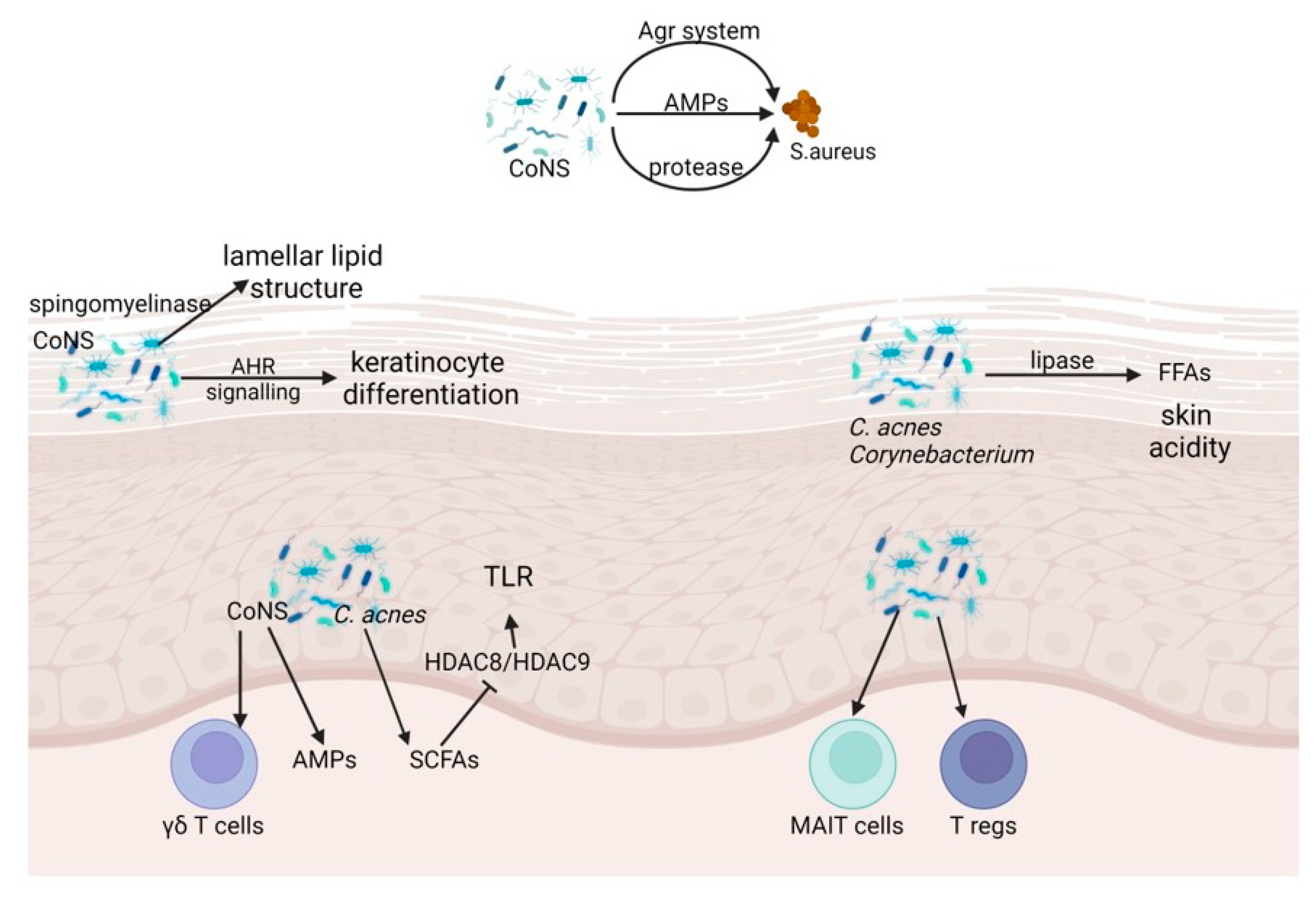
Skin Microbiome Health refers to the balance of trillions of microorganisms (good bacteria, fungi, and viruses) that live on your skin’s surface. These microbes form a protective barrier that helps defend against harmful pathogens, maintain skin hydration, and support overall skin function.
When Skin Microbiome Health is balanced, your skin appears clear, hydrated, and resilient. When disrupted, it can lead to acne, dryness, sensitivity, and inflammation.
Why Skin Microbiome Health is Trending in 2026
Skin Microbiome Health has become one of the biggest skincare trends in 2026 due to increasing awareness about gentle skincare and long-term skin protection.
Key Reasons:
- Shift from harsh chemicals to barrier-friendly products
- Rise of probiotic skincare
- Focus on long-term skin health over quick fixes
- Dermatology-backed research gaining popularity
Consumers are now prioritizing Skin Microbiome Health over aggressive treatments.
Signs Your Skin Microbiome is Damaged
Recognizing poor Skin Microbiome Health is essential.
Common Signs:
- Frequent breakouts
- Redness and irritation
- Dry or flaky skin
- Increased sensitivity
- Uneven skin tone
These issues often indicate an imbalance in Skin Microbiome Health.
Causes of Poor Skin Microbiome Health
Several factors can damage Skin Microbiome Health:
- Over-cleansing
- Harsh chemical products
- Pollution
- Poor diet
- Stress
- Antibiotics
15 Benefits of Maintaining Skin Microbiome Health
Improving Skin Microbiome Health can transform your skin.
Key Benefits:
- Stronger skin barrier
- Reduced acne and breakouts
- Better hydration
- Reduced sensitivity
- Balanced oil production
- Faster skin healing
- Reduced inflammation
- Improved skin texture
- Protection against pollutants
- Brighter complexion
- Anti-aging support
- Less redness
- Better product absorption
- Healthier glow
- Long-term skin stability
Best Ingredients for Skin Microbiome Health
To support Skin Microbiome Health, look for:
1. Probiotics
Help introduce good bacteria.
2. Prebiotics
Feed beneficial microbes.
3. Ceramides
Strengthen the skin barrier.
4. Niacinamide
Reduces inflammation and supports balance.
5. Hyaluronic Acid
Maintains hydration levels.
Skincare Routine for Skin Microbiome Health
Follow this routine to improve Skin Microbiome Health:
Morning Routine:
- Gentle cleanser
- Hydrating toner
- Probiotic serum
- Moisturizer
- Sunscreen
Night Routine:
- Mild cleanser
- Treatment serum
- Barrier-repair moisturizer
Foods That Support Skin Microbiome Health
Internal health also affects Skin Microbiome Health.
Include:
- Yogurt
- Kefir
- Fruits and vegetables
- Whole grains
- Nuts and seeds
Foods to Avoid for Better Skin Microbiome Health
- Processed foods
- Excess sugar
- Alcohol
- Artificial additives
These can negatively impact Skin Microbiome Health.
Common Mistakes That Damage Skin Microbiome Health
- Over-exfoliating
- Using too many products
- Frequent product switching
- Ignoring sunscreen
- Using harsh cleansers
How Long Does It Take to Improve Skin Microbiome Health?
Improvement in Skin Microbiome Health can take:
- 2–4 weeks for initial changes
- 6–8 weeks for visible results
- Consistent routine is key
Who Should Focus on Skin Microbiome Health?
- People with acne or sensitive skin
- Individuals with dry or damaged skin
- Those using active skincare ingredients
- Anyone wanting healthy, glowing skin
Precautions
- Avoid harsh chemicals
- Patch test new products
- Maintain consistency
- Do not overuse actives
Conclusion
Skin Microbiome Health is no longer just a trend—it’s the future of skincare in 2026. By focusing on maintaining a balanced skin ecosystem, you can achieve healthier, stronger, and more radiant skin naturally.
Instead of damaging your skin with aggressive treatments, prioritizing Skin Microbiome Health allows for long-term results, improved skin resilience, and a natural glow.
FAQ’s
What is Skin Microbiome Health?
It refers to the balance of good bacteria on the skin that protects and supports skin function.
Can I repair my skin microbiome?
Yes, with gentle skincare, proper diet, and consistent routine.
Are probiotics good for skin?
Yes, they help balance and improve Skin Microbiome Health.
Is this trend effective?
Yes, it is backed by dermatological research and growing in popularity.
Can over-cleansing damage skin microbiome?
Yes, it strips away beneficial bacteria and harms Skin Microbiome Health.
More Related Topics:
Histamine Intolerance Symptoms: Causes, Foods to Avoid & Complete Guide