
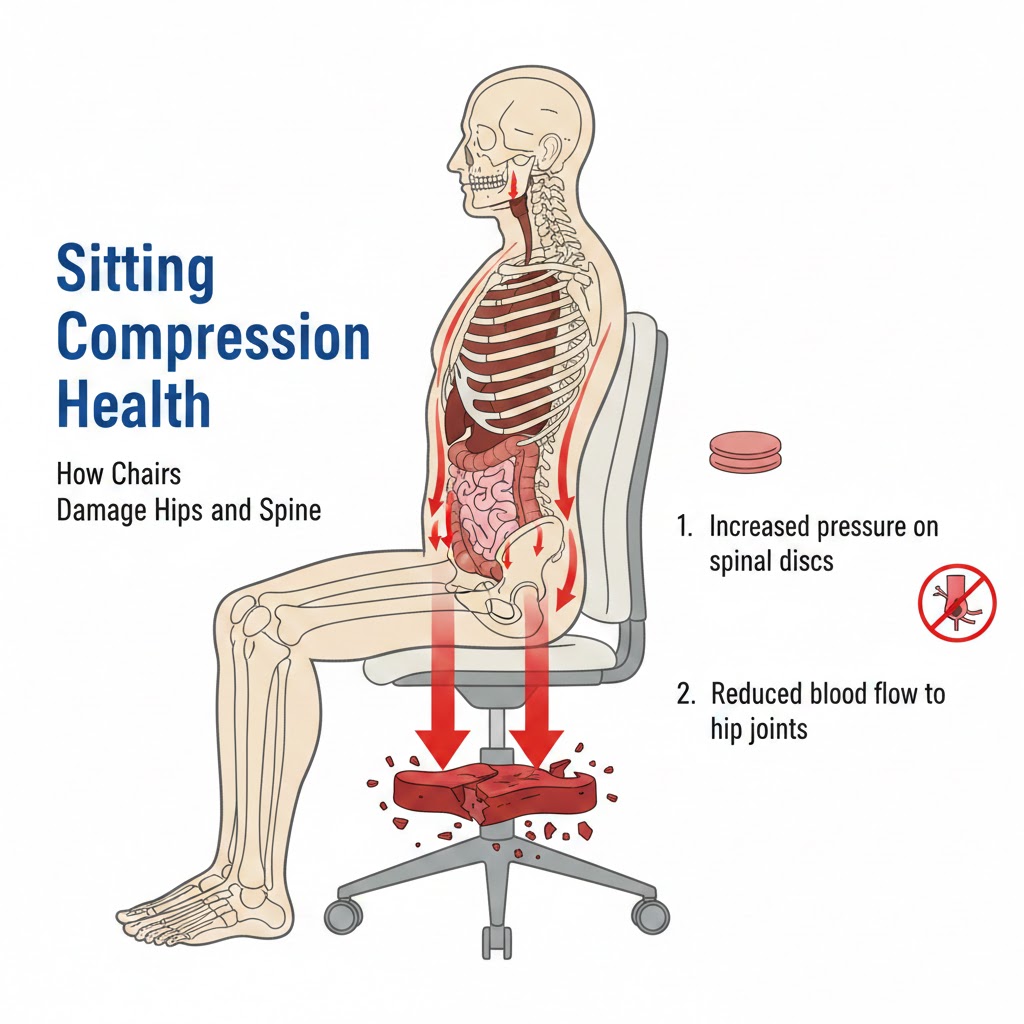
Sitting Compression Health Modern life has quietly trained the human body into a position it was never designed to hold for hours at a time—sitting. Office chairs, sofas, car seats, and dining chairs promise comfort, yet more people report hip tightness, lower back pain, and spinal stiffness than ever before.
This growing pattern is now being discussed as Sitting Compression Health—a way to understand how prolonged sitting compresses joints, restricts movement, and slowly degrades hip and spine function.
This isn’t about posture alone. It’s about constant mechanical compression and what it does to the body over time.
This article explains how chairs damage hips and spine, why the effects build silently, and why sitting compression health is becoming a major concern in modern lifestyles.
1. What Sitting Compression Health Actually Means
Sitting compression health refers to the physical stress created when the body remains folded and compressed for long periods.
1.1 What Happens When You Sit
- Hips stay flexed
- Spine stays loaded vertically
- Pelvis loses natural movement
- Muscles stop cycling between tension and relaxation
1.2 Why It’s a Health Issue
Compression limits circulation, joint lubrication, and tissue recovery—especially when repeated daily.
Sitting Compression Health focuses on duration and repetition, not just bad posture.
2. Why the Human Body Wasn’t Designed for Chairs
Chairs are a modern invention. Bodies are not.
2.1 Evolutionary Mismatch
- Humans evolved to squat, stand, walk, and sit briefly on the ground
- Long-duration sitting on elevated surfaces is recent
- Movement variety was constant, not optional
2.2 The Result
When movement disappears, compression becomes chronic—and the body adapts in unhealthy ways.
3. How Chairs Compress the Hips
Hip damage often begins before pain appears.
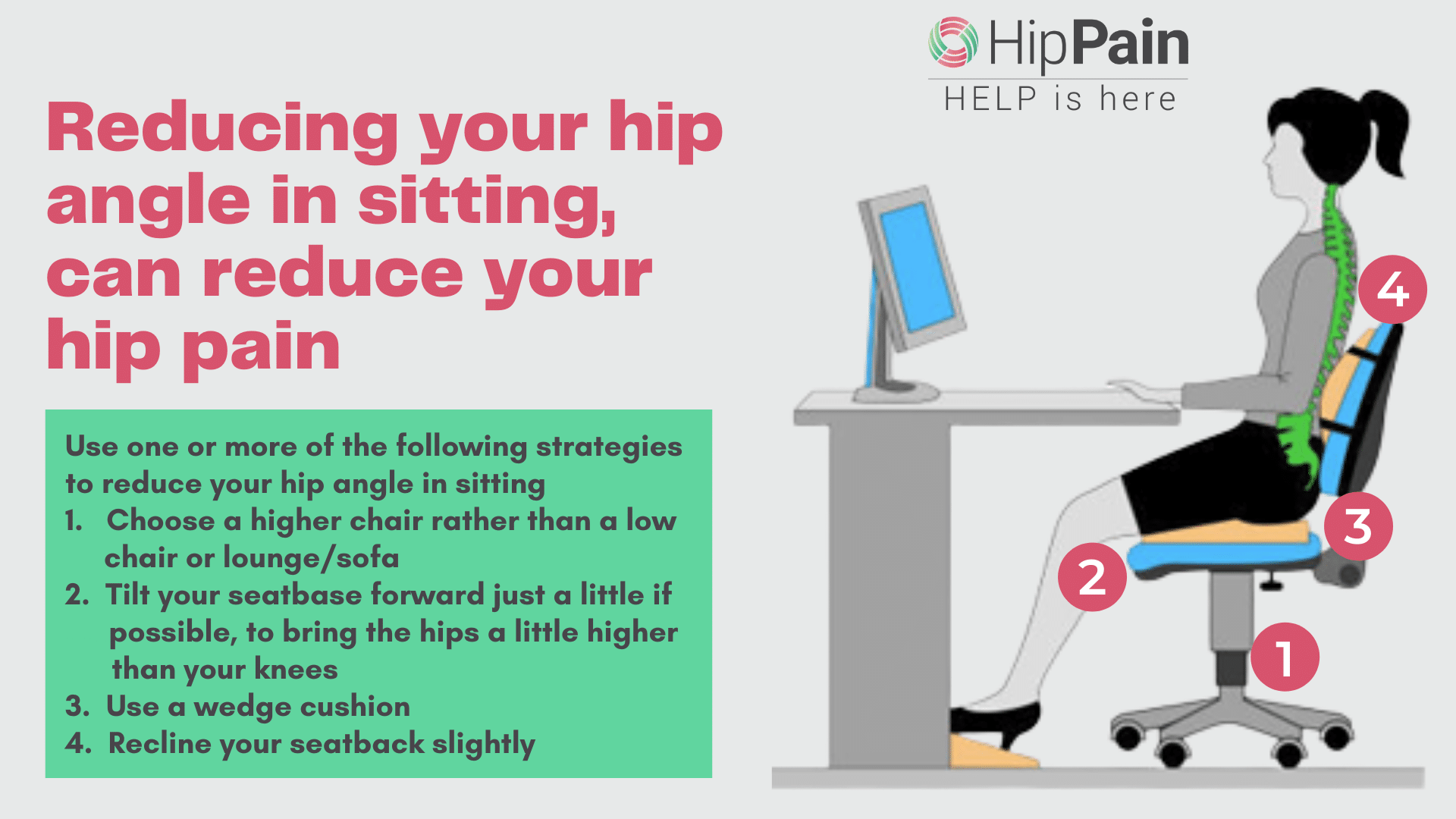
3.1 What Prolonged Sitting Does to Hips
- Hip flexors shorten and tighten
- Glute muscles deactivate
- Joint capsule movement decreases
3.2 Long-Term Effects
- Reduced hip extension when walking
- Lower back compensation
- Increased strain on knees and spine
This chain reaction is a core concern in Sitting Compression Health discussions.
4. Spinal Compression: The Hidden Load
Your spine doesn’t rest when you sit—it compresses.
4.1 Vertical Loading in Chairs
- Body weight presses downward through the spine
- Disc pressure increases, especially in the lower back
- Natural spinal curves flatten or exaggerate
4.2 Why This Matters
- Discs rely on movement to stay hydrated
- Compression without movement accelerates stiffness
- Micro-strain accumulates daily
Sitting feels passive, but the spine experiences constant mechanical stress.
5. Why “Good Posture” Isn’t Enough
Even perfect posture can’t cancel compression.
5.1 The Posture Myth
- Upright posture reduces strain—but doesn’t remove compression
- Static positions still restrict blood flow
- Muscles still remain inactive
5.2 Movement Is the Missing Variable
The issue isn’t how you sit—it’s how long you don’t move.
That’s why Sitting Compression Health emphasizes position duration, not posture perfection.
6. Compression Affects Nerves and Circulation Too
Pain isn’t the first symptom.
6.1 Circulatory Effects
- Reduced blood flow to hips and legs
- Slower nutrient delivery to tissues
- Increased stiffness on standing
6.2 Nerve Irritation
- Prolonged pressure near hip joints
- Sensations of numbness or tingling
- Delayed muscle activation when standing
These subtle signs often appear long before chronic pain.
7. Why Stiffness Hits Hard After Standing Up
The transition reveals the problem.
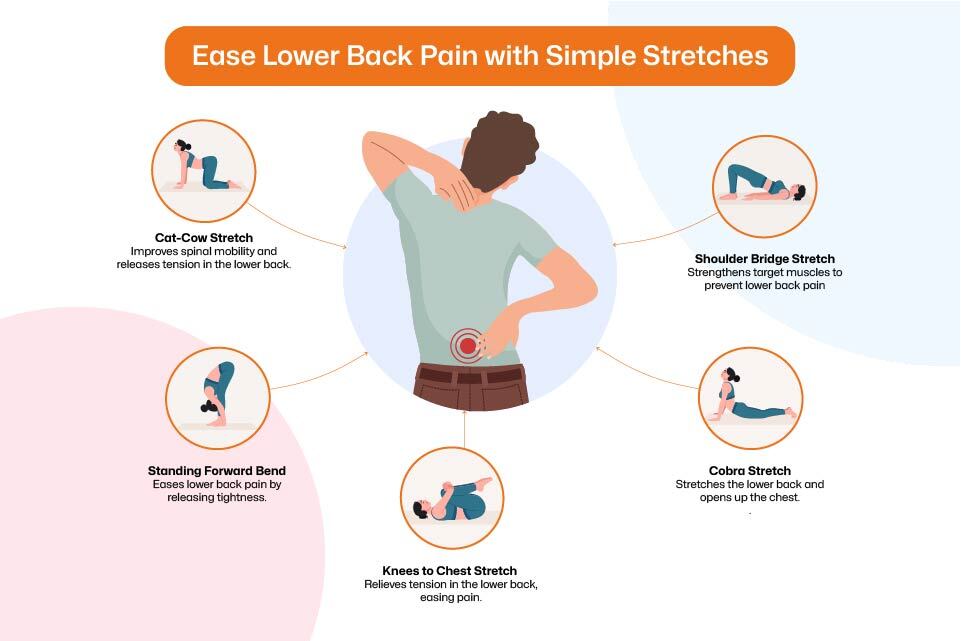
7.1 What Happens When You Stand
- Compressed joints suddenly unload
- Tight tissues resist movement
- Muscles scramble to re-engage
7.2 Why It Feels “Rusty”
That first step discomfort is often a compression release response, not weakness.
This is a classic sign of sitting compression health effects.
8. Sitting Compression Health and Metabolic Decline
The impact isn’t just mechanical.
8.1 Reduced Muscle Activity
- Lower glucose uptake
- Slower metabolism
- Less heat production
8.2 Why This Matters
- Muscles protect joints through movement
- Inactivity accelerates aging processes
- Compression plus inactivity compounds damage
This links sitting compression to broader health decline—not just pain.
9. Early Warning Signs People Ignore
Compression damage builds quietly.
9.1 Common Early Signals
- Hip tightness without injury
- Lower back stiffness after sitting
- Difficulty standing fully upright
- Shorter stride length
9.2 Why They’re Missed
- Pain fades after moving
- Sitting resumes quickly
- Symptoms feel “normal”
Sitting Compression Health is often only recognized when discomfort becomes persistent.
10. Why This Problem Is Growing Rapidly
Modern life makes compression unavoidable.
10.1 Lifestyle Drivers
- Desk jobs
- Long commutes
- Screen-based leisure
- Fewer natural movement breaks
10.2 The Core Issue
Bodies need frequent shape changes. Chairs lock the body into one shape for too long.
FAQs: Sitting Compression Health
Is sitting really that harmful?
Prolonged, uninterrupted sitting creates compression that the body struggles to recover from.
Does a better chair fix the problem?
Better chairs reduce strain, but they don’t remove compression entirely.
Is standing all day the solution?
No. Static standing creates its own problems. Variety of movement matters most.
How often should I break sitting?
Even brief movement every 30–45 minutes helps reduce compression effects.
Can young people be affected?
Yes. Compression damage accumulates regardless of age.
Final Thoughts
Chairs didn’t break our bodies overnight. They changed how we use them—slowly, quietly, and consistently. Sitting Compression Health gives language to what many people feel but can’t explain: stiffness, tightness, and discomfort without clear injury.
Your body isn’t weak.
It’s compressed.
And the solution isn’t extreme—it’s restoring movement, variety, and space back into daily life.
More Related Topics:
Morning Stiffness Health: Early Signs of Metabolic Aging
Screen-Induced Insomnia: Sleep Damage Caused by Scrolling
Comfort Deprivation Health: Why Easy Living Is Making Bodies Weak