
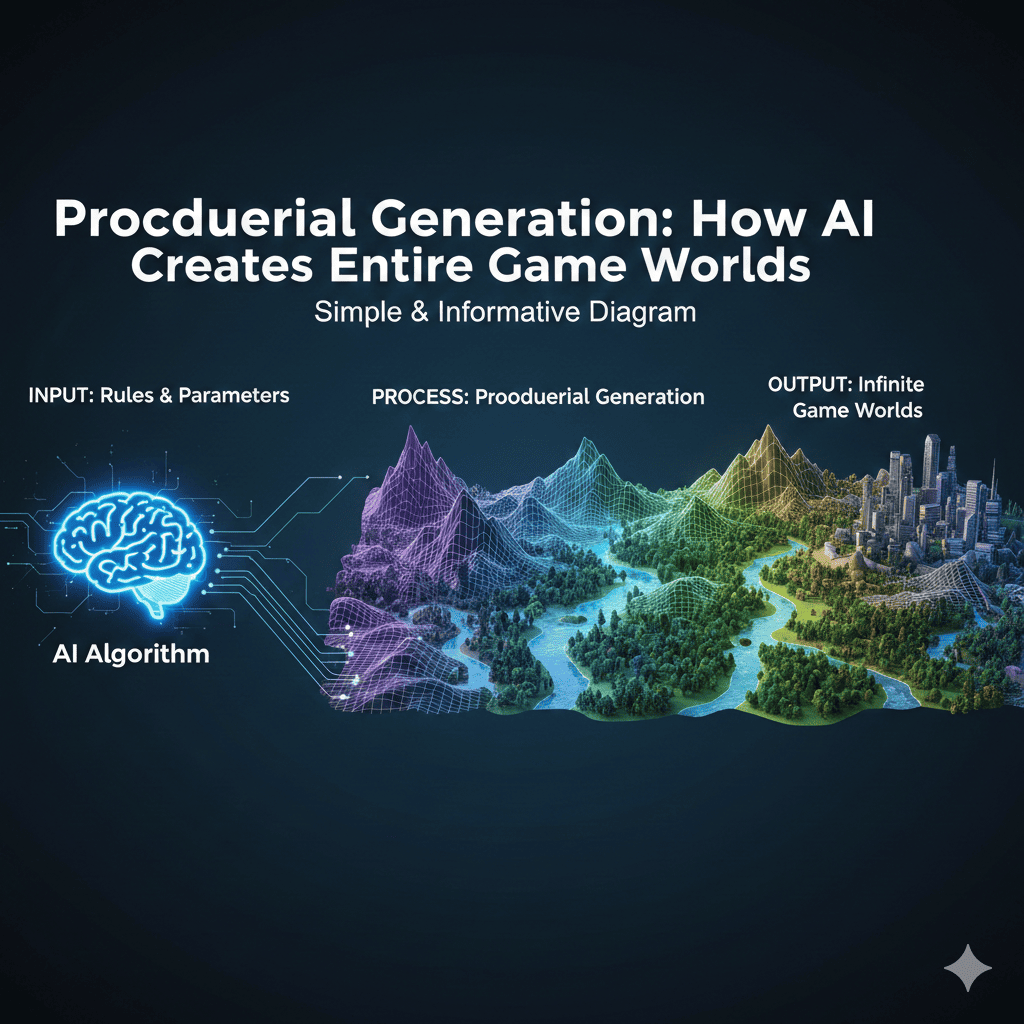
The gaming industry has witnessed a revolutionary transformation in how virtual worlds are created, thanks to the power of procedural generation. This sophisticated technology enables developers to create vast, intricate game environments that would be impossible to craft manually within reasonable time and budget constraints. From sprawling galaxies containing billions of planets to intricate dungeons that never repeat, procedural generation has become the cornerstone of modern game development, offering players unique experiences that adapt and evolve with each playthrough.
Understanding how procedural generation works reveals the fascinating intersection of creativity, mathematics, and artificial intelligence. These systems don’t just randomly throw elements together but use sophisticated algorithms to create coherent, engaging worlds that feel purposefully designed rather than chaotically assembled. The result is gaming experiences that can provide hundreds or even thousands of hours of fresh content without repetition.
What Is Procedural Generation in Gaming
Procedural generation refers to the algorithmic creation of game content through computational processes rather than manual design. Instead of artists and designers crafting every tree, building, or terrain feature individually, developers write rules and parameters that allow the game engine to generate these elements automatically. This approach combines randomness with carefully defined constraints to produce content that is both varied and coherent.
The technology relies on seed values, mathematical formulas, noise functions, and rule-based systems that determine how different elements combine, scale, and interact. The sophistication of modern procedural generation has evolved from simple random number generation to complex AI-driven systems that understand context, player progression, and narrative coherence.
1. Terrain and Landscape Generation
Heightmap-Based Terrain Creation
One of the most fundamental applications of procedural generation is creating realistic terrain and landscapes. Modern systems use heightmaps, which are grayscale images where brightness values represent elevation levels, combined with noise functions to create natural-looking topography.
Terrain generation techniques include:
- Perlin noise and Simplex noise for organic-looking elevation patterns
- Fractal algorithms creating realistic mountain ranges and valleys
- Erosion simulation mimicking water and wind weathering effects
- Tectonic plate simulation for geologically accurate formations
- Biome-appropriate terrain feature distribution
- Multi-octave noise layering for detail at various scales
- River and waterway pathfinding using erosion patterns
Biome Distribution and Ecosystem Placement
Procedural generation systems determine where different biomes appear based on factors like elevation, temperature, moisture, and latitude, creating believable ecological distribution.
Biome generation factors:
- Temperature gradients based on latitude and elevation
- Precipitation patterns affecting vegetation density
- Soil composition determining plant type compatibility
- Transitional zones blending between distinct biomes
- Microclimate variation within larger biome regions
- Seasonal variation affecting appearance and resources
- Climate-appropriate wildlife and resource spawning
Vegetation and Natural Feature Placement
Beyond terrain shape, systems populate landscapes with appropriate vegetation, rocks, water features, and other natural elements that make worlds feel alive.
Natural feature generation includes:
- Tree and plant species selection based on biome type
- Density variation creating forests, clearings, and grasslands
- Age and size variation for realistic ecosystem appearance
- Clustering patterns mimicking natural growth
- Landmark feature placement: distinctive rock formations, waterfalls
- Cave system generation with multiple entrance points
- Natural resource distribution for gameplay purposes
2. Architectural and Settlement Generation
Building and Structure Creation
Procedural generation extends beyond natural environments to create diverse architectural structures from simple homes to complex castles, each with functional layouts and aesthetic consistency.
Architectural generation features:
- Room layout generation following functional logic
- Architectural style consistency based on culture or era
- Structural integrity simulation ensuring buildings look stable
- Interior furnishing appropriate to building purpose
- Entrance and circulation path optimization
- Window and lighting placement for realistic architecture
- Damage and aging effects for abandoned structures
City and Town Layout Planning
Creating believable settlements requires procedural generation systems that understand urban planning principles, infrastructure needs, and organic growth patterns.
Urban generation elements include:
- Road network generation following terrain and connecting key points
- District zoning: residential, commercial, industrial areas
- Building density variation from urban core to outskirts
- Public space placement: parks, plazas, marketplaces
- Infrastructure integration: walls, aqueducts, bridges
- Landmark and monument strategic positioning
- Neighborhood character and architectural variation
Interior Space Design
Beyond exterior structures, procedural generation creates functional and interesting interior spaces with appropriate room connections, furniture placement, and detail.
Interior generation considerations:
- Room purpose determination and appropriate sizing
- Doorway and corridor logical placement for navigation
- Furniture and object placement following functional logic
- Lighting source distribution for visibility and atmosphere
- Decorative element selection matching setting and wealth level
- Secret room and hidden passage occasional generation
- Multi-floor building vertical circulation design
3. Dungeon and Level Design
Maze and Corridor Generation
Classic procedural generation applications include creating dungeons, caves, and maze-like structures that challenge players with navigation puzzles and combat encounters.
Dungeon generation algorithms:
- Binary space partitioning creating room divisions
- Cellular automata for organic cave systems
- Graph-based room connection ensuring accessibility
- Dead-end minimization or strategic placement
- Loop creation for multiple path navigation
- Difficulty progression through layout complexity
- Secret area generation with discovery mechanics
Enemy and Encounter Placement
Procedural generation systems place enemies, traps, and encounters strategically based on player progression, difficulty curves, and spatial considerations.
Encounter generation factors:
- Difficulty scaling based on player level and progression
- Enemy type variety within thematic consistency
- Ambush opportunity identification in layout
- Line of sight consideration for tactical placement
- Resource availability balanced with challenge level
- Boss encounter room special generation
- Patrol route generation for mobile enemies
Loot and Reward Distribution
Balancing reward placement ensures players feel adequately compensated for exploration and combat while maintaining appropriate power progression.
Loot generation parameters:
- Rarity distribution following logarithmic curves
- Item type appropriate to location and enemies
- Hidden treasure placement rewarding exploration
- Locked container generation with key placement logic
- Equipment stat randomization within balanced ranges
- Set item component strategic distribution
- Consumable availability matching anticipated challenge
4. Narrative and Quest Generation
Dynamic Quest Creation
Advanced procedural generation extends to narrative content, creating quests and missions that feel purposeful rather than generic fetch tasks.
Quest generation elements:
- Objective type variation: retrieval, elimination, escort, investigation
- NPC relationship and motivation generation
- Reward scaling appropriate to quest difficulty and length
- Location selection relevant to quest narrative
- Branching outcome possibilities based on player choices
- Failed quest consequence integration into world state
- Chain quest generation creating longer narrative arcs
Dialogue and Character Development
Procedural generation can create varied NPC personalities, dialogue, and backstories that make game worlds feel populated with unique individuals.
Character generation includes:
- Personality trait combination from established parameters
- Speech pattern and vocabulary selection matching character
- Background story generation explaining motivations
- Relationship web creation between NPCs
- Knowledge and rumor distribution among population
- Dynamic dialogue responses to world state changes
- Character schedule and routine generation
Event and Encounter Scripting
Systems generate random events and encounters that occur during exploration, adding unpredictability and replayability to game worlds.
Event generation features:
- Weather event triggering with gameplay effects
- Random merchant and traveling NPC encounters
- Bandit ambush and road hazard placement
- Wildlife migration and seasonal behavior patterns
- Festival and celebration schedule generation
- Disaster events affecting settlement states
- Player reputation-influenced encounter types
5. Visual Asset Generation and Variation
Texture and Material Synthesis
Procedural generation creates varied textures and materials, ensuring surfaces don’t appear repetitively tiled and maintain visual interest across large areas.
Texture generation techniques:
- Noise-based pattern generation for natural materials
- Wear and weathering simulation adding realism
- Color variation preventing monotonous appearance
- Detail level adjustment based on viewing distance
- Seamless tiling edge blending
- Normal map generation for surface detail
- Specular and roughness map procedural creation
Asset Variation and Kitbashing
Rather than manually creating thousands of unique objects, procedural generation combines modular components to create asset variety efficiently.
Asset variation methods:
- Modular component random combination
- Proportional scaling creating size variation
- Color and material palette application
- Damage and wear state variation
- Attachment point accessory addition
- Symmetry breaking for organic appearance
- Style consistency maintenance across variations
Animation and Movement Generation
Procedural animation systems create realistic movement and behavior without requiring manual animation for every possible scenario.
Procedural animation applications:
- Inverse kinematics for realistic foot placement on terrain
- Spine and limb adjustment to surface angles
- Procedural walking and running cycle variation
- Impact reaction and ragdoll physics
- Facial expression generation matching emotion
- Clothing and hair physics simulation
- Creature movement adapted to body configuration
6. Audio and Music Generation
Adaptive Soundtrack Creation
Procedural generation extends beyond visuals to create dynamic musical scores that respond to gameplay situations and environment characteristics.
Music generation features:
- Mood-appropriate instrument and melody selection
- Intensity scaling based on combat or tension
- Seamless transitions between musical themes
- Environmental audio characteristic incorporation
- Cultural musical style matching to location
- Leitmotif generation for recurring characters or locations
- Rhythmic pattern variation preventing repetition
Environmental Sound Design
Creating believable audio environments requires procedural generation of ambient sounds, creature calls, and environmental audio effects.
Environmental audio elements:
- Biome-appropriate ambient sound selection
- Distance-based audio attenuation and filtering
- Weather-related sound effect generation
- Time-of-day audio variation: dawn chorus, nighttime sounds
- Reverb and echo appropriate to space characteristics
- Creature vocalization variety within species
- Material-based footstep and interaction sound selection
Dialogue Voice Synthesis
Emerging procedural generation technology includes AI-driven voice synthesis creating varied dialogue delivery without extensive voice actor recording sessions.
Voice synthesis capabilities:
- Character personality-matched vocal characteristics
- Emotional state reflected in delivery
- Age and gender-appropriate voice generation
- Accent and dialect variation
- Dynamic emphasis based on context
- Lip-sync animation generation
- Dialogue pacing variation preventing monotony
7. Planetary and Space Generation
Planet and Celestial Body Creation
Space-based games use procedural generation to create entire planets, moons, asteroid fields, and star systems, each with unique characteristics.
Planetary generation elements:
- Orbital mechanics and celestial body positioning
- Atmospheric composition affecting appearance
- Surface feature generation at multiple detail levels
- Climate zone distribution based on axial tilt
- Geological composition determining resources
- Ring system generation for gas giants
- Satellite and moon orbital system creation
Flora and Fauna Generation
Alien ecosystems require procedural generation to create believable yet fantastical life forms adapted to their environments.
Creature generation features:
- Body plan generation with functional anatomy
- Limb and sensory organ logical placement
- Movement animation matching body configuration
- Texture and coloration environmental adaptation
- Size scaling based on planetary gravity
- Behavior pattern generation for ecosystem role
- Evolution simulation creating related species
Space Station and Facility Design
Procedural generation creates diverse space installations with functional layouts appropriate to their purposes.
Facility generation includes:
- Module-based construction with connecting corridors
- Life support system logical placement
- Docking bay configuration for ship sizes
- Interior layout matching station function
- Damage state variation for abandoned facilities
- Gravity and atmospheric zone designation
- Defense system and vulnerability point placement
8. Weather and Climate Systems
Dynamic Weather Pattern Generation
Procedural generation creates realistic weather systems that evolve over time, affecting gameplay and visual presentation.
Weather system features:
- Temperature and pressure system simulation
- Precipitation type based on temperature: rain, snow, hail
- Cloud formation and movement patterns
- Wind speed and direction affecting environment
- Storm system development and dissipation
- Seasonal weather pattern variation
- Microclimate effects in mountainous regions
Climate Impact on Environment
Generated weather doesn’t just provide visual variety but affects the game world in meaningful ways through procedural generation systems.
Climate effects include:
- Vegetation growth and seasonal appearance changes
- Water level fluctuation in rivers and lakes
- Soil moisture affecting traversability
- Temperature effects on character and equipment
- Visibility reduction during storms
- Ice formation on water surfaces
- Drought and flood environmental transformation
Celestial Events and Phenomena
Procedural generation creates astronomical events that provide spectacle and sometimes gameplay significance.
Celestial event generation:
- Aurora borealis based on planetary magnetic field
- Meteor shower timing and intensity
- Eclipse calculation for sun and moon positions
- Comet appearance and trajectory
- Stellar phenomena: supernovae, nebula visibility
- Multiple moon phase synchronization
- Day and night cycle variation by latitude
9. Resource and Economy Generation
Resource Distribution Mapping
Procedural generation determines where valuable resources appear in game worlds, creating exploration incentives and economic systems.
Resource generation factors:
- Geological formation determining mineral presence
- Rarity scaling based on gameplay balance needs
- Cluster and vein generation for mining gameplay
- Surface indicator placement hinting at subsurface resources
- Renewable resource respawn timing
- Resource depletion and regeneration systems
- Contested resource area generation
Economic System Simulation
Advanced procedural generation creates functioning economies with supply chains, price fluctuations, and trade routes.
Economic simulation elements:
- Production chain generation from raw materials to finished goods
- Supply and demand calculation affecting prices
- Trade route establishment between settlements
- Merchant inventory generation based on location and economy
- Economic prosperity affecting settlement development
- Resource scarcity creating conflict and opportunity
- Player economic impact on world markets
Crafting Recipe Generation
Some games use procedural generation to create discovery-based crafting systems where recipe combinations are partially randomized.
Crafting generation includes:
- Ingredient combination logic following rules
- Result quality variation based on components
- Rare recipe discovery through experimentation
- Cultural crafting tradition variation by region
- Tool and facility requirement generation
- Time and resource cost balancing
- Special effect and bonus attribute assignment
10. Player-Driven Content Generation
User-Defined Parameters
Modern procedural generation systems allow players to input preferences, constraints, and seed values that influence world generation according to their desires.
Player control options:
- Difficulty slider affecting resource abundance and enemy strength
- World size selection from compact to massive
- Biome frequency and distribution preferences
- Structure density from sparse to crowded
- Specific feature enabling or disabling
- Challenge type emphasis selection
- Narrative tone and content maturity settings
Collaborative World Building
Some games use procedural generation as a foundation that players can modify, creating unique persistent worlds shaped by community interaction.
Collaborative features include:
- Player-constructed additions to procedural foundations
- Community voting on world feature additions
- Shared seed distribution for identical base worlds
- Player-created content integration into generation algorithms
- Persistent world modification tracking
- Community landmark and memorial placement
- Collective narrative development systems
Mod Support and Algorithm Customization
Developer-supported procedural generation modification allows communities to create custom generation algorithms and rule sets.
Modding capabilities:
- Custom biome definition and integration
- New structure type addition to generation pools
- Modified generation algorithm implementation
- Custom asset integration into procedural systems
- Generation parameter exposure for adjustment
- Debug and visualization tools for algorithm understanding
- Community algorithm sharing and rating
The Technology Behind Procedural Generation
Understanding the technical foundation of procedural generation reveals the mathematical and algorithmic sophistication enabling these systems. Techniques like Perlin noise, Voronoi diagrams, cellular automata, wave function collapse, and machine learning models combine to create coherent, interesting content.
Core technologies employed:
- Pseudo-random number generation with seed-based reproducibility
- Noise function families creating natural-looking patterns
- Graph theory for connectivity and pathfinding
- Rule-based systems encoding design knowledge
- Constraint satisfaction for requirement fulfillment
- Machine learning trained on human-created content
- Optimization algorithms balancing multiple objectives
Challenges and Limitations of Procedural Generation
Despite its power, procedural generation faces challenges including repetition despite variation, difficulty creating emotionally resonant moments, and the uncanny valley of almost-but-not-quite-right content.
Common challenges include:
- Maintaining quality consistency across generations
- Creating genuinely surprising and memorable moments
- Balancing randomness with designer intention
- Computational performance for real-time generation
- Testing and quality assurance across infinite possibilities
- Player perception of “sameness” despite technical variety
- Narrative coherence in story-driven games
The Future of Procedural Generation
The evolution of procedural generation continues accelerating with AI and machine learning integration. Future systems will better understand player preferences, create more emotionally engaging content, and blend procedural and handcrafted content seamlessly.
Emerging developments include:
- Neural network-driven content generation
- Player behavior prediction informing generation
- Emotional response optimization through generation
- Real-time generation allowing infinite seamless worlds
- Cross-player world sharing and synchronization
- Photorealistic asset generation from text descriptions
- Narrative AI creating coherent story-driven worlds
Maximizing the Procedural Generation Experience
Players can enhance their procedural generation game experiences by understanding systems, experimenting with seeds, sharing discoveries, and appreciating the unique nature of their particular generated worlds.
Player optimization strategies:
- Learning generation mechanics to predict valuable areas
- Sharing interesting seed values with communities
- Documenting unique discoveries before world resets
- Adjusting generation parameters for preferred experiences
- Providing feedback to developers on generation quality
- Exploring thoroughly rather than rushing through content
- Appreciating unique features specific to your generation
Conclusion
Procedural generation represents one of gaming’s most transformative technologies, enabling experiences of unprecedented scale and variety. From the infinite cosmos of space exploration games to the endlessly varied dungeons of roguelikes, from realistic planetary ecosystems to fantastical alien worlds, procedural generation has expanded what’s possible in interactive entertainment. The technology democratizes game development by allowing small teams to create worlds that would require hundreds of artists working for years if crafted manually.
As procedural generation continues evolving through AI integration and algorithmic advancement, the line between procedurally generated and handcrafted content blurs. The most successful implementations combine the scale and variety of procedural systems with the intentionality and emotional resonance of human design. Whether you’re exploring a procedurally generated galaxy, surviving in a randomized wilderness, or conquering an algorithmically created dungeon, you’re experiencing the cutting edge of game development technology that transforms mathematical formulas and programmatic rules into living, breathing worlds limited only by imagination and computational power. The future of gaming worlds is procedural, infinite, and endlessly fascinating.
Also read this:
AI Food & Restaurant Finders Every Traveler Should Use: Your Ultimate Culinary Travel Companion
How Fashion Designers Are Using AI to Create Viral Collections: The Digital Revolution in Fashion
AI Tools That Create Full Glam + Outfit Looks for Any Event: Your Digital Style Revolution