
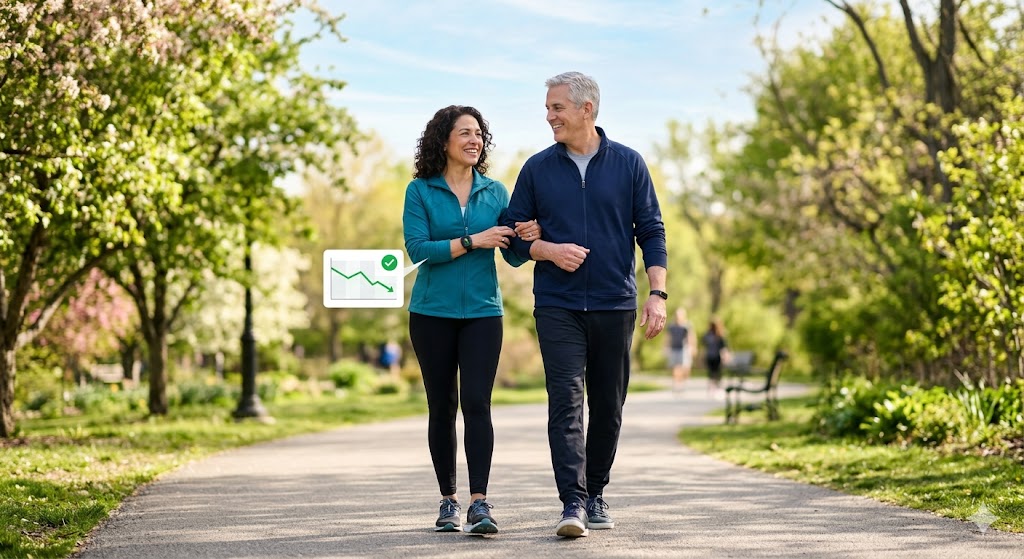
What if one of the most powerful health habits didn’t require a gym, expensive supplements, or strict dieting?
Just walking… after meals.
Yes — one of the simplest yet most effective habits you can build is a short walk after eating. The Post-Meal Walk Benefits are now backed by science, and they directly impact blood sugar, digestion, and fat loss.
In this complete guide, you’ll discover how this simple habit can transform your health — and why millions are adopting it in 2026.
1. What is a Post-Meal Walk?
A post-meal walk is exactly what it sounds like — walking for a short duration after eating.
Key Basics:
- Duration: 5–20 minutes
- Intensity: Light to moderate
- Timing: Within 10–30 minutes after a meal
This small habit delivers powerful Post-Meal Walk Benefits that most people completely ignore.
2. Why Walking After Meals Works
To understand Post-Meal Walk Benefits, we need to look at what happens in your body after eating.
What Happens After You Eat:
- Blood sugar levels rise
- Insulin is released
- Digestion begins
- Energy is stored or used
How Walking Helps:
- Uses glucose immediately
- Prevents sugar spikes
- Improves metabolism
This is why Post-Meal Walk Benefits are so effective for both weight loss and blood sugar control.
3. Post-Meal Walk Benefits for Blood Sugar Control
One of the biggest advantages of this habit is its impact on blood sugar.
3.1 Reduces Blood Sugar Spikes
- Walking helps muscles absorb glucose
- Prevents sudden spikes after meals
Even a 10-minute walk can significantly improve sugar levels.
3.2 Improves Insulin Sensitivity
- Helps your body use insulin better
- Reduces insulin resistance
This is one of the most powerful Post-Meal Walk Benefits for people with prediabetes or diabetes.
3.3 Stabilizes Energy Levels
- Prevents energy crashes
- Keeps you active throughout the day
4. Post-Meal Walk Benefits for Weight Loss
If you’re trying to lose weight, this habit can be a game changer.
4.1 Burns Calories Efficiently
- Uses calories from your recent meal
- Prevents fat storage
4.2 Reduces Fat Accumulation
- Less sugar converted into fat
- Supports fat-burning process
4.3 Controls Appetite
- Reduces cravings
- Prevents overeating later
These Post-Meal Walk Benefits make it one of the easiest fat-loss strategies.
5. Improves Digestion Naturally
Digestion problems are common today — and walking can help.
5.1 Boosts Digestive Movement
- Helps food move through your system
- Reduces bloating
5.2 Prevents Acid Reflux
- Keeps food moving downward
- Reduces pressure on stomach
5.3 Reduces Gas and Discomfort
One underrated Post-Meal Walk Benefits is improved gut comfort.
6. Enhances Metabolism
Walking after meals activates your metabolism.
6.1 Activates Energy Usage
- Body uses food as fuel
- Prevents storage as fat
6.2 Improves Nutrient Utilization
- Better absorption
- Efficient energy conversion
6.3 Supports Long-Term Fat Loss
Consistent walking leads to sustainable results — one of the long-term Post-Meal Walk Benefits.
7. Mental Health Benefits
It’s not just physical — your mind benefits too.
7.1 Reduces Stress
- Calms the nervous system
- Lowers cortisol
7.2 Improves Mood
- Releases endorphins
- Boosts happiness
7.3 Enhances Focus
A short walk can refresh your brain after meals.
8. Best Time and Duration for Maximum Benefits
To maximize Post-Meal Walk Benefits, timing matters.
Ideal Timing:
- Start within 10–20 minutes after eating
Ideal Duration:
- Minimum: 5 minutes
- Optimal: 10–20 minutes
Frequency:
- After 2–3 meals daily
Consistency is more important than intensity.
9. How to Do a Post-Meal Walk Correctly
Not all walking is equal.
9.1 Keep It Light
- Avoid intense workouts immediately after eating
9.2 Maintain a Steady Pace
- Comfortable walking speed
- Slightly elevated heart rate
9.3 Stay Consistent
Daily practice unlocks full Post-Meal Walk Benefits.
10. Who Should Do Post-Meal Walking
Almost everyone can benefit.
10.1 People with High Blood Sugar
- Diabetes
- Prediabetes
10.2 People Trying to Lose Weight
- Belly fat
- Slow metabolism
10.3 Office Workers
- Sedentary lifestyle
10.4 Elderly Individuals
- Gentle and safe activity
11. Common Mistakes to Avoid
Avoid these mistakes to get full Post-Meal Walk Benefits.
11.1 Walking Too Fast
- Can disrupt digestion
11.2 Skipping Consistency
- Results require daily habit
11.3 Sitting Immediately After Eating
- Leads to poor digestion
12. Real Results: What to Expect
Week 1:
- Better digestion
- Slight energy boost
Week 2–3:
- Stable blood sugar
- Reduced bloating
Week 4–6:
- Weight loss begins
- Improved stamina
Long-Term:
- Sustainable fat loss
- Better metabolic health
These are real, proven Post-Meal Walk Benefits.
13. Why This Habit is Trending in 2026
People are moving away from complicated fitness routines.
Reasons for Popularity:
- Simple and free
- Scientifically backed
- No equipment needed
- Works for everyone
The rise of Post-Meal Walk Benefits shows that simple habits can outperform complex plans.
FAQs on Post-Meal Walk Benefits
Q1. How long should I walk after meals?
10–20 minutes is ideal to get full Post-Meal Walk Benefits.
Q2. Can walking after meals reduce blood sugar?
Yes, it helps lower blood sugar spikes effectively.
Q3. Is it good to walk after every meal?
Yes, especially after heavy meals.
Q4. Can post-meal walking help with belly fat?
Yes, it reduces fat storage and supports weight loss.
Q5. Is fast walking better after meals?
No, moderate walking is best for digestion and safety.
Final Thoughts
Sometimes, the most powerful health solutions are the simplest.
The Post-Meal Walk Benefits prove that you don’t need extreme diets or intense workouts to improve your health.
Just 10–15 minutes of walking after meals can:
- Improve blood sugar
- Support weight loss
- Boost digestion
- Enhance overall well-being
Start today — and you’ll notice the difference faster than you expect.
More Related Topics:
Low Ferritin Symptoms: Why You Feel Tired All the Time
Berberine Benefits for Weight Loss & Blood Sugar
How to Lose Belly Fat Fast in 30 Days (Proven Diet + Workout Plan)