
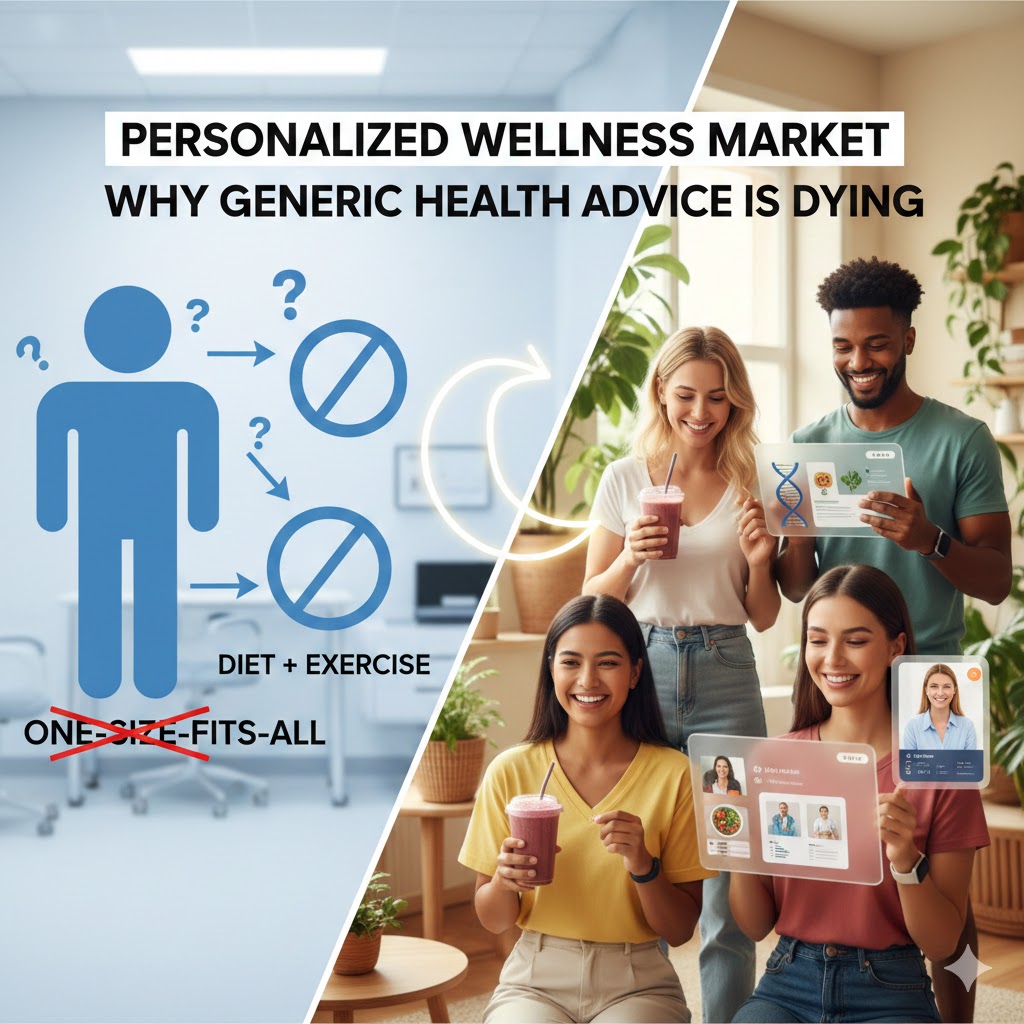
Personalized Wellness Market For decades, health advice followed a simple formula: one rule, one solution, for everyone. Eat this. Avoid that. Sleep eight hours. Exercise more. But as people tried—and failed—to apply generic advice to very different bodies, lifestyles, and stress levels, cracks began to show.
Today, the shift is undeniable. The Personalized Wellness Market is rapidly replacing one-size-fits-all health guidance. Consumers no longer want advice meant for “average” people. They want insights designed for them—their habits, schedules, goals, and limitations.
This isn’t a trend. It’s a structural change in how wellness works.
This article explains why generic health advice is dying, what’s driving the growth of the personalized wellness market, and how personalization has become the new standard for health engagement.
1. Why Generic Health Advice No Longer Works
Generic advice assumes people live the same lives. They don’t.
1.1 Bodies Are Not Standardized
- Different metabolisms
- Different stress responses
- Different sleep needs
- Different hormonal patterns
What helps one person thrive can make another feel worse.
1.2 Lifestyle Differences Are Massive
- Shift workers vs desk workers
- Parents vs single professionals
- Athletes vs sedentary individuals
Generic health advice ignores these variables—and users feel that disconnect immediately.
2. Consumers Are More Health-Educated Than Ever
Access to information changed expectations.
2.1 People Know More Now
- Nutrition labels are understood
- Sleep and stress science is mainstream
- Gut health, hormones, and recovery are common topics
2.2 Awareness Creates Frustration
- People follow advice correctly but see no results
- They blame themselves instead of the advice
- Trust in generic guidance erodes
This awareness fuels demand for personalization, pushing the Personalized Wellness Market forward.
3. Personalization Feels More Honest and Human
People don’t want perfection—they want relevance.
3.1 Personalized Advice Acknowledges Reality
- Energy levels fluctuate
- Motivation changes
- Life interrupts routines
3.2 Why This Builds Trust
- Advice adapts instead of shaming
- Progress feels realistic
- Users feel understood
Trust is the currency of the modern wellness economy.
4. Technology Made Personalization Scalable
Personalized wellness used to require 1-on-1 coaching. Not anymore.
4.1 Tools Powering the Shift
- AI-driven habit analysis
- Wearables and trackers
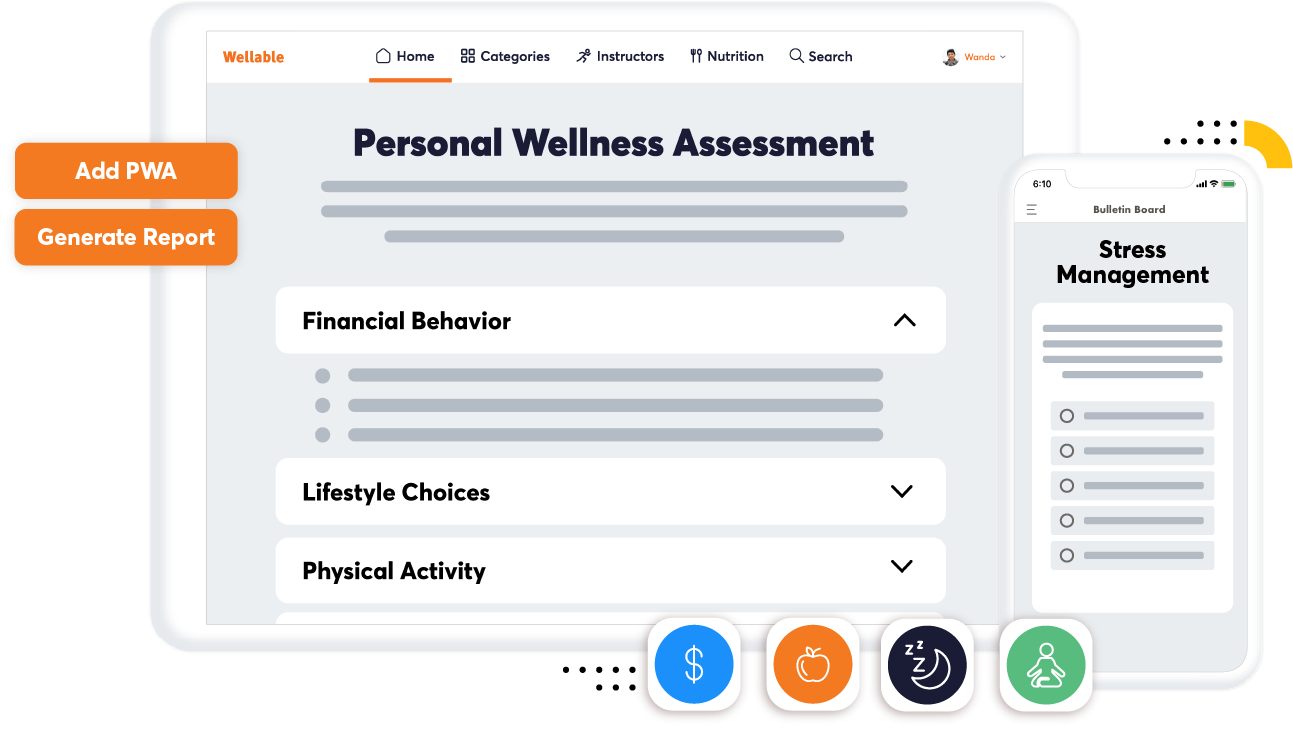
- Personalized questionnaires
- Adaptive content systems
4.2 Why This Changed Everything
- Personalization without high cost
- Real-time adaptation
- Continuous feedback loops
Technology turned personalization from a luxury into a baseline expectation in the Personalized Wellness Market.
5. Why Generic Health Content Is Losing Engagement
People scroll past what doesn’t apply to them.
5.1 Declining Performance of Generic Advice
- Low retention on broad health posts
- High bounce rates on vague blogs
- Audience fatigue from recycled tips
5.2 Why Personalized Content Performs Better
- Feels immediately relevant
- Encourages interaction
- Builds long-term loyalty
Generic advice may attract clicks—but personalization keeps users.
6. The Psychology Behind Personalization
This shift isn’t just practical—it’s emotional.
6.1 Personalization Reduces Overwhelm
- Clear next steps
- No conflicting advice
- Less decision fatigue
6.2 It Increases Accountability
- “This is for me” mindset
- Higher follow-through
- Stronger habit formation
That psychological alignment is why the Personalized Wellness Market continues to expand across niches.
7. Where Generic Advice Still Fails Most
Some areas are especially resistant to one-size-fits-all guidance.
7.1 Sleep
- Chronotypes vary
- Stress impacts sleep differently
- Lifestyle constraints matter
7.2 Nutrition
- Food tolerance differs
- Cultural habits matter
- Budget and access vary
7.3 Stress & Mental Wellness
- Triggers are personal
- Coping mechanisms differ
- Capacity changes daily
These categories thrive on personalization—and collapse under generic rules.
8. How Brands Are Adapting to the Personalized Wellness Market
Wellness brands are rewriting their playbooks.

8.1 From Products to Experiences
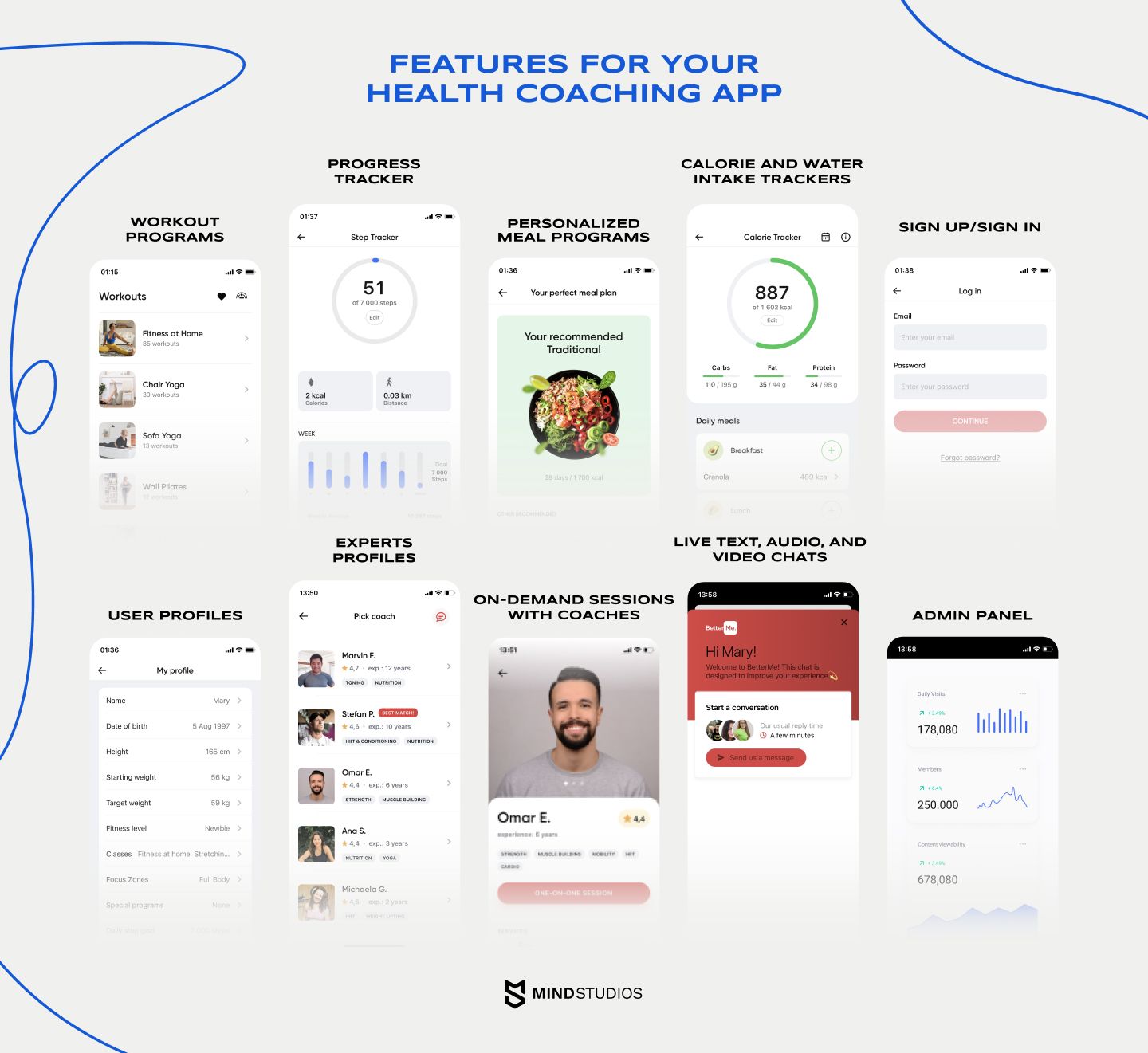
- Personalized programs instead of static plans
- Adaptive guidance instead of fixed rules
- Ongoing feedback instead of one-time advice
8.2 From Authority to Partnership
- Brands guide instead of dictate
- Users co-create their wellness journey
- Flexibility replaces rigid systems
This evolution defines the modern Personalized Wellness Market.
9. Why Personalization Improves Long-Term Results
Consistency beats intensity.
9.1 Personalized Plans Are Sustainable
- Adjust to life changes
- Allow imperfect days
- Encourage progress over perfection
9.2 Generic Advice Breaks Down Over Time
- Too rigid
- Too unrealistic
- Too disconnected from real life
Long-term adherence is where personalization wins decisively.
10. The Future of Wellness Is Adaptive, Not Prescriptive
Health advice is moving from commands to conversations.
10.1 What the Future Looks Like
- Adaptive wellness systems
- Habit-based personalization
- Data-informed lifestyle guidance
10.2 Why Generic Advice Will Continue to Fade
- People demand relevance
- Personalization feels respectful
- Results speak louder than rules
The Personalized Wellness Market isn’t replacing health—it’s finally aligning it with human reality.
FAQs: Personalized Wellness Market
What is the personalized wellness market?
It’s the segment of wellness focused on tailored guidance based on individual habits, goals, and lifestyles rather than generic advice.
Why is generic health advice becoming less effective?
Because it ignores personal differences in biology, lifestyle, stress, and environment.
Is personalized wellness only for tech users?
No. Personalization can be low-tech, habit-based, or digital—it’s about relevance, not gadgets.
Does personalized wellness replace doctors?
No. It complements professional care by supporting daily lifestyle decisions.
Is this market still growing?
Yes. Demand for personalization is increasing across fitness, nutrition, sleep, and mental wellness.
Final Thoughts
Generic health advice isn’t failing because people lack discipline—it’s failing because it lacks context. As awareness grows and technology enables customization, the Personalized Wellness Market has become the new foundation of modern health guidance.
People don’t want perfect plans. They want plans that fit their lives.
And that’s why generic health advice is quietly—and permanently—dying.
Also read this:
AI Health Monetization: How Creators Sell Personalized Wellness Without Doctors