
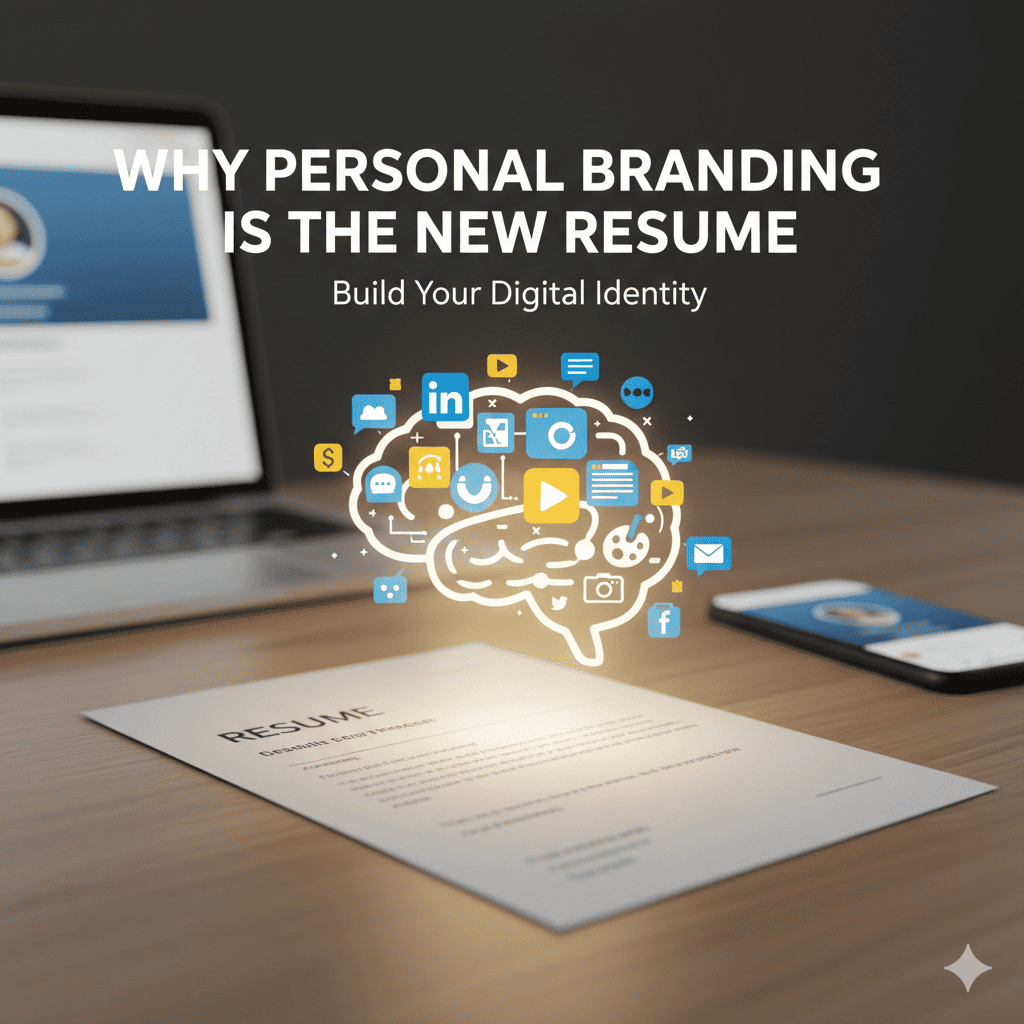
Remember when a polished resume and a firm handshake were all you needed to land your dream job? Those days are gone. In today’s digital-first world, personal branding has become the ultimate career currency—and honestly, it’s way more powerful than any piece of paper.
The job market has evolved dramatically, and so have the rules of the game. If you’re still relying solely on your resume to open doors, you’re already behind. Let’s dive deep into why personal branding is the new resume and how you can leverage it to skyrocket your career.
What Exactly Is Personal Branding?
Think of personal branding as your professional reputation on steroids. It’s how you present yourself online, the value you bring to conversations, and the impression you leave in people’s minds. Your personal brand is essentially you, packaged in a way that shows the world what you’re about, what you stand for, and why you matter.
Unlike a resume that sits in a folder collecting digital dust, your personal brand is alive, breathing, and working for you 24/7. It’s your digital handshake, your first impression, and your ongoing conversation with the world—all rolled into one.
Your personal branding encompasses:
- Your online presence across social media platforms
- The content you create and share
- How you interact with your network
- Your expertise and unique perspective
- The values and principles you stand for
- Your communication style and personality
Why Traditional Resumes Are Losing Their Edge
Let’s be real—recruiters spend about six seconds scanning a resume. Six seconds! That’s barely enough time to read your name and job title. Plus, everyone’s resume looks pretty much the same: bullet points, action verbs, and a list of responsibilities that could describe anyone.
The Resume Problem
Traditional resumes have several critical limitations in today’s world:
They’re One-Dimensional: A resume can’t capture your personality, passion, or the energy you bring to your work. It’s just words on paper (or a screen), and words alone don’t do you justice.
They’re Static and Outdated: By the time someone reads your resume, it’s already old news. Your personal brand, on the other hand, is constantly updated with your latest insights, projects, and accomplishments.
They Get Lost in the Crowd: HR departments receive hundreds, sometimes thousands, of applications for a single position. Your resume becomes one in a massive stack, and even the best qualifications can get overlooked.
They Don’t Show Your Thinking: A resume tells people what you did, but it doesn’t show how you think, problem-solve, or add value. Personal branding demonstrates your thought process in real-time.
They’re Easy to Fake: Let’s face it—anyone can exaggerate on a resume. But you can’t fake a consistent personal brand that showcases genuine expertise over time.
Here’s the thing: resumes tell people what you’ve done, but personal branding shows them who you are and what you can do for them right now.
The Power of Personal Branding in 2025
You’re Always On Display (And That’s a Good Thing)
Whether you like it or not, people are Googling you. Your potential employer, clients, and collaborators are checking you out online before they ever meet you. What they find either opens doors or closes them. A strong personal brand ensures that when someone searches for you, they find content that positions you as an expert, a thought leader, or someone worth knowing.
It Creates Opportunities You Never Applied For
Here’s something cool: when you build a solid personal brand, opportunities start coming to you. People reach out with job offers, collaboration requests, speaking gigs, podcast invitations, and consulting opportunities—without you ever submitting an application. That’s the magic of positioning yourself as someone valuable in your industry.
It Builds Trust Before the First Handshake
Trust is everything in business, and personal branding helps you build it before you even meet someone. When people see your content, engage with your insights, or hear about you from others, they already feel like they know you. By the time you connect, you’re not a stranger—you’re someone they’ve been following and respecting.
You Control the Narrative
With a resume, someone else interprets your experience. With personal branding, you control exactly how you want to be perceived. You decide which skills to highlight, what stories to tell, and what values to emphasize.
It Proves Your Expertise in Real-Time
Anyone can claim they’re an expert on a resume. But when you consistently share valuable insights, engage in meaningful discussions, and demonstrate your knowledge through personal branding, you’re proving your expertise every single day.
It Opens Global Opportunities
Your resume reaches whoever you send it to. Your personal brand reaches the entire world. You could be in Mumbai and land a client in New York, or be in Bangalore and get hired by a company in London—all because your personal brand transcends geographical boundaries.
It Makes You Unforgettable
People forget resumes minutes after reading them. But they remember personal brands that resonate with them, teach them something valuable, or make them feel inspired.
The Numbers Don’t Lie: Personal Branding Statistics
- 70% of employers use social media to screen candidates before hiring
- 85% of jobs are filled through networking (not resume submissions)
- Professionals with strong personal brands are 14 times more likely to be contacted for opportunities
- LinkedIn profiles with professional branding receive 21 times more profile views
- 77% of consumers are more likely to buy from brands they follow on social media (this applies to personal brands too!)
These statistics prove that personal branding isn’t just a trend—it’s the new standard for professional success.
Real-World Success Stories: Personal Branding in Action
The Job Seeker Who Never Applied
Meet Sarah, a digital marketing professional who spent months sending out resumes with minimal responses. She then pivoted to building her personal brand on LinkedIn. She started sharing marketing tips, case studies, and industry insights three times a week. Within six months, she had recruiters reaching out to her weekly. She landed her dream job without ever submitting a resume—the company found her through her content.
The Freelancer Who Became an Authority
Raj was a freelance graphic designer struggling to find clients. He began documenting his design process on Instagram and Twitter, sharing before-and-after transformations and design tips. His personal branding efforts turned him into a recognized name in the design community. Now he has more client inquiries than he can handle and charges premium rates.
The Corporate Professional Who Built a Side Income
Priya worked a 9-to-5 job but wanted to build additional income streams. She leveraged personal branding to position herself as a finance expert, sharing budgeting tips and investment insights. Her growing personal brand led to consulting opportunities, speaking engagements, and even a book deal—all while maintaining her day job.
How to Start Building Your Personal Brand Today
1. Define Your Niche and Expertise
You can’t be everything to everyone. What are you genuinely good at? What topics light you up? Pick your lane and own it. Whether it’s digital marketing, sustainable fashion, software development, career coaching, or financial planning, clarity is key.
Ask yourself:
- What unique perspective do I bring?
- What problems can I solve better than most?
- What topics do I naturally gravitate toward?
- What do people consistently ask me for help with?
2. Identify Your Target Audience
Who are you trying to reach with your personal branding? Be specific. Are you targeting hiring managers, potential clients, industry peers, or aspiring professionals? Understanding your audience shapes your content strategy and communication style.
3. Craft Your Unique Value Proposition
What makes you different? This is your personal brand statement—a clear, compelling articulation of what you offer and why it matters. This becomes the foundation of your personal branding efforts.
Example: “I help small business owners double their online presence through authentic storytelling and strategic content marketing.”
4. Choose Your Platforms Wisely
Pick 1-2 platforms where your audience hangs out—LinkedIn, Twitter, Instagram, YouTube, TikTok, or even a personal blog—and start showing up consistently. Don’t spread yourself too thin. It’s better to dominate one platform than to be mediocre on five.
LinkedIn: Best for B2B professionals, thought leadership, and corporate networking Instagram: Great for visual industries like design, fashion, fitness, and lifestyle Twitter: Ideal for real-time insights, tech, marketing, and building a vocal presence YouTube: Perfect for in-depth tutorials, vlogs, and establishing video-based authority TikTok: Excellent for reaching younger audiences with short, engaging content
5. Create Content That Adds Real Value
Stop selling and start helping. Write articles, create videos, share tips, post thoughtful commentary on industry trends, or create infographics. When you consistently add value, people start seeing you as an authority worth following.
Content Ideas for Personal Branding:
- Share lessons learned from recent projects
- Create “how-to” guides related to your expertise
- Offer industry insights and trend analysis
- Tell personal stories that connect with your professional journey
- Debunk common myths in your field
- Share book recommendations and key takeaways
- Create templates or resources people can use
- Host Q&A sessions or AMAs (Ask Me Anything)
6. Show Up Consistently
Consistency is the secret sauce of successful personal branding. You don’t need to post every day, but you do need a regular schedule. Whether it’s three times a week or once a week, stick to it. Consistency builds familiarity, and familiarity builds trust.
7. Network Like a Human, Not a Robot
Personal branding isn’t just about broadcasting—it’s about building genuine relationships. Comment on other people’s posts, send personalized messages, and actually engage in conversations. Be real, be helpful, and be memorable.
Quality networking tips:
- Add value before asking for anything
- Send thoughtful connection requests with context
- Celebrate others’ wins publicly
- Offer help without expecting immediate returns
- Follow up and maintain relationships
8. Let Your Personality Shine Through
The best personal brands feel authentic. Don’t try to sound like everyone else or use corporate jargon that makes you sound like a robot. Use your voice, share your stories, and let people see the human behind the professional. Vulnerability and authenticity are magnetic.
Your personal branding should reflect:
- Your unique communication style
- Your sense of humor (if appropriate)
- Your values and beliefs
- Your quirks and interests
- Your genuine enthusiasm for your work
9. Optimize Your Online Profiles
Make sure your LinkedIn, Twitter bio, and other social profiles clearly communicate who you are and what you do. Use a professional photo, write a compelling headline, and include keywords related to your expertise. This is basic personal branding hygiene.
10. Gather and Showcase Testimonials
Social proof amplifies your personal brand. Collect recommendations, testimonials, and endorsements from colleagues, clients, and mentors. Display them prominently on your profiles and website.
11. Invest in Visual Branding
Consistency in visual elements strengthens your personal branding. Use the same profile photo across platforms, choose a consistent color scheme, and maintain a cohesive aesthetic that reflects your professional identity.
12. Track Your Progress
Monitor your personal branding efforts. Track metrics like profile views, engagement rates, follower growth, and opportunities generated. This helps you understand what’s working and adjust your strategy accordingly.
Personal Branding vs. Resume: The Bottom Line
Your resume gets you in the room. Your personal brand makes people want you in the room—and keeps them interested long after you’ve left.
A resume is static—it’s a snapshot of your past. Personal branding is dynamic—it’s a living, evolving showcase of your value, personality, and potential. It positions you not just as a candidate but as someone who brings something unique to the table.
Resume: Lists your credentials Personal Branding: Proves your expertise
Resume: Sent when applying for jobs Personal Branding: Works for you 24/7
Resume: One-size-fits-all document Personal Branding: Customized, authentic representation
Resume: Competes with hundreds of others Personal Branding: Makes you the only option
Common Personal Branding Mistakes to Avoid
Being Inauthentic
Don’t try to be someone you’re not. People can smell fake from a mile away. Your personal branding should be an amplified version of your authentic self, not a fabricated persona.
Inconsistent Messaging
If you’re a marketing expert on LinkedIn but post only food pictures on Instagram, your personal brand gets diluted. Maintain consistency across platforms while adapting to each platform’s culture.
Only Talking About Yourself
Personal branding isn’t about bragging. It’s about adding value. The 80/20 rule works well: 80% value-driven content, 20% self-promotion.
Ignoring Engagement
If people comment on your posts and you never respond, you’re missing the entire point. Personal branding is about building relationships, not just broadcasting.
Giving Up Too Soon
Building a strong personal brand takes time. Don’t expect overnight results. Most successful personal brands took 6-12 months of consistent effort before gaining significant traction.
Neglecting Your Online Reputation
Monitor your digital footprint regularly. Google yourself and see what comes up. Address any negative content and continue building positive personal branding content that pushes unwanted results down.
The Future Belongs to Those Who Brand Themselves
Companies and hiring managers aren’t just looking for skills anymore—they’re looking for people who can think, communicate, and stand out. They want individuals who bring their own audience, influence, and perspective.
That’s where personal branding comes in. It’s no longer optional; it’s essential. Whether you’re climbing the corporate ladder, freelancing, or building your own business, your personal brand is your most valuable asset.
The Changing Workplace Landscape
The rise of remote work, the gig economy, and digital transformation has made personal branding more crucial than ever. Companies are hiring people they’ve never met in person. Your personal brand is often the first—and sometimes only—impression you make.
The Creator Economy Boom
We’re living in the creator economy, where individuals can build audiences, monetize their expertise, and create opportunities independent of traditional employment. Personal branding is the foundation of this new economic model.
AI and Automation
As artificial intelligence automates routine tasks, the human elements—creativity, authentic connection, unique perspective—become more valuable. These are exactly what strong personal branding showcases.
Advanced Personal Branding Strategies
Collaborate with Others
Partner with complementary professionals for joint content, webinars, or projects. Collaboration expands your reach and strengthens your personal brand through association.
Speak at Events
Speaking engagements—whether virtual or in-person—dramatically boost your personal branding credibility. Start with small local events or online webinars and work your way up.
Write Guest Posts
Contributing articles to established publications in your industry enhances your personal brand credibility and exposes you to new audiences.
Launch a Podcast or YouTube Channel
Long-form content allows you to dive deep into topics and showcase your expertise more comprehensively, strengthening your personal branding efforts.
Create a Personal Website
A website serves as your personal branding headquarters—a place where you control everything and can showcase your work, testimonials, and thought leadership in one place.
Leverage SEO
Optimize your content with relevant keywords so when people search for topics in your expertise area, your personal brand appears in results.
Measuring Your Personal Branding Success
How do you know if your personal branding efforts are paying off? Look for these indicators:
- Increased inbound opportunities (job offers, speaking requests, collaboration invitations)
- Growing follower base and engagement rates
- More profile views and connection requests
- People recognizing you at industry events
- Being mentioned or tagged by others in relevant discussions
- Media features or interview requests
- Higher consulting or freelance rates
- Expanded professional network with quality connections
Ready to Build Your Personal Brand?
Start today. Update your LinkedIn profile, write that first blog post, record that video, or simply start engaging authentically with your network. Every small action compounds into something bigger.
Because at the end of the day, personal branding isn’t about becoming famous—it’s about becoming known for the right things by the right people. And that’s worth way more than any resume could ever deliver.
Your personal brand is already forming, whether you’re actively shaping it or not. The question is: are you going to take control of it, or let others define you?
The most successful professionals of tomorrow aren’t just skilled—they’re visible, credible, and memorable. They’ve mastered the art of personal branding and use it to create opportunities that never existed before.
Personal branding is the new resume. It’s your ticket to career freedom, professional recognition, and unlimited opportunities. Time to start building yours.
Don’t wait for permission. Don’t wait for the “perfect” time. Start now, start small, but start. Your future self will thank you for the personal branding foundation you’re building today.
Remember: In a world where everyone has access to the same information and similar qualifications, your personal brand is what sets you apart. It’s not just the new resume—it’s better than any resume could ever be.
Also reaad this:
Sleep Tourism: Why People Travel Just to Rest – The Hottest Travel Trend You Never Saw Coming
Create Stunning AI Videos for Instagram Stories with Meta AI – Your Complete Step-by-Step Guide