
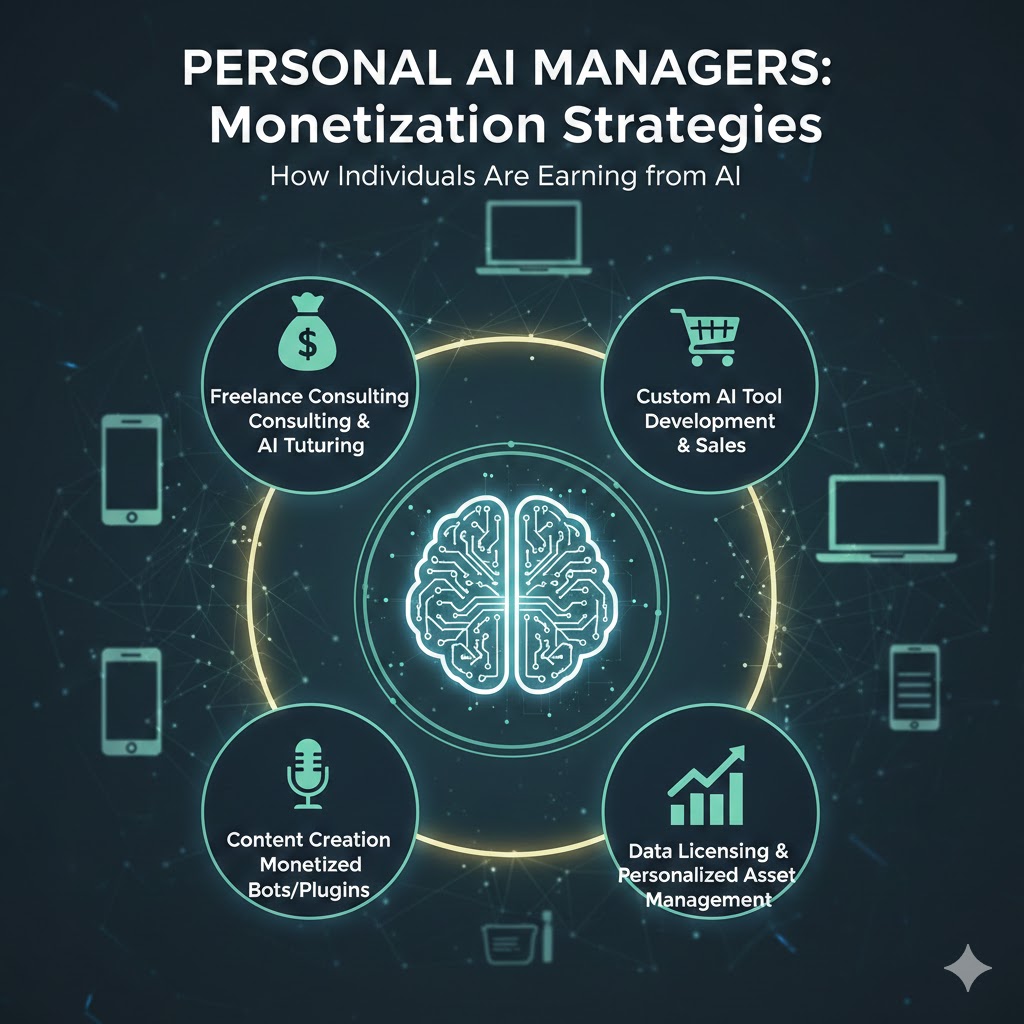
In 2026, AI is no longer just a tool people use—it’s something people manage. A new concept is quietly reshaping online income and productivity: Personal AI Managers.
Instead of running every task manually, individuals are now building, training, and deploying personal AI systems that manage workflows, content, decisions, and even business operations. More importantly, people are learning how to monetize these systems—without becoming influencers, developers, or full-time creators.
This article explains what personal AI managers are, how people are using them, and how monetization works in the real world.
1. What Personal AI Managers Actually Are
Before discussing income, clarity matters.
Simple Definition
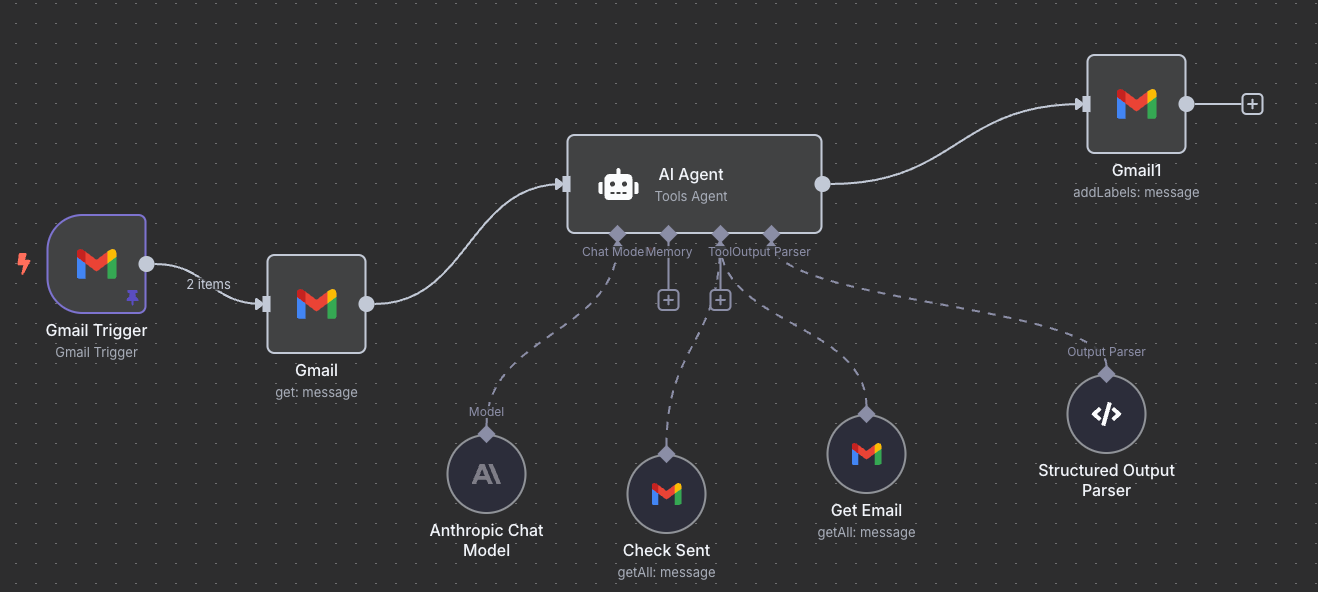
Personal AI Managers are customized AI systems designed to:
- Oversee specific tasks or workflows
- Make rule-based decisions
- Coordinate tools, data, and actions
- Reduce human involvement
They act more like digital operations managers than chatbots.
What Makes Them Different From AI Assistants
- Assistants respond to prompts
- Managers operate continuously
- Managers follow structured rules and goals
This shift from “asking AI” to “delegating to AI” is the foundation of monetization.
2. Why Personal AI Managers Are Valuable in 2026
Time has become the most expensive resource.
Key Problems People Face
- Too many tools
- Too many decisions
- Too much manual coordination
What Personal AI Managers Solve
- Task orchestration
- Priority management
- Automation oversight
- Consistent execution
Because these systems save ongoing time, people are willing to pay for them—or build income around them.
3. Monetization Model #1: Selling AI-Managed Services
One of the most common ways people monetize Personal AI Managers is by offering services—without doing the work manually.
Examples
- AI-managed content publishing
- AI-run email newsletters
- AI-based customer support handling
- AI-driven research or reporting
Why This Works
- Clients pay for outcomes
- AI handles execution
- Human oversees quality
This allows individuals to scale service income without scaling labor.

4. Monetization Model #2: Licensing Personal AI Systems
Some people don’t sell services—they sell the system itself.
What Gets Licensed
- Workflow logic
- Prompt frameworks
- Automation sequences
- Decision trees
How It’s Sold
- Monthly subscriptions
- One-time access
- Business licenses
These Personal AI Managers become digital products rather than tools.
5. Monetization Model #3: Running Faceless AI Businesses
Many faceless businesses are now fully AI-managed.
Common Examples
- Niche content websites
- Comparison platforms
- Affiliate hubs
- Micro-SaaS tools
Role of the Personal AI Manager
- Publishing oversight
- Content optimization
- Performance tracking
- Decision recommendations
Income flows while the owner manages strategy—not execution.
6. Monetization Model #4: AI Workflow Consulting
Some individuals monetize by building and managing AI systems for others.
What They Sell
- Setup of personal AI managers
- Workflow automation
- Ongoing optimization
Why It Pays Well
- High business value
- Clear ROI
- Low competition
This has become one of the fastest-growing income streams tied to Personal AI Managers.
7. Why Individuals (Not Companies) Are Winning Here
Large companies move slowly. Individuals move fast.
Individual Advantages
- Faster experimentation
- Niche specialization
- Lower overhead
- Flexible monetization
In many cases, solo operators using Personal AI Managers outperform teams relying on manual processes.
8. Skills That Matter (And What Doesn’t)
You don’t need to be technical to succeed here.
Skills That Matter
- Process thinking
- Logic structuring
- Understanding workflows
- Decision mapping
Skills That Matter Less
- Coding
- Personal branding
- Daily content creation
This makes personal AI management accessible to planners, strategists, and builders.
9. Risks and Realistic Limits
This isn’t magic income.
Real Constraints
- Requires setup time
- Needs testing and refinement
- Depends on quality inputs
However, once built correctly, Personal AI Managers drastically reduce ongoing effort.
Frequently Asked Questions
What are Personal AI Managers?
They are AI systems designed to manage workflows, decisions, and execution rather than just respond to prompts.
Can individuals really monetize personal AI managers?
Yes. Through services, licensing, consulting, and faceless businesses.
Do I need coding skills?
No. Most systems rely on AI platforms, automation tools, and structured logic.
Is this better than freelancing?
For many people, yes—because it scales systems instead of time.
Is this model sustainable beyond 2026?
Yes. As AI tools grow, managing them becomes more valuable—not less.
Final Thoughts
AI isn’t just changing how work is done—it’s changing who manages work.
In 2026, individuals who build and control Personal AI Managers are quietly creating leverage most people don’t even see yet. They’re not chasing trends or posting daily. They’re designing systems that run continuously—and monetizing the results.
This is not about replacing humans.
It’s about moving humans into control roles.
Also read this:
AI Workflow Consulting: A New High-Paying Side Hustle in 2026