
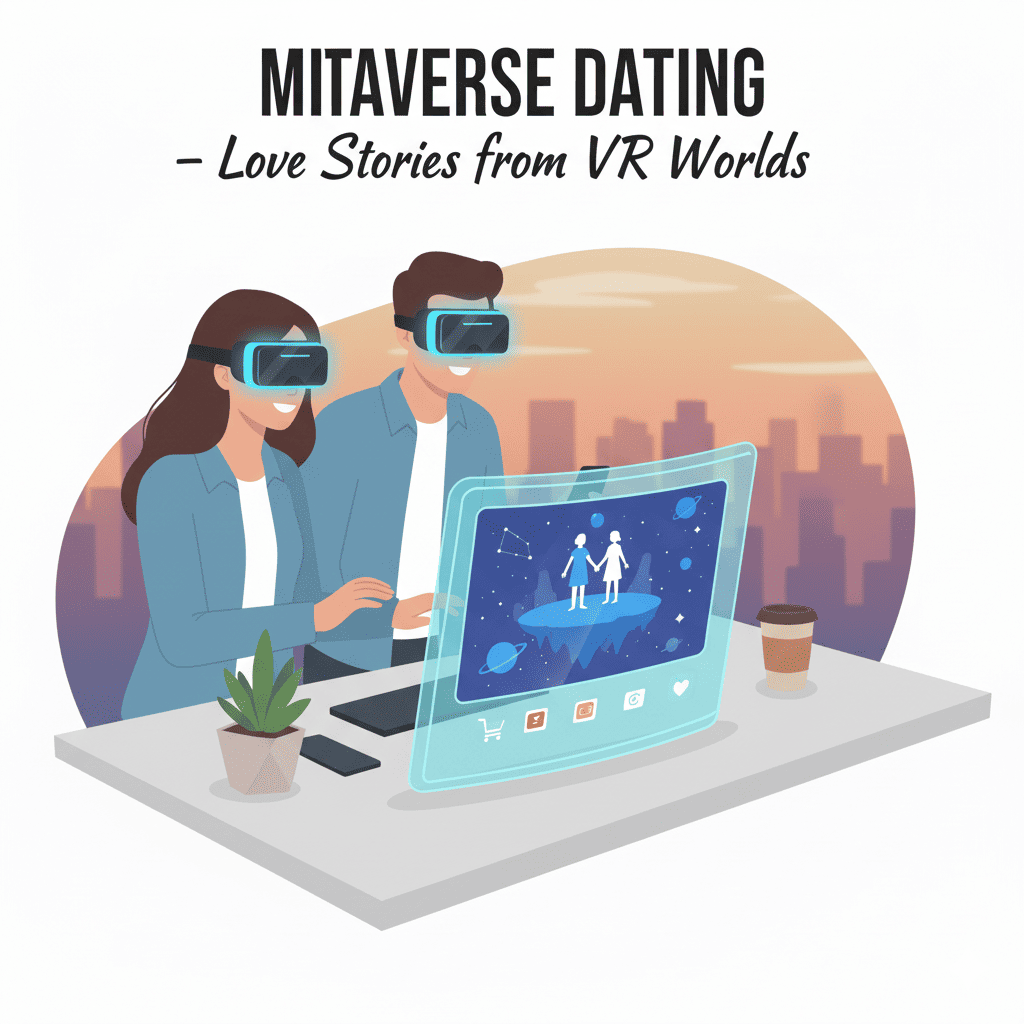
Metaverse Dating The landscape of modern romance is undergoing a revolutionary transformation. While previous generations met at coffee shops, through mutual friends, or via dating apps, today’s digital natives are finding love in virtual reality worlds, creating connections that transcend physical boundaries and redefine what it means to fall in love in the 21st century.
Welcome to the era of metaverse dating, where avatars hold hands on digital beaches, couples dance in impossible floating ballrooms, and soulmates discover each other across continents while exploring fantastical virtual realms together. These aren’t just fleeting online connections – they’re genuine love stories that began in pixels and evolved into real-world marriages, partnerships, and lifelong bonds.
The New Frontier of Digital Romance
The metaverse has become more than just a gaming platform or virtual meeting space; it’s evolved into a sophisticated social ecosystem where authentic relationships flourish. Unlike traditional dating apps that rely on static profiles and brief text exchanges, virtual reality dating allows people to experience shared adventures, express themselves through customized avatars, and build emotional connections through immersive experiences.
Recent studies Metaverse Dating indicate that over 3.2 million people have formed romantic relationships that began in virtual worlds, with approximately 140,000 couples transitioning from metaverse meetings to real-world marriages. These numbers continue to grow as VR technology becomes more accessible and virtual social spaces become increasingly sophisticated.
What makes metaverse dating unique is the removal of many traditional dating barriers. Physical appearance becomes secondary to personality and compatibility. Geographic distance becomes irrelevant when you can instantly transport yourself to spend time with someone. Social anxiety often diminishes when people can express themselves through carefully crafted avatars that represent their ideal selves.
Love Story 1: Sarah and Michael – From VRChat Strangers to Married Partners
Sarah Thompson was a 28-year-old graphic designer from Portland who spent her evenings unwinding in VRChat, exploring virtual art galleries and attending digital concerts. Michael Rodriguez, a 31-year-old software engineer from Barcelona, found himself in the same virtual jazz club on a rainy Tuesday evening in March 2022.
The First Meeting: Their avatars – Sarah’s, a whimsical fox character with artist’s overalls, and Michael’s, a thoughtfully designed human avatar wearing a vintage suit – struck up a conversation about the virtual musicians performing that night. What began as casual small talk about digital art and music evolved into a four-hour conversation that continued until sunrise in Sarah’s timezone.
Building Connection Through Shared Experiences: Over the following weeks, Sarah and Michael began meeting regularly in various VR environments. They explored virtual museums in Horizon Worlds, built structures together in Rec Room, and attended live concerts in AltspaceVR. Their relationship deepened through shared adventures that would have been impossible in the physical world – flying together through fantastical landscapes, painting collaborative murals in 3D space, and dancing in zero-gravity ballrooms.
The Digital Courtship: Michael surprised Sarah by creating a custom virtual environment for her birthday – a replica of her favorite real-world art museum combined with impossible architectural elements that could only exist in VR. Sarah reciprocated by designing a virtual version of Michael’s childhood neighborhood in Barcelona, complete with the sounds and atmosphere of his memories.
Transitioning to Reality: After six months of daily VR meetings, video calls, and constant messaging, they decided to meet in person. Michael flew to Portland for a week-long visit that confirmed their digital chemistry translated perfectly to the physical world.
The Outcome: Sarah and Michael married in both the virtual and physical worlds in November 2023. Their VR wedding ceremony took place in a custom-designed floating cathedral attended by friends from around the globe, followed by a physical ceremony in Portland. Today, they run a successful VR event planning business together, helping other couples create meaningful virtual experiences.
Love Story 2: Alex and Jordan – Non-Binary Love in Digital Spaces
Alex Chen, a 24-year-old non-binary game developer from San Francisco, found traditional dating apps limiting when it came to expressing their gender identity. Jordan Smith, a 26-year-old non-binary artist from London, felt similarly constrained by conventional dating platforms that seemed designed for binary relationships.
Finding Freedom in Avatar Expression: Both Alex and Jordan discovered liberation in VRChat’s avatar customization options. Alex created an ethereal, androgynous character with flowing hair and elegant clothing that perfectly captured their gender expression. Jordan designed a shape-shifting avatar that could transform between different forms, reflecting their fluid identity.
The Magical Meeting: They met in a virtual support group for LGBTQ+ individuals navigating identity and relationships. The safe, accepting environment allowed both to express themselves authentically from their first interaction. Their connection was immediate – not based on physical attraction but on shared values, humor, and artistic sensibilities.
Creative Collaboration: Alex and Jordan began collaborating on virtual art installations, combining Alex’s programming skills with Jordan’s artistic vision. They created interactive sculptures that responded to users’ emotions, virtual galleries that transported visitors through different moods and atmospheres, and immersive narrative experiences that told stories about identity and love.
Long-Distance Intimacy: Despite living 5,000 miles apart, Alex and Jordan developed profound intimacy through their virtual interactions. They created private virtual spaces where they could be vulnerable with each other, sharing fears, dreams, and daily experiences in environments that felt safe and sacred.
Real-World Integration: After a year of virtual courtship, they began alternating visits between San Francisco and London. The transition felt natural because they had already built such a strong emotional foundation in their virtual relationship.
The Present: Alex and Jordan now live together in London, where they operate a virtual reality studio specializing in LGBTQ+ experiences and inclusive virtual spaces. Their VR environments have helped thousands of people explore identity and find community in virtual worlds.
Love Story 3: Emma and David – Senior Romance in Second Life
Emma Harrison, a 67-year-old retired teacher from Melbourne, and David Williams, a 72-year-old widower from Chicago, discovered that love doesn’t have age limits – even in virtual worlds.
Starting Over in Virtual Spaces: After her husband’s passing three years earlier, Emma felt isolated and struggled with the prospect of dating at her age. A tech-savvy grandson introduced her to Second Life, where she could explore interests and meet people without the pressures of traditional senior dating.
David, retired from his career as an architect, joined Second Life to satisfy his creative urges by designing virtual buildings. He found the platform’s community aspect unexpectedly fulfilling after years of loneliness following his wife’s death.
Meeting Through Shared Interests: Emma and David met in a virtual book club discussing classic literature. Emma’s avatar, a stylishly dressed woman with silver hair and bright eyes, caught David’s attention through her insightful comments about the novel they were reading. His avatar, distinguished and wearing a vintage professor’s jacket, impressed Emma with his thoughtful analysis.
Courtship at Their Own Pace: Their relationship developed slowly and comfortably. They attended virtual art exhibitions, participated in discussion groups, and spent quiet evenings sitting by virtual fireplaces sharing stories from their lives. The metaverse allowed them to focus on intellectual and emotional compatibility without the physical limitations or social judgments they might face in traditional senior dating.
Building Virtual Lives Together: Emma and David created a shared virtual home – a cozy cottage by a digital lake surrounded by David’s architectural creations and Emma’s virtual garden. They established routines, hosting dinner parties for other virtual friends and organizing book club meetings in their digital space.
The Real-World Meeting: After eight months of virtual courtship, they arranged to meet when David visited Australia for a vacation. The chemistry they had built in the virtual world translated perfectly to their physical meeting.
Late-in-Life Love: Emma and David now split their time between Melbourne and Chicago, spending winters in Australia and summers in the United States. They maintain their virtual home in Second Life, where they continue to host events and mentor other seniors exploring virtual relationships.
Love Story 4: Kai and River – Gaming Couple Turned Business Partners
Kai Nakamura, a 22-year-old college student from Tokyo studying international business, and River Martinez, a 25-year-old freelance writer from Mexico City, met while participating in a complex role-playing adventure in VRChat’s medieval fantasy worlds.
Bonding Through Adventure: Their avatars – Kai as a strategic mage and River as a charismatic bard – were assigned to the same quest group. Over weeks of virtual adventures, solving puzzles, and battling digital dragons, they developed an intuitive partnership that extended beyond gaming into deep personal conversations.
From Teammates to Partners: What started as effective gaming collaboration evolved into late-night philosophical discussions about life goals, cultural differences, and shared dreams. They discovered complementary skills and perspectives that made them stronger together than apart.
Cultural Exchange in Virtual Spaces: The metaverse became their platform for cultural exchange. Kai created virtual representations of Japanese temples and gardens to share their heritage with River. River built virtual versions of Mexican markets and celebrated traditional festivals in custom VR environments, teaching Kai about Latin American culture.
Collaborative Creativity: Recognizing their combined talents, they began creating content together – Kai handling business development and technical aspects while River focused on storytelling and community engagement. They launched a VR experience company specializing in educational cultural immersion.
International Relationship Challenges: Navigating visa requirements, language barriers, and family expectations across different cultures required patience and commitment. Their strong virtual foundation helped them weather these real-world complications.
Success in Both Worlds: Kai and River now run a successful international VR company with offices in both Tokyo and Mexico City. They’ve helped thousands of people learn about different cultures through immersive virtual experiences, turning their cross-cultural love story into a business that bridges global divides.
The Psychology Behind Metaverse Romance
Virtual reality relationships tap into fundamental human needs for connection, understanding, and shared experience in unique ways that traditional dating platforms often miss.
Reduced Social Pressure: Avatars provide a buffer that allows people to express their authentic personalities without the immediate pressure of physical appearance or social status markers. This often leads to more genuine initial connections based on compatibility rather than superficial attraction.
Enhanced Communication: VR environments encourage longer, more meaningful conversations. Without the distractions of daily life or the pressure to make quick decisions based on photos, people invest more time in getting to know each other’s minds and personalities.
Shared Adventure Building: Couples who meet in virtual worlds often have extensive shared history of adventures, creativity, and problem-solving together. This foundation of teamwork and mutual support creates stronger relationship bonds than traditional dating experiences.
Identity Exploration: Virtual environments allow people to explore different aspects of their identity in safe spaces. Many couples report that metaverse dating helped them understand themselves better, leading to more authentic relationships overall.
Popular Platforms for Metaverse Dating
Different virtual platforms cater to various relationship-seeking styles and preferences:
VRChat: The most popular social VR platform offers endless customization options and user-generated worlds. Its diverse community includes dedicated dating events, relationship support groups, and romantic venues created by users.
Second Life: Despite being older than other platforms, Second Life remains popular for serious virtual relationships. Its stable economy and mature user base attract people looking for long-term connections.
Horizon Worlds: Meta’s VR social platform focuses on activities and shared experiences. Couples often meet through collaborative building projects or attending virtual events.
Rec Room: Originally gaming-focused, Rec Room has evolved into a social platform where many couples meet through multiplayer activities and creative challenges.
AltspaceVR: Known for hosting virtual events, concerts, and educational experiences, AltspaceVR attracts users interested in intellectual and cultural connections.
Challenges and Solutions in Virtual Dating
While metaverse dating offers unique advantages, it also presents distinct challenges that couples must navigate:
Identity Verification: Unlike traditional dating apps, VR platforms don’t require identity verification. Successful virtual couples emphasize the importance of video calls and voice verification early in relationships.
Technology Barriers: VR equipment costs and technical requirements can limit accessibility. Many couples start with less expensive options like smartphone-based VR or flat-screen virtual worlds before investing in advanced equipment.
Time Zone Differences: Global connections often mean challenging schedule coordination. Successful virtual couples establish regular meeting times and use asynchronous communication tools to stay connected.
Family and Social Acceptance: Some families and social circles remain skeptical of virtual relationships. Couples find success by gradually introducing loved ones to their virtual partners and demonstrating the authenticity of their connections.
Physical Distance Reality: Eventually, most serious virtual couples face decisions about meeting in person and potentially relocating. Successful relationships involve honest discussions about these practical challenges early in the relationship.
The Future of Digital Romance
As VR technology advances and becomes more accessible, metaverse dating is evolving rapidly:
Improved Haptic Technology: Advances in haptic feedback systems are making virtual touch more realistic, adding new dimensions to virtual intimacy and connection.
AI Integration: Artificial intelligence is beginning to enhance matchmaking within virtual worlds, helping people find compatible partners based on behavior patterns and interaction styles rather than just profile information.
Virtual Reality Weddings: Legal frameworks are developing to recognize virtual marriages, with some jurisdictions already accepting VR wedding ceremonies as legally binding.
Cross-Platform Integration: New technologies are enabling relationships that span multiple virtual platforms, allowing couples to maintain connections regardless of their preferred virtual environments.
Tips for Successful Metaverse Dating
Based on the experiences of successful virtual couples, several strategies increase the likelihood of building meaningful relationships in virtual worlds:
Be Authentic: While avatars allow creative expression, successful relationships require honesty about who you are beyond your virtual appearance.
Invest Time: Meaningful virtual relationships require significant time investment in shared experiences and deep conversations.
Communicate Intentions: Be clear about what you’re seeking – whether casual friendship, serious romance, or something in between.
Verify Identity: Use video calls and voice conversations to confirm that your virtual connection represents a real person with genuine intentions.
Plan Real-World Transition: If the relationship becomes serious, discuss practical aspects of meeting in person and potentially closing geographic distances.
Maintain Privacy: Protect personal information until trust is established, and be cautious about sharing identifying details early in virtual relationships.
The Impact on Traditional Dating
Metaverse dating isn’t replacing traditional romance – it’s expanding the definition of how meaningful relationships can begin and develop. Many couples who met virtually report that their relationships feel more authentic and well-founded than previous connections made through traditional means.
Virtual world relationships often involve more extensive communication, shared problem-solving, and collaborative creativity than typical dating app interactions. This foundation frequently translates into stronger real-world relationships with better communication skills and deeper understanding between partners.
Love Beyond Physical Boundaries
The love stories emerging from virtual worlds demonstrate that meaningful human connection transcends physical limitations. Whether it’s Sarah and Michael’s international romance, Alex and Jordan’s exploration of non-binary love, Emma and David’s late-in-life partnership, or Kai and River’s cultural exchange, these relationships prove that authentic love can bloom in any environment where people are free to be themselves.
As virtual reality technology continues advancing and social acceptance grows, metaverse dating will likely become an increasingly common pathway to meaningful relationships. These early pioneers are not just finding love – they’re redefining how humans connect in an increasingly digital world.
The future of romance includes virtual first dates on alien planets, collaborative art creation in impossible dimensions, and the ability to truly get to know someone’s mind and heart before ever seeing their physical form. In the metaverse, love truly knows no bounds – not distance, not appearance, not even the laws of physics.
For those skeptical of virtual romance, these love stories offer compelling evidence that the heart recognizes authentic connection regardless of the medium. In virtual worlds, people are falling in love with minds, personalities, and souls – perhaps the most romantic foundation of all.