
Feeling tired, sluggish, or unfocused? Before blaming sleep or caffeine, check your water intake.
Even mild dehydration can reduce concentration, physical performance, and mood. That’s why mastering simple Hydration Tips for Better Energy can make a noticeable difference in your daily productivity and stamina.
In this guide, we’ll break down how hydration impacts energy, how much water you actually need, and practical strategies to stay consistently hydrated.

1. Why Hydration Directly Impacts Energy
Your body is made of about 60% water. Every system depends on fluid balance.
When you’re dehydrated:
- Blood volume decreases
- Oxygen delivery slows
- Heart works harder
- Brain fog increases
Even 1–2% dehydration can affect focus and alertness. Following proper Hydration Tips for Better Energy helps maintain stable physical and mental performance.
2. Start Your Morning With Water
After 7–8 hours of sleep, you wake up mildly dehydrated.
Morning hydration routine:
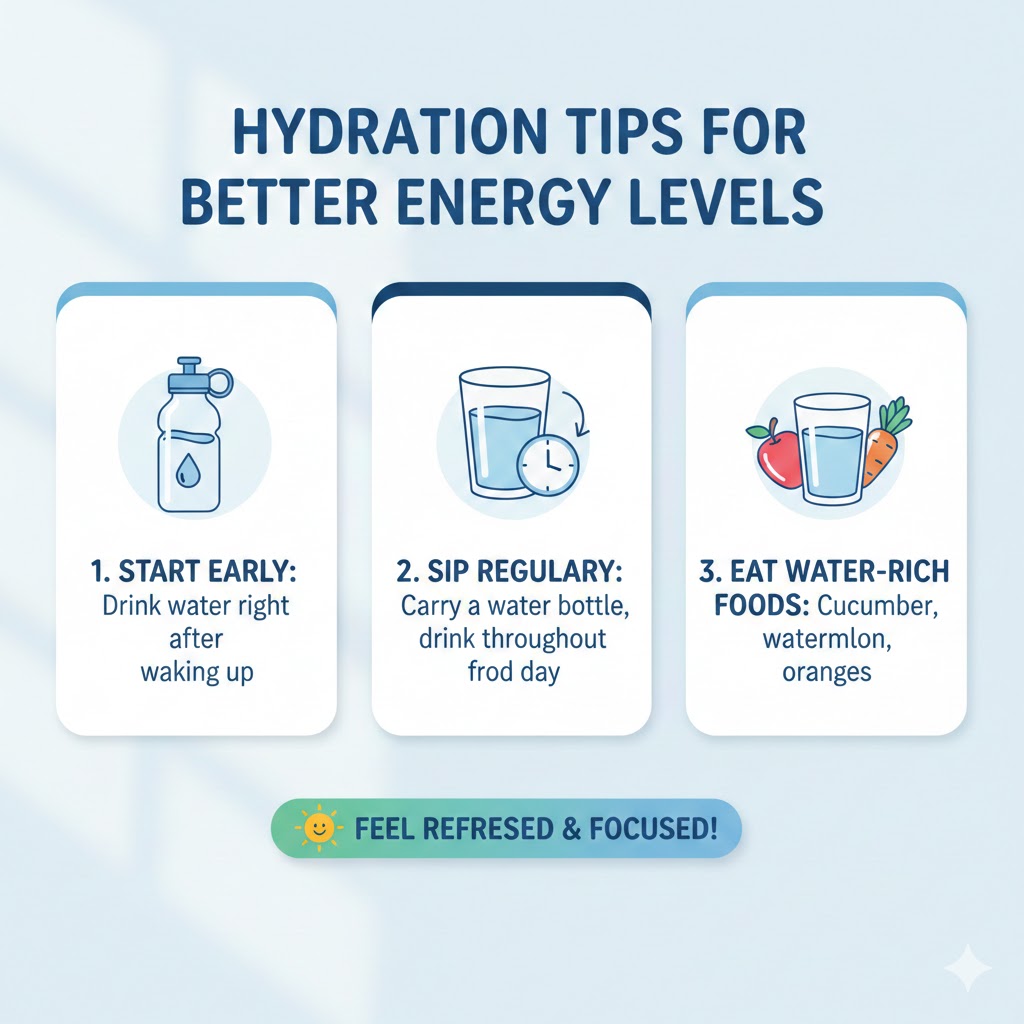
- Drink 300–500 ml water within 10 minutes of waking
- Add lemon or a pinch of salt if desired
- Wait 10–15 minutes before caffeine
This simple habit instantly boosts circulation and alertness.
3. Don’t Rely on Thirst Alone
Thirst is a late signal.
By the time you feel thirsty, dehydration has already started affecting performance.
Smart strategy:
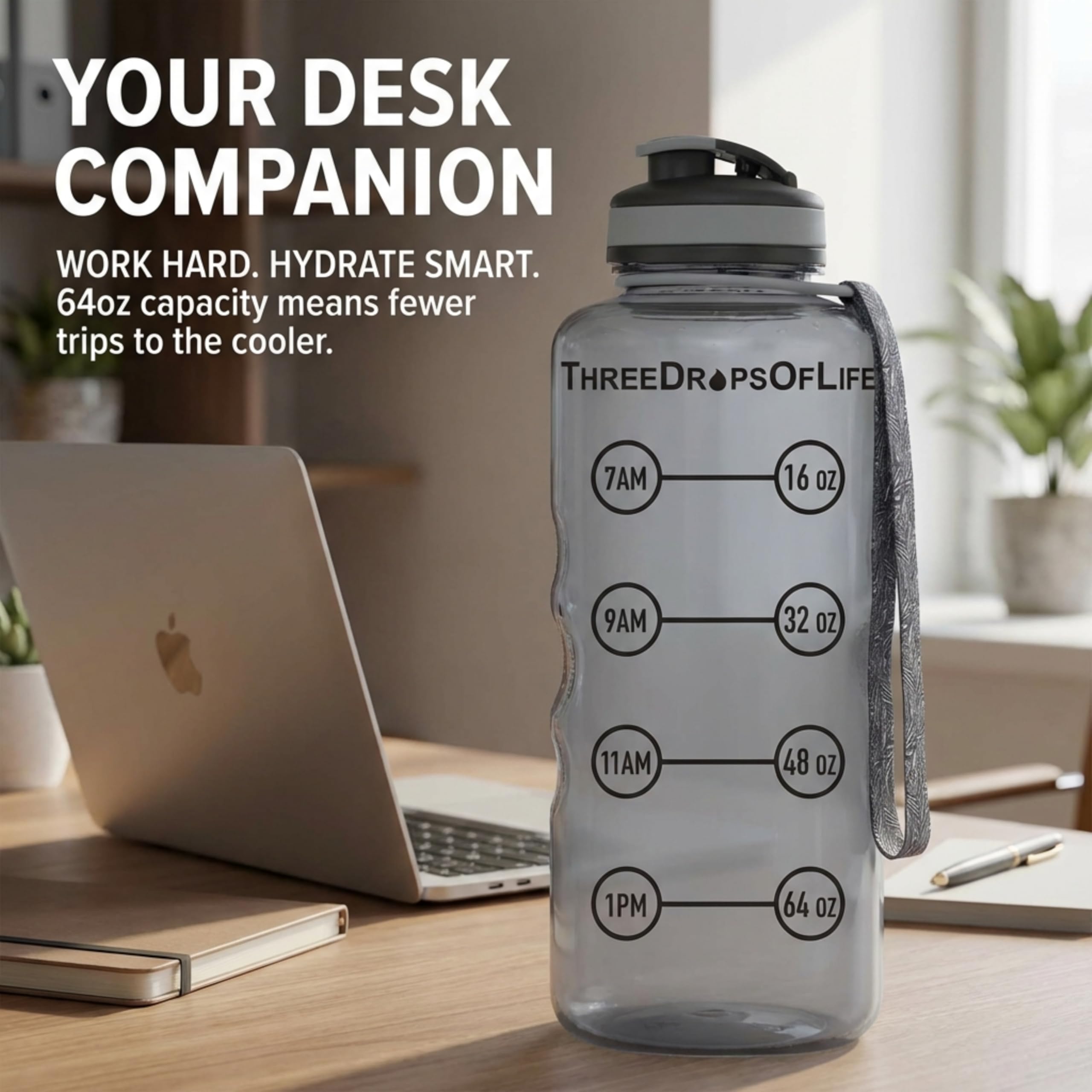
- Sip water every 30–60 minutes
- Keep a visible water bottle nearby
- Use reminders if necessary
Consistency is key for Hydration Tips for Better Energy to work effectively.
4. Balance Electrolytes
Water alone isn’t always enough — especially if you sweat heavily.
Important electrolytes:
- Sodium
- Potassium
- Magnesium
Low electrolytes can cause fatigue, headaches, and muscle weakness.
Add natural sources like coconut water, fruit, or electrolyte mixes when needed.
5. Hydrate Before You Feel Fatigue
Energy dips in the afternoon often relate to hydration.
Instead of immediately reaching for coffee:
- Drink a glass of water
- Take a short walk
- Reassess energy levels
You might be surprised how effective this simple Hydration Tips for Better Energy approach can be.
6. Monitor Urine Color
One of the easiest hydration indicators.
Ideal color:
- Pale yellow
Dark yellow or strong odor may signal dehydration.
7. Eat Water-Rich Foods
Hydration doesn’t come only from liquids.
High-water foods:
- Watermelon
- Cucumber
- Oranges
- Strawberries
- Lettuce
These contribute to overall hydration while providing vitamins and minerals.
8. Adjust Intake Based on Activity Level
Active individuals need more fluids.
Increase water if you:
- Exercise intensely
- Spend time in hot climates
- Consume high caffeine
- Travel frequently
Energy levels drop faster under physical stress.
9. Avoid Excessive Caffeine Dependency
Caffeine can mask dehydration.
While moderate intake is fine, excessive coffee:
- Increases fluid loss
- Raises heart rate
- Causes energy crashes
Balancing caffeine with water is crucial in any Hydration Tips for Better Energy strategy.
10. Create a Hydration Schedule
Structure improves consistency.
Sample daily plan:
- 1 glass upon waking
- 1 glass mid-morning
- 1 glass before lunch
- 1 glass mid-afternoon
- 1 glass before dinner
Adjust based on body size and activity.
11. Add Flavor Naturally
If plain water feels boring:
Try:
- Lemon slices
- Mint leaves
- Cucumber
- Berries
Flavor can increase consistency without adding sugar.
12. Hydration and Brain Function
Your brain is highly sensitive to fluid balance.
Dehydration effects:
- Reduced memory
- Slower reaction time
- Lower concentration
- Increased irritability
Proper hydration supports sustained mental energy.
13. Hydration and Physical Performance
Muscles rely on water for contraction.
Without enough fluids:
- Endurance drops
- Recovery slows
- Cramping risk increases
Athletes often follow structured Hydration Tips for Better Energy to maintain performance.
14. Avoid Overhydration
More isn’t always better.
Excessive water without electrolytes can dilute sodium levels, causing imbalance.
Balance matters more than volume.
15. Signs You’re Properly Hydrated
You likely have good hydration if:
- Urine is light yellow
- Energy feels stable
- Headaches are rare
- Skin feels normal
- No frequent dry mouth
Stable hydration equals stable energy.
16. How Much Water Do You Really Need?
General guidance:
- 2–3 liters daily for most adults
- More if active or in hot climates
However, individual needs vary by body weight and activity level.
Final Verdict: Do Hydration Tips Really Boost Energy?
Absolutely.
Simple Hydration Tips for Better Energy can:
- Improve focus
- Reduce fatigue
- Enhance workout performance
- Support brain clarity
- Stabilize mood
Water isn’t just about survival — it’s about performance optimization.
Before investing in expensive supplements or energy boosters, fix hydration first. It’s one of the simplest, most powerful habits for daily vitality.
Frequently Asked Questions (FAQ)
Q1. Can dehydration cause extreme fatigue?
Yes, even mild dehydration can reduce physical and mental energy.
Q2. Does coffee count toward hydration?
It contributes partially, but water should remain primary.
Q3. Is 8 glasses of water enough?
It depends on body size and activity level.
Q4. Are electrolyte drinks necessary daily?
Not always — mostly after heavy sweating or intense workouts.
Q5. How quickly can hydration improve energy?
Often within 15–30 minutes if dehydration was mild.
Conclusion
Energy doesn’t always require more sleep or more caffeine. Sometimes, it simply requires better hydration habits.
Apply these Hydration Tips for Better Energy consistently, and you may notice improved focus, stamina, and overall daily performance.
Small habit. Big impact.
More Related Topics:
Best Recovery Methods After Intense Workouts (Science-Backed Guide for Faster Muscle Repair)
Collagen Benefits for Skin and Joints (What Science Really Says)
Intermittent Fasting 16:8 Benefits Explained (Complete Beginner’s Guide)