
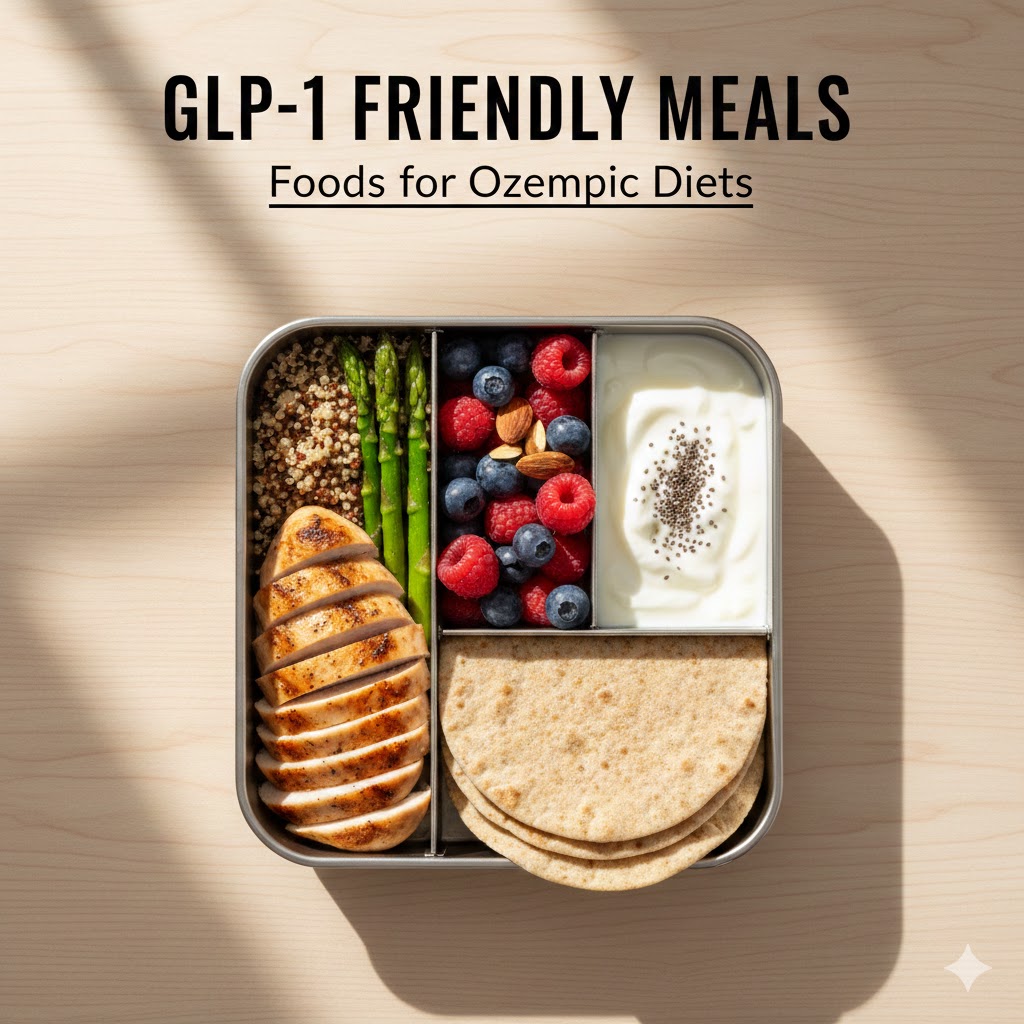
Medications that support appetite regulation have changed how many people approach eating. As a result, food choices are shifting away from large portions and heavy meals toward simpler, more intentional eating. This is where GLP-1 Friendly Meals come into focus.
People following Ozempic-style diets often report reduced hunger, slower digestion, and earlier fullness. Because of that, the goal isn’t eating less randomly—it’s eating smarter. GLP-1 Friendly Meals are designed to support fullness, digestion, and steady energy without discomfort.
In this blog, we break down what GLP-1 Friendly Meals look like, why certain foods work better than others, and how people structure meals on GLP-1–based eating plans.
1. What GLP-1 Friendly Meals Actually Mean
GLP-1 Friendly Meals are meals that align with reduced appetite and slower digestion.
They are typically:
- Smaller in portion
- Easy to digest
- High in protein
- Balanced with fiber and healthy fats
Rather than forcing large meals, these foods work with appetite signals instead of against them.
2. Why Meal Composition Matters on Ozempic Diets
On GLP-1–based diets, people often feel full quickly.
Meals that are too heavy, greasy, or sugary can cause discomfort. That’s why GLP-1 Friendly Meals focus on nutrient density rather than volume.
Well-balanced meals help people feel satisfied without nausea, bloating, or energy crashes.
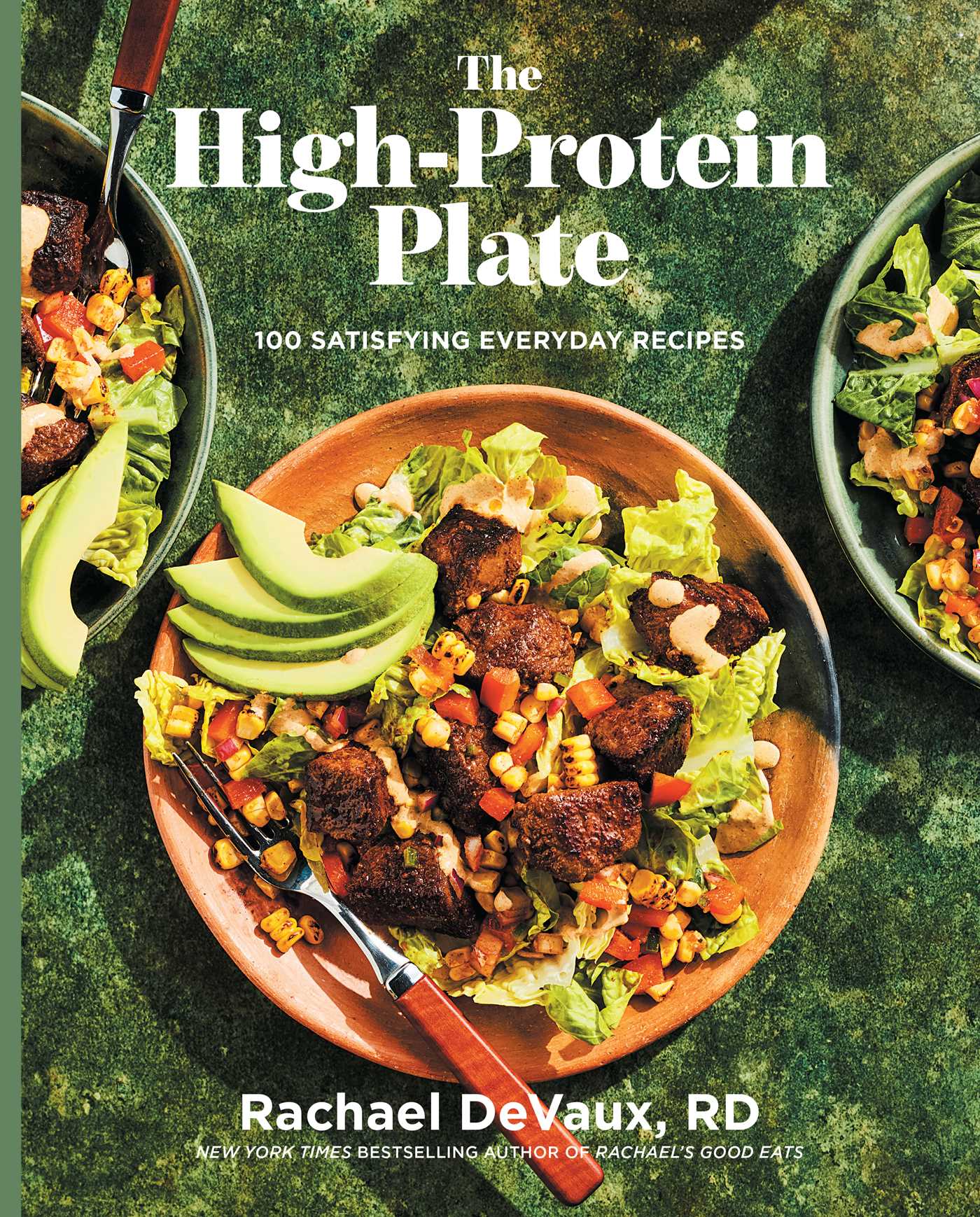
3. Protein as the Foundation of GLP-1 Friendly Meals
Protein plays a central role in GLP-1 eating patterns.
People commonly prioritize:
- Lean meats
- Eggs
- Greek yogurt
- Cottage cheese
- Plant-based proteins
Protein supports muscle, prolongs fullness, and helps stabilize energy levels when overall food intake is lower.
4. Fiber for Gentle Fullness, Not Overload
Fiber is important—but moderation matters.
On Ozempic-style diets, people often choose:
- Cooked vegetables
- Soft fruits
- Oats or rice in small amounts
These options provide fiber without overwhelming digestion. GLP-1 Friendly Meals avoid extremely fibrous or raw-heavy plates that may feel too filling too fast.
5. Healthy Fats for Satisfaction
Healthy fats help meals feel complete.
Common choices include:
- Olive oil
- Avocado
- Nuts in small portions
Rather than large amounts, fats are used strategically to improve taste and satiety without heaviness.

6. Why Simple Foods Work Best
Complex meals can feel overwhelming when appetite is low.
People eating GLP-1 Friendly Meals often prefer:
- Fewer ingredients
- Familiar foods
- Simple cooking methods
This simplicity reduces digestive stress and makes eating feel easier and more consistent.
7. How People Structure Meals Throughout the Day
Instead of three large meals, many people shift toward:
- Smaller meals
- Protein-focused snacks
- Flexible timing
Listening to hunger cues becomes more important than following strict schedules.
8. Foods Commonly Avoided on Ozempic Diets
While individual tolerance varies, many people limit:
- Fried foods
- Very sugary foods
- Large portions of refined carbs
- Heavy sauces
Avoidance isn’t about restriction—it’s about comfort and digestion.
9. Why GLP-1 Friendly Meals Support Long-Term Habits
Extreme dieting doesn’t last.
GLP-1 Friendly Meals work because they:
- Respect appetite signals
- Focus on nourishment
- Reduce food stress
This approach helps people build sustainable eating habits rather than short-term fixes.
10. Final Thoughts: Eating With Your Appetite, Not Against It
GLP-1 Friendly Meals aren’t about rules—they’re about alignment.
By choosing protein-forward, gently balanced meals, people on Ozempic-style diets support fullness, comfort, and consistency. The result isn’t just eating less—it’s eating better for how the body feels now.
No force. No extremes. Just supportive food choices.
FAQs
What are GLP-1 friendly meals?
They are meals designed to support reduced appetite by focusing on protein, moderate fiber, and easy digestion.
Why is protein important on Ozempic diets?
Protein supports fullness, muscle maintenance, and steady energy when overall intake is lower.
Do people eat fewer carbs on GLP-1 diets?
Many people reduce refined carbs and focus on smaller portions of simple, digestible carbs.
Are GLP-1 friendly meals small in size?
Yes, portions are usually smaller but more nutrient-dense.
Can GLP-1 friendly meals be eaten long term?
Yes, they are designed to support sustainable eating habits rather than short-term dieting.
More Related Topics:
Blood-Sugar Balanced Snacks: No Spike, No Crash Eating
Black Garlic: The Antioxidant-Rich Upgrade to Regular Garlic
Chia Seed Water: The Fiber-Rich Drink Behind All-Day Fullness