
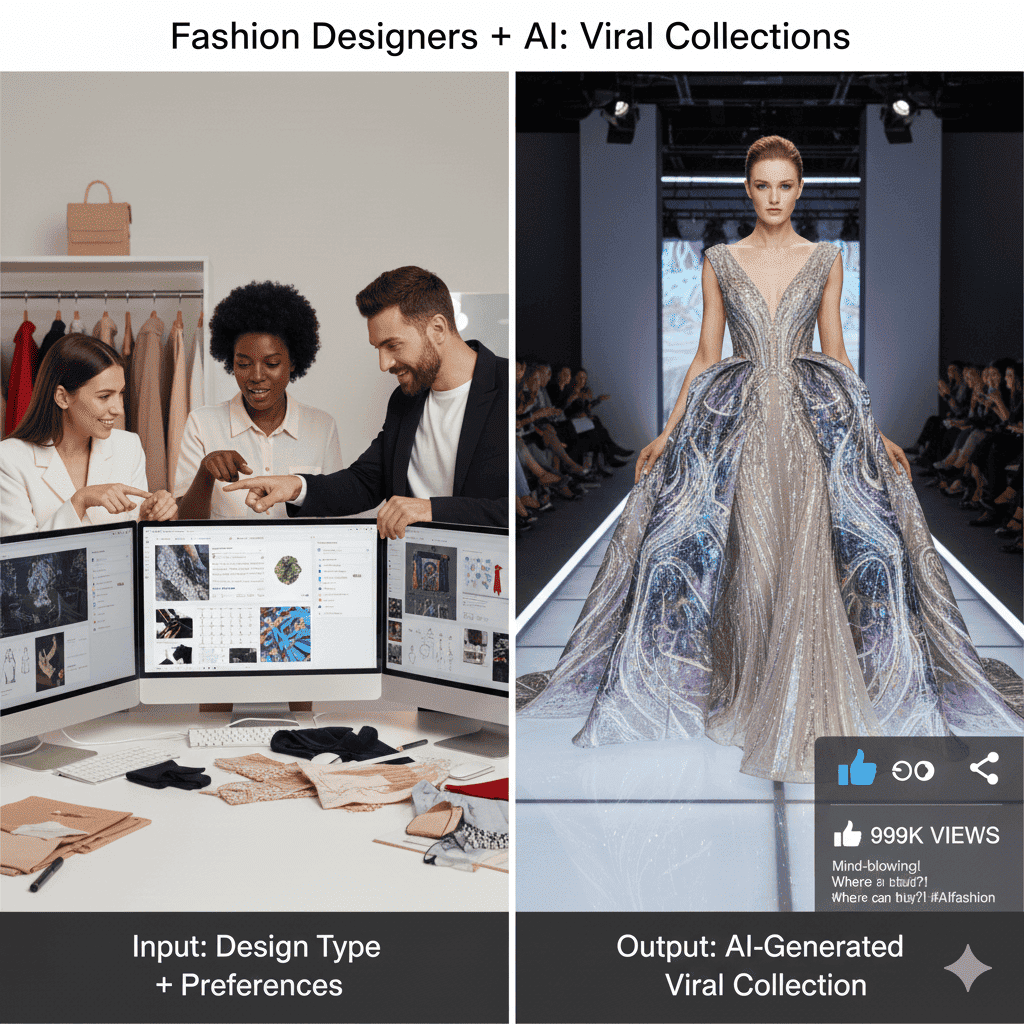
The fashion industry stands at the intersection of art and technology, and nowhere is this more evident than in how fashion designers are using AI to revolutionize their creative process. From conceptualization to production, artificial intelligence has become an indispensable tool for designers seeking to create collections that capture global attention and go viral across social media platforms. This transformation represents not just a technological shift but a fundamental reimagining of how fashion is conceived, created, and consumed.
The integration of AI into fashion design has enabled creators to push boundaries previously constrained by time, resources, and human limitations. Designers who embrace these tools find themselves capable of producing innovative collections that resonate with contemporary audiences while maintaining artistic integrity and vision.
Understanding the AI Fashion Design Revolution
Before diving into specific applications, it’s essential to understand what artificial intelligence brings to fashion design. AI encompasses machine learning algorithms, neural networks, computer vision, and generative models that can analyze vast amounts of data, identify patterns, predict trends, and even generate original designs. Fashion designers are using AI not to replace human creativity but to augment it, expanding possibilities and accelerating processes that traditionally took months into timeframes measured in days or hours.
This technological integration has democratized certain aspects of fashion design while simultaneously enabling established designers to experiment more boldly. The result is a fashion landscape more dynamic, responsive, and innovative than ever before.
1. Trend Forecasting and Market Analysis
Predictive Analytics for Fashion Trends
One of the most powerful ways fashion designers are using AI is through sophisticated trend forecasting systems. These platforms analyze millions of data points from runway shows, street style photography, social media posts, retail sales data, and search engine queries to predict what consumers will want before they know it themselves.
Key data sources analyzed include:
- Social media engagement metrics across platforms
- E-commerce browsing and purchasing patterns
- Fashion week coverage and editorial features
- Celebrity and influencer styling choices
- Street style photography from global fashion capitals
- Historical trend cycles and pattern recurrence
- Economic indicators affecting consumer spending
Real-Time Consumer Sentiment Analysis
AI tools monitor social media conversations, reviews, and online discussions to gauge consumer reactions to styles, colors, silhouettes, and brands. This real-time feedback loop allows designers to adjust their creative direction mid-process.
Sentiment analysis benefits include:
- Immediate understanding of what resonates with target audiences
- Early warning systems for potential controversies or missteps
- Identification of underserved market segments
- Cultural sensitivity checks across different regions
- Micro-trend identification before mainstream adoption
Competitive Intelligence and Market Positioning
Advanced AI systems track competitor activities, helping designers identify white space opportunities and differentiate their collections strategically.
Competitive analysis features:
- Automated competitor collection monitoring
- Price point analysis and market positioning
- Design element tracking across brands
- Collaboration and partnership trend identification
- Market saturation detection for specific styles
2. Generative Design and Creative Ideation
AI-Powered Pattern and Print Creation
Fashion designers are using AI to generate unique patterns, prints, and textile designs that would be impossible or extremely time-consuming to create manually. Generative adversarial networks can produce infinite variations based on designer parameters.
Generative capabilities include:
- Custom print generation based on style preferences
- Color palette optimization for visual harmony
- Texture synthesis mimicking natural and synthetic materials
- Geometric pattern creation with mathematical precision
- Abstract art generation for avant-garde collections
- Cultural motif reinterpretation with contemporary twists
Silhouette and Garment Construction Innovation
AI algorithms can suggest novel silhouettes and construction techniques by analyzing thousands of historical and contemporary designs, then recombining elements in unexpected ways.
Construction innovation areas:
- Draping simulation for unconventional fabrics
- Structural engineering for sculptural designs
- Zero-waste pattern cutting optimization
- Modular design systems for versatility
- Adaptive sizing through parametric design
- Ergonomic fit enhancement through body movement analysis
Collaborative Human-AI Design Process
The most successful designers treat AI as a collaborative partner rather than a replacement. They use AI-generated suggestions as springboards for human creativity, refining and adapting machine outputs with artistic sensibility.
Collaboration workflows include:
- Initial concept generation by AI based on briefs
- Designer curation and refinement of AI suggestions
- Iterative feedback loops improving AI understanding
- Hybrid designs combining human and machine elements
- Final artistic direction maintained by human designers
3. Virtual Fashion and Digital Garments
Creating Viral Digital-Only Collections
A revolutionary way fashion designers are using AI is in creating entirely digital fashion pieces that exist only in virtual spaces. These garments can be “worn” in photos, videos, gaming environments, and metaverse platforms, often generating massive viral attention.
Digital fashion advantages:
- Zero physical production costs and waste
- Unlimited creative possibilities unbound by physics
- Instant global distribution and accessibility
- Lower barriers to entry for emerging designers
- Perfect preservation without degradation
- Environmental sustainability through reduced manufacturing
AI-Enhanced 3D Rendering and Visualization
Advanced AI-powered rendering engines create photorealistic representations of garments, allowing designers to showcase collections before physical production and generate social media buzz.
Rendering capabilities include:
- Realistic fabric simulation with accurate drape and movement
- Lighting and shadow generation for studio-quality images
- Model fitting and posing automation
- Background and environment customization
- Multiple colorway visualization instantly
- Animation and motion capture integration
Augmented Reality Fashion Experiences
Designers use AI-powered AR filters and applications to create interactive experiences where users can virtually try on designs, dramatically increasing engagement and viral potential.
AR experience features:
- Social media filter creation for mass distribution
- Virtual try-on technology for e-commerce
- Interactive runway shows and presentations
- Gamification elements encouraging sharing
- User-generated content facilitation
- Location-based AR fashion installations
4. Sustainable and Ethical Fashion Design
Material Optimization and Waste Reduction
Fashion designers are using AI to address the industry’s environmental impact through intelligent material usage and production planning that minimizes waste while maintaining design integrity.
Sustainability applications include:
- Optimal pattern layouts reducing fabric waste
- Fabric requirement calculations preventing overproduction
- Material substitution suggestions for eco-friendliness
- Lifecycle analysis of garment environmental impact
- Circular design principles integration
- Biodegradability and recyclability assessment
Supply Chain Transparency and Ethical Sourcing
AI systems track materials from origin to finished garment, ensuring ethical production and providing transparency that resonates with conscious consumers.
Supply chain monitoring includes:
- Raw material sourcing verification
- Labor practice auditing and compliance
- Carbon footprint calculation and reduction strategies
- Water usage tracking and optimization
- Chemical usage monitoring and alternatives
- Fair trade certification verification
Demand Forecasting to Prevent Overproduction
One of fashion’s biggest sustainability challenges is overproduction. AI-powered demand forecasting helps designers produce quantities that match actual market demand.
Forecasting benefits:
- Pre-order data analysis for production planning
- Regional demand variation understanding
- Size distribution optimization
- Seasonal adjustment predictions
- Trend longevity estimation
- Restock timing optimization
5. Personalization and Customization at Scale
Mass Customization Through AI
Fashion designers are using AI to offer personalized designs to individual customers while maintaining economic viability, creating viral moments when customers share their unique pieces.
Customization options include:
- Body measurement-based pattern adjustment
- Style preference algorithms matching designs to individuals
- Color and print personalization within collection parameters
- Modular design elements allowing mix-and-match
- Monogramming and personal detail integration
- Occasion-specific design modifications
Adaptive Fashion for Diverse Bodies
AI enables designers to create collections that adapt to diverse body types, abilities, and needs, expanding market reach and generating positive social media attention.
Adaptive design features:
- Inclusive sizing through parametric grading
- Accessibility features for differently-abled individuals
- Adjustable elements accommodating body fluctuations
- Magnetic closures and easy-access fastenings
- Sensory-friendly fabric and construction options
- Prosthetic-compatible design considerations
Virtual Styling and Look Creation
AI styling assistants help customers create complete looks from designer collections, increasing engagement and purchase likelihood while generating shareable content.
Styling assistance includes:
- Head-to-toe outfit generation from collection pieces
- Accessory pairing recommendations
- Occasion-appropriate ensemble suggestions
- Personal style quiz integration
- Celebrity and influencer look recreation
- Mix-and-match visualization tools
6. Social Media Optimization and Viral Marketing
AI-Generated Marketing Content
Fashion designers are using AI to create compelling marketing materials that are optimized for social media algorithms, increasing the likelihood of viral distribution.
Content creation capabilities:
- Caption generation with trending keywords and hashtags
- Optimal posting time recommendations
- Image enhancement and aesthetic consistency
- Video editing and highlight reel creation
- Influencer collaboration matching
- User-generated content curation
Predictive Viral Potential Analysis
Before launching collections, AI can analyze designs and predict their viral potential based on visual elements, cultural relevance, and current social media trends.
Viral prediction factors:
- Visual distinctiveness and memorability
- Shareability quotient of design elements
- Controversy or conversation potential
- Meme-ability and remix culture compatibility
- Platform-specific optimization features
- Timing alignment with cultural moments
Micro-Influencer Identification and Partnership
AI tools identify micro-influencers whose audiences align perfectly with designer brands, creating authentic partnerships that drive viral collection launches.
Influencer analysis includes:
- Audience demographic matching
- Engagement rate authentication
- Content style compatibility assessment
- Brand value alignment verification
- Geographic reach optimization
- Growth trajectory and potential prediction
7. Runway Show Innovation and Digital Presentations
AI-Choreographed Fashion Shows
Fashion designers are using AI to plan and execute runway shows that incorporate technology in visually stunning ways, creating shareable moments that dominate social media.
Show innovation elements:
- Model selection and casting diversity optimization
- Music synchronization with garment reveals
- Lighting design responsive to garments
- Holographic and projection mapping integration
- Real-time audience interaction features
- Multi-location simultaneous presentations
Virtual and Hybrid Runway Experiences
AI enables the creation of virtual fashion shows that reach global audiences simultaneously, democratizing access and maximizing viral potential.
Virtual show features:
- 360-degree viewing capabilities
- Interactive element selection and exploration
- Instant shopping links from runway to cart
- Behind-the-scenes AI-generated content
- Real-time translation and accessibility features
- Gamification and audience participation rewards
Post-Show Content Automation
AI systems automatically generate highlight reels, look books, and social media content from fashion shows, ensuring immediate post-event engagement.
Automated content includes:
- Individual look photography and cataloging
- Trend report generation from collection analysis
- Press release drafting with key talking points
- Comparison content showing design evolution
- Celebrity and editor reaction compilation
- Sales prediction and highlight identification
8. Collaborative Design and Crowdsourcing
Community-Driven Design Input
Fashion designers are using AI to incorporate community feedback into design processes, creating collections that reflect actual consumer desires while building anticipation.
Crowdsourcing applications:
- Design element voting and preference gathering
- Color palette selection through community polling
- Silhouette refinement based on feedback
- Name-the-collection competitions
- Collaborative mood boarding
- Beta testing programs for select customers
AI-Facilitated Co-Creation
Some designers use AI platforms that allow customers to co-create designs within certain parameters, generating unique pieces and building brand loyalty.
Co-creation features include:
- Guided design interfaces with constraint parameters
- Real-time feasibility and cost feedback
- Community gallery sharing creative designs
- Designer curation of community-created pieces
- Limited edition production of popular co-creations
- Credit and recognition for contributing customers
Cross-Industry Collaboration Matching
AI systems identify potential collaboration partners from other industries, art forms, or cultural spaces, leading to unexpected viral collections.
Collaboration identification:
- Brand value alignment analysis
- Audience overlap and expansion potential
- Creative style compatibility assessment
- Market timing optimization
- Legal and licensing consideration flagging
- Historical collaboration success pattern analysis
9. Quality Control and Production Excellence
Automated Design Flaw Detection
Before collections reach production, AI systems can identify potential construction problems, fit issues, or design flaws that might generate negative viral attention.
Quality assurance checks:
- Structural integrity analysis
- Wear simulation over time
- Movement restriction identification
- Potential wardrobe malfunction prevention
- Material compatibility verification
- Care and maintenance feasibility assessment
Prototype Iteration Acceleration
Fashion designers are using AI to rapidly iterate through prototype versions, testing variations and improvements faster than traditional methods allow.
Iteration benefits:
- Virtual prototyping reducing physical sample needs
- Multiple simultaneous variation testing
- Fit testing across diverse virtual body models
- Material substitution comparison
- Cost-benefit analysis of design changes
- Production method optimization
Manufacturing Process Optimization
AI optimizes production workflows, ensuring collections are manufactured efficiently without compromising quality, allowing designers to focus on creative aspects.
Manufacturing optimization:
- Production sequencing for efficiency
- Resource allocation and scheduling
- Quality checkpoint identification
- Defect pattern recognition and prevention
- Equipment maintenance prediction
- Labor skill matching to task complexity
10. Heritage Brand Modernization and Archive Utilization
AI-Powered Archive Mining
Established fashion houses use AI to analyze decades of archived designs, identifying elements that can be reimagined for contemporary collections that honor heritage while feeling fresh.
Archive analysis includes:
- Pattern and motif extraction from historical pieces
- Signature design element identification
- Color palette evolution tracking
- Silhouette modernization suggestions
- Cultural context and historical significance documentation
- Reissue potential evaluation
Modernizing Classic Designs
Fashion designers are using AI to update iconic designs for modern audiences, balancing nostalgia with contemporary relevance to create viral moments.
Modernization strategies:
- Fabric technology upgrades maintaining original aesthetics
- Silhouette adjustments for current body preferences
- Color updates reflecting contemporary palettes
- Sustainability improvements over original production
- Cultural sensitivity updates when appropriate
- Sizing expansion for inclusivity
Brand Story Enhancement
AI helps designers craft compelling narratives around collections that connect heritage with innovation, creating shareable brand stories.
Storytelling elements:
- Historical research and fact compilation
- Visual timeline creation showing evolution
- Founder and artisan story highlighting
- Craftsmanship technique documentation
- Cultural impact and influence tracking
- Contemporary relevance connection
The Future of AI in Fashion Design
The relationship between fashion designers and AI continues to evolve rapidly, with emerging technologies promising even more revolutionary capabilities. Future developments will likely include fully autonomous design systems working alongside human creatives, neural interfaces allowing direct thought-to-design translation, and quantum computing enabling previously impossible design calculations.
Emerging technologies on the horizon:
- Emotion-responsive adaptive garments
- Nano-technology integration in fabrics
- Biodegradable smart textiles
- Brain-computer interface design tools
- Quantum simulation of textile properties
- DNA-based authentication and personalization
Maximizing AI Tools for Fashion Success
For designers looking to leverage AI effectively, success requires balancing technological capability with artistic vision. The most viral collections come from designers who use AI as an enhancement tool rather than a replacement for human creativity.
Best practices for AI integration:
- Start with clear creative vision and brand identity
- Use AI for research and exploration, not just automation
- Maintain final creative control over all outputs
- Invest in learning and understanding AI capabilities
- Collaborate with technologists who understand fashion
- Prioritize authenticity over purely algorithmic optimization
- Test AI tools before full integration into workflows
- Stay informed about emerging AI capabilities
Conclusion
The ways fashion designers are using AI to create viral collections represent a fundamental shift in how fashion operates. From initial trend forecasting through design generation, production optimization, and marketing amplification, artificial intelligence touches every aspect of modern fashion creation. The designers who thrive in this new landscape are those who embrace AI’s capabilities while maintaining their unique creative voices and human perspectives.
The viral collections capturing global attention today increasingly result from sophisticated AI-human collaboration, where technology handles data analysis, pattern recognition, and optimization while human designers provide artistic direction, emotional resonance, and cultural understanding. This partnership enables faster iteration, bolder experimentation, and more responsive design than ever before possible.
Also read this:
AI Tools That Create Full Glam + Outfit Looks for Any Event: Your Digital Style Revolution