
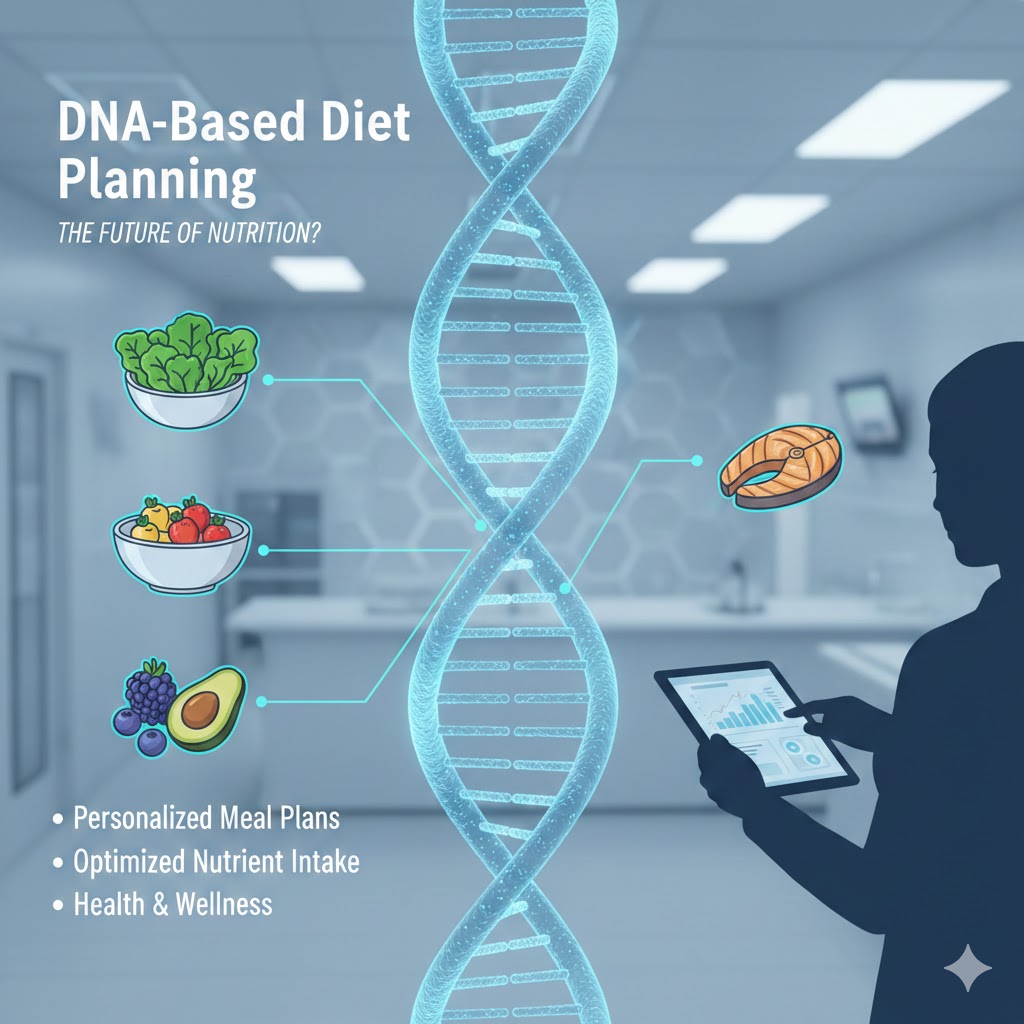
DNA-Based Diet Planning For decades, nutrition advice has followed a one-size-fits-all approach. Calorie counting, food pyramids, and generic diet plans have dominated health conversations—yet results vary wildly from person to person. What works well for one individual may fail completely for another.
This inconsistency has driven interest in DNA-Based Diet Planning, a personalized approach that uses genetic information to guide food choices, nutrient intake, and long-term dietary strategy. In 2026, this concept is moving from novelty to mainstream discussion, raising an important question: Is DNA-based diet planning truly the future of nutrition, or just another health trend?
This article explores how DNA-based diet planning works, its potential benefits, limitations, and where it realistically fits into modern nutrition.

1. What DNA-Based Diet Planning Actually Means
Before evaluating impact, it’s important to clarify what this approach involves.
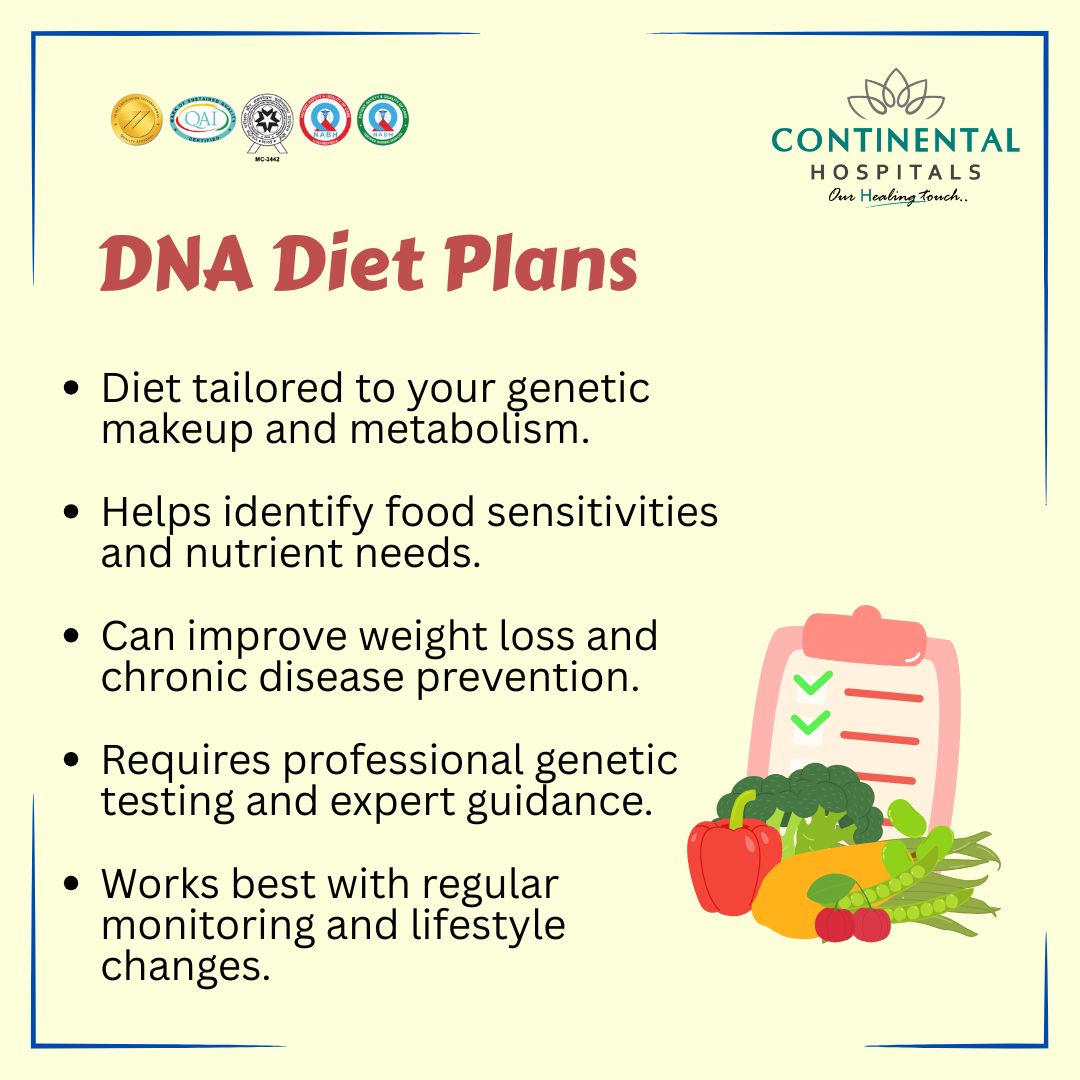
Simple Definition
DNA-Based Diet Planning uses genetic data to:
- Analyze how the body processes nutrients
- Identify genetic tendencies related to metabolism
- Support personalized food and lifestyle recommendations
What It Does Not Do
- Predict exact health outcomes
- Replace medical diagnosis
- Guarantee specific weight loss results
It provides guidance, not certainty.
2. Why One-Size-Fits-All Diets Often Fail
Human biology is highly individual.
Key Differences Between Individuals
- Carbohydrate and fat metabolism
- Vitamin and mineral absorption
- Sensitivity to caffeine or lactose
- Inflammatory responses to certain foods
DNA-based insights help explain why identical diets can produce opposite results in different people.
This is one of the strongest arguments in favor of DNA-Based Diet Planning.
3. How Genetic Data Is Used in Nutrition Planning
DNA testing focuses on specific genetic markers linked to nutrition.
Common Areas Analyzed
- Macronutrient processing (carbs, fats, proteins)
- Micronutrient needs (vitamins, minerals)
- Food sensitivities and intolerances
- Appetite and satiety regulation
The data is combined with lifestyle factors to create personalized recommendations.

4. Potential Benefits of DNA-Based Diet Planning
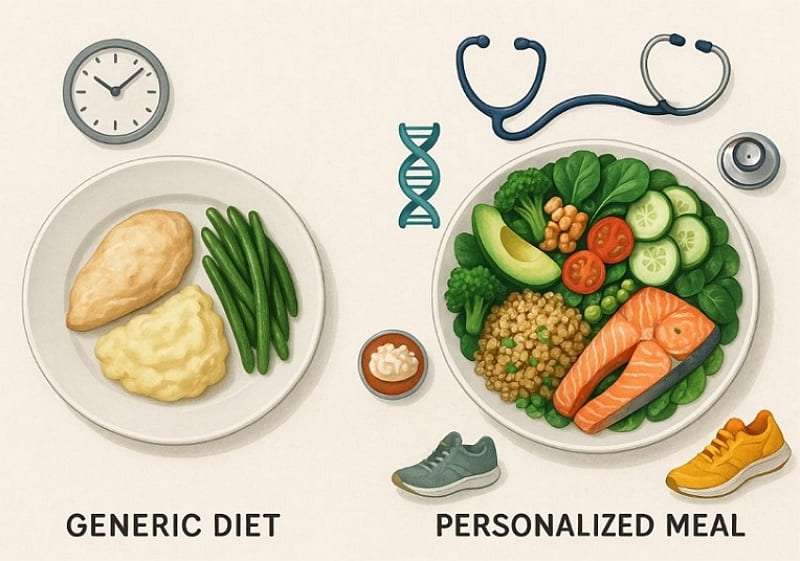
Personalization is the main advantage.
Key Benefits
- More targeted nutrition guidance
- Reduced trial-and-error dieting
- Better understanding of individual responses to food
- Increased long-term adherence to dietary plans
For many people, DNA-Based Diet Planning improves clarity and consistency rather than enforcing strict rules.
5. Where DNA-Based Diet Planning Falls Short
Despite its promise, it has limitations.
Important Constraints
- Genetics influence risk, not destiny
- Environmental factors still matter more
- Data interpretation varies between providers
- Research is still evolving
Genes provide a blueprint, but lifestyle choices determine outcomes.
6. DNA vs Lifestyle: What Really Matters More?
Nutrition is influenced by multiple layers.
Relative Impact
- Genetics: sets tendencies and limits
- Lifestyle: determines daily outcomes
- Environment: shapes food availability and habits
The most effective approach combines genetic insight with behavior, not one or the other alone.
7. Who Benefits Most From DNA-Based Diet Planning
This approach is not necessary for everyone.
Best Fit For
- People frustrated with generic diets
- Long-term health and longevity planners
- Those interested in preventive nutrition
- Data-driven individuals
For others, basic nutrition principles may be sufficient.
8. Is DNA-Based Diet Planning the Future of Nutrition?
The answer is nuanced.
Likely Future Role
- A supporting tool, not a replacement
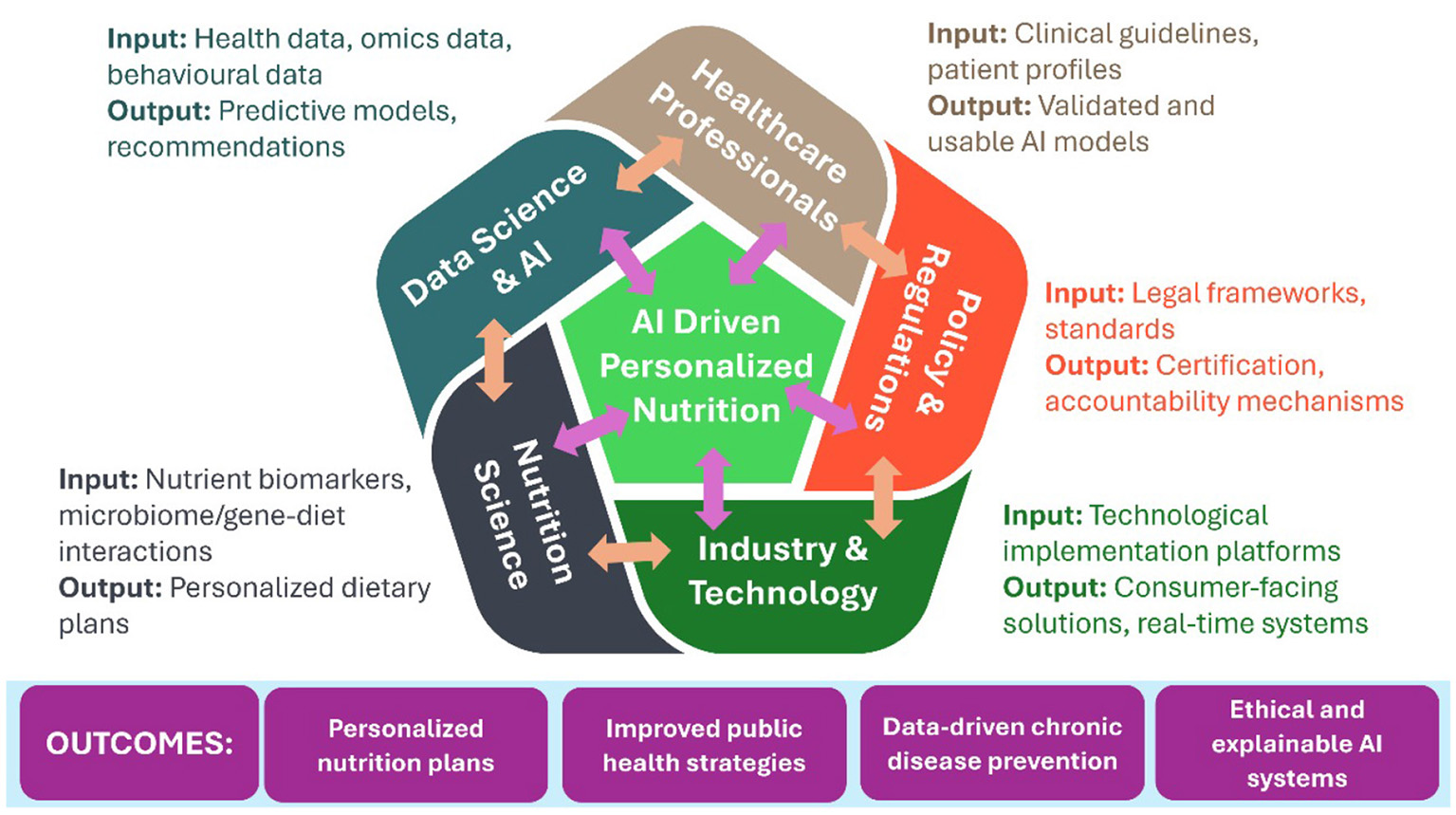
- Part of personalized wellness programs
- Combined with wearable and lifestyle data
In 2026 and beyond, DNA-Based Diet Planning is best viewed as an enhancement to nutritional decision-making—not a standalone solution.
Frequently Asked Questions
What is DNA-Based Diet Planning?
It is a personalized nutrition approach that uses genetic data to guide dietary recommendations.
Can DNA-based diets guarantee weight loss?
No. They provide guidance, not guaranteed outcomes.
Is DNA testing for diet scientifically supported?
Some genetic links are well-studied, while others are still being researched.
Should DNA-based diet planning replace traditional nutrition advice?
No. It works best alongside foundational nutrition principles.
Is DNA-based diet planning suitable for everyone?
It’s most useful for people seeking personalized, long-term dietary insight.
Final Thoughts
Nutrition is becoming more personal, and DNA-based insights are part of that evolution. While genetics alone can’t dictate the perfect diet, they can offer valuable clues about how the body responds to food.
The growing interest in DNA-Based Diet Planning reflects a broader shift toward precision wellness—where understanding your biology helps inform smarter, more sustainable choices.
The future of nutrition isn’t about abandoning traditional advice.
It’s about refining it to fit the individual.
More Related Topics:
Attention Fragmentation Explained: How Short Videos Are Affecting Brain Health