
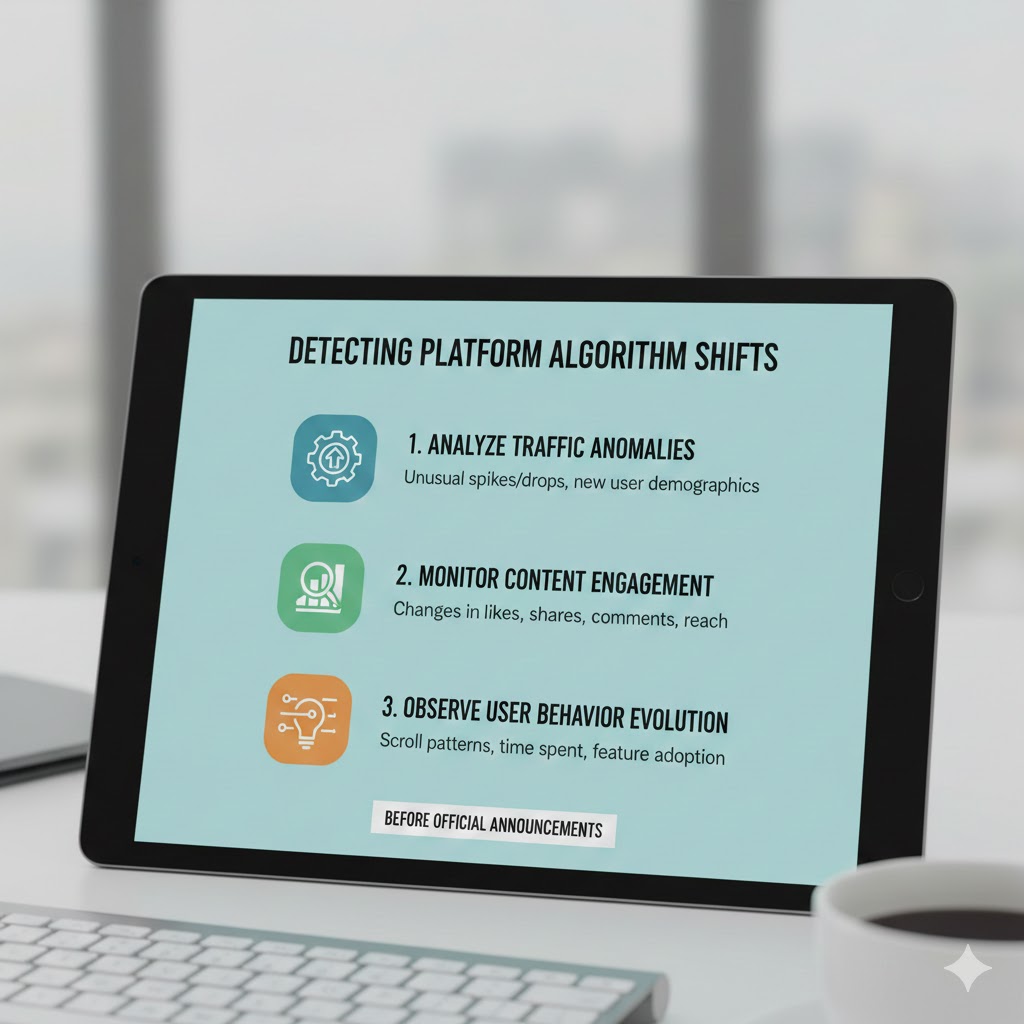
Social media algorithms are the invisible forces that determine whether your content reaches thousands or gets buried in obscurity. Platforms like Instagram, Facebook, YouTube, TikTok, and LinkedIn constantly tweak their algorithms, often without warning or official announcements. For content creators, marketers, and businesses, these changes can make the difference between thriving and becoming irrelevant overnight.
The ability to detect platform algorithm changes before they’re officially announced gives you a crucial competitive advantage. While others scramble to understand why their reach suddenly dropped, you’ll already be adapting your strategy. This comprehensive guide will teach you exactly how to identify algorithm shifts early, interpret the signals, and adjust your approach before your competitors even realize something has changed.
1. Understanding Why Platforms Change Algorithms Without Warning
The Business Motivations Behind Algorithm Updates
Social media platforms are businesses first and foremost. Every algorithm change serves strategic business objectives that aren’t always aligned with creator interests.
Primary Platform Objectives:
- Maximizing user time spent on the platform
- Increasing ad revenue through better placement opportunities
- Improving user experience and satisfaction metrics
- Promoting new features or content formats
- Responding to competitive pressures from rival platforms
- Addressing regulatory concerns and public criticism
The Pattern of Stealth Updates
Platforms have learned that announcing algorithm changes often creates backlash from creators and users. Instead, they implement gradual shifts that fly under the radar until someone notices declining performance. When you learn to detect platform algorithm changes proactively, you can avoid the pain of sudden traffic drops and engagement crashes.
Why Early Detection Matters
The creators and brands that succeed long-term are those who adapt quickly to change. By the time a platform officially confirms an algorithm update, millions of content pieces have already been negatively affected. Early detection allows you to pivot your strategy while maintaining momentum rather than rebuilding from scratch.
2. Key Performance Indicators That Signal Algorithm Changes
Engagement Rate Anomalies
Your engagement rate is often the first indicator that something has shifted in how the platform distributes your content.
Critical Engagement Metrics:
- Sudden drops in likes relative to follower count
- Decreased comment activity on similar content types
- Changes in shares and saves ratios
- Shifts in story or reel interactions compared to feed posts
- Variations in engagement timing and velocity
How to Track Effectively:
- Calculate your average engagement rate over the past 30 days
- Compare current performance to this baseline daily
- Look for sustained changes rather than one-off fluctuations
- Segment analysis by content type, posting time, and format
- Track competitor engagement rates for broader context
Reach and Impression Patterns
Reach tells you how many unique users saw your content, while impressions show total views. Changes in these metrics often indicate the algorithm is distributing your content differently.
Reach Indicators:
- Declining organic reach despite consistent posting
- Changes in the ratio between follower and non-follower reach
- Shifts in geographic distribution of your audience
- Variations in reach velocity in the first hours after posting
- Changes in how content surfaces in explore or discovery feeds
Advanced Tracking Methods:
- Create spreadsheets tracking reach by content type and day
- Monitor what percentage of your followers see your posts
- Track virality coefficient for posts breaking beyond your audience
- Analyze time-to-peak-reach for different content formats
- Compare reach patterns across multiple accounts if possible
Follower Growth Velocity
While follower count fluctuations can have many causes, sudden changes often correlate with algorithm adjustments that affect discoverability.
Growth Pattern Analysis:
- Track daily follower gains and losses
- Monitor unfollows relative to new content publication
- Analyze which content types drive the most follower acquisition
- Identify changes in follower quality and engagement behavior
- Track follower demographics shifts over time
3. Advanced Monitoring Techniques to Detect Platform Algorithm Changes
Cross-Account Comparison Analysis
Relying solely on your own account data creates blind spots. Systematic comparison across multiple accounts reveals patterns that indicate platform-wide changes.
Comparison Framework:
- Monitor 5-10 accounts in your niche with similar audience sizes
- Track competitors’ posting frequency and engagement shifts
- Join creator groups where members share performance data
- Analyze accounts in different niches for universal vs. niche-specific changes
- Use social listening tools to aggregate broader performance trends
What to Look For:
- Multiple accounts experiencing similar drops simultaneously
- Specific content formats performing differently across the board
- Changes affecting certain account sizes but not others
- Timing patterns that suggest phased rollouts
- Geographic variations in impact suggesting regional testing
Behavior Pattern Recognition
Platforms often test algorithm changes with small user segments before full rollout. Recognizing these test patterns helps you detect platform algorithm changes in their earliest stages.
Testing Indicators:
- Inconsistent performance across your audience segments
- Some followers seeing content while others don’t
- Different results based on user activity levels
- Variations in how content performs at different times
- Regional or demographic discrepancies in distribution
Documentation System:
- Create detailed logs of unusual performance patterns
- Screenshot analytics during anomalies for reference
- Note dates and specifics of strange behavior
- Cross-reference with creator community reports
- Build a historical database of past changes for pattern matching
Content Format Performance Shifts
Algorithm changes often prioritize certain content types over others as platforms push strategic initiatives.
Format Monitoring:
- Track performance differences between photos, videos, carousels, and stories
- Monitor how length affects video performance over time
- Analyze whether text-heavy vs. visual-focused content performs differently
- Observe changes in how link-containing posts are distributed
- Track native content vs. cross-posted content performance gaps
4. Technical Tools and Resources for Algorithm Detection
Analytics Platform Deep Dives
Native platform analytics provide valuable data, but third-party tools offer deeper insights and trend detection capabilities.
Essential Analytics Tools:
- Platform native insights for baseline data
- Hootsuite or Sprout Social for cross-platform comparison
- Later or Planoly for Instagram-specific deep analytics
- TubeBuddy or VidIQ for YouTube algorithm tracking
- LinkedIn Analytics for professional platform monitoring
Data Export and Analysis:
- Regularly export analytics data before platforms change reporting
- Build custom dashboards in Google Data Studio or Tableau
- Use spreadsheet formulas to calculate rolling averages and trends
- Create alert systems for when metrics deviate from baseline
- Maintain historical data for long-term pattern analysis
Community Intelligence Networks
Individual detection is powerful, but collective intelligence amplifies your ability to detect platform algorithm changes across the entire ecosystem.
Community Resources:
- Join platform-specific creator Discord servers and Slack groups
- Participate in subreddits dedicated to platform strategies
- Follow industry newsletters that aggregate creator reports
- Attend virtual meetups and webinars with other creators
- Build direct relationships with creators for data sharing
Information Validation:
- Cross-reference multiple sources before drawing conclusions
- Distinguish between individual issues and platform-wide changes
- Consider sample size when evaluating community reports
- Watch for coordinated complaints that suggest real changes
- Separate speculation from verified pattern observation
API Access and Technical Monitoring
For developers and technical users, direct API access provides the most granular data for detecting algorithm changes.
Technical Approaches:
- Use official platform APIs to pull detailed performance metrics
- Monitor API response patterns for changes in data structure
- Track rate limits and endpoint behavior modifications
- Analyze webhook delivery patterns for distribution changes
- Build custom monitoring scripts for automated alert systems
5. Interpreting the Signals: What Different Changes Mean
Distribution Algorithm Adjustments
These changes affect how content is shown to users and in what order.
Common Distribution Changes:
- Chronological vs. algorithmic feed balance shifts
- Changes in how hashtags affect discoverability
- Modifications to explore page or “For You” feed logic
- Adjustments to how follower size affects initial distribution
- Updates to how engagement velocity impacts further distribution
Strategic Response:
- Test posting times to find new optimal windows
- Experiment with hashtag strategies as distribution changes
- Adjust content pacing based on new velocity requirements
- Optimize first-hour engagement tactics
- Adapt to new follower reach percentages
Engagement Ranking Updates
These algorithm changes alter how engagement signals are weighted in content distribution decisions.
Engagement Weight Shifts:
- Changes in how saves are valued vs. likes
- Modifications to comment quality vs. quantity importance
- Updates to how shares impact algorithmic promotion
- Adjustments to engagement time window significance
- Changes in how negative signals like hides affect reach
Adaptation Strategies:
- Shift calls-to-action to prioritize newly-valuable engagement types
- Create content specifically designed for high-value interactions
- Adjust engagement pod strategies if using them
- Focus on meaningful engagement quality over quantity
- Test different engagement baiting approaches ethically
Content Quality and Safety Updates
Platforms increasingly use AI to assess content quality and appropriateness, affecting distribution.
Quality Assessment Changes:
- Updates to what the platform considers high-quality content
- Modifications to clickbait and misleading content detection
- Changes in how original vs. reposted content is treated
- Updates to misinformation and fact-checking integration
- Adjustments to brand safety and advertiser-friendly guidelines
6. Real-Time Detection and Response Framework
Building Your Early Warning System
A systematic approach to monitoring allows you to detect platform algorithm changes as soon as they affect your content.
Daily Monitoring Routine:
- Check analytics first thing each morning for anomalies
- Review the previous day’s content performance vs. expectations
- Scan creator communities for widespread reports
- Compare your metrics to benchmarks from similar accounts
- Document any unusual patterns in your tracking system
Weekly Analysis Process:
- Calculate rolling seven-day averages for key metrics
- Compare week-over-week performance by content type
- Analyze outlier content for both success and failure
- Review competitor performance trends
- Update your algorithm change hypothesis document
Monthly Strategic Review:
- Identify confirmed vs. suspected algorithm changes
- Analyze how changes affected your overall performance
- Document what strategy adjustments worked
- Plan content experiments for the coming month
- Update your long-term strategy based on trend direction
Rapid Response Protocols
When you detect a change, quick action minimizes negative impact and capitalizes on opportunities.
Immediate Actions:
- Pause scheduled content that may be affected negatively
- Accelerate posting of content aligned with new algorithm priorities
- Alert team members and stakeholders about detected changes
- Increase monitoring frequency to gather more data quickly
- Begin A/B testing to determine new best practices
Testing Framework:
- Create control groups using your historical successful content types
- Test variables one at a time to isolate algorithm preferences
- Run tests across different times and days for comprehensive data
- Document results meticulously for future reference
- Scale successful tests gradually while continuing to validate
Communication and Stakeholder Management
When algorithm changes impact performance, transparent communication with stakeholders is crucial.
Internal Communication:
- Provide context about algorithm changes vs. content quality issues
- Share data showing industry-wide trends to avoid panic
- Present adaptation strategies with timeline expectations
- Set realistic expectations for recovery periods
- Update KPIs temporarily if necessary to reflect new reality
7. Platform-Specific Detection Strategies
Instagram Algorithm Tracking
Instagram’s algorithm is particularly complex, with separate systems for feed, stories, reels, and explore.
Instagram-Specific Signals:
- Reel reach compared to regular post reach ratios
- Story completion rates and engagement patterns
- Hashtag performance and reach attribution changes
- Tagged location visibility fluctuations
- Audio track trend integration effects
Detection Tools:
- Instagram Insights native analytics
- Creator Studio for cross-posting analysis
- Third-party tools like Iconosquare or Metricool
- Story sticker interaction tracking
- Reel-specific analytics deep dives
YouTube Algorithm Monitoring
YouTube’s recommendation system drives the vast majority of views, making algorithm detection critical.
YouTube Detection Methods:
- Click-through rate patterns from impressions
- Average view duration trends by content type
- Watch time contribution to channel performance
- Subscriber vs. non-subscriber view ratios
- Traffic source distribution changes
YouTube-Specific Tools:
- YouTube Studio advanced analytics
- Thumbnail A/B testing platforms
- Title optimization tools
- TubeBuddy or VidIQ for competitive analysis
- Search ranking trackers for target keywords
TikTok For You Page Algorithm
TikTok’s algorithm is the most aggressive in promoting content, making changes particularly impactful to detect platform algorithm changes early.
TikTok Signals:
- First hour view velocity requirements
- Completion rate thresholds for further promotion
- Share rate correlation to FYP placement
- Sound usage impact on discoverability
- Follower vs. For You view distribution shifts
LinkedIn Professional Algorithm
LinkedIn serves a professional audience with different engagement patterns and algorithm priorities.
LinkedIn Detection Focus:
- Connection vs. follower content distribution
- Comment quality impact on professional audiences
- Native video vs. link post performance gaps
- Personal profile vs. company page reach differences
- Time-of-day and day-of-week performance patterns
8. Long-Term Strategy Adaptation
Building Algorithm-Resistant Content Strategies
While detecting changes is valuable, building resilience to algorithm fluctuations provides stability.
Resilience Tactics:
- Diversify content formats so no single type dominates
- Build direct communication channels like email lists
- Create platform-agnostic content that works anywhere
- Develop strong community that engages regardless of algorithm
- Maintain presence across multiple platforms for risk distribution
Sustainable Practices:
- Focus on genuine value creation over algorithm gaming
- Build real relationships with your audience
- Create evergreen content with lasting appeal
- Invest in content quality that transcends algorithm changes
- Maintain authentic voice that resonates regardless of distribution
Predictive Analysis and Trend Forecasting
The most successful creators don’t just react to changes; they anticipate them by understanding platform business objectives.
Prediction Framework:
- Study platform earnings reports and strategic priorities
- Analyze new features and what behavior they incentivize
- Monitor platform leadership statements and blog posts
- Observe what competitors are testing and emphasizing
- Track broader tech industry trends affecting social media
Strategic Positioning:
- Early adoption of new features platforms want to promote
- Gradual shift toward anticipated algorithm preferences
- Building capabilities for multiple possible future scenarios
- Maintaining flexibility to pivot quickly when needed
- Creating content libraries that work across algorithm types
Documentation and Institutional Knowledge
Organizations that systematically document algorithm changes build valuable institutional knowledge.
Documentation System:
- Maintain detailed logs of detected changes with dates
- Record which strategies worked during each algorithm version
- Create playbooks for responding to specific change types
- Build case studies from successful adaptation examples
- Share knowledge across teams and preserve it through personnel changes
Conclusion
The ability to detect platform algorithm changes before official announcements is no longer optional for serious content creators and digital marketers. It’s a fundamental skill that separates those who consistently succeed from those who experience frustrating performance rollercoasters.
By implementing the monitoring systems, analysis frameworks, and response protocols outlined in this guide, you’ll position yourself to thrive regardless of how platforms evolve their algorithms. You’ll spot changes while competitors are still blind to them, adapt while others are paralyzed by confusion, and capitalize on new opportunities while the masses struggle with outdated strategies.
Remember that algorithms will continue changing. Platforms are constantly evolving to serve their business objectives, user preferences, and competitive positioning. Your goal isn’t to find one perfect strategy and stick with it forever. Instead, build systems that allow you to detect platform algorithm changes continuously and adapt fluidly.
Start today by implementing daily monitoring routines, joining creator communities for collective intelligence, and building your historical performance database. The next algorithm change is coming soon. The question is whether you’ll be among the first to know about it or the last to figure out why your content suddenly stopped working.
Your success on social media depends less on understanding today’s algorithm and more on your ability to detect and adapt to tomorrow’s changes before your competition even realizes something has shifted. Master these detection skills, and you’ll never be blindsided by an algorithm update again.
Also read this:
How to Turn Live Streams Into Short-Form Clips Without Manual Editing
Turn Long Videos Into Viral Shorts Automatically Using Gemini & Perplexity