
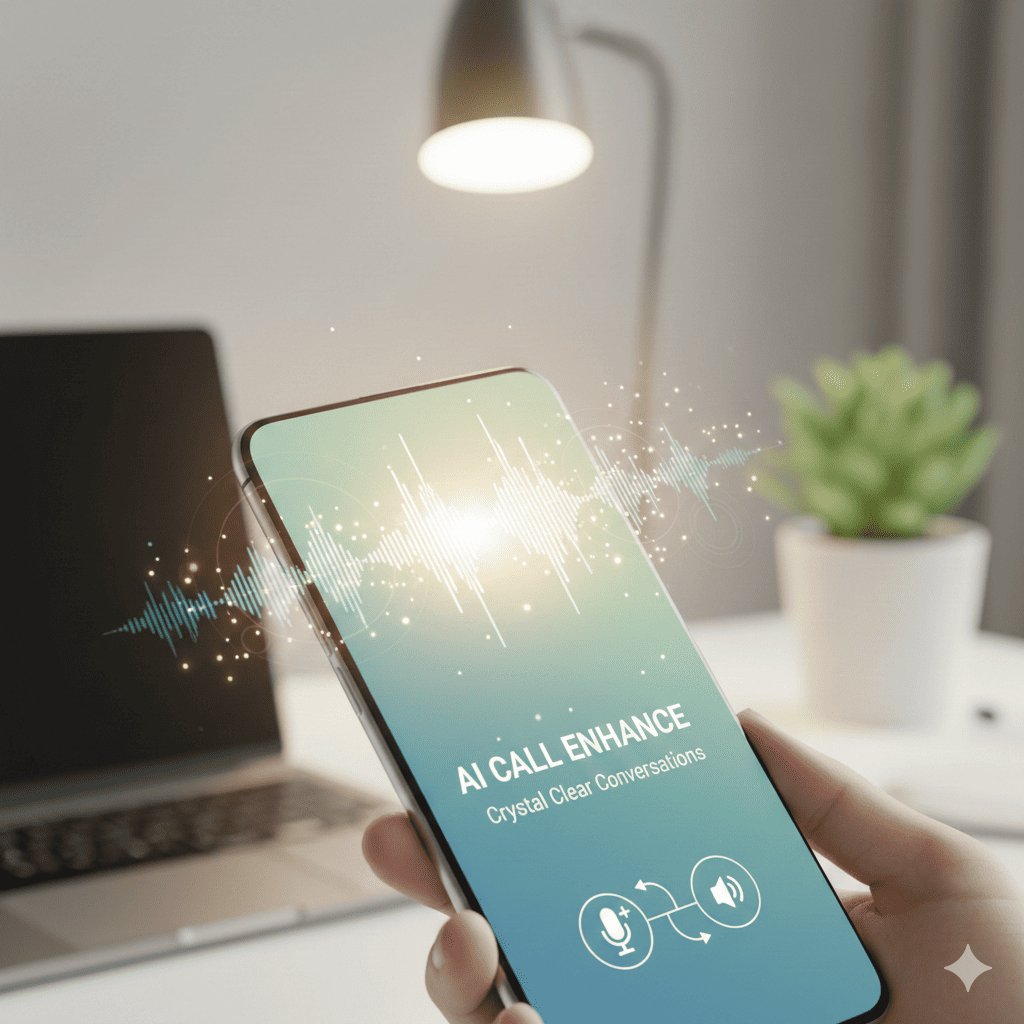
built-in AI feature improves voice calls Poor call quality has plagued mobile phone users since the first cellular networks. Background noise drowns out conversations, network issues cause audio dropouts, and environmental factors like wind or traffic make communication nearly impossible. We’ve all experienced the frustration of repeatedly asking “Can you hear me?” or “What did you say?” during important calls, whether with family, colleagues, or customer service representatives.
What most smartphone users don’t realize is that modern Android devices contain sophisticated artificial intelligence specifically designed to solve these problems. This built-in AI feature improves voice calls in real-time, using machine learning algorithms to filter noise, enhance clarity, and optimize audio quality automatically. You don’t need expensive headphones, special apps, or technical knowledge to benefit from this technology—it’s already integrated into your device, working silently to make every conversation clearer.
This comprehensive guide reveals exactly what this built-in AI feature improves voice calls through, how to activate and optimize it, and why it represents a revolutionary advancement in mobile communication. You’ll discover the science behind AI-powered audio processing, learn configuration techniques for maximum benefit, and understand how this technology is transforming the way we communicate through our phones.
1. Understanding AI-Powered Call Enhancement
What Is Clear Calling Technology?
The revolutionary capability where this built-in AI feature improves voice calls is officially called Clear Calling, though it may appear under different names depending on your device manufacturer. This technology uses artificial intelligence and machine learning to analyze audio in real-time, identifying and eliminating unwanted sounds while preserving natural speech characteristics.
Core Technology Components
- Neural network-based noise identification and suppression
- Real-time audio signal processing with minimal latency
- Machine learning models trained on millions of call samples
- Adaptive algorithms that adjust to different environments
- Voice isolation technology separating speech from background noise
- Intelligent audio enhancement preserving natural voice quality
How It Differs from Traditional Noise Cancellation
- Traditional methods use simple frequency filtering
- AI understands context and complex sound patterns
- Selective enhancement of human speech frequencies
- Preservation of speech naturalness and emotional tone
- Adaptation to rapidly changing acoustic environments
- Superior performance in challenging conditions
The Science Behind AI Audio Processing
Understanding how this built-in AI feature improves voice calls requires examining the underlying technology:
Machine Learning Audio Analysis
- AI trained to recognize thousands of noise types
- Differentiation between speech and environmental sounds
- Pattern recognition for wind, traffic, machinery, crowds
- Spectral analysis identifying frequency characteristics
- Temporal analysis understanding sound patterns over time
- Continuous learning and model improvement
Real-Time Processing Architecture
- Millisecond-level latency for natural conversation flow
- On-device processing protecting privacy and reducing delays
- Efficient algorithms optimized for mobile processors
- Minimal battery impact through specialized hardware acceleration
- Parallel processing of multiple audio streams
- Quality maintenance across various network conditions
Voice Preservation Technology
- Separation of vocal frequencies from background noise
- Maintenance of speaker’s unique voice characteristics
- Emotional tone and inflection preservation
- Natural breathing sounds retained for authenticity
- Prevention of robotic or artificial-sounding output
- Dynamic adjustment based on speaker voice patterns
Why Most Users Never Activate This Feature
Despite how effectively this built-in AI feature improves voice calls, it remains largely unknown:
Discovery Challenges
- Hidden in advanced phone settings or Google Phone app
- No prominent notification during device setup
- Gradual rollout across different regions and devices
- Limited marketing and user education
- Requires specific Android versions and phone models
- Often confused with standard noise cancellation
Compatibility Limitations
- Currently available primarily on Pixel devices
- Selective rollout to other Android manufacturers
- Requires Android 12 or later for full functionality
- Network carrier compatibility requirements
- Voice over LTE (VoLTE) necessary for optimal performance
- Not available in all countries and regions
Misconceptions and Concerns
- Users assume it requires internet connection
- Concerns about AI processing personal conversations
- Belief that manual controls provide better results
- Assumption that feature drains battery significantly
- Confusion with other audio enhancement features
- Lack of understanding about on-device processing
2. The Critical Need for Call Quality Improvement
Common Communication Challenges
Understanding what this built-in AI feature improves voice calls against reveals everyday frustrations:
Environmental Noise Problems
- Traffic noise overwhelming conversation in urban areas
- Wind interference during outdoor calls
- Crowd noise in restaurants, cafes, and public spaces
- Construction and machinery sounds near work sites
- Public transportation background noise
- Office environments with multiple conversations
Technical Audio Issues
- Network congestion causing audio degradation
- Poor signal strength leading to dropouts
- Codec limitations reducing voice quality
- Bandwidth throttling by carriers
- Latency creating awkward conversation delays
- Echo and feedback problems
Situational Difficulties
- Emergency calls from noisy or chaotic environments
- Business calls requiring professional audio quality
- Family conversations with elderly relatives who have hearing difficulties
- Important medical consultations requiring clear communication
- Customer service interactions where clarity is essential
- International calls with already compressed audio
Impact on Personal and Professional Life
The consequences of poor call quality extend beyond mere annoyance:
Professional Implications
- Missed details during important business calls
- Unprofessional impression on clients and colleagues
- Difficulty conducting interviews or sales calls
- Reduced productivity from repeated clarifications
- Inability to work effectively while mobile
- Loss of business opportunities due to poor communication
Personal Relationship Effects
- Frustration during family conversations
- Difficulty staying connected with loved ones
- Strained relationships from miscommunication
- Elderly relatives struggling to hear properly
- Important emotional conversations compromised
- Reduced frequency of phone communication
Accessibility and Health Considerations
- Challenges for individuals with hearing impairments
- Difficulty for those with auditory processing disorders
- Stress and fatigue from straining to hear
- Avoidance of phone calls due to difficulty
- Mental health impacts from communication barriers
- Emergency communication reliability concerns
Statistics Revealing the Problem
Numbers showing why this built-in AI feature improves voice calls is essential:
- 76% of mobile users report frequent call quality issues
- Average person repeats themselves 3-4 times per problematic call
- 40% of business calls suffer from background noise interference
- Users spend approximately 5 hours annually repeating missed information
- 60% of people avoid phone calls in noisy environments
- Call quality ranks as third most important smartphone feature
- Poor audio causes 1 in 5 important calls to be rescheduled
3. Complete Activation and Setup Guide
Enabling Clear Calling on Pixel Devices
Primary implementation where this built-in AI feature improves voice calls:
For Google Pixel 7 and Later:
- Open the Phone app on your device
- Tap the three-dot menu icon in the top-right corner
- Select Settings from the dropdown menu
- Scroll down to Call settings section
- Locate and tap on Clear Calling
- Toggle the switch to enable the feature
- Review the feature description and privacy information
- Confirm activation and accept any prompts
- Test with a call to verify functionality
Initial Setup Considerations
- Feature automatically applies to all calls once enabled
- No per-call activation required
- Works with both incoming and outgoing calls
- Functions on cellular and Wi-Fi calling
- Operates independently of other audio settings
- Requires no additional configuration after enabling
Activation on Other Android Devices
How manufacturers implement what this built-in AI feature improves voice calls delivers:
Samsung Galaxy Devices
- Navigate to Phone app settings
- Look for Call quality or Enhancement section
- Enable Voice Focus or similar feature
- Samsung’s implementation may have different name
- Check Sound quality and effects menu
- One UI 5.0 or later typically includes this capability
OnePlus Devices
- Access Phone app or dialer settings
- Find Call settings or Audio settings
- Enable AI noise cancellation or call enhancement
- OxygenOS 13 or later generally supports feature
- May be located under Utility or Accessibility
- Check for OEM-specific implementation names
Other Manufacturers
- Check Phone app for call enhancement options
- Look in Audio, Sound, or Accessibility settings
- Search settings for “noise,” “clear,” or “AI”
- Consult manufacturer documentation
- Update to latest OS version for availability
- Contact support to confirm device compatibility
Verifying Proper Configuration
Ensuring this built-in AI feature improves voice calls is working correctly:
Testing Procedure
- Make test call to friend or family member
- Position yourself in moderately noisy environment
- Ask recipient to evaluate audio clarity
- Move to different noise conditions during call
- Compare with previous call quality experiences
- Request specific feedback on background noise levels
Indicators of Successful Activation
- Notification or icon may appear during calls
- Settings show feature as enabled
- Noticeable improvement in noisy environments
- Call recipients report clearer audio
- Background noise significantly reduced
- Voice clarity enhanced in challenging conditions
Troubleshooting Initial Setup
- Restart phone after enabling feature
- Update Phone app to latest version
- Check for system software updates
- Verify VoLTE is enabled for your carrier
- Ensure microphone permissions are granted
- Clear Phone app cache if issues persist
4. How AI Enhances Different Call Scenarios
Outdoor and Street Environments
How this built-in AI feature improves voice calls in urban settings:
Traffic Noise Management
- Identification and suppression of vehicle sounds
- Filtering of consistent road noise patterns
- Reduction of sudden loud noises like horns
- Preservation of voice despite ambient noise
- Dynamic adjustment to traffic volume changes
- Maintenance of call quality while walking near roads
Wind Noise Elimination
- Advanced detection of wind interference patterns
- Suppression of low-frequency wind rumble
- Prevention of microphone overload from gusts
- Preservation of speech during windy conditions
- Superior to physical wind screens
- Continuous adaptation to changing wind conditions
Crowd and Public Space Handling
- Isolation of speaker voice from surrounding conversations
- Filtering of footsteps and general crowd noise
- Reduction of announcements and background music
- Focus on primary speaker while eliminating others
- Effective in busy shopping areas and events
- Maintained clarity in high-density environments
Indoor and Workplace Scenarios
This built-in AI feature improves voice calls effectiveness in common indoor situations:
Office Environment Optimization
- Suppression of keyboard typing sounds
- Filtering of nearby conversations and meetings
- Reduction of HVAC and equipment noise
- Elimination of printer and copier sounds
- Preservation of call privacy in open offices
- Professional audio quality for business calls
Home and Domestic Settings
- Reduction of television and music background noise
- Filtering of household appliance sounds
- Suppression of pet noises and barking
- Management of children playing or talking
- Dishwasher, vacuum, and laundry machine noise elimination
- Maintained clarity during household multitasking
Restaurant and Cafe Calls
- Isolation of voice from clinking dishes and silverware
- Filtering of background music and ambient conversation
- Reduction of espresso machine and kitchen noise
- Suppression of door bells and environmental sounds
- Effective communication in social dining spaces
- Clarity maintenance despite acoustic challenges
Transportation and Transit
Where this built-in AI feature improves voice calls shines during travel:
Vehicle Interior Calls
- Suppression of engine and road noise
- Filtering of turn signal and dashboard sounds
- Reduction of passenger conversations
- Wind noise from open windows managed
- Superior to traditional car speaker systems
- Safe hands-free calling with enhanced clarity
Public Transportation
- Train and subway noise reduction
- Bus engine and air brake sound filtering
- Airport terminal announcement suppression
- Aircraft cabin noise management
- Ferry and maritime environmental noise handling
- Maintained communication despite transit chaos
Emergency and Critical Situations
- Clear communication during urgent calls
- Effective in naturally chaotic environments
- Emergency services communication enhancement
- Reduced need for call repetition in crisis
- Reliable audio in stressful conditions
- Life-saving clarity when it matters most
5. Optimizing AI Call Quality Settings
Complementary Audio Configurations
Maximizing how this built-in AI feature improves voice calls through related settings:
Microphone and Audio Settings
- Ensure microphone permissions are properly granted
- Disable conflicting third-party audio enhancement apps
- Check default audio device settings
- Verify noise suppression isn’t creating conflicts
- Test different microphone sensitivities if available
- Clear microphone grille of debris and obstructions
Network and Connectivity Optimization
- Enable VoLTE for highest quality calling
- Activate Wi-Fi calling for better indoor coverage
- Select preferred network mode (4G/5G)
- Ensure strong signal strength when possible
- Configure network switching preferences
- Update carrier settings through system updates
Phone and Dialer Settings
- Keep Phone app updated to latest version
- Enable HD Voice or Enhanced calling features
- Configure call forwarding and waiting appropriately
- Review and optimize Bluetooth audio codec settings
- Adjust in-call volume levels for optimal clarity
- Test with different audio routing options
Understanding Limitations and Trade-offs
Realistic expectations for what this built-in AI feature improves voice calls can achieve:
Processing Limitations
- Cannot completely eliminate extremely loud environments
- May occasionally suppress desired sounds
- Brief processing delay might be perceptible
- Effectiveness varies with microphone quality
- Some regional accents processed differently
- Extreme noise levels may overwhelm algorithms
Battery and Performance Considerations
- Continuous AI processing requires power
- Impact typically 3-5% additional battery usage
- Modern devices handle processing efficiently
- Feature may auto-disable in low battery mode
- Background processing uses system resources
- Trade-off between quality and efficiency
Privacy and Data Considerations
- All processing occurs on-device
- No audio data sent to cloud or servers
- Voice patterns not stored or transmitted
- Real-time processing without recording
- Privacy-preserving implementation
- Transparent operation and user control
Advanced Troubleshooting Techniques
When this built-in AI feature improves voice calls isn’t performing optimally:
Audio Quality Issues
- Restart phone to refresh audio processing
- Clear Phone app cache and data
- Disable and re-enable Clear Calling feature
- Check for microphone hardware issues
- Test with and without phone case
- Update to latest Android security patch
Feature Not Working
- Verify device and OS compatibility
- Confirm VoLTE is active and working
- Check carrier support for enhanced calling
- Ensure feature hasn’t been disabled accidentally
- Review system permissions for Phone app
- Contact manufacturer support for device-specific issues
Performance Degradation
- Close unnecessary background applications
- Free up system storage space
- Disable battery optimization for Phone app
- Check for overheating affecting performance
- Monitor CPU usage during calls
- Consider factory reset as last resort
6. Comparing AI Call Enhancement Across Platforms
Android vs. iOS Voice Quality Features
How this built-in AI feature improves voice calls compares to Apple’s approach:
Android Clear Calling Advantages
- More aggressive noise suppression
- Broader device compatibility over time
- Greater customization and control options
- Integration with Google’s AI ecosystem
- Continuous improvement through updates
- Open architecture for carrier optimization
Apple Voice Isolation Features
- Available on iPhone 12 and later
- Similar AI-based noise cancellation
- Simpler toggle in Control Center
- Consistent across all compatible devices
- Strong integration with Apple ecosystem
- Focus on user-friendly implementation
Technical Differences
- Android uses on-device machine learning models
- iOS leverages Neural Engine for processing
- Different AI training datasets and approaches
- Varying levels of noise suppression aggressiveness
- Platform-specific optimization techniques
- Distinct hardware and software integration
Third-Party Solutions Comparison
Why this built-in AI feature improves voice calls better than alternatives:
Native Integration Benefits
- Direct access to microphone at system level
- Optimized for specific device hardware
- No additional app installation required
- Lower latency than third-party solutions
- Better battery efficiency
- Seamless operation without manual activation
Third-Party App Limitations
- Restricted API access to audio processing
- Higher battery consumption
- Potential privacy concerns with cloud processing
- Additional cost for premium features
- Compatibility issues across devices
- May conflict with native features
When Third-Party Tools Are Useful
- Specialized professional audio needs
- Recording and transcription requirements
- International calling with specific codecs
- Legacy device support
- Additional features beyond noise cancellation
- Business VoIP integration requirements
7. Future Developments in AI Voice Technology
Emerging Capabilities
The evolution of how this built-in AI feature improves voice calls continues:
Advanced AI Improvements
- Real-time accent adaptation and normalization
- Emotion and tone preservation algorithms
- Multi-language simultaneous translation
- Personalized voice enhancement profiles
- Predictive noise suppression before sounds occur
- Context-aware audio processing
Hardware Integration
- Dedicated AI processors for audio
- Multiple microphone arrays for spatial processing
- Advanced noise-canceling microphone technology
- Bone conduction integration
- Neural processing units in smartphones
- Specialized audio DSP chips
Network Technology Advances
- 5G enabling higher quality codecs
- Ultra-low latency network protocols
- Enhanced Voice over NR (New Radio)
- Immersive voice and audio technologies
- Spatial audio for more natural conversations
- Higher bandwidth allocation for voice
Google’s AI Development Roadmap
Expected enhancements to how this built-in AI feature improves voice calls:
Short-Term Improvements
- Expansion to more Android devices
- Enhanced algorithm accuracy and effectiveness
- Reduced processing latency
- Better battery efficiency
- Multi-device consistency
- Additional language and accent support
Long-Term Vision
- Universal real-time translation during calls
- Complete environmental noise elimination
- Perfect voice clarity in any condition
- Holographic voice presence
- Emotional intelligence in communication
- Seamless human-AI communication assistance
Industry Standards and Collaboration
How the telecommunications industry supports what this built-in AI feature improves voice calls provides:
Carrier Partnerships
- Network-level audio enhancement
- Codec optimization for AI processing
- Quality of Service improvements
- Bandwidth allocation for enhanced calls
- Cross-carrier compatibility standards
- Investment in infrastructure upgrades
Device Manufacturer Cooperation
- Hardware optimization for AI audio
- Microphone technology improvements
- Consistent feature implementation
- Quality standards across devices
- Shared research and development
- Open-source audio processing libraries
8. Maximizing Call Quality in Daily Life
Best Practices for Crystal Clear Calls
Habits that complement how this built-in AI feature improves voice calls:
Optimal Phone Positioning
- Hold phone at natural speaking distance
- Angle microphone toward mouth
- Avoid covering microphone with hand or fingers
- Maintain consistent position during conversation
- Use speakerphone or headset when appropriate
- Keep microphone grille clean and unobstructed
Environmental Management
- Position yourself away from primary noise sources
- Face away from wind when outdoors
- Find quieter corners in busy spaces
- Use physical barriers to block noise
- Consider moving to better location for important calls
- Communicate your environment to caller
Network Optimization
- Ensure strong signal before critical calls
- Switch to Wi-Fi calling when available
- Avoid calling during network congestion periods
- Move to areas with better coverage
- Keep carrier settings updated
- Monitor signal strength indicator
Teaching Others About the Feature
Spreading awareness of how this built-in AI feature improves voice calls:
Helping Family Members
- Walk through activation process together
- Demonstrate before-and-after quality difference
- Set up on elderly relatives’ phones
- Create simple reference guides
- Provide ongoing support and troubleshooting
- Encourage use during challenging call situations
Professional Network Education
- Share information with colleagues
- Demonstrate benefits during business calls
- Include in company mobile device policies
- Train team members on proper usage
- Document best practices for organization
- Advocate for feature across organization
Community Impact
- Write social media posts about the feature
- Create video tutorials
- Answer questions in forums and communities
- Volunteer to help those with hearing difficulties
- Raise awareness about accessibility benefits
- Contribute to user feedback and improvement
9. Accessibility and Inclusive Communication
Benefits for Hearing Impaired Users
How this built-in AI feature improves voice calls enhances accessibility:
Hearing Assistance
- Clearer audio reduces strain for hard of hearing
- Enhanced speech clarity aids comprehension
- Reduced background noise lessens confusion
- Compatible with hearing aids and assistive devices
- Improved communication quality and confidence
- Reduced frustration during phone conversations
Auditory Processing Support
- Cleaner audio signals easier to process
- Reduced cognitive load from noise filtering
- Better focus on conversation content
- Decreased mental fatigue from calls
- Enhanced understanding in challenging environments
- Improved overall communication accessibility
Integration with Accessibility Features
This built-in AI feature improves voice calls works alongside:
Android Accessibility Tools
- Live Caption for real-time transcription
- Sound Amplifier for hearing enhancement
- Live Transcribe for conversation text
- RTT (Real-Time Text) for text-based calling
- Hearing aid compatibility mode
- Mono audio for single-ear users
Additional Assistive Technologies
- Bluetooth hearing aid streaming
- Telecoil and hearing loop compatibility
- Vibration and visual call notifications
- Custom ringtone and alert settings
- Large text and high contrast displays
- Voice command and control features
Creating Inclusive Communication Environments
Using this built-in AI feature improves voice calls to help everyone:
Family Communication
- Enhanced intergenerational conversations
- Better communication with elderly relatives
- Improved accessibility for all family members
- Reduced need for call repetition
- More comfortable phone interactions
- Maintained connection despite challenges
Workplace Inclusion
- Equal communication opportunities
- Professional call quality for all employees
- Reduced barriers for remote work
- Enhanced collaboration capabilities
- Compliance with accessibility requirements
- Support for diverse communication needs
10. Taking Full Advantage of AI Voice Technology
Implementation Checklist
Immediate actions to ensure this built-in AI feature improves voice calls for you:
Initial Setup Tasks
- Verify device compatibility and requirements
- Enable Clear Calling or equivalent feature
- Configure complementary audio settings
- Test in various environments
- Educate contacts about improved quality
- Document settings for reference
Optimization Activities
- Fine-tune based on typical call scenarios
- Test with different accessories and headsets
- Compare quality across various networks
- Monitor battery impact and adjust if needed
- Gather feedback from call recipients
- Adjust configuration as necessary
Ongoing Maintenance
- Keep phone and apps updated
- Periodically test feature functionality
- Review new capabilities in updates
- Adapt settings to changing needs
- Stay informed about improvements
- Share experiences and best practices
Building Better Communication Habits
Beyond enabling how this built-in AI feature improves voice calls:
Conscious Communication Practices
- Choose appropriate times and places for calls
- Set expectations with callers about environment
- Use video calls when visual context helps
- Follow up important calls with written summary
- Be patient with technical limitations
- Advocate for others to enable similar features
Technology-Enhanced Etiquette
- Inform others when in noisy environment
- Ask permission before using speakerphone
- Acknowledge when audio quality is poor
- Offer to call back from better location
- Use text for non-urgent noisy situations
- Respect others’ communication preferences
Contributing to Technology Improvement
Help enhance how this built-in AI feature improves voice calls:
Providing Feedback
- Report issues through proper channels
- Participate in beta testing programs
- Share experiences in user forums
- Submit feature requests and suggestions
- Rate and review Phone app updates
- Contribute to open-source audio projects
Staying Informed
- Follow Android and Google announcements
- Read technology news and reviews
- Join online communities and discussions
- Subscribe to relevant newsletters
- Attend technology education events
- Share knowledge with others
Conclusion: Embracing the Future of Mobile Communication
The revelation that this built-in AI feature improves voice calls automatically represents a significant leap forward in smartphone technology. For decades, mobile phone users have accepted poor audio quality, background noise, and communication difficulties as unavoidable limitations of cellular technology. Today’s AI-powered solutions prove that clear, natural conversations are possible regardless of environmental conditions.
This technology transforms previously frustrating experiences into seamless communications. Business calls from busy streets become professional and clear. Family conversations with elderly relatives become easier and more pleasant. Emergency calls in chaotic situations become reliably audible. The artificial intelligence working behind the scenes analyzes millions of acoustic patterns per second, making real-time decisions about what to preserve and what to eliminate—all while maintaining the natural character of your voice.
What makes this advancement particularly remarkable is its accessibility. This built-in AI feature improves voice calls without requiring expensive equipment, technical expertise, or ongoing subscriptions. It’s already integrated into millions of devices, waiting to be activated. The feature respects privacy by processing everything on-device, requires minimal battery power, and works seamlessly with existing cellular infrastructure.
The future of voice communication is even more promising. As AI algorithms become more sophisticated, network technologies evolve, and hardware capabilities expand, we can expect near-perfect audio quality in virtually any environment. Real-time translation, emotional tone preservation, and complete noise elimination are on the horizon. The technology enabling this built-in AI feature improves voice calls today is just the beginning.
Take action now to enable this powerful capability on your device. Follow the setup instructions for your specific phone model, test the feature in various environments, and experience the dramatic improvement in call quality. Then share this knowledge with family, friends, and colleagues so they too can benefit from clearer, more effective communication. The technology exists, it’s proven, and it’s waiting for you to activate it. Don’t spend another day struggling with poor call quality when the solution is already in your pocket.
Also read this:
This Hidden Android Setting Protects You From Public Wi-Fi Attacks
Android Phones Can Lock Themselves Automatically When You Walk Away
This Android Feature Silently Blocks Scam Calls Without Any App