
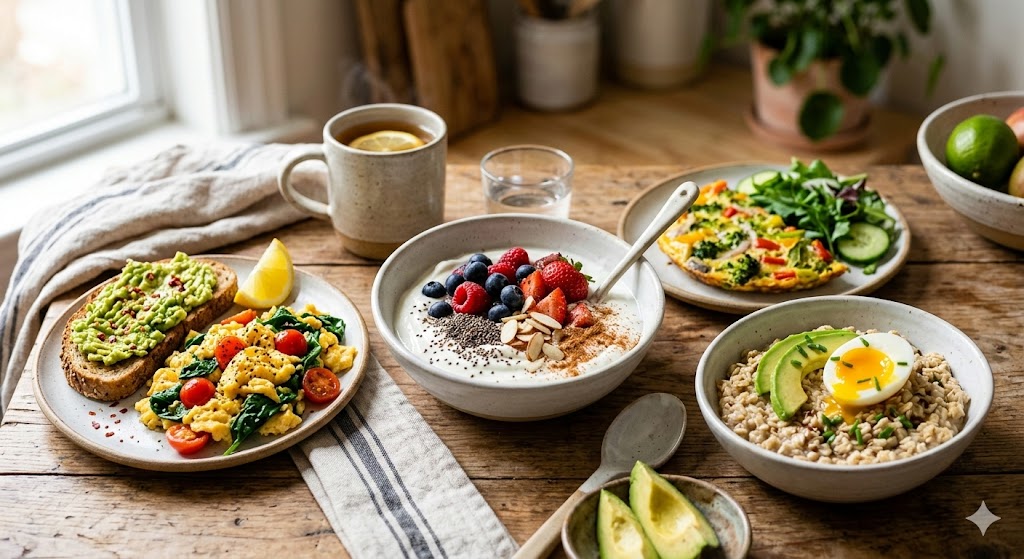
If you often feel tired, hungry, or craving sugar before noon, your breakfast might be the reason. Choosing a Blood Sugar Friendly Breakfast can stabilize energy, reduce cravings, and support long-term metabolic health.
In this complete guide, you’ll discover what makes a Blood Sugar Friendly Breakfast effective, why it matters, and practical meal ideas you can start using immediately.
1. Why Blood Sugar Control Starts at Breakfast
After an overnight fast, your body is more sensitive to glucose fluctuations. A high-carb, sugary breakfast can cause:
- Rapid blood sugar spike
- Insulin surge
- Energy crash 2–3 hours later
- Increased hunger
A well-designed Blood Sugar Friendly Breakfast prevents this rollercoaster.
Stable glucose levels help with:
- Fat loss
- Reduced cravings
- Better focus
- Lower risk of insulin resistance
- Improved mood
Breakfast sets the tone for your entire day.
2. What Makes a Blood Sugar Friendly Breakfast?
A proper Blood Sugar Friendly Breakfast includes:
2.1 High Protein
Protein slows glucose absorption and improves satiety.
Target:
- 20–40g protein per meal
2.2 Healthy Fats
Fats stabilize blood sugar and prolong fullness.
Examples:
- Avocado
- Nuts
- Seeds
- Olive oil
2.3 Fiber
Fiber slows digestion and reduces glucose spikes.
Sources:
- Vegetables
- Chia seeds
- Oats (in moderation)
- Berries
2.4 Low Refined Carbs
Avoid:
- Sugary cereals
- White bread
- Pastries
- Sweetened coffee drinks
A Blood Sugar Friendly Breakfast balances macros instead of eliminating carbs entirely.
3. 10 Blood Sugar Friendly Breakfast Ideas
4. High-Protein Veggie Omelet

Why it works:
- Eggs provide protein
- Vegetables add fiber
- Optional avocado adds healthy fats
Add:
- Spinach
- Mushrooms
- Bell peppers
This is a classic Blood Sugar Friendly Breakfast option.
5. Greek Yogurt Protein Bowl
Use:
- Plain Greek yogurt
- Chia seeds
- Almonds
- Berries
Avoid sweetened yogurt.
This Blood Sugar Friendly Breakfast provides:
- 20–30g protein
- Fiber from seeds
- Antioxidants from berries
6. Chia Seed Pudding
Ingredients:
- Chia seeds
- Unsweetened almond milk
- Cinnamon
- Small portion of berries
High fiber + healthy fats = slower glucose release.
Great for meal prep.
7. Cottage Cheese & Nuts
Simple but effective.
Add:
- Walnuts
- Flax seeds
- Cucumber slices
High protein and minimal carb impact.
8. Protein Smoothie (Balanced Version)
Avoid fruit-heavy smoothies.
Better formula:
- Protein powder
- Spinach
- Unsweetened milk
- Peanut butter
- Frozen berries (small portion)
Balanced smoothies can be a Blood Sugar Friendly Breakfast if structured properly.
9. Oatmeal Done Right
Oats alone can spike blood sugar.
Instead:
- Add protein powder
- Add chia seeds
- Add almond butter
- Limit sweet toppings
This turns oatmeal into a Blood Sugar Friendly Breakfast.
10. Smoked Salmon & Eggs
High protein + healthy fats.
Serve with:
- Sautéed greens
- Small portion of whole grain toast
Protein + fat combination keeps glucose steady.
11. Tofu Scramble (Plant-Based Option)
Great vegetarian Blood Sugar Friendly Breakfast.
Use:
- Firm tofu
- Turmeric
- Mixed vegetables
- Olive oil
High protein, low refined carbs.
12. Avocado & Egg Toast (Smart Version)
Use:
- Whole grain or sourdough bread
- Poached eggs
- Avocado
Keep bread portion moderate.
Add protein and fiber to prevent spikes.
13. Breakfast Burrito Bowl (Low-Carb Version)
Skip tortilla.
Include:
- Scrambled eggs
- Black beans (small portion)
- Salsa
- Avocado
- Greens
Protein + fiber = stable glucose.
14. Common Breakfast Mistakes That Spike Blood Sugar
Even “healthy” options can cause spikes.
Avoid:
- Fruit-only breakfast
- Smoothie bowls loaded with banana
- Flavored yogurt
- Granola-heavy bowls
- Toast + jam
- Pancakes or waffles
These lack protein balance.
A Blood Sugar Friendly Breakfast always prioritizes protein first.
15. How Much Protein Should Breakfast Include?
General guidelines:
- 20–40g protein
- Moderate healthy fats
- 5–10g fiber
- Controlled carbohydrates
Higher protein breakfasts often reduce hunger later in the day.
16. Who Benefits Most from a Blood Sugar Friendly Breakfast?
- People with insulin resistance
- Prediabetics
- Type 2 diabetics (with medical guidance)
- Those with PCOS
- Anyone trying to lose belly fat
- Individuals experiencing energy crashes
Blood sugar stability benefits nearly everyone.
17. Can You Eat Carbs at Breakfast?
Yes — but strategically.
Best carbs:
- Berries
- Oats (paired with protein)
- Whole grain bread
- Legumes
Avoid large portions of high-glycemic carbs alone.
Balance is key in a Blood Sugar Friendly Breakfast.
Frequently Asked Questions (FAQ)
Q1: Is a Blood Sugar Friendly Breakfast good for weight loss?
Yes. Stable glucose reduces cravings and improves appetite control.
Q2: Should I skip breakfast instead?
Intermittent fasting works for some people, but balanced breakfast can support stable energy.
Q3: Are fruits bad in the morning?
Not necessarily. Pair them with protein and fats.
Q4: Is coffee okay?
Yes, but avoid sugary creamers and syrups.
Q5: How fast will I notice improvements?
Many people notice fewer cravings and better focus within 1–2 weeks.
Final Thoughts
A Blood Sugar Friendly Breakfast isn’t about extreme dieting — it’s about balance.
Prioritize protein. Add healthy fats. Include fiber. Control refined carbs.
When you start your day with a Blood Sugar Friendly Breakfast, you set up stable energy, reduced cravings, and improved metabolic health for the rest of the day.
Small daily changes create long-term results. Start tomorrow morning.
More Related Topics:
Reverse Insulin Resistance Naturally: A Complete Science-Backed Guide for 2026
Ozempic Face Side Effects Explained Weight Loss and Facial Changes: What You Need to Know
Continuous Glucose Monitor for Weight Loss: The Smart Data-Driven Fat Loss Strategy (2026 Guide)