
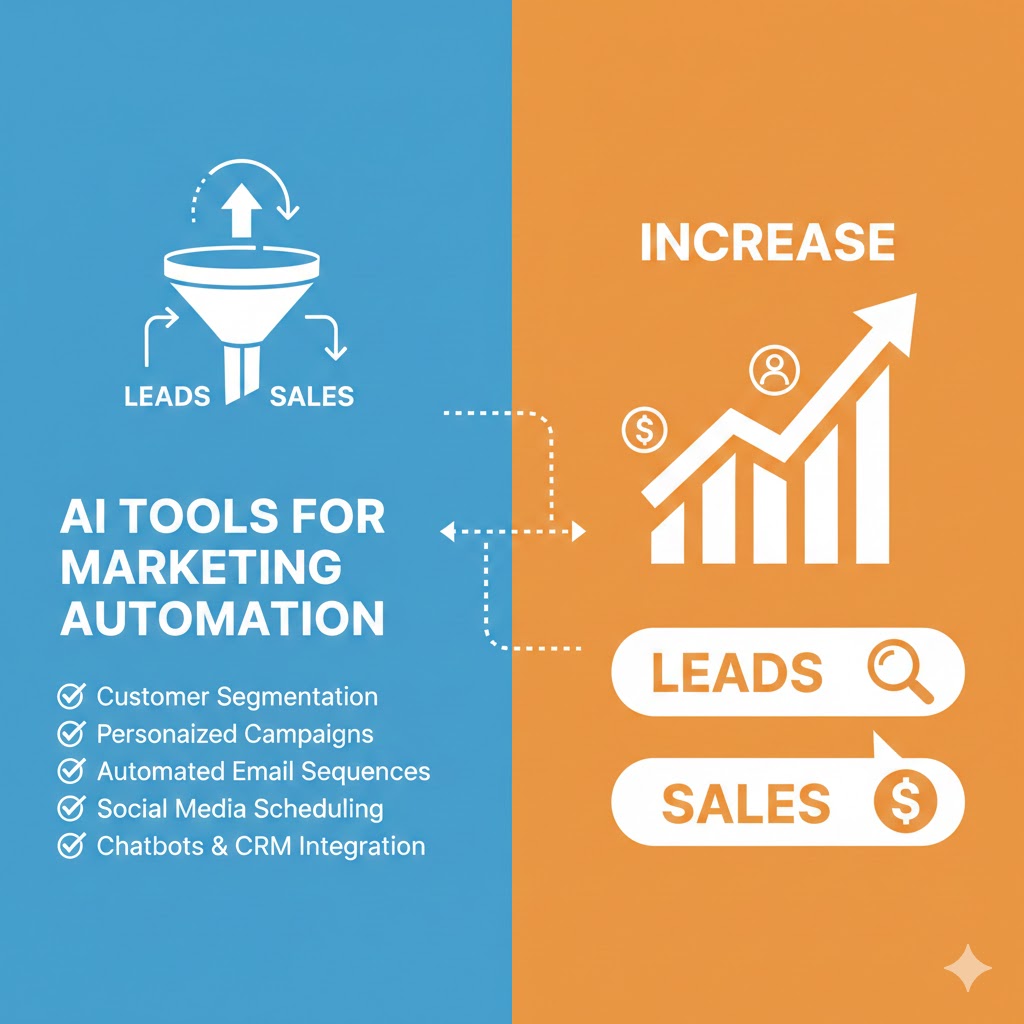
The digital marketing landscape has undergone a dramatic transformation with the emergence of artificial intelligence. Businesses that leverage AI tools for marketing are witnessing unprecedented growth in lead generation and sales conversions. These intelligent systems are no longer futuristic concepts but essential components of successful marketing strategies that deliver measurable results.
Marketing automation powered by artificial intelligence has revolutionized how companies interact with prospects, nurture leads, and close sales. From predictive analytics to personalized customer experiences, AI tools for marketing are enabling businesses to work smarter, faster, and more efficiently than ever before.
1. Understanding the Power of AI in Marketing Automation
The Evolution of Marketing Technology
Traditional marketing methods required extensive manual effort, guesswork, and significant time investments. The introduction of AI tools for marketing has fundamentally changed this paradigm. Modern AI systems can analyze millions of data points in seconds, identify patterns that humans might miss, and execute complex marketing tasks with precision.
Why AI-Driven Marketing Automation Matters
The competitive advantage provided by AI marketing automation extends far beyond simple task completion. These systems learn from every interaction, continuously improving their performance and delivering increasingly sophisticated results. Businesses implementing these technologies report substantial improvements in conversion rates, customer engagement, and overall marketing ROI.
Key Benefits of AI Marketing Tools
The integration of artificial intelligence into marketing operations delivers multiple strategic advantages. Enhanced personalization capabilities ensure that every customer receives relevant messaging tailored to their specific needs and preferences. Predictive analytics enable marketers to anticipate customer behavior and proactively address needs before they’re explicitly stated. Real-time optimization allows campaigns to adapt instantly based on performance data, maximizing effectiveness across all channels.
2. AI-Powered Email Marketing Automation
Intelligent Email Campaign Management
Email remains one of the most effective marketing channels, and AI tools for marketing have elevated its potential exponentially. Advanced AI systems analyze subscriber behavior, engagement patterns, and historical data to determine optimal send times, subject lines, and content variations for each individual recipient.
Personalization at Scale
Modern AI email platforms can segment audiences into thousands of micro-segments, delivering hyper-personalized content that resonates with each subscriber. These systems track opens, clicks, and conversions to continuously refine their targeting algorithms, ensuring that each subsequent campaign performs better than the last.
Automated Email Sequences and Drip Campaigns
AI-driven email automation creates sophisticated nurture sequences that adapt based on recipient behavior. If a subscriber opens an email but doesn’t click, the system automatically adjusts the follow-up message. When someone engages with specific content, the AI triggers relevant follow-up communications that guide them further down the sales funnel.
Predictive Subject Line Optimization
Subject lines can make or break email campaigns, and AI tools for marketing excel at optimizing these critical elements. By analyzing millions of successful subject lines across various industries and audiences, AI systems can predict which variations will generate the highest open rates for your specific audience segments.
3. Chatbots and Conversational AI for Lead Generation
24/7 Lead Capture and Qualification
AI-powered chatbots serve as tireless sales representatives, engaging website visitors around the clock. These intelligent systems can answer questions, provide product recommendations, and capture lead information without any human intervention. The best chatbots use natural language processing to understand context and intent, delivering responses that feel genuinely helpful rather than robotic.
Personalized Customer Interactions
Modern conversational AI adapts its communication style based on visitor behavior and preferences. If someone arrives from a specific marketing campaign, the chatbot can reference that context and provide tailored information. Returning visitors receive personalized greetings and recommendations based on their previous interactions.
Seamless Handoff to Human Sales Teams
AI tools for marketing excel at initial engagement and qualification, but they’re smart enough to know when human expertise is required. Advanced chatbot systems can detect buying signals, urgency indicators, or complex questions that warrant immediate human attention, seamlessly transferring conversations to the appropriate team member with full context.
Multi-Channel Conversational Marketing
The most sophisticated AI chatbot platforms extend beyond websites to include social media messaging, SMS, and even voice assistants. This omnichannel approach ensures consistent, intelligent engagement regardless of where prospects choose to interact with your brand.
4. Predictive Lead Scoring and Qualification
Data-Driven Lead Prioritization
Sales teams often struggle to identify which leads deserve immediate attention and which require further nurturing. AI tools for marketing solve this challenge by analyzing hundreds of data points to assign accurate lead scores. These systems consider demographic information, behavioral signals, engagement history, and dozens of other factors to predict conversion likelihood.
Behavioral Analysis and Intent Signals
AI lead scoring platforms track how prospects interact with your content, noting which pages they visit, how long they engage, and what actions they take. Someone who repeatedly visits pricing pages and downloads case studies receives a higher score than casual browsers, enabling sales teams to focus their efforts where they’ll have the greatest impact.
Continuous Learning and Model Refinement
The most powerful aspect of AI-driven lead scoring is its ability to learn from outcomes. As leads convert or fail to convert, the system analyzes what differentiated successful prospects from unsuccessful ones, continuously refining its scoring algorithms to improve accuracy over time.
Integration with CRM and Sales Tools
Effective AI tools for marketing don’t operate in isolation. Modern lead scoring systems integrate seamlessly with CRM platforms, automatically updating lead records and triggering appropriate workflows based on score changes. When a prospect’s score crosses a predetermined threshold, the system can automatically notify sales representatives or initiate targeted nurture campaigns.
5. Content Creation and Optimization Tools
AI-Assisted Content Generation
Creating compelling marketing content at scale has always been resource-intensive. AI content tools can now generate blog posts, social media updates, product descriptions, and ad copy that requires minimal human editing. These systems analyze top-performing content in your industry and create original pieces that incorporate proven engagement elements.
SEO Optimization and Keyword Research
AI tools for marketing excel at identifying content opportunities by analyzing search trends, competitor strategies, and user intent. These platforms can suggest optimal keywords, recommended content structures, and semantic variations that improve search engine visibility while maintaining natural readability.
A/B Testing and Performance Analysis
AI-powered content optimization platforms continuously test different variations of headlines, images, calls-to-action, and body copy. Unlike traditional A/B testing that requires manual setup and analysis, these systems automatically generate variations, distribute traffic, and implement winning combinations without human intervention.
Visual Content and Design Automation
Modern AI extends beyond text to include visual content creation. These tools can generate custom images, infographics, and video thumbnails tailored to your brand guidelines and optimized for specific platforms. Some advanced systems can even create short video content by combining stock footage, animations, and AI-generated narration.
6. Social Media Marketing Automation
Intelligent Post Scheduling and Distribution
Timing is crucial in social media marketing, and AI tools for marketing determine optimal posting schedules by analyzing when your specific audience is most active and engaged. These systems consider time zones, platform-specific patterns, and historical engagement data to maximize reach and interaction.
Automated Content Curation and Sharing
AI social media tools can identify relevant third-party content that your audience will find valuable, automatically sharing industry news, trending topics, and complementary content that positions your brand as a knowledgeable resource. This keeps your social presence active and engaging without requiring constant manual content discovery.
Social Listening and Sentiment Analysis
Understanding what people say about your brand, competitors, and industry is invaluable. AI-powered social listening tools monitor millions of conversations across platforms, identifying trends, sentiment shifts, and engagement opportunities. These systems can alert you to potential PR issues before they escalate or notify you when prospects express needs your products can address.
Influencer Identification and Campaign Management
Finding the right influencers for your brand involves analyzing audience demographics, engagement rates, content quality, and brand alignment. AI tools for marketing streamline this process by evaluating thousands of potential influencers and recommending those most likely to deliver positive ROI for your specific campaigns.
7. Programmatic Advertising and Ad Optimization
Real-Time Bidding and Budget Allocation
AI-driven programmatic advertising platforms make split-second decisions about which ad impressions to purchase and how much to bid. These systems consider audience characteristics, conversion likelihood, and campaign objectives to maximize advertising efficiency. Budget automatically flows to the highest-performing channels and audience segments.
Dynamic Creative Optimization
Rather than creating static ads, AI tools for marketing enable dynamic ad creation that adapts elements like headlines, images, and calls-to-action based on who’s viewing the ad. Someone researching solutions for the first time sees different messaging than someone who’s visited your pricing page multiple times.
Cross-Platform Campaign Management
Managing advertising across Google, Facebook, LinkedIn, Twitter, and other platforms typically requires jumping between multiple interfaces. AI advertising platforms provide unified campaign management, automatically adjusting bids and budgets across all channels based on overall performance and campaign objectives.
Fraud Detection and Quality Control
Ad fraud costs businesses billions annually. Advanced AI systems detect suspicious patterns that indicate bot traffic, click fraud, or impression fraud, automatically excluding these sources and protecting advertising budgets from waste.
8. Customer Relationship Management Enhancement
Automated Data Entry and Record Management
Sales and marketing teams spend countless hours on data entry tasks. AI tools for marketing can automatically capture information from emails, meetings, and phone calls, updating CRM records without manual input. These systems extract key details like contact information, meeting notes, and action items, ensuring your database remains accurate and complete.
Predictive Customer Insights
AI-enhanced CRM platforms analyze customer data to predict future behavior, identify upsell opportunities, and flag accounts at risk of churn. These insights enable proactive relationship management rather than reactive problem-solving.
Automated Follow-Up and Task Management
AI systems can analyze sales conversations and automatically schedule appropriate follow-up tasks. If a prospect mentions they’ll make a decision next quarter, the system creates a reminder and suggests relevant content to share in the meantime. This ensures no opportunities slip through the cracks due to forgotten follow-ups.
Sales Forecasting and Pipeline Analysis
Accurate sales forecasting has traditionally relied on gut feelings and hopeful estimates. AI tools for marketing analyze historical patterns, current pipeline health, and external factors to generate data-driven forecasts that help businesses make informed strategic decisions.
9. Personalization Engines and Customer Experience
Website Personalization and Dynamic Content
Modern websites must adapt to each visitor’s needs and interests. AI personalization engines analyze visitor behavior, referral sources, and historical interactions to dynamically adjust website content, product recommendations, and calls-to-action. First-time visitors from a Google search see different content than returning customers from an email campaign.
Product Recommendation Systems
E-commerce businesses leveraging AI tools for marketing can provide Amazon-level product recommendations that increase average order values and customer satisfaction. These systems analyze purchase history, browsing behavior, and similar customer patterns to suggest products each shopper is most likely to purchase.
Customer Journey Mapping and Optimization
Understanding the typical path from awareness to purchase enables strategic marketing improvements. AI journey mapping tools identify common patterns, bottlenecks, and drop-off points across all customer touchpoints. This intelligence guides optimization efforts toward the changes that will have the greatest impact on conversion rates.
Omnichannel Experience Coordination
Customers interact with brands across multiple channels, and their experience should be seamless regardless of where engagement occurs. AI orchestration platforms ensure consistent messaging and experience across email, social media, website, mobile apps, and in-store interactions.
10. Analytics and Performance Measurement
Unified Marketing Attribution
Determining which marketing activities actually drive sales has always been challenging. AI tools for marketing provide sophisticated multi-touch attribution that accurately credits each touchpoint’s contribution to conversions. This enables data-driven budget allocation and strategy refinement.
Predictive Analytics and Trend Identification
Rather than simply reporting what happened, AI analytics platforms predict what will happen based on current trends and historical patterns. These forward-looking insights enable proactive strategy adjustments before market conditions change.
Automated Reporting and Insights Generation
Manual report creation consumes valuable time that could be spent on strategic activities. AI reporting tools automatically generate comprehensive performance reports, highlighting significant trends, anomalies, and opportunities. These systems can even provide natural language explanations of complex data patterns.
ROI Tracking and Campaign Performance
Measuring the financial impact of marketing activities is crucial for justifying budgets and optimizing spend. AI tools for marketing track revenue attribution across all campaigns and channels, providing clear visibility into which investments generate positive returns and which require adjustment.
11. Voice Search Optimization and Voice Marketing
Adapting to Voice-First Search Behavior
Voice search fundamentally differs from typed queries, typically involving longer, more conversational phrases. AI tools help optimize content for voice search by identifying question-based keywords and natural language patterns that voice assistant users employ.
Voice-Activated Marketing Campaigns
Forward-thinking brands are creating interactive voice experiences through smart speakers and voice assistants. AI tools for marketing enable development of voice apps and skills that provide value to customers while building brand engagement.
Audio Content Optimization
Podcasts and audio content continue growing in popularity. AI transcription and optimization tools make audio content searchable and discoverable, expanding its reach and impact.
12. Marketing Workflow Automation
Cross-Department Collaboration Tools
Modern marketing requires coordination across multiple teams and stakeholders. AI tools for marketing streamline approval processes, asset management, and project coordination, reducing bottlenecks and accelerating campaign execution.
Automated Campaign Execution
Once strategies are defined, AI systems can execute complex multi-channel campaigns with minimal human intervention. These platforms orchestrate email sends, social media posts, ad launches, and content publications according to predetermined schedules and triggers.
Resource Allocation and Budget Management
AI project management tools optimize resource allocation by analyzing team capacity, project priorities, and deadline requirements. These systems can recommend optimal task assignments and identify potential bottlenecks before they impact deliverables.
Conclusion: Embracing AI for Marketing Success
The integration of AI tools for marketing automation is no longer optional for businesses serious about growth. Organizations that embrace these technologies gain significant competitive advantages through improved efficiency, enhanced personalization, and data-driven decision making.
The most successful implementations don’t attempt to replace human marketers but rather augment their capabilities. AI handles repetitive tasks, data analysis, and optimization, freeing marketing professionals to focus on strategy, creativity, and relationship building.
As AI technology continues advancing, early adopters will establish increasingly difficult leads over competitors. The tools available today represent just the beginning of what’s possible. Businesses that invest in AI tools for marketing automation now position themselves to leverage even more powerful capabilities as they emerge.
The path forward is clear: embrace AI marketing automation to increase leads, boost sales, and build sustainable competitive advantages. The question isn’t whether to adopt these technologies but how quickly you can implement them to start realizing their transformative benefits. The future of marketing is intelligent, automated, and data-driven, and that future is already here.
Also read this:
Top AI Tools for Coding That Speed Up Development and Debugging
Top AI Tools list to Use in 2025 Across Marketing, Coding, and Automation
Latest Generative AI Tools News: New Launches and Updates You Must Know