
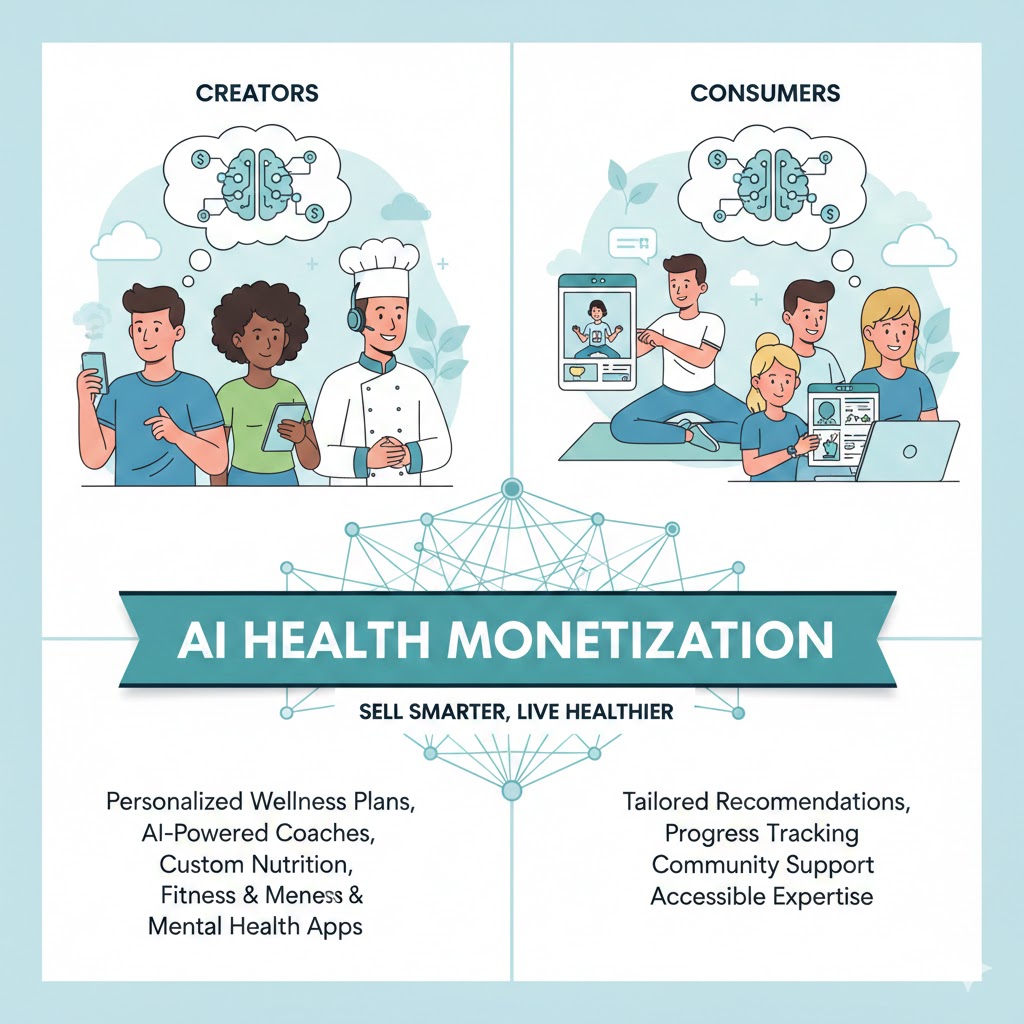
AI Health Monetization Personalized wellness used to belong only to clinics, coaches, and licensed professionals. Today, creators are building profitable health-focused businesses without diagnosing, prescribing, or crossing legal lines. The shift isn’t about replacing doctors—it’s about using AI to deliver guidance, habits, and personalization at scale.
This new model has a name: AI Health Monetization.
From AI-powered meal planning to stress dashboards and sleep optimization tools, creators are packaging personalized wellness experiences that feel custom—without offering medical advice. And audiences are paying for it.
This article breaks down how AI health monetization works, why it’s exploding right now, and how creators sell personalized wellness safely, legally, and profitably—without doctors.
1. Why AI Health Monetization Is Growing So Fast
Three major trends are colliding.
1.1 Rising Demand for Personalization
- One-size-fits-all wellness advice no longer works
- Users expect experiences tailored to them
- Static PDFs and generic courses feel outdated
1.2 Healthcare Access Gaps
- Doctors are overloaded
- Appointments are expensive and limited
- People want everyday guidance, not diagnoses
1.3 AI Makes Personalization Scalable
- AI adapts content instantly
- No 1-on-1 human labor required
- Infinite customization without burnout
That’s why AI Health Monetization has moved from niche to mainstream in under two years.
2. The Critical Difference: Wellness Guidance vs Medical Advice
This distinction makes everything possible.
2.1 What Creators Do Not Sell
- Diagnoses
- Treatments
- Prescriptions
- Medical claims
2.2 What They Do Sell
- Habit coaching
- Lifestyle insights
- Pattern recognition
- Educational personalization
Creators stay compliant by positioning AI as informational and supportive, not clinical.
3. How AI Enables “Personalized” Wellness at Scale
AI doesn’t replace expertise—it organizes inputs.
3.1 Inputs AI Uses
- User questionnaires
- Self-reported habits
- Sleep, stress, or nutrition preferences
- Lifestyle goals
3.2 Outputs AI Generates
- Personalized routines
- Daily wellness prompts
- Adaptive recommendations
- Progress summaries
The personalization feels deep—even though it’s automated.
4. What Creators Are Actually Selling
This is where monetization gets interesting.
4.1 AI Wellness Plans
- Personalized daily routines
- Sleep and stress schedules
- Nutrition frameworks (not meal prescriptions)
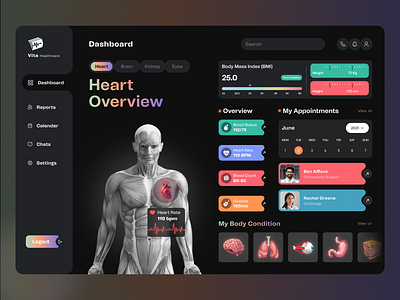
4.2 AI Wellness Dashboards
- Habit tracking
- Weekly feedback summaries
- Trend-based insights
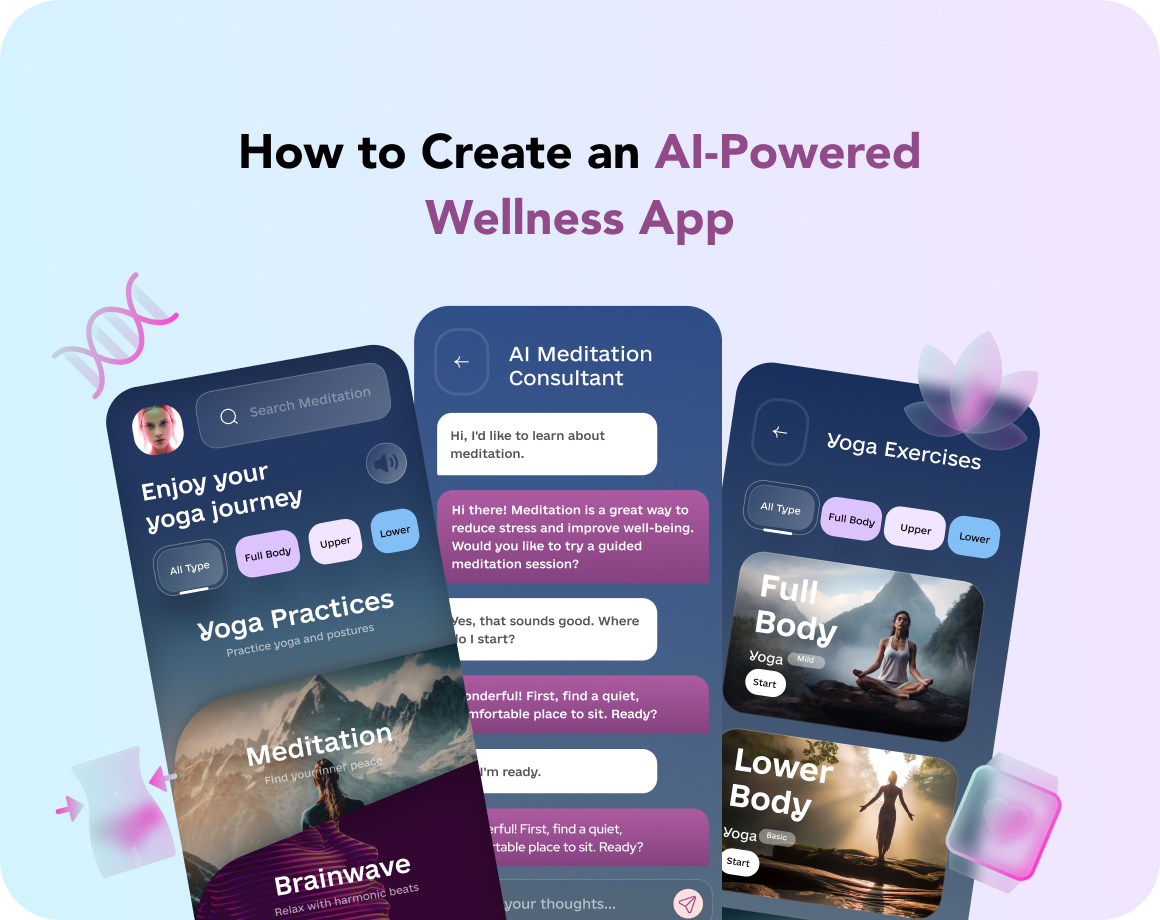
4.3 AI Coaches (Text-Based)
- Motivational guidance
- Educational explanations
- Behavior nudges
This structure is central to AI Health Monetization because it delivers value without liability.
5. Why Users Pay for AI Wellness (Even Free Content Exists)
Free content is generic. AI feels personal.
5.1 Emotional Value
- Users feel “seen”
- Advice feels relevant
- Less overwhelm
5.2 Convenience Value
- No research required
- One dashboard instead of 20 apps
- Immediate feedback
People don’t pay for information—they pay for clarity and direction.
6. Pricing Models That Work for AI Health Monetization
Creators are monetizing in smart, low-friction ways.
6.1 Subscription Models
- Monthly wellness access
- Ongoing personalization
- Predictable recurring revenue
6.2 One-Time Personalized Plans
- AI-generated wellness blueprints
- Goal-based programs (sleep reset, stress reset)
6.3 Tiered Access
- Free basic AI guidance
- Paid advanced personalization
- Premium dashboards or integrations
This flexibility is why AI Health Monetization scales so well.
7. How Creators Build Trust Without Medical Authority
Trust replaces credentials.
7.1 Transparency
- Clear disclaimers
- Clear scope of use
- Educational positioning
7.2 Social Proof
- User testimonials
- Before/after habit improvements
- Community feedback
7.3 Consistent Content
- Educational posts
- Honest limitations
- No miracle claims
Creators who respect boundaries grow faster—and last longer.
8. Platforms Powering AI Wellness Products
The tech stack is simpler than people think.
8.1 Common Tools
- AI language models
- No-code app builders
- Automation platforms
8.2 Why No-Code Matters
- Fast launches
- Low startup cost
- Easy iteration
This accessibility is accelerating AI Health Monetization across niches.
9. Legal and Ethical Guardrails Creators Follow
Successful creators don’t ignore risk—they design around it.
9.1 Key Safety Practices
- No diagnostic language
- No medical claims
- Strong disclaimers
9.2 Ethical Positioning
- Empowering users, not scaring them
- Encouraging professional help when needed
- Supporting autonomy
Responsible creators build sustainable brands—not short-term cash grabs.
10. Why AI Health Monetization Is Just Getting Started
This isn’t a trend—it’s infrastructure.
10.1 Future Growth Areas
- AI sleep optimization tools
- Stress resilience platforms
- Habit intelligence dashboards
10.2 Why Creators Win
- Direct audience trust
- Fast experimentation
- Low operational overhead
As wellness shifts from clinics to daily life, creators will lead the way.
FAQs: AI Health Monetization
Is AI health monetization legal without doctors?
Yes, when positioned as wellness education and lifestyle guidance—not medical advice.
Do users trust AI wellness tools?
Yes, especially when tools are transparent, personalized, and honest about limitations.
Can AI replace health professionals?
No. AI supports daily habits and awareness but doesn’t replace clinical care.
Is this niche saturated?
No. Most creators are still early, and demand is growing rapidly.
What makes AI wellness products sell?
Personalization, clarity, and habit-focused outcomes.
Final Thoughts
The future of wellness isn’t about replacing doctors—it’s about filling the massive gap between appointments. AI Health Monetization allows creators to deliver personalized, supportive, and scalable wellness experiences without crossing ethical or legal boundaries.
Creators who focus on education, habits, and empowerment aren’t just monetizing—they’re building trust-driven ecosystems that grow with their audience.
And this is only the beginning.
Also read this:
Monetized AI Carpet Cleaning Shorts That Go Viral