
What is Histamine Intolerance?
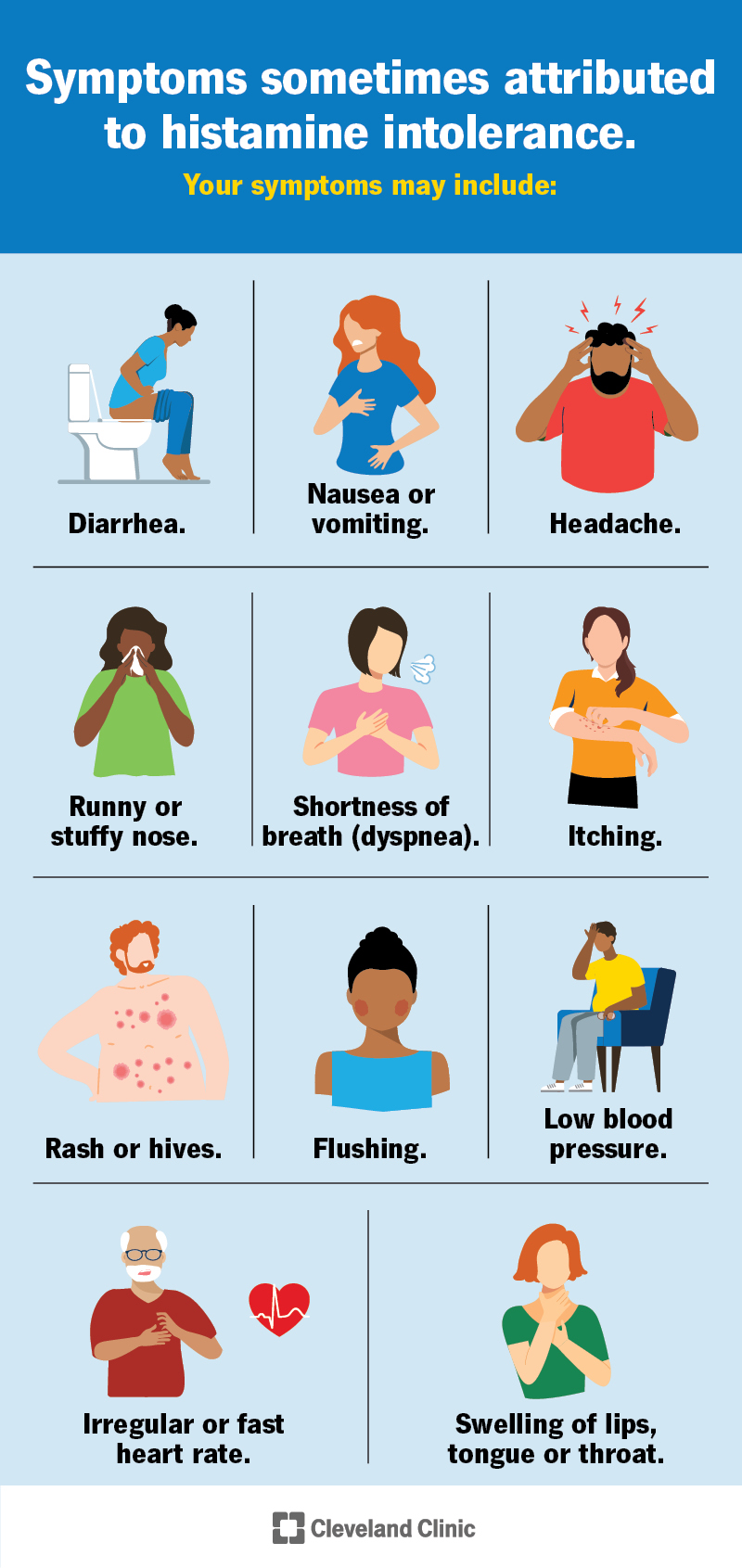
Histamine Intolerance Symptoms occur when the body cannot properly break down histamine, a natural chemical involved in immune response, digestion, and brain function.
Normally, an enzyme called diamine oxidase (DAO) breaks down histamine in the body. When DAO levels are low or histamine intake is too high, it builds up and triggers various Histamine Intolerance Symptoms.
This condition is often confused with allergies but is actually related to digestion and enzyme activity.
Common Histamine Intolerance Symptoms
Recognizing Histamine Intolerance Symptoms early can help prevent discomfort and long-term issues.
1. Headaches and Migraines
Frequent headaches are one of the most common Histamine Intolerance Symptoms.
2. Skin Reactions
- Hives
- Itching
- Rashes
3. Digestive Issues
- Bloating
- Diarrhea
- Stomach cramps
4. Nasal Problems
Runny or blocked nose without infection.
5. Fatigue
Persistent tiredness and low energy.
6. Heart Palpitations
Irregular or rapid heartbeat.
7. Anxiety and Mood Changes
Histamine affects brain chemistry.
8. Dizziness
Feeling lightheaded or unstable.
9. Flushing
Redness on face and neck.
10. Breathing Difficulty
Mild shortness of breath in some cases.
Causes of Histamine Intolerance
Several factors contribute to Histamine Intolerance Symptoms:
- Low DAO enzyme production
- Poor gut health
- Certain medications
- High intake of histamine-rich foods
- Alcohol consumption
High-Histamine Foods to Avoid

Avoiding these foods can significantly reduce Histamine Intolerance Symptoms.
Foods to Limit or Avoid:
- Fermented foods (yogurt, kimchi, sauerkraut)
- Aged cheese (cheddar, parmesan)
- Processed meats (salami, sausages)
- Alcohol (wine, beer)
- Certain vegetables (spinach, tomatoes, eggplant)
- Fruits (avocado, banana, strawberries)
- Canned or processed seafood
Low-Histamine Foods You Can Eat
To manage Histamine Intolerance Symptoms, include:
- Fresh fruits (apple, pear)
- Vegetables (carrot, zucchini)
- Fresh meat and chicken
- Rice and gluten-free grains
- Herbal teas
Benefits of Managing Histamine Intolerance
Reducing Histamine Intolerance Symptoms can improve:
- Energy levels
- Skin health
- Digestion
- Mental clarity
- Sleep quality
- Overall well-being
Side Effects of Ignoring Histamine Intolerance
Ignoring Histamine Intolerance Symptoms may lead to:
- Chronic inflammation
- Severe migraines
- Digestive problems
- Skin disorders
- Anxiety and fatigue
How to Manage Histamine Intolerance
1. Follow a Low-Histamine Diet
This is the most effective way to control Histamine Intolerance Symptoms.
2. Improve Gut Health
A healthy gut supports better histamine breakdown.
3. Avoid Alcohol
Alcohol blocks DAO enzyme activity.
4. Eat Fresh Food
Avoid leftovers and processed meals.
5. Consider Supplements
DAO supplements may help (consult a doctor).
Daily Tips to Reduce Histamine Intolerance Symptoms
- Eat freshly prepared meals
- Avoid reheating food multiple times
- Stay hydrated
- Track your trigger foods
- Manage stress levels
How Much Histamine is Safe?
There is no fixed safe level, but people with Histamine Intolerance Symptoms should:
- Keep intake minimal
- Avoid combining multiple high-histamine foods
- Observe body reactions carefully
Who is at Risk?
- People with gut issues
- Individuals with food sensitivities
- Those consuming processed foods regularly
- People with enzyme deficiencies
Who Should Avoid High-Histamine Foods?
- Individuals with frequent Histamine Intolerance Symptoms
- People with chronic headaches or skin reactions
- Those with unexplained digestive issues
Storage Tips to Reduce Histamine in Food
- Eat food fresh
- Refrigerate immediately
- Avoid long storage
- Do not reheat repeatedly
Precautions
- Consult a doctor for severe symptoms
- Avoid self-diagnosis
- Introduce dietary changes gradually
- Monitor your body’s response
Conclusion
Histamine Intolerance Symptoms can affect multiple systems in the body, from digestion to skin and brain function. However, with proper awareness, dietary control, and lifestyle changes, these symptoms can be effectively managed.
By avoiding high-histamine foods, focusing on fresh and nutrient-rich options, and supporting gut health, you can significantly reduce discomfort and improve your overall quality of life.
FAQ’s
What are the main Histamine Intolerance Symptoms?
Headaches, skin rashes, digestive issues, fatigue, and nasal congestion are common.
Can histamine intolerance be cured?
There is no permanent cure, but symptoms can be managed effectively.
How quickly do symptoms appear?
Symptoms may appear within minutes to a few hours after eating trigger foods.
Is histamine intolerance dangerous?
It is not life-threatening but can affect daily life if unmanaged.
Can I eat eggs?
Yes, eggs are generally low in histamine and safe for most people.
More Related Topics:
Lemon Balm Tea Benefits for Stress, Sleep & Anxiety