
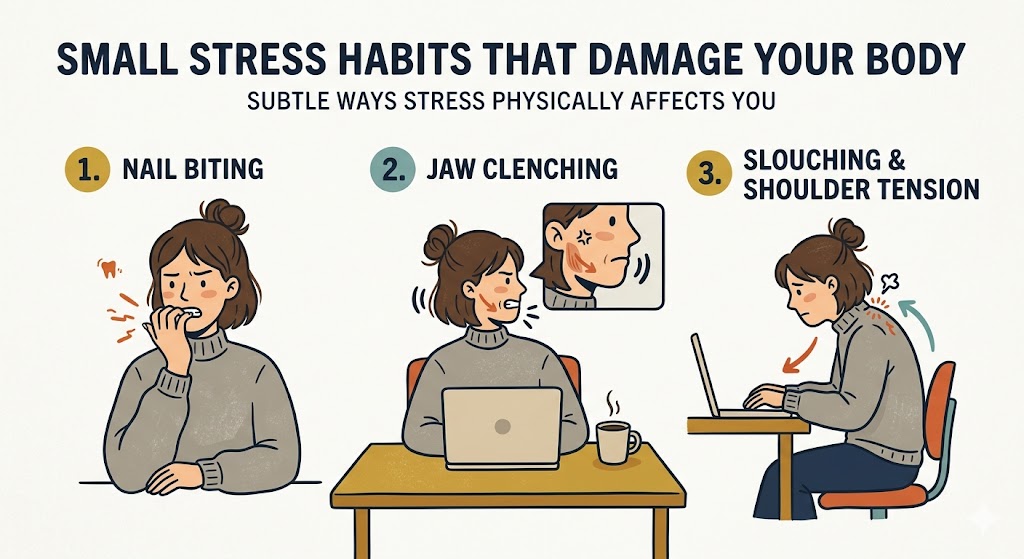
Stress isn’t always loud or obvious. Sometimes, it hides in your daily routine—in the small things you ignore. These unnoticed patterns, known as Small Stress Habits, slowly damage your body over time.
You may not feel it immediately, but these habits can affect your sleep, digestion, skin, and even long-term health.
In this SEO-optimized guide, we’ll uncover the most common Small Stress Habits, how they impact your body, and simple ways to fix them.
1. What Are Small Stress Habits?
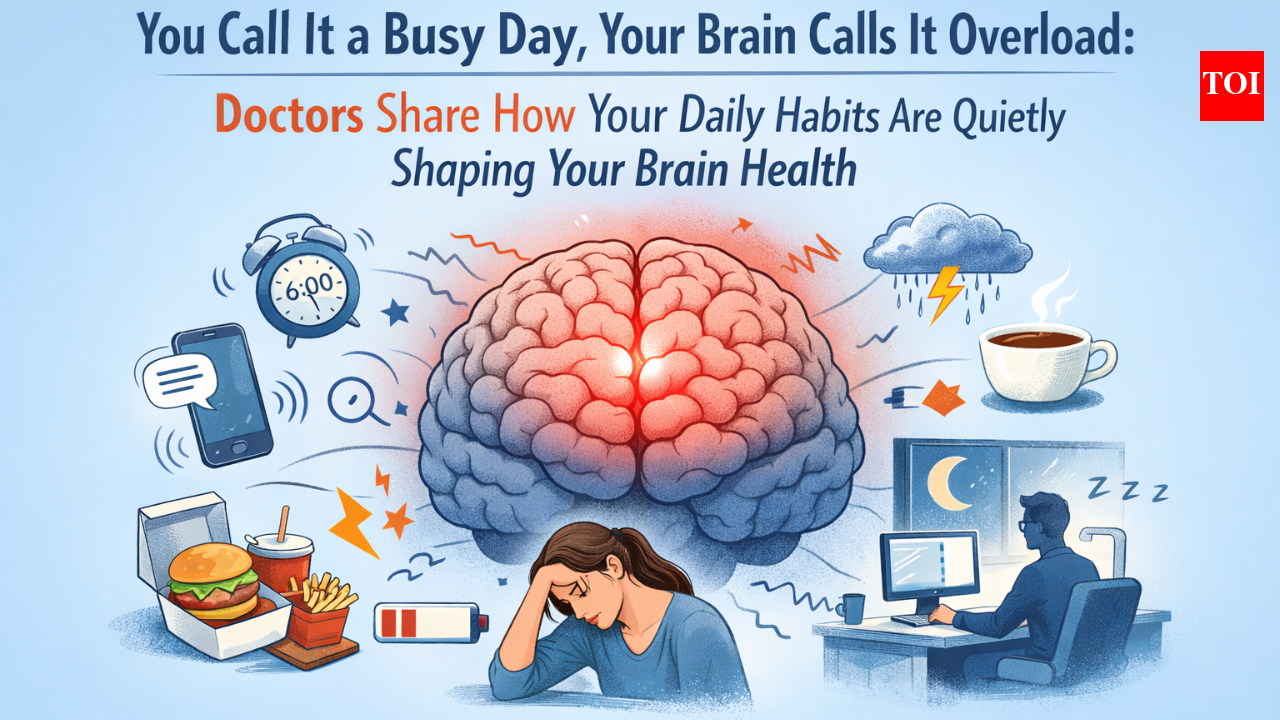
Small Stress Habits are everyday behaviors that seem harmless but gradually increase stress levels in your body.
Examples:
- Constant phone checking
- Overthinking small issues
- Skipping breaks
- Poor sleep routines
👉 These habits may look normal—but they quietly harm your health.
2. Why Small Stress Habits Are Dangerous
2.1 Long-Term Impact
- Builds up slowly
- Hard to notice
2.2 Affects Multiple Systems
- Brain
- Heart
- Digestive system
2.3 Leads to Chronic Stress
- Constant tension in body
👉 Ignoring Small Stress Habits can lead to serious health issues.
3. Small Stress Habits That Damage Your Body
3.1 Constant Phone Usage

Impact:
- Eye strain
- Mental fatigue
- Sleep disturbance
👉 One of the most common Small Stress Habits today.
3.2 Overthinking Everything
Impact:
- Anxiety
- Mental exhaustion
- Poor decision-making
👉 Overthinking turns small problems into big stress.
3.3 Skipping Meals

Impact:
- Low energy
- Digestive issues
- Mood swings
👉 Skipping meals is a harmful Small Stress Habit.
3.4 Poor Sleep Routine
Impact:
- Fatigue
- Weak immunity
- Brain fog
👉 Sleep is essential—neglecting it increases stress.
3.5 Multitasking Too Much

Impact:
- Reduced productivity
- Mental overload
👉 Multitasking is often mistaken as productivity.
3.6 Lack of Physical Activity
Impact:
- Low energy
- Increased stress hormones
👉 Sitting all day is a silent Small Stress Habit.
3.7 Negative Self-Talk
Impact:
- Low confidence
- Increased anxiety
👉 Your thoughts directly affect your stress levels.
3.8 Ignoring Breaks
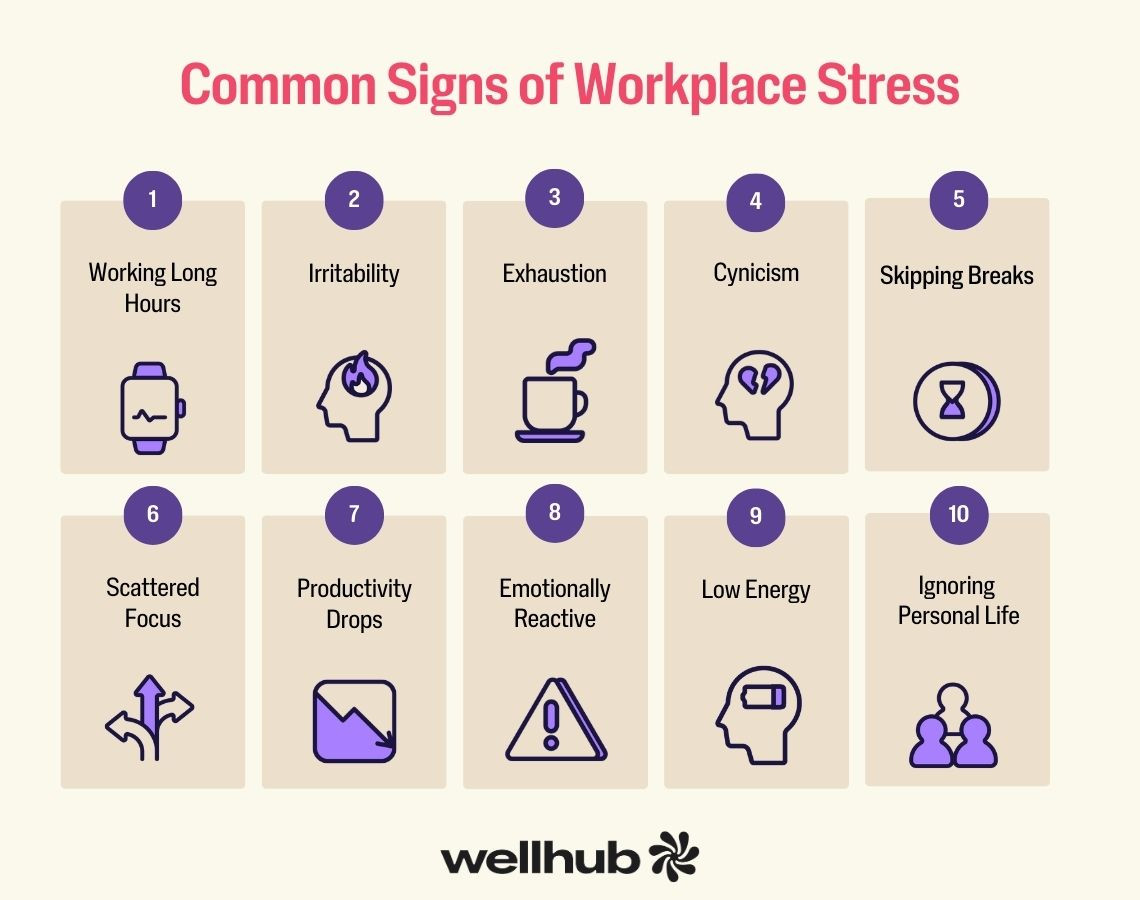
Impact:
- Burnout
- Reduced focus
👉 Breaks are essential for mental recovery.
4. How Small Stress Habits Affect Your Body
4.1 Brain
- Anxiety
- Lack of focus
4.2 Heart
- Increased heart rate
- High blood pressure
4.3 Digestive System
- Bloating
- Poor digestion
4.4 Skin
- Acne
- Dullness
👉 These effects show how dangerous Small Stress Habits can be.
5. Signs You’re Affected by Small Stress Habits
- Constant tiredness
- Irritability
- Poor sleep
- Lack of focus
👉 Recognizing these signs is the first step to improvement.
6. How to Fix Small Stress Habits
6.1 Limit Screen Time
- Set daily limits
6.2 Practice Mindfulness
- Stay present
6.3 Eat Regular Meals
- Maintain energy
6.4 Improve Sleep Routine
- Fixed sleep schedule
6.5 Take Breaks
- Short breaks every hour
6.6 Exercise Daily
- Even 20 minutes helps
👉 Small changes can eliminate Small Stress Habits.
7. Daily Routine to Reduce Stress
Morning:
- Stretching or meditation
Day:
- Take breaks
- Eat properly
Night:
- Limit phone use
- Relax before sleep
8. Why Fixing Small Stress Habits Matters
Benefits:
- Better mental health
- Improved energy
- Stronger immunity
- Better focus
👉 Removing Small Stress Habits improves overall life quality.
Conclusion
Stress doesn’t always come from big problems—it often comes from small daily habits.
By identifying and fixing Small Stress Habits, you can protect your body, improve your mental health, and live a more balanced life.
Start with small changes today—and over time, you’ll see a big difference.
FAQ (Frequently Asked Questions)
1. What are Small Stress Habits?
They are daily behaviors that increase stress without you noticing.
2. Can small habits really affect health?
Yes, over time they can cause serious issues.
3. How can I reduce stress daily?
By improving sleep, diet, and limiting screen time.
4. Is overthinking a stress habit?
Yes, it is one of the most common ones.
5. How long does it take to fix these habits?
With consistency, you can see improvements in a few weeks.
More Related Topics:
Eye Health Tips for Mobile Users