
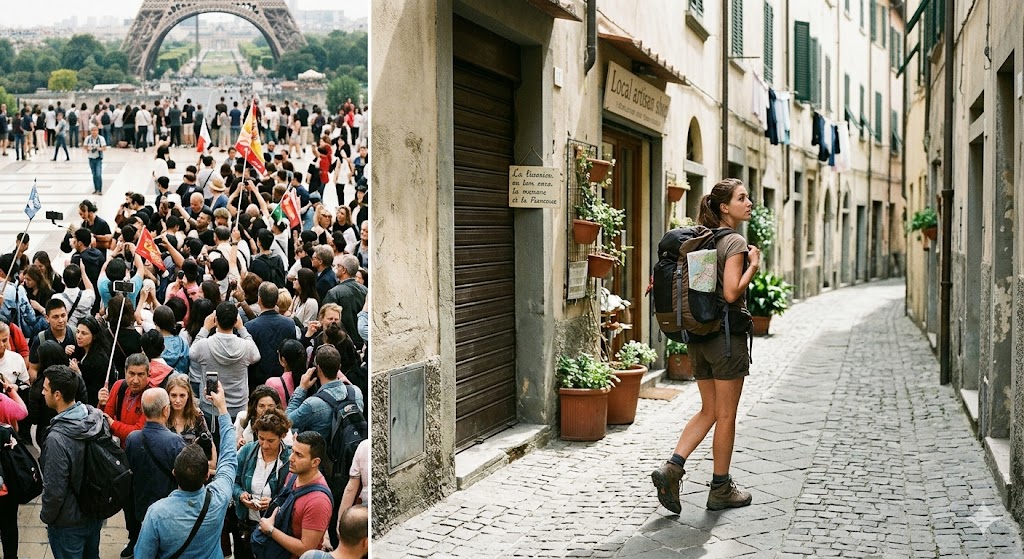
For years, travel has been driven by one idea—ticking off famous destinations from a bucket list. Visit the Eiffel Tower, take selfies at Bali swings, explore crowded beaches… repeat.
But in 2026, a new mindset is taking over: Reverse Bucket List Travel.
Instead of chasing what everyone else is doing, travelers are now intentionally avoiding overhyped, overcrowded experiences. The goal? More authentic, peaceful, and meaningful journeys.
So, is Reverse Bucket List Travel just another trend—or is it the future of travel?
Let’s break it down.
1. What is Reverse Bucket List Travel?

Reverse Bucket List Travel is the concept of avoiding popular, crowded, or overhyped travel experiences and choosing less explored, more meaningful alternatives.
Simple Idea:
- Skip famous places → Choose hidden gems
- Avoid crowds → Seek solitude
- Focus on experience → Not social media
Sub-Points:
- Travel with intention
- Prioritize peace over popularity
- Discover underrated destinations
This approach completely flips traditional travel thinking.
2. Why Reverse Bucket List Travel is Trending in 2026
2.1 Over-Tourism Fatigue
- Popular destinations are overcrowded
- Long queues and high prices
2.2 Social Media Burnout
- People are tired of “Instagram travel”
- Want real experiences
2.3 Rise of Slow Travel
- Focus on quality, not quantity
2.4 Mental Health Awareness
- Peaceful travel reduces stress
Because of these reasons, Reverse Bucket List Travel is becoming a preferred travel style.
3. Benefits of Reverse Bucket List Travel
3.1 Less Crowds, More Peace
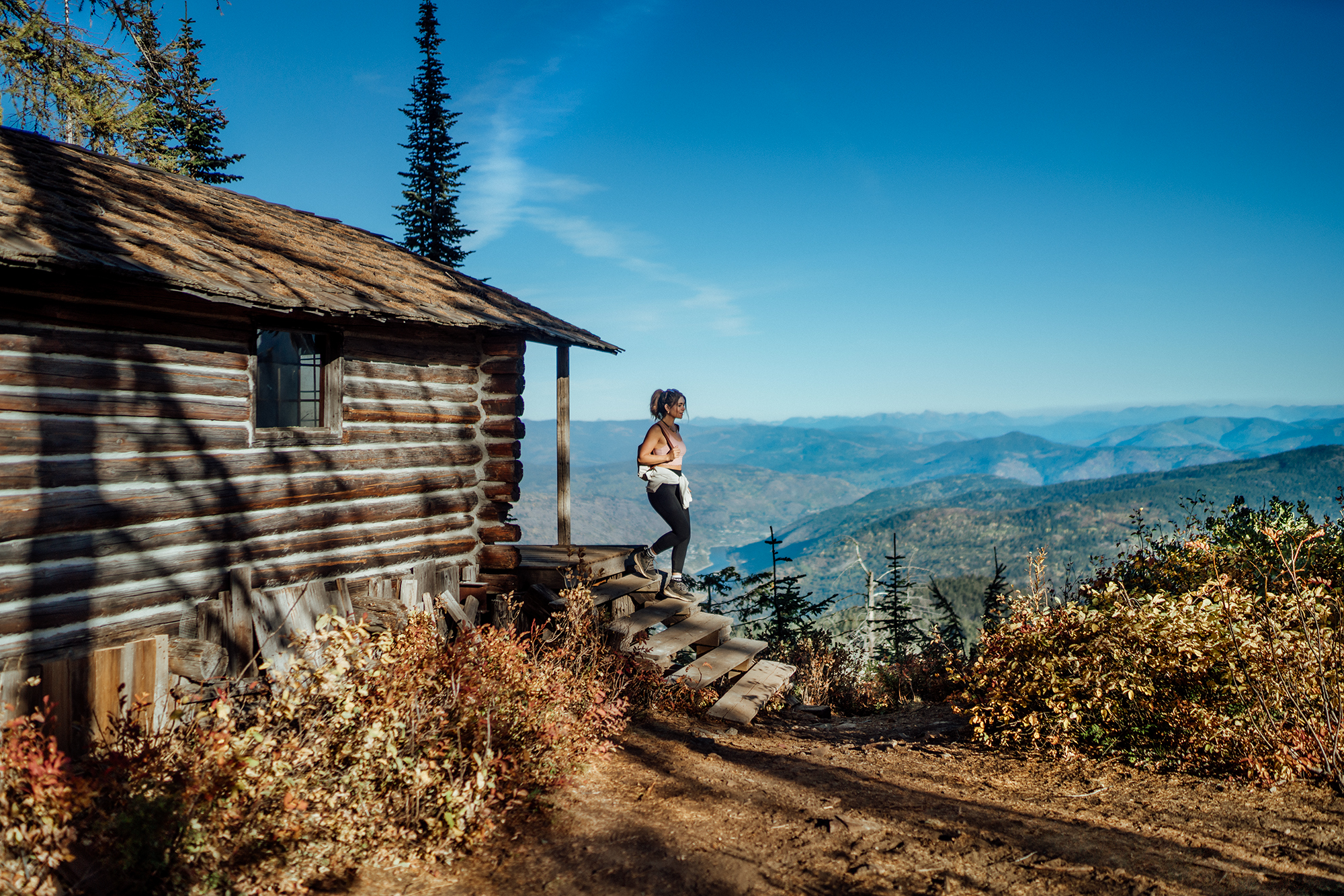
- Enjoy destinations without chaos
3.2 More Authentic Experiences
- Connect with local culture
- Avoid tourist traps
3.3 Lower Costs
- Hidden places are often cheaper
3.4 Better Travel Memories
- Unique, personal experiences
3.5 Flexible Travel Plans
- No rush or strict itineraries
These advantages make Reverse Bucket List Travel more fulfilling than traditional travel.
4. Examples of Reverse Bucket List Travel Choices
4.1 Skip Overcrowded Beaches
- Avoid Goa peak season
- Choose lesser-known coastal towns
4.2 Avoid Famous Monuments
- Skip long queues
- Explore local heritage sites
4.3 Say No to Viral Spots
- Avoid Instagram-famous locations
- Discover hidden gems
4.4 Choose Nature Over Cities
- Mountains, forests, lakes
- Peaceful environments
This is how Reverse Bucket List Travel works in real life.
5. How to Plan Reverse Bucket List Travel
5.1 Research Hidden Destinations
- Look beyond Google top results
5.2 Travel Off-Season
- Avoid peak tourist months
5.3 Talk to Locals
- Get real recommendations
5.4 Avoid Viral Trends
- Don’t follow every travel reel
5.5 Stay Flexible
- Let the journey flow naturally
Planning smartly helps you fully enjoy Reverse Bucket List Travel.
6. Best Destinations for Reverse Bucket List Travel

6.1 Spiti Valley (India)
- Remote and peaceful
- Stunning landscapes
6.2 Tirthan Valley (India)
- Less crowded than Manali
- Nature-focused
6.3 Faroe Islands
- Quiet and unique
6.4 Albania Beaches
- Alternative to crowded Europe spots
These places perfectly match the idea of Reverse Bucket List Travel.
7. Who Should Try Reverse Bucket List Travel?
Ideal For:
- Solo travelers
- Introverts
- Nature lovers
- Budget travelers
Not Ideal For:
- People who love nightlife
- Those seeking luxury city experiences
8. Challenges of Reverse Bucket List Travel
8.1 Limited Facilities
- Fewer hotels and amenities
8.2 Less Connectivity
- Remote locations
8.3 Planning Effort
- Requires more research
8.4 Safety Considerations
- Must check local conditions
Even with these challenges, Reverse Bucket List Travel is worth exploring.
9. Reverse Bucket List Travel vs Traditional Travel
| Feature | Traditional Travel | Reverse Bucket List Travel |
|---|---|---|
| Focus | Popular places | Hidden gems |
| Crowd | High | Low |
| Experience | Standard | Unique |
| Cost | Expensive | Often cheaper |
| Purpose | Social media | Personal experience |
10. Is Reverse Bucket List Travel the Future?
Yes, Because:
- People want meaningful travel
- Over-tourism is increasing
- Unique experiences matter more
But:
- Not suitable for everyone
Final Thought:
Reverse Bucket List Travel is not just a trend—it’s a shift in mindset.
Conclusion
Travel is no longer about ticking boxes—it’s about how you feel, what you experience, and what you remember.
Reverse Bucket List Travel encourages you to slow down, explore deeper, and choose experiences that truly matter.
If you’re tired of crowded destinations and predictable trips, this approach might completely change the way you travel.
FAQ (Frequently Asked Questions)
1. What is Reverse Bucket List Travel?
It’s a travel style focused on avoiding popular destinations and choosing less crowded alternatives.
2. Why is it becoming popular?
Because people want peaceful and authentic experiences.
3. Is it cheaper than normal travel?
Often yes, since hidden destinations are less expensive.
4. Is it safe?
Yes, if you research properly and plan wisely.
5. Is Reverse Bucket List Travel worth trying?
Absolutely, especially if you value unique and peaceful travel experiences.
More Related Topics:
Lake Cabin Trips for the Perfect Summer Escape