

Modern work culture has drastically changed the way people spend their day. Millions of professionals now work in office environments where long hours of sitting in front of computers have become the norm. Unfortunately, prolonged sitting is associated with multiple health risks including poor posture, reduced metabolism, and chronic fatigue.
To counter these risks, experts recommend implementing an Anti Sedentary Lifestyle Strategy designed specifically for desk workers. An effective Anti Sedentary Lifestyle Strategy encourages regular movement, improved posture, and daily habits that reduce the negative effects of sitting for extended periods.
As awareness of workplace health grows, more companies and individuals are adopting Anti Sedentary Lifestyle Strategy practices to maintain physical well-being and improve productivity.
In this comprehensive guide, we will explore how desk workers can successfully implement an Anti Sedentary Lifestyle Strategy and create healthier daily routines.
1. Understanding the Need for an Anti Sedentary Lifestyle Strategy
A sedentary lifestyle refers to spending long periods sitting or remaining physically inactive. Many desk workers spend 8–10 hours sitting each day, which can lead to long-term health issues.
An Anti Sedentary Lifestyle Strategy focuses on introducing movement and physical activity into the workday to offset these risks.
Health Risks of Prolonged Sitting
Sub points:
- poor posture and back pain
- reduced blood circulation
- increased risk of obesity
- lower energy levels
- metabolic slowdown
Implementing an Anti Sedentary Lifestyle Strategy helps prevent these problems and promotes better overall health.
2. Why Desk Workers Need an Anti Sedentary Lifestyle Strategy
Desk jobs often limit natural physical movement throughout the day. Without conscious effort, workers may remain inactive for hours.
An effective Anti Sedentary Lifestyle Strategy helps restore movement and physical balance during work hours.
Benefits of an Anti Sedentary Lifestyle Strategy
Sub points:
- improved posture
- better blood circulation
- increased daily energy
- enhanced mental focus
- reduced health risks
Workers who follow an Anti Sedentary Lifestyle Strategy often experience improved productivity and reduced fatigue.
3. Incorporating Movement Breaks
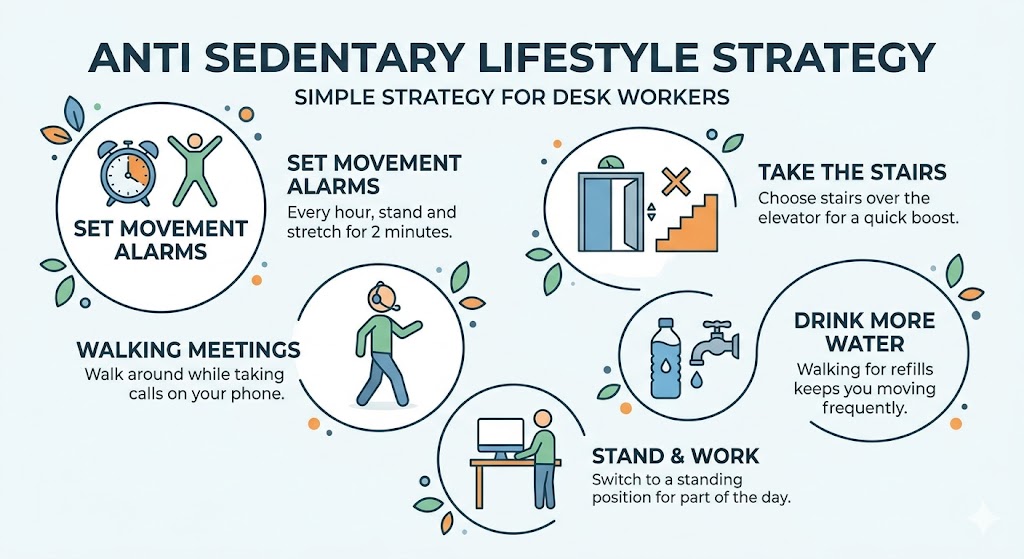
One of the simplest Anti Sedentary Lifestyle Strategy techniques is taking regular movement breaks.
How Movement Breaks Help
Sub points:
- activate muscles
- stimulate blood flow
- reduce muscle stiffness
- improve mental alertness
Experts recommend standing or moving for a few minutes every 30–60 minutes as part of an Anti Sedentary Lifestyle Strategy.
Examples of movement breaks:
- short walks
- stretching exercises
- light mobility routines
4. Using Standing Workstations
Standing desks have become increasingly popular as part of workplace wellness initiatives.
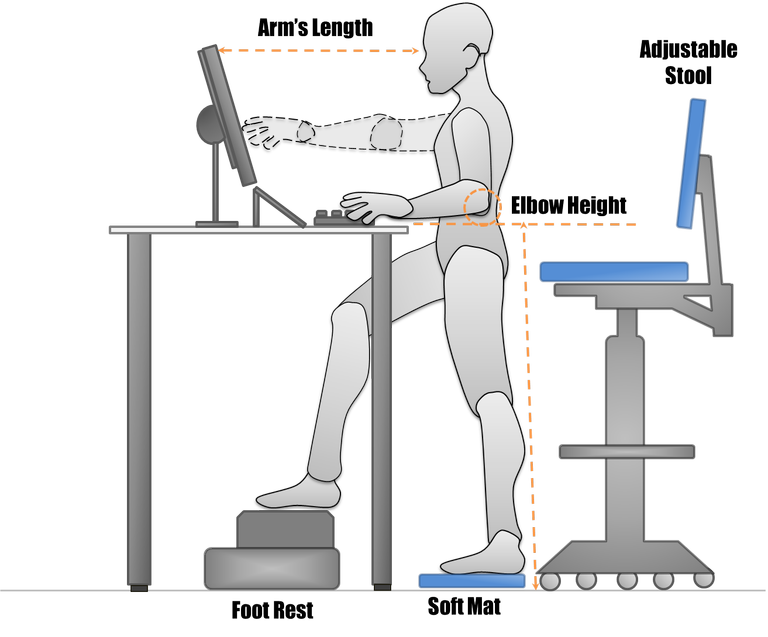
Standing workstations are an important component of an Anti Sedentary Lifestyle Strategy because they reduce continuous sitting.
Advantages of Standing Desks
Sub points:
- improved posture
- increased calorie burning
- reduced lower back strain
- better energy levels
Alternating between sitting and standing supports a balanced Anti Sedentary Lifestyle Strategy.
5. Desk Exercises for Daily Movement
Desk exercises are a practical way to incorporate movement without leaving the workplace.
Effective Desk Exercises
Sub points:
- seated leg lifts
- shoulder rolls
- neck stretches
- ankle rotations
These exercises help activate muscles and improve circulation, making them a valuable part of an Anti Sedentary Lifestyle Strategy.
6. Walking Meetings and Active Breaks
Many companies are adopting walking meetings as a healthier alternative to traditional conference room meetings.
Walking meetings support an Anti Sedentary Lifestyle Strategy by combining productivity with physical activity.
Benefits of Walking Meetings
Sub points:
- increased creativity
- improved focus
- enhanced communication
- physical movement during work hours
This approach allows professionals to stay active without interrupting their workflow.
7. Improving Workplace Ergonomics
Ergonomic workspaces are essential for supporting an Anti Sedentary Lifestyle Strategy.
Proper ergonomics reduce physical strain and encourage better posture.
Ergonomic Workspace Tips
Sub points:
- adjust chair height correctly
- maintain proper screen alignment
- keep feet flat on the floor
- support lower back posture
These adjustments help workers maintain comfort while following an Anti Sedentary Lifestyle Strategy.
8. Building Daily Movement Habits
Consistency is key to making an Anti Sedentary Lifestyle Strategy effective.
Small daily habits can significantly reduce sedentary behavior.
Healthy Workplace Habits
Sub points:
- use stairs instead of elevators
- walk during phone calls
- stretch during breaks
- stand while reading documents
These habits help maintain regular movement throughout the day.
9. Nutrition and Hydration for Active Workdays
Nutrition and hydration also support an effective Anti Sedentary Lifestyle Strategy.
Energy-Supporting Habits
Sub points:
- drink water regularly
- avoid heavy processed snacks
- eat balanced meals
- maintain stable energy levels
Healthy nutrition complements the physical aspects of an Anti Sedentary Lifestyle Strategy.
10. Long-Term Benefits of Anti Sedentary Lifestyle Strategy
Following an Anti Sedentary Lifestyle Strategy consistently can lead to significant long-term health improvements.
Long-Term Benefits
Sub points:
- improved cardiovascular health
- stronger muscles and joints
- better mental well-being
- reduced risk of chronic diseases
Over time, these improvements contribute to a healthier lifestyle and better workplace performance.
Conclusion
Desk work is an unavoidable part of modern professional life, but prolonged sitting can negatively impact health and productivity. Implementing an effective Anti Sedentary Lifestyle Strategy helps counter these risks by encouraging regular movement, improved posture, and healthier workplace habits.
By incorporating movement breaks, ergonomic workspaces, desk exercises, and active routines, desk workers can maintain better physical health while staying productive.
The key to a successful Anti Sedentary Lifestyle Strategy is consistency. Small daily changes can significantly reduce sedentary behavior and create a healthier work-life balance.
Frequently Asked Questions (FAQ)
1. What is an Anti Sedentary Lifestyle Strategy?
An Anti Sedentary Lifestyle Strategy involves daily habits that reduce prolonged sitting and promote regular movement during work hours.
2. Why is sitting for long periods unhealthy?
Prolonged sitting can lead to poor posture, reduced circulation, metabolic problems, and increased health risks.
3. How often should desk workers move during the day?
Experts recommend standing or moving at least every 30–60 minutes as part of an Anti Sedentary Lifestyle Strategy.
4. Are standing desks effective?
Yes. Standing desks help reduce continuous sitting and support healthier posture.
5. Can small habits reduce sedentary behavior?
Yes. Small habits like walking during calls or stretching regularly can significantly support an Anti Sedentary Lifestyle Strategy.
More Related Topics:
Daily Energy Management Strategies for Modern Lifestyles: Boost Productivity and Well-Being
Circadian Eating Timing Diet Strategy Explained: Optimize Your Health With Smart Meal Timing
Neuroplasticity Workouts for Faster Learning: Learn Smarter and Faster