
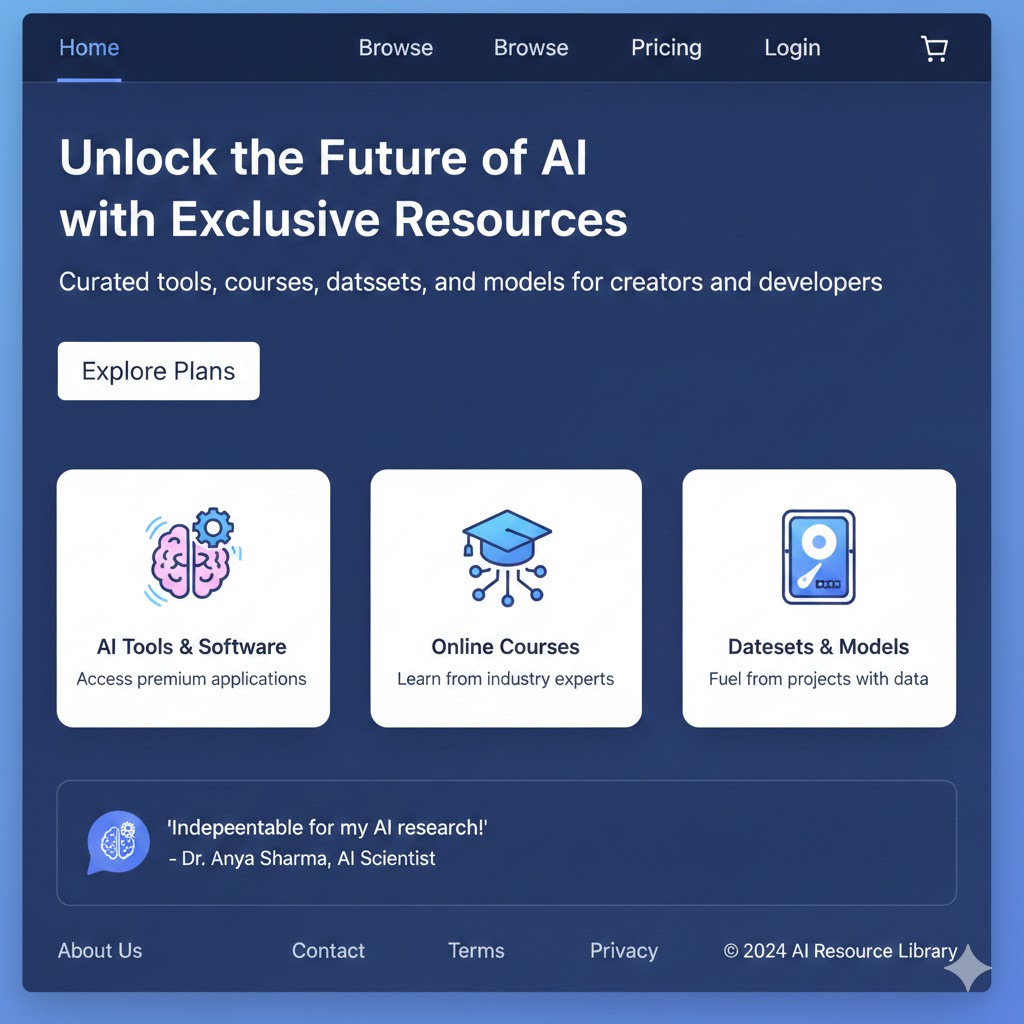
AI tools are multiplying daily. New prompts, workflows, automation hacks, SaaS tools, and integrations appear faster than most people can keep up. This information overload creates opportunity.
Instead of building another AI blog, you can Create a Paid AI Resource Library — a structured, curated, members-only platform where users pay for organized, updated, high-quality AI resources.
This model blends SaaS, content, and community into one scalable digital business.
1. What Does It Mean to Create a Paid AI Resource Library?
To Create a Paid AI Resource Library means building a subscription-based website that offers:
- Curated AI tools
- Tested prompts
- Workflow templates
- Automation guides
- Industry-specific AI systems
Instead of free scattered content, members pay for clarity, organization, and time savings.
2. Why 2026 Is the Perfect Timing
AI adoption is moving from experimentation to implementation.
Market shifts driving demand:
- Businesses want structured AI workflows
- Creators want ready-to-use prompt systems
- Agencies need automation shortcuts
- Information overload creates decision fatigue
A well-built AI library becomes a productivity accelerator.
3. Choose a High-Value Niche (Don’t Go General)
The biggest mistake is building “AI for everyone.”
Instead, niche down.
High-converting niches:
- AI for real estate agents
- AI for e-commerce sellers
- AI for YouTube creators
- AI for digital marketers
- AI for coaches & consultants
Specialization increases perceived value and reduces competition.
4. Core Content Structure for Your Library
When you Create a Paid AI Resource Library, organization is everything.
Recommended structure:
Category 1: Prompt Vault
- Tested prompts
- Copy-paste ready systems
- Editable templates
Category 2: Workflow Systems
- Step-by-step automation guides
- Tool combinations
- Case examples
Category 3: Tool Reviews & Comparisons
- Detailed breakdowns
- Best-use cases
- ROI analysis
Category 4: Monthly Updates
- New tools
- Industry shifts
- Trend alerts
This structure justifies recurring payments.
5. Monetization Model Options
1) Monthly Subscription
$9–$39/month depending on niche value.
2) Annual Membership
Discounted yearly plan for higher retention.
3) Lifetime Access (Limited Time)
Higher upfront payment, limited availability.
4) Enterprise Access
Team-level pricing for agencies or companies.
Recurring subscriptions provide stable cash flow.
6. Website Setup Strategy
To successfully Create a Paid AI Resource Library, your site should include:
- Clean dashboard layout
- Member login portal
- Easy navigation
- Search functionality
- Content tagging system
User experience determines retention.
7. Traffic Strategy for Growth
Your paid library should be fueled by free content.
Traffic channels:
- SEO blog posts
- YouTube tool demonstrations
- LinkedIn thought leadership
- Twitter/X threads
- AI community engagement
Free content attracts → email capture → paid conversion.
8. SEO Content Funnel Strategy
Content drives organic leads.
Blog topics that convert:
- “Best AI Tools for Real Estate Agents”
- “How to Automate Client Onboarding with AI”
- “Top AI Prompts for Content Creators”
Each post promotes your premium resource library.
SEO compounds over time.
9. Email Funnel to Increase Conversions
When users opt in:
- Send a free mini AI toolkit
- Share educational emails
- Demonstrate value
- Offer limited-time membership
Email automation increases lifetime value.
10. Pricing Psychology
Underpricing harms perception.
Example tiers:
Basic: $9/month
Pro: $19/month
Agency: $39/month
Higher pricing signals expertise.
11. Retention Strategy (Critical for Recurring Revenue)
Retention > acquisition.
Retention tactics:
- Monthly new resource drops
- Community discussions
- Exclusive webinars
- Case study breakdowns
When you Create a Paid AI Resource Library, updates keep churn low.
12. Differentiation Strategy
AI content is everywhere.
To stand out:
- Provide tested resources (not generic prompts)
- Include real case results
- Offer niche-specific depth
- Build community around implementation
Clarity beats volume.
13. Revenue Potential Example
Let’s do simple math:
- 500 members × $19/month = $9,500/month
- 1,000 members × $29/month = $29,000/month
Add affiliate partnerships and enterprise plans — income scales further.
14. Common Mistakes to Avoid
Avoid these errors:
- Launching without niche focus
- No update schedule
- Poor UX design
- Overpromising results
- Relying only on paid ads
Value + consistency builds long-term authority.
15. Legal & Transparency Considerations
Include:
- Clear terms of service
- Refund policy
- AI disclaimer
- Privacy compliance
Professional structure increases trust.
16. Final Verdict: Should You Create a Paid AI Resource Library in 2026?
Yes — if you treat it like a platform, not a side project.
When you Create a Paid AI Resource Library, you’re building:
- Recurring subscription income
- A knowledge authority brand
- A scalable digital asset
- A potential sellable business
The AI boom is shifting from tool discovery to structured implementation. Those who curate, organize, and simplify will win.
This model rewards specialization, consistency, and long-term thinking.
Frequently Asked Questions (FAQ)
Q1. Do I need technical skills to create it?
Basic website skills help, but many no-code tools support membership platforms.
Q2. How many resources should I launch with?
Start with 30–50 high-quality assets and grow monthly.
Q3. Is the AI niche too saturated?
General AI content is crowded. Niche AI resource libraries are still emerging.
Q4. How long until profitability?
Expect 6–12 months of consistent content and marketing.
Q5. Can this become a full-time business?
Yes, especially with subscription scaling and enterprise plans.
Conclusion
The next phase of AI isn’t about discovering tools — it’s about organizing them into actionable systems. When you Create a Paid AI Resource Library, you position yourself as the curator of clarity in a chaotic market.
In 2026, structured AI implementation will be more valuable than random experimentation.
Build the system. Own the audience. Scale the library.
Also read this:
AI Course Generator Website Idea 2026 (Build Once, Sell Forever)
Launch a Custom GPT Store Website in 2026 (Build, Monetize & Scale Smartly)
AI Newsletter Website Monetization Guide (Build, Grow & Earn in 2026)