
Gut Microbiome Testing Gut health has moved from a niche wellness topic to a central pillar of modern health science. From digestion and immunity to mood, metabolism, and inflammation, the gut microbiome plays a role far beyond the stomach. As awareness grows, more people are turning to Gut Microbiome Testing to understand what’s happening inside their bodies.
But once the test results arrive, many people feel overwhelmed. Pages of bacteria names, diversity scores, and charts can be confusing without proper context. This leads to an important question: What do gut microbiome test results actually mean, and how useful are they?
This article breaks down Gut Microbiome Testing results in a clear, realistic way—separating insight from hype.

1. What Gut Microbiome Testing Actually Measures
Before interpreting results, it’s essential to understand what’s being tested.
Core Focus of Gut Microbiome Testing
- Types of bacteria present in the gut
- Relative abundance of different microbes
- Overall microbial diversity
- Presence of potentially beneficial or harmful species
What It Does Not Measure
- Exact gut health status
- Disease diagnosis
- Guaranteed treatment outcomes
Gut Microbiome Testing provides patterns and tendencies—not definitive answers.
2. Understanding Bacterial Diversity Scores
One of the first metrics people notice is diversity.
What Diversity Means
- Higher diversity is generally linked to resilience
- A diverse microbiome adapts better to stress, diet, and illness
- Low diversity may indicate imbalance or limited resilience
Important Context
- Diversity alone doesn’t equal health
- Some healthy individuals naturally have lower diversity
- Trends over time matter more than single results
Diversity is a useful indicator—but not the full story.
3. Beneficial vs Opportunistic Bacteria Explained
Most test reports categorize bacteria into “good” and “bad,” but reality is more nuanced.
Beneficial Bacteria
- Support digestion
- Produce short-chain fatty acids
- Help regulate inflammation
Opportunistic or Overrepresented Bacteria
- Can cause issues if overgrown
- May be harmless in small amounts
- Often linked to diet, stress, or antibiotics
Gut Microbiome Testing results should be interpreted based on balance, not elimination.
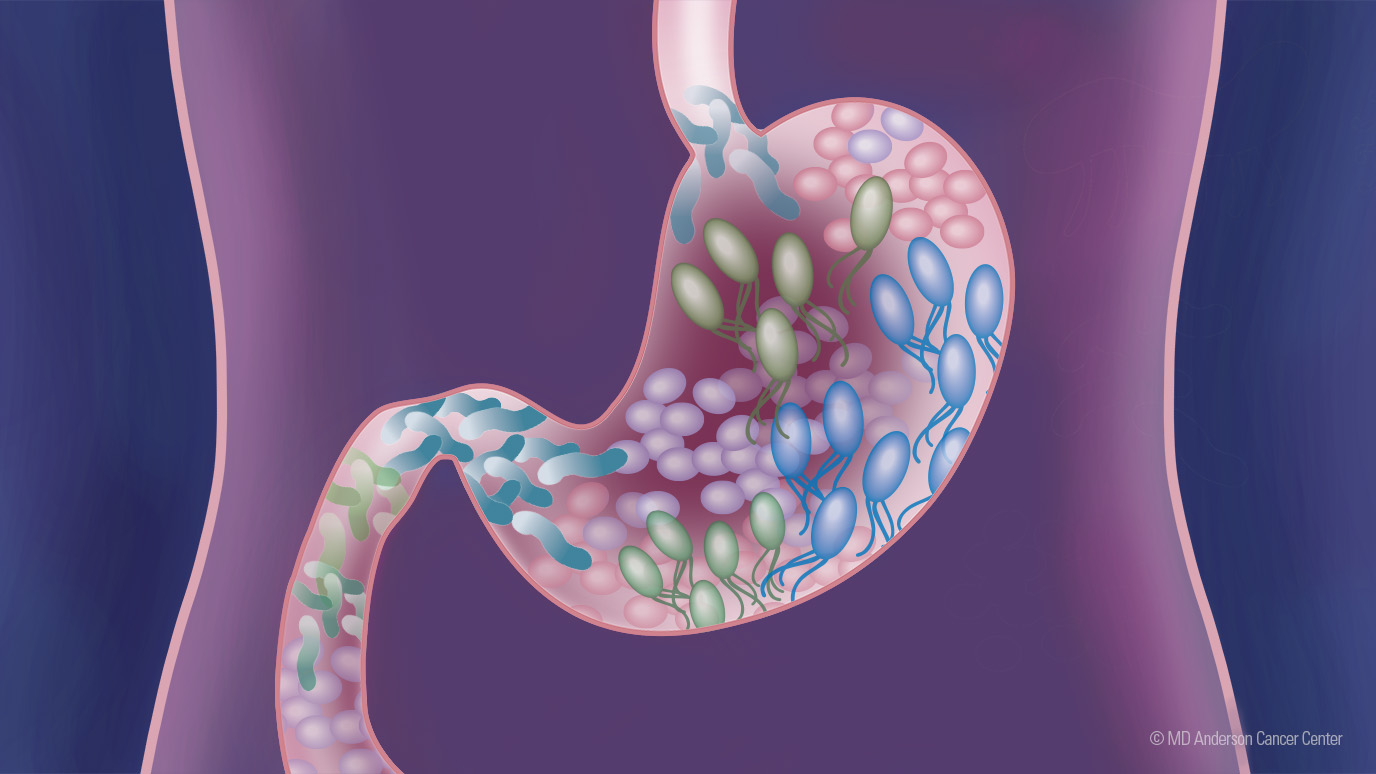
4. What Your Gut Results Say About Digestion
Many people test their microbiome due to digestive symptoms.
Digestive Clues in Results
- Fiber-fermenting bacteria levels
- Gas-producing species abundance
- Indicators of gut motility patterns
What This Means
- Certain imbalances may explain bloating or irregular digestion
- Results suggest areas for dietary adjustment
- They don’t confirm specific digestive conditions
Gut microbiome data offers direction, not diagnosis.
5. The Gut–Immune and Gut–Brain Connection
Modern testing often highlights links beyond digestion.
Immune-Related Indicators
- Microbes involved in inflammation regulation
- Balance between immune-supporting species
Brain and Mood Links
- Some bacteria influence neurotransmitter production
- Gut imbalance may correlate with stress sensitivity
While these insights are promising, Gut Microbiome Testing reflects associations—not cause-and-effect.
6. Diet Recommendations: How Much Should You Trust Them?
Most testing companies include food suggestions.
How These Are Generated
- Based on bacterial patterns
- Linked to known microbial preferences
- Often generalized across populations
How to Use Them Wisely
- Treat them as starting points
- Combine with personal tolerance
- Focus on gradual changes
Diet suggestions are helpful guides—not strict rules.
7. Why One Test Is Not Enough
The microbiome is dynamic.
Factors That Change Results
- Diet changes
- Stress levels
- Sleep patterns
- Illness or antibiotics
Best Practice
- Look at trends over time
- Retest after lifestyle changes
- Avoid overreacting to a single snapshot
Gut Microbiome Testing is most useful as a long-term monitoring tool.
8. Common Misinterpretations to Avoid
Misreading results can cause unnecessary anxiety.
Common Mistakes
- Trying to eliminate specific bacteria
- Overusing probiotics
- Making extreme diet changes
- Assuming results explain all symptoms
A healthy microbiome is flexible, not perfect.
9. Who Benefits Most From Gut Microbiome Testing
Testing is not equally useful for everyone.
Best Fit For
- People interested in preventive health
- Those curious about personalized nutrition
- Individuals tracking long-term lifestyle changes
For others, basic gut-friendly habits may be enough.
Frequently Asked Questions
What is Gut Microbiome Testing?
It analyzes the types and balance of bacteria living in your digestive system.
Can gut microbiome tests diagnose illness?
No. They provide insights, not medical diagnoses.
How accurate are gut microbiome tests?
They are scientifically valid for pattern detection, but interpretation varies.
Should I change my diet based on test results?
Use results as guidance, not strict instructions.
How often should gut microbiome testing be done?
Many people retest every few months if monitoring changes.
Final Thoughts
The gut microbiome is complex, adaptive, and deeply connected to overall health. Gut Microbiome Testing offers a valuable window into this hidden ecosystem—but only when interpreted with context and restraint.
The real value isn’t in chasing perfect bacterial ratios.
It’s in understanding patterns, making informed adjustments, and supporting long-term balance.
In the future of personalized wellness, gut microbiome testing isn’t a magic answer—it’s a conversation starter between your body, your habits, and your health choices.
More Related Topics:
DNA-Based Diet Planning: Is It the Future of Nutrition?
Attention Fragmentation Explained: How Short Videos Are Affecting Brain Health