

AI-Planned Travel vs Human Planning Travel planning is changing fast. What once took hours of research, spreadsheets, and blog hopping can now be done in minutes with AI tools. Flights, hotels, itineraries, and even local food spots are being suggested instantly. At the same time, many travelers still trust human planning—personal research, intuition, and lived experience.
This creates an important question for the future of travel: AI-Planned Travel vs Human Planning—which one actually delivers better trips in 2026?
This article breaks down how both approaches perform, where each excels, and which one is winning based on real travel behavior, not tech hype.
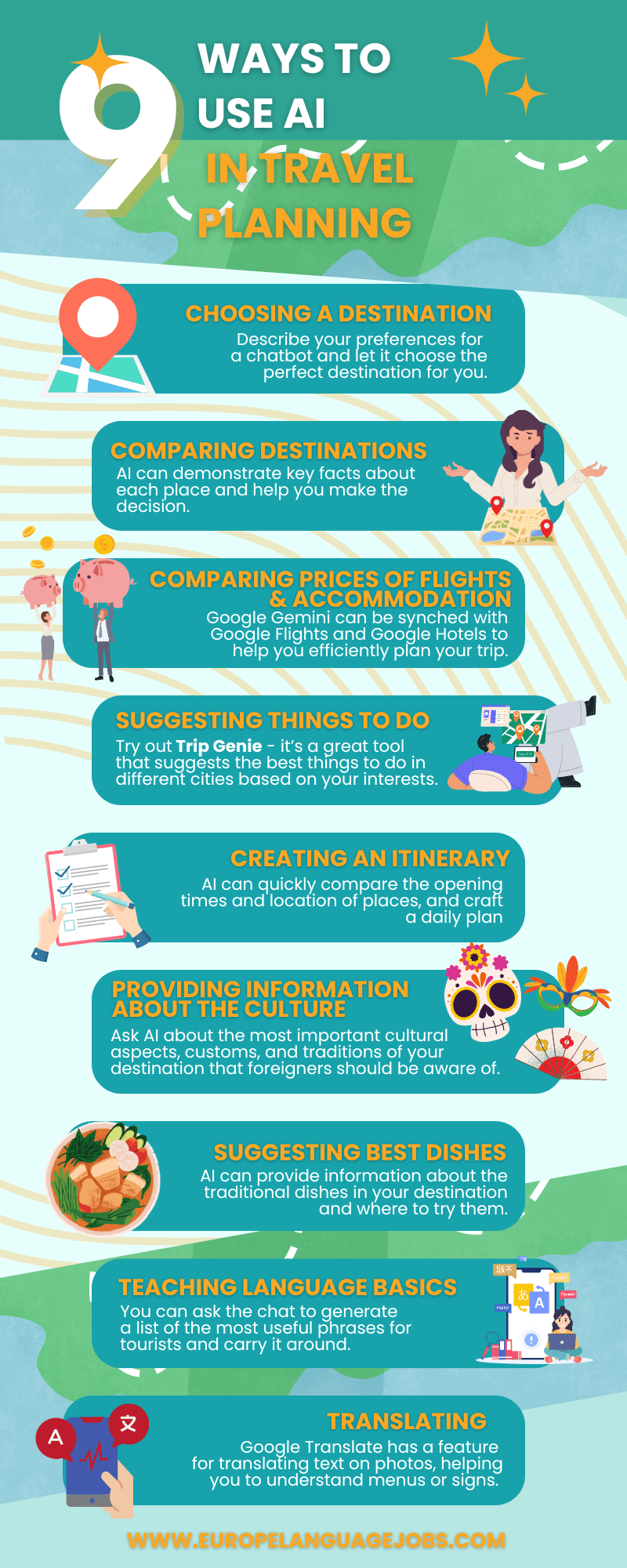
1. Speed and Efficiency: AI Clearly Takes the Lead
When it comes to speed, there is no real competition.
How AI-Planned Travel Performs
- Instantly compares thousands of flights and hotels
- Builds itineraries in minutes
- Optimizes routes, timing, and budgets
Human Planning Limitations
- Requires manual research
- Time-consuming comparisons
- Higher chance of missing better options
In AI-Planned Travel vs Human Planning, AI dominates the efficiency category, especially for busy travelers and short-notice trips.
2. Personalization: Humans Still Have an Edge
Speed doesn’t always equal satisfaction.
Where Human Planning Wins
- Emotional preferences
- Travel style intuition
- Cultural and experiential choices
Humans plan based on feelings, memories, and values—not just data.
AI’s Personalization Gap
- Relies on past data and patterns
- Struggles with nuanced preferences
- Often suggests “popular” rather than “meaningful”
This is one area where AI-Planned Travel vs Human Planning remains competitive rather than one-sided.
3. Cost Optimization: AI Is More Consistent
Budget planning is one of AI’s strongest advantages.
AI Cost Advantages
- Finds hidden deals
- Predicts price drops
- Optimizes dates and routes
Human Cost Challenges
- Emotion-driven decisions
- Limited comparison capacity
- Time constraints
In 2026, travelers focused on saving money increasingly trust AI for financial efficiency in the AI-Planned Travel vs Human Planning debate.
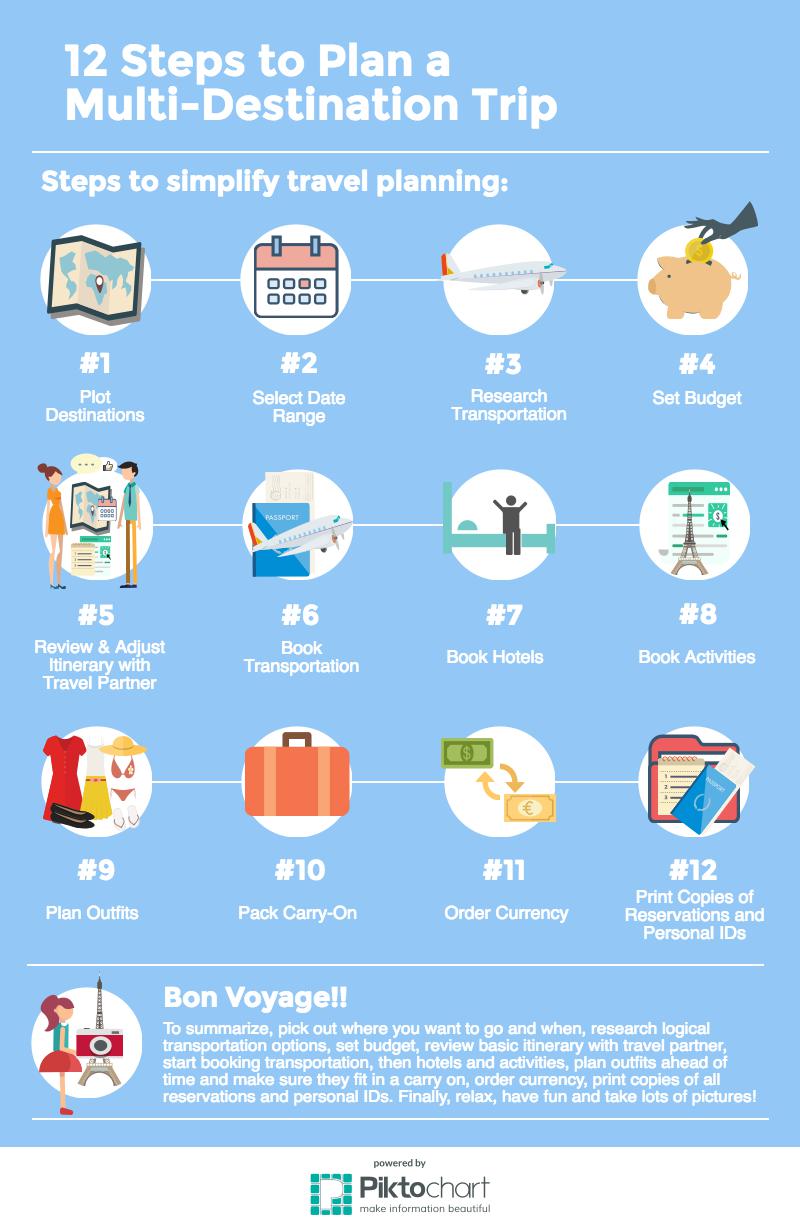
4. Flexibility During the Trip: Humans Adapt Better
Travel rarely goes exactly as planned.
Human Strengths On the Ground
- Adapt quickly to mood changes
- Adjust plans based on local advice
- Respond emotionally to experiences
AI Limitations
- Relies on pre-set logic
- Needs updated inputs
- Less intuitive in chaotic situations
For spontaneous travelers, human judgment still plays a crucial role in AI-Planned Travel vs Human Planning.
5. Discovery of Hidden Experiences
Not all great experiences are data-driven.
Human Discovery Strengths
- Word-of-mouth recommendations
- Local conversations
- Unexpected detours
AI Discovery Limitations
- Bias toward reviewed locations
- Over-represents tourist-friendly spots
- Less exposure to niche local experiences
This makes human planning valuable for travelers seeking authenticity rather than efficiency.
6. Stress Reduction and Mental Load
Planning itself can be stressful.
AI Reduces Cognitive Load
- Fewer decisions to make
- Clear recommendations
- Automated adjustments
Human Planning Stress
- Decision fatigue
- Over-researching
- Fear of missing out
In 2026, stress-conscious travelers increasingly lean toward AI in the AI-Planned Travel vs Human Planning equation.
7. The Real Winner in 2026: Hybrid Planning
The trend isn’t AI or humans—it’s collaboration.
How Hybrid Planning Works
- AI handles logistics and optimization
- Humans refine experiences and priorities
- Decisions balance efficiency and emotion
Why Hybrid Wins
- Best of both worlds
- Less planning stress
- More meaningful trips
In reality, AI-Planned Travel vs Human Planning is evolving into AI assisted human planning rather than a replacement.
Frequently Asked Questions
Is AI travel planning reliable in 2026?
Yes. AI tools are highly reliable for logistics, pricing, and time optimization.
Does AI remove the joy of planning?
Not necessarily. It removes repetitive tasks while leaving creative choices to humans.
Can AI fully replace human travel planning?
Not completely. Emotional preferences and real-time adaptability still favor humans.
Is AI planning better for budget travelers?
Yes. Cost optimization is one of AI’s strongest advantages.
What’s the best approach for most travelers?
A hybrid model combining AI efficiency with human intuition.
Final Thoughts
Travel in 2026 isn’t about choosing sides. It’s about using the right tool for the right task.
AI-Planned Travel vs Human Planning shows that AI excels at speed, cost, and structure, while humans excel at meaning, flexibility, and emotional connection. The smartest travelers aren’t replacing themselves with AI—they’re partnering with it.
Less stress. Better planning. More memorable trips.
Also read this:
Top 7 Places Travelers Are Choosing Instead of Famous Cities
Top Travel Routes With Budget Airlines and Low Fares That Travelers Love
Best 5 Destinations for Cheap Yet Beautiful Vacations That Feel Expensive