
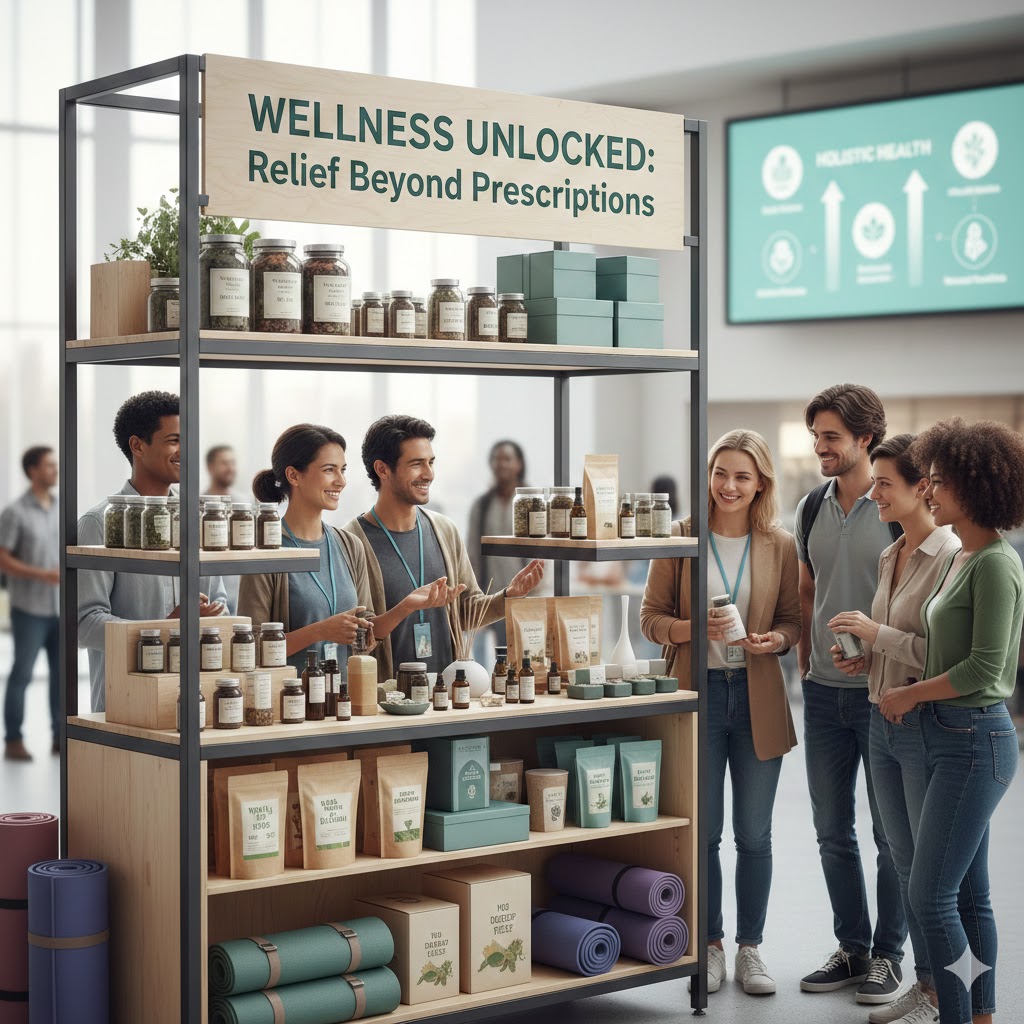
A quiet but powerful shift is happening in global health. Millions of people are actively seeking relief from stress, pain, sleep issues, and everyday discomfort—without immediately turning to prescriptions. They aren’t rejecting medicine; they’re redefining when and how it’s used.
This shift has given rise to the Non-Pharma Wellness Market—a fast-growing ecosystem of products, tools, and practices designed to support relief, balance, and quality of life without pharmaceutical intervention.
From sleep aids and stress tools to gut health solutions and pain-management alternatives, this market is reshaping how wellness is sold, trusted, and adopted.
This article explains why the non-pharma wellness market is booming, what’s driving consumer demand, and how brands and creators are successfully selling relief without prescriptions.
1. Why Consumers Are Looking Beyond Prescriptions
People aren’t anti-medicine—they’re pro-choice.
1.1 Concerns About Long-Term Dependence
- Fear of tolerance and dependency
- Desire for sustainable, lifestyle-based solutions
- Preference for first-line, low-risk options
1.2 The “Step Before the Doctor” Gap
- Symptoms that aren’t severe enough for prescriptions
- Long wait times for appointments
- Rising healthcare costs
The Non-Pharma Wellness Market fills the space between doing nothing and medical intervention.
2. What “Non-Pharma” Really Means
This market is often misunderstood.
2.1 What Non-Pharma Is
- Lifestyle-based relief tools
- Supplements and natural compounds
- Behavioral and habit-focused solutions
- Stress and nervous system regulation
2.2 What It Is Not
- A replacement for medical care
- A cure-all
- A rejection of science
Successful brands are clear: non-pharma wellness supports, it doesn’t diagnose or treat disease.
3. Stress & Anxiety Relief Leads the Market
Stress is the gateway problem.


3.1 Why Stress Products Convert
- Universal problem
- Immediate perceived benefit
- Easy to explain and demonstrate
3.2 Popular Non-Pharma Solutions
- Breathwork tools
- Adaptogenic supplements
- Relaxation routines and sleep aids
Stress relief is often the entry point into the Non-Pharma Wellness Market.
4. Sleep Optimization Without Prescription Drugs
Sleep issues drive massive demand.
4.1 Why People Avoid Sleep Medications
- Next-day grogginess
- Dependency concerns
- Disrupted sleep architecture
4.2 Non-Pharma Sleep Solutions
- Magnesium-based supplements
- Circadian rhythm tools
- Light exposure and wind-down routines
Consumers increasingly choose sleep support that works with the body, not against it.
5. Pain, Inflammation & Physical Discomfort
Relief doesn’t always require pills.
5.1 Common Non-Pharma Approaches
- Topical relief products
- Movement and mobility tools
- Heat, cold, and recovery protocols
5.2 Why This Category Is Growing
- Aging populations
- Desk-job lifestyles
- Fitness and recovery culture
These solutions are framed as comfort and support, not medical treatment—key for compliance.
6. Gut Health & Digestive Comfort
Digestive discomfort is personal—and persistent.
6.1 Why Gut Wellness Fits Non-Pharma
- Strong lifestyle connection
- Food, stress, and sleep interactions
- Long-term habit improvements
6.2 Popular Gut-Focused Products
- Probiotics and prebiotics
- Digestive enzymes
- Diet-aligned wellness plans
Gut health is one of the fastest-expanding segments within the Non-Pharma Wellness Market.
7. Why Consumers Trust Non-Pharma Brands
Trust has shifted from authority to transparency.
7.1 What Builds Trust Today
- Clear ingredient sourcing
- Honest limitations
- Education-first content
7.2 What Consumers Reject
- Miracle claims
- Fear-based marketing
- Medical language without credentials
Brands that respect intelligence outperform those that exaggerate benefits.
8. How the Non-Pharma Wellness Market Is Monetized
This market supports multiple revenue models.

8.1 Popular Monetization Paths
- Direct-to-consumer products
- Subscriptions (monthly wellness support)
- Bundled routines and programs
8.2 Why Recurring Revenue Works
- Wellness is ongoing
- Results improve with consistency
- Habit formation encourages retention
This makes the Non-Pharma Wellness Market attractive for long-term brands and affiliates.
9. Legal & Ethical Boundaries That Matter
Sustainability requires responsibility.
9.1 What Ethical Brands Avoid
- Disease claims
- Prescription comparisons
- Guaranteed outcomes
9.2 Best Practices
- Educational positioning
- Clear disclaimers
- Encouraging professional care when needed
Staying within these lines builds credibility—and longevity.
10. Why This Market Will Keep Growing
The shift is structural, not seasonal.
10.1 Cultural Changes
- Preventive health mindset
- Desire for autonomy
- Lifestyle-driven wellness
10.2 Economic Reality
- Rising healthcare costs
- Limited access to professionals
- Demand for affordable relief options
The Non-Pharma Wellness Market isn’t replacing medicine—it’s becoming the first choice for everyday relief.
FAQs: Non-Pharma Wellness Market
Is non-pharma wellness safe?
Most products are designed for general wellness support, but users should always follow guidelines and consult professionals when needed.
Does non-pharma wellness replace medication?
No. It supports lifestyle health and comfort but does not replace medical treatment.
Why do people prefer non-pharma options?
They offer lower perceived risk, lifestyle alignment, and long-term sustainability.
Is this market still growing?
Yes. Demand continues to expand across stress, sleep, digestion, and recovery.
Can non-pharma wellness be used daily?
Many solutions are designed for regular, long-term use.
Final Thoughts
People don’t want more pills—they want more control. The Non-Pharma Wellness Market thrives because it respects autonomy, prioritizes prevention, and focuses on relief that fits into real life.
Selling relief without prescriptions isn’t about rejecting medicine. It’s about meeting people before they need it.
And that’s why this market isn’t just growing—it’s redefining modern wellness.
Also read this:
Personalized Wellness Market: Why Generic Health Advice Is Dying
AI Health Monetization: How Creators Sell Personalized Wellness Without Doctors