
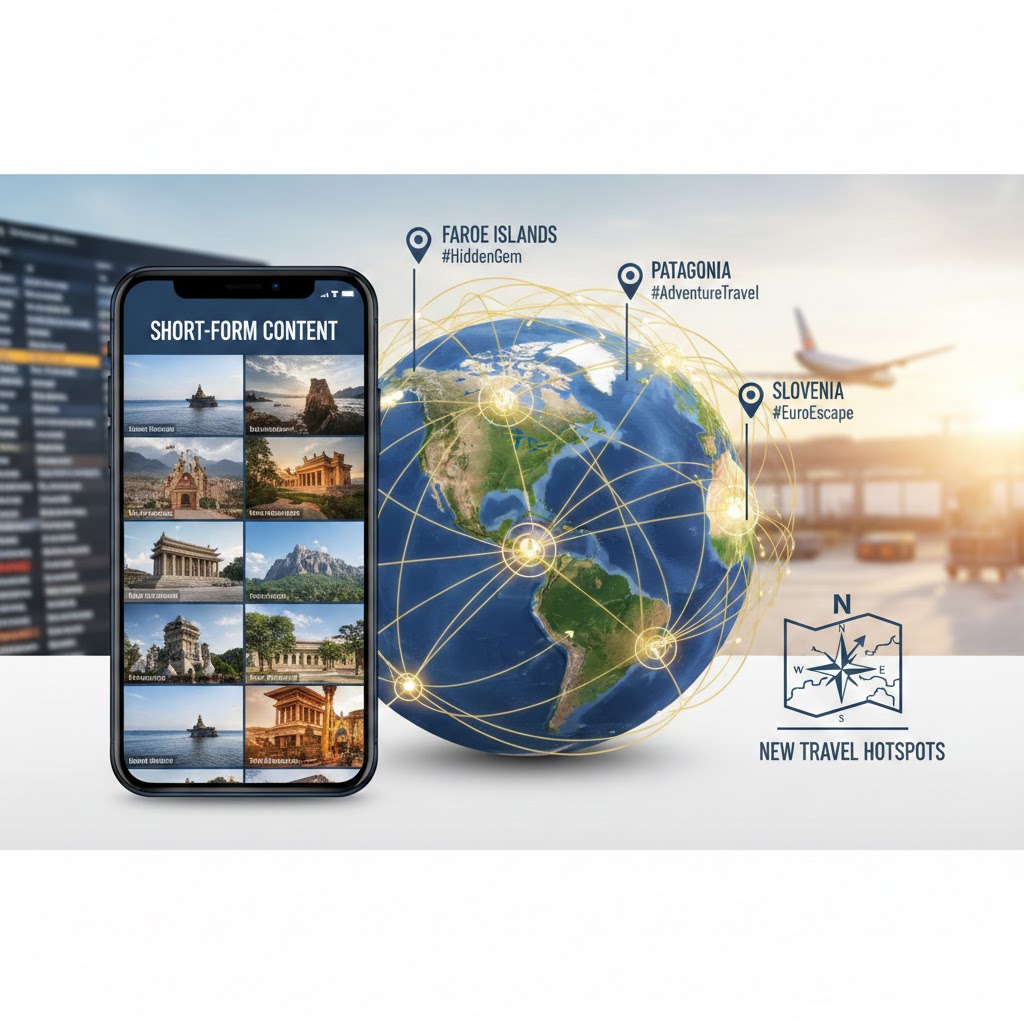
Short-Form Content Is Creating New Travel Travel trends no longer begin with guidebooks or tourism boards. Today, destinations rise to fame because someone posted a 15-second video that went viral. This shift has transformed how people discover places—and it’s why Short-Form Content Is Creating New Travel hotspots faster than ever before.
Platforms built on short videos have changed the rules of travel inspiration. Hidden cafés, quiet villages, remote beaches, and overlooked towns are suddenly packed with visitors simply because they appeared on a screen for a few seconds. In this blog, we’ll explore how and why Short-Form Content Is Creating New Travel destinations, and what this means for travelers, creators, and local economies.
1. How Travel Discovery Has Changed
In the past, people chose destinations based on movies, travel blogs, or word of mouth. That process was slow and often limited to well-known places.
Today, travel discovery is instant. A short video can show scenery, food, vibe, and emotion all at once. Viewers don’t need research—they feel the destination.
This emotional immediacy explains why Short-Form Content Is Creating New Travel interest far beyond traditional marketing.
2. Why Short Videos Influence Travel Decisions So Strongly
Short-form content works because it compresses desire into seconds.
A single clip can show:
- A breathtaking view
- A unique local experience
- A hidden spot with no crowds
Viewers aren’t just informed—they’re convinced. This emotional pull is far stronger than long articles or brochures.
3. From Obscure to Overbooked Overnight
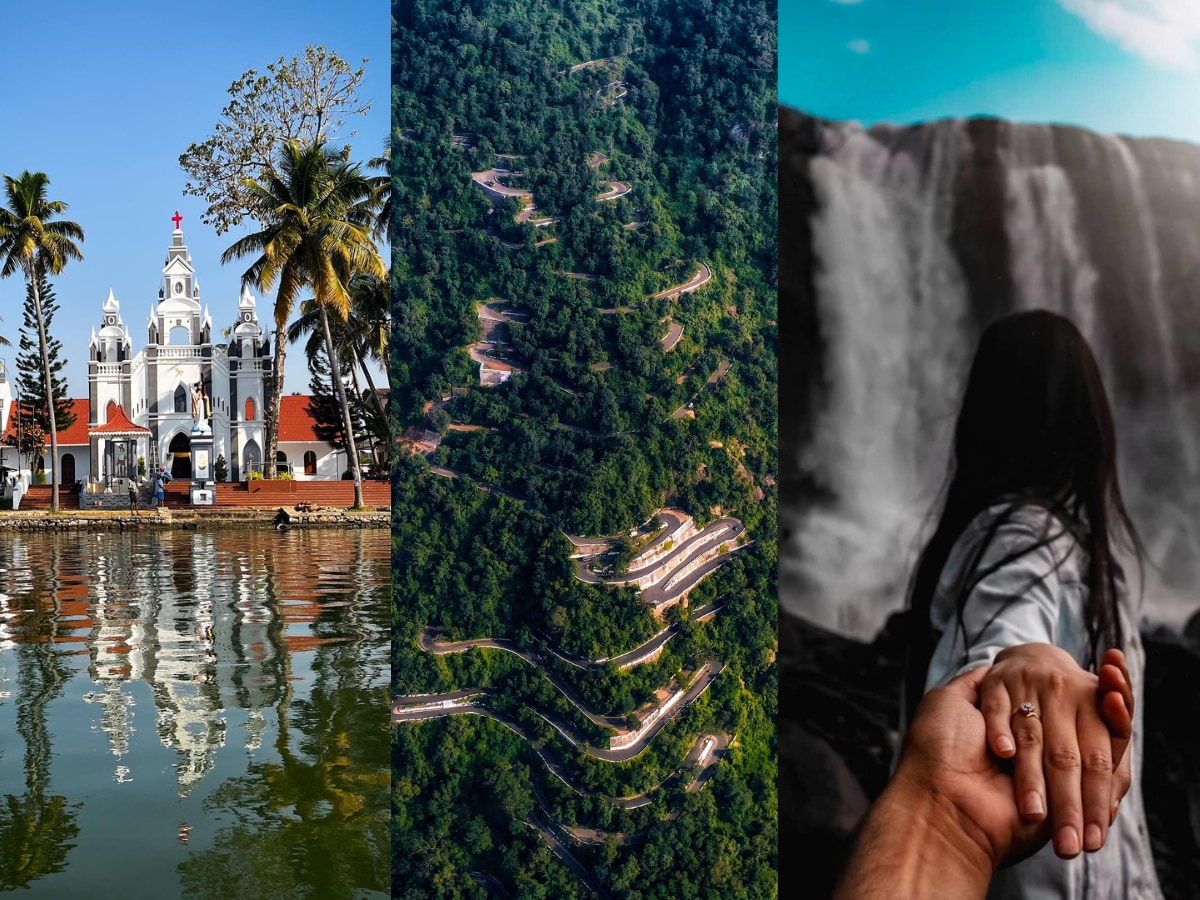
Many destinations that were once unknown now experience sudden tourism booms.
Small towns, rural cafés, quiet beaches, and even abandoned locations gain popularity after going viral. Unlike traditional tourism growth, this happens rapidly—sometimes within weeks.
This speed is a key reason Short-Form Content Is Creating New Travel hotspots faster than cities can prepare for.
4. Creators Are the New Travel Tastemakers
Tourism boards used to control destination narratives. Now, individual creators shape travel demand.
A creator with the right audience can send thousands of visitors to a location without paid promotion. Their authenticity often feels more trustworthy than official campaigns.
As a result, travel creators now hold influence once reserved for major media outlets.
5. The Algorithm Effect on Travel Trends
Short-form platforms reward novelty and visual appeal.
This means places that look unique on camera—foggy mountains, colorful streets, dramatic cliffs—get more exposure, even if they lack infrastructure.
The algorithm doesn’t consider sustainability or capacity. It amplifies what looks good, which further accelerates why Short-Form Content Is Creating New Travel destinations unexpectedly.

6. Economic Impact on Local Communities
Viral travel exposure can be a double-edged sword.
On one hand, local businesses see increased income, new jobs, and global attention. On the other hand, sudden tourism can raise prices, strain resources, and disrupt daily life.
Communities that adapt quickly benefit the most, while others struggle with unplanned growth.
7. Why Traditional Travel Guides Are Losing Influence
Long-form travel guides still matter, but they are no longer the first touchpoint.
Travelers now discover places through short videos first, then search for details later. This reversal explains why visual-first platforms are driving destination popularity.
It’s another reason Short-Form Content Is Creating New Travel demand independently of traditional media.
8. How This Trend Changes Travel Behavior
Modern travelers chase moments, not landmarks.
Instead of famous monuments, people seek:
- The café from a viral clip
- The viewpoint from a trending video
- The street everyone saved
Travel becomes experience-driven rather than checklist-driven.
9. The Risk of Overexposure
Not every destination is meant for mass tourism.
When short-form content pushes fragile or small locations into the spotlight, overcrowding becomes a real issue. Environmental damage and cultural disruption often follow.
This raises important questions about responsibility—for both creators and platforms.
10. Final Thoughts: Is This the New Normal for Travel?
There’s no going back. Short videos have permanently reshaped how people choose where to travel.
As platforms continue to prioritize visual storytelling, Short-Form Content Is Creating New Travel hotspots will remain a defining force in tourism. The challenge ahead is balancing discovery with sustainability.
For travelers, this means moving faster than guidebooks. For destinations, it means preparing for attention they never planned for.
FAQs
Why is short-form content so powerful in travel marketing?
Because it delivers emotion, visuals, and atmosphere instantly, influencing decisions faster than traditional media.
Can a single viral video really create a travel hotspot?
Yes, many destinations experience sudden tourism growth after just one widely shared video.
Is this trend good or bad for travel destinations?
It can boost local economies but may also cause overcrowding if not managed properly.
Are traditional travel blogs becoming irrelevant?
No, but they are now secondary to short-form content in the discovery process.
Will this trend continue in the future?
Yes, as visual platforms grow, short-form content will remain a major driver of travel trends.
Also read this:
14 Airport & Travel Rules That Save You Serious Money
Soori Bali | Stunning 5-Star Luxury Resort
Chase Sapphire Preferred Travel Card Review: Benefits, Fees, and Real Value