
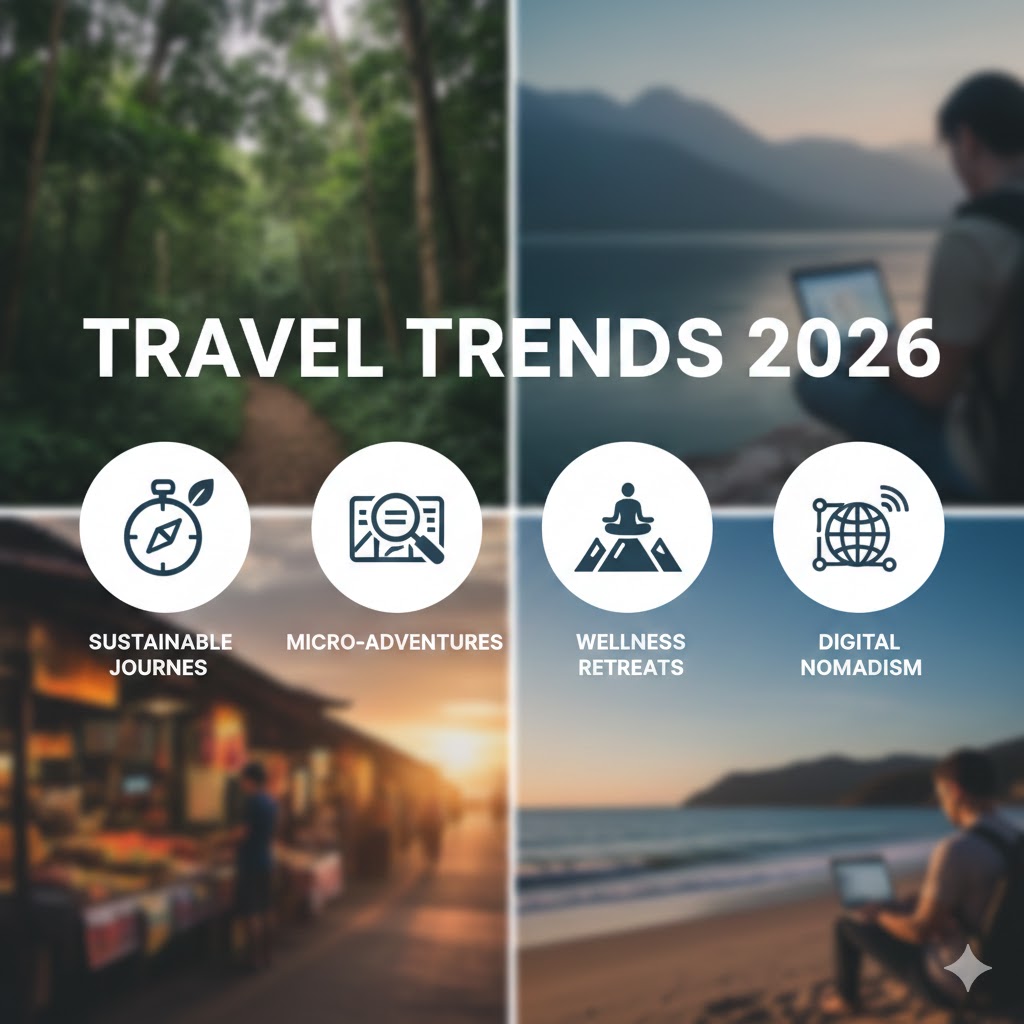
Travel Trends Shaping Travel in 2026 looks very different from what it was just a few years ago. Travelers are no longer chasing destinations blindly or following crowded itineraries. Instead, they are becoming more intentional, experience-driven, tech-aware, and sustainability-focused. The way people plan, book, and experience travel is evolving at a rapid pace.
These changes are not temporary shifts—they are long-term Travel Trends Shaping how people explore the world in 2026 and beyond. From slow travel and digital nomad lifestyles to AI-powered planning and conscious tourism, travel is becoming more personal, flexible, and meaningful.
This blog explores the most important travel trends shaping 2026, why they matter, and how they are redefining the future of global travel.
Why Travel Is Evolving Faster Than Ever
Several forces are driving change in the travel industry:
- Remote work flexibility
- Rising travel costs
- Climate awareness
- Digital innovation
- Changing traveler priorities
Travelers today value depth over distance and experiences over checklists. These evolving preferences are the foundation of the Travel Trends Shaping exploration in 2026.
Experience-First Travel Becomes the New Standard
Travelers are moving away from ticking off famous landmarks and toward immersive experiences.
Instead of asking “Where should I go?”, people now ask:
- What will I experience there?
- How will it make me feel?
- Will it change my perspective?
Experiences such as cooking with locals, cultural workshops, wellness retreats, and nature-based stays are becoming more important than luxury hotels or sightseeing marathons.
This shift is one of the strongest travel trends shaping modern exploration.
Slow Travel Gains Strong Momentum

Slow travel focuses on spending more time in fewer places instead of rushing through multiple destinations.
Key characteristics of slow travel include:
- Longer stays
- Deeper cultural immersion
- Reduced transportation
- Lower travel stress
In 2026, travelers prefer renting apartments for weeks or months, learning local routines, and building meaningful connections. This approach also reduces burnout and makes travel more sustainable.
Sustainable and Responsible Travel Takes Center Stage
Sustainability is no longer optional—it’s expected.
Travelers are increasingly choosing:
- Eco-friendly accommodations
- Low-impact transportation
- Ethical wildlife experiences
- Local-owned businesses
Environmental awareness is one of the most influential Travel Trends Shaping how people plan trips in 2026. Travelers want to reduce their footprint while still enjoying meaningful experiences.
Digital Nomadism Becomes Mainstream

Remote work has permanently changed travel behavior.
In 2026:
- More countries offer digital nomad visas
- Long-term stays are more common
- Travelers blend work with exploration
People are no longer choosing between career and travel—they are combining both. Cafes, co-living spaces, and remote-friendly accommodations are now essential parts of travel infrastructure.
This lifestyle shift is a major force behind travel trends shaping the future.
AI-Powered Travel Planning Goes Mainstream
Artificial intelligence is transforming how people plan travel.
AI tools now help with:
- Personalized itinerary creation
- Budget optimization
- Real-time travel updates
- Smart accommodation recommendations
Travel planning in 2026 is faster, more customized, and less stressful. Travelers expect tailored suggestions based on interests, travel style, and budget rather than generic recommendations.
Offbeat and Underrated Destinations Rise
Overtourism has pushed travelers to look beyond famous hotspots.
In 2026, travelers prefer:
- Lesser-known towns
- Rural experiences
- Emerging travel destinations
- Quiet nature-based locations
This trend benefits local communities and gives travelers more authentic experiences. Avoiding crowds has become a priority, making this one of the most visible Travel Trends Shaping exploration habits.
Wellness Travel Expands Beyond Luxury
Wellness travel is no longer limited to high-end retreats.
Travelers now seek:
- Mental health breaks
- Yoga and meditation stays
- Nature therapy
- Digital detox trips
In 2026, wellness travel focuses on balance rather than indulgence. Affordable wellness stays and holistic experiences are becoming accessible to more people.
Travel Becomes More Budget-Conscious but Value-Driven
Rising costs have changed how people spend on travel.
Travelers are:
- Choosing fewer but longer trips
- Prioritizing value over luxury
- Mixing budget and premium experiences
Rather than spending on expensive hotels, travelers invest in meaningful activities. This mindset shift is a key part of the travel trends shaping 2026.
Multi-Generational and Group Travel Increases
Families and friend groups are traveling together more often.
Reasons include:
- Flexible work schedules
- Desire for shared experiences
- Cost-sharing benefits
Travel planners now design trips that accommodate different age groups, interests, and comfort levels.
Local Experiences and Community-Based Tourism Grow
Travelers want to feel connected to the places they visit.
Popular experiences include:
- Homestays
- Local food tours
- Cultural storytelling
- Artisan workshops
Supporting local economies is now a conscious travel choice. This strengthens communities and enriches the travel experience.
Technology Enhances, Not Replaces, Human Connection
While technology plays a big role, travelers still value authenticity.
In 2026:
- Digital tools simplify logistics
- Human experiences remain central
- Social connection matters more than social media
Technology supports travel, but it no longer defines it.
Flexible Travel Planning Becomes the Norm
Travelers expect flexibility.
Key expectations include:
- Easy cancellations
- Flexible booking policies
- Adaptable itineraries
Uncertainty has made flexibility essential, shaping how people book and experience travel.
Climate-Conscious Travel Choices Increase
Climate awareness influences travel decisions.
Travelers consider:
- Train travel over flights
- Carbon-offset options
- Fewer long-haul trips
These choices reflect deeper responsibility and awareness—another strong example of Travel Trends Shaping future travel behavior.
Solo Travel Continues to Rise
Solo travel is no longer niche.
In 2026, people travel solo for:
- Self-discovery
- Flexibility
- Personal growth
- Mental clarity
Solo travelers prioritize safety, community interaction, and meaningful experiences over nightlife or luxury.
Content Creation Influences Travel Decisions Less Than Before
Travelers are becoming more skeptical of overly curated content.
Instead of viral destinations, people trust:
- Honest reviews
- First-hand experiences
- Community recommendations
Authenticity matters more than aesthetics.
The Role of Travel in Personal Identity
Travel is increasingly tied to lifestyle and values.
People travel to:
- Learn
- Heal
- Reset
- Connect
This emotional connection explains why Travel Trends Shaping 2026 focus more on meaning than movement.
What These Travel Trends Mean for the Future
Travel in 2026 is:
- Slower
- Smarter
- More conscious
- More personal
The industry is adapting to travelers who value purpose, flexibility, and authenticity.
Final Thoughts
The way people explore the world is changing permanently. Travel Trends Shaping 2026 reflect a deeper shift in priorities—from rushing to reflecting, from consuming to connecting, and from escaping life to enhancing it.
Travel is no longer about how far you go, but how deeply you experience. Those who adapt to these trends will not only travel better—but live better.
Frequently Asked Questions
What are the most important Travel Trends Shaping 2026?
Slow travel, sustainability, digital nomadism, AI-powered planning, wellness travel, and budget-conscious exploration are among the top trends.
Is travel becoming more expensive in 2026?
Costs are rising, but travelers are adapting by prioritizing value, longer stays, and fewer trips.
Are people traveling less or differently?
People are traveling differently—fewer destinations, deeper experiences, and more intentional planning.
How is technology changing travel in 2026?
AI and digital tools personalize planning, improve efficiency, and reduce travel stress.
Is sustainable travel really influencing decisions?
Yes, sustainability now plays a major role in destination choice, accommodation, and activities.
Will traditional tourism still exist?
Yes, but it is evolving to meet the demand for authenticity, flexibility, and responsibility.
Also read this:
Things Travelers Should Know Before Going Abroad
Best Scenic Destinations for Couples Who Love Nature
Best Honeymoon-Style Destinations Without High Costs: Romance That Doesn’t Break the Bank