
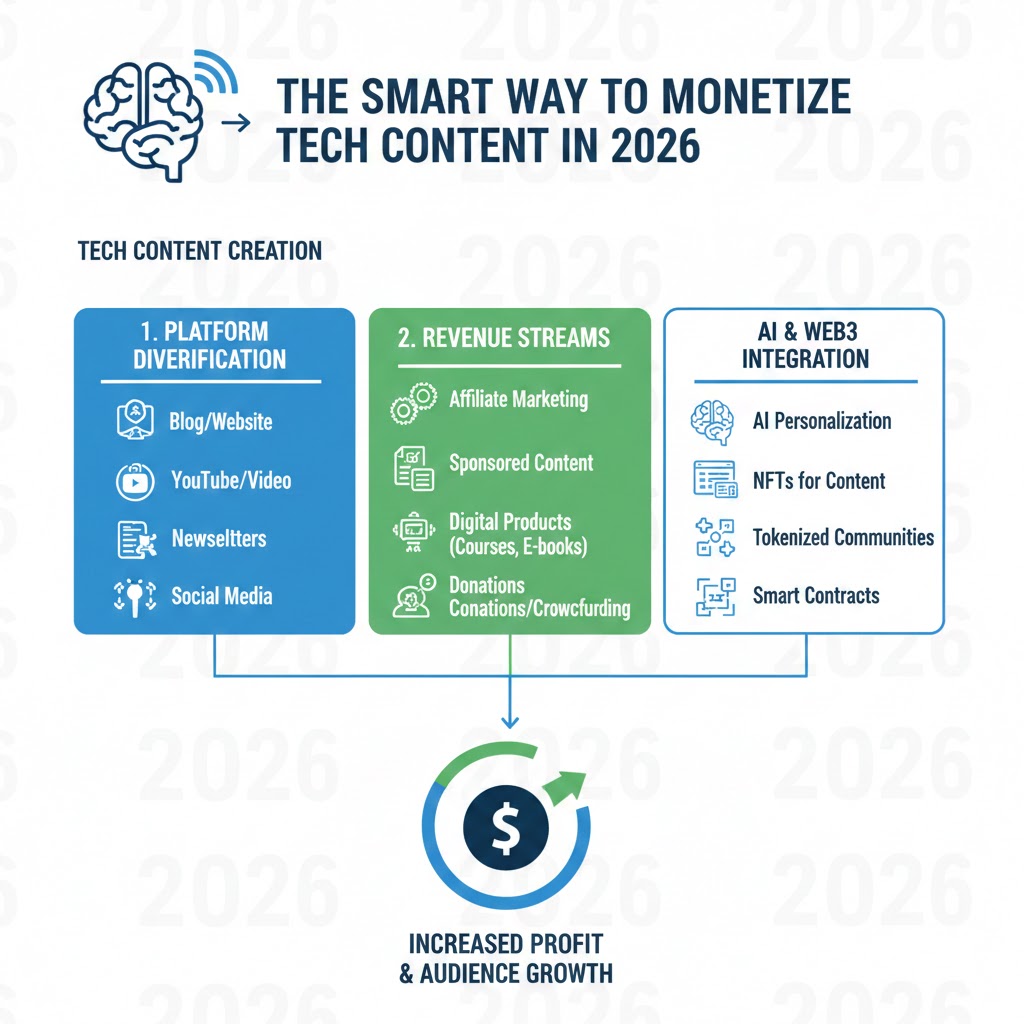
The landscape of technology content creation has matured dramatically, transforming from a hobbyist pursuit into a legitimate business opportunity for those who approach it strategically. As we navigate through 2026, the pathways to sustainable income from tech content have become both more diverse and more sophisticated, requiring creators to think beyond simple ad revenue and embrace multi-faceted monetization strategies.
Understanding the Smart Way to Monetize Tech Content means recognizing that successful creators no longer rely on single income streams. The most financially sustainable tech content businesses combine multiple revenue sources that complement each other while serving different audience segments. This diversified approach provides stability during platform algorithm changes, economic downturns, and shifts in sponsor priorities.
The democratization of content creation tools and distribution platforms has lowered barriers to entry, but this accessibility has also intensified competition. Standing out in a crowded marketplace requires not just quality content but strategic thinking about how to capture and convert audience attention into revenue. The creators thriving in 2026 are those who treat their content channels as actual businesses rather than creative side projects.
This comprehensive guide explores the most effective monetization strategies for tech content in 2026, examining both established approaches and emerging opportunities. Whether you’re launching a new tech channel, looking to increase revenue from existing content, or seeking to diversify your income sources, these insights will help you build a more profitable and resilient content business.
1. Platform-Native Monetization Strategies
Every major content platform now offers built-in monetization features designed to reward creators who build engaged audiences. Understanding and optimizing these native revenue streams provides the foundation for most successful tech content businesses.
YouTube Ad Revenue and Premium Features
YouTube remains the dominant platform for long-form tech content, and its Partner Program continues providing substantial revenue for creators who build significant viewership. Ad revenue scales with watch time rather than just view counts, rewarding creators who produce engaging content that keeps viewers watching.
The CPM rates for tech content typically exceed most other content categories because technology advertisers pay premium rates to reach tech-interested audiences. Educational tech content, product reviews, and tutorials attract particularly high-value advertising, making these content types financially attractive beyond their inherent audience appeal.
YouTube Premium revenue provides an additional income layer as subscribers who pay for ad-free viewing generate revenue for creators based on their watch time. This revenue source has grown substantially as more viewers opt for premium subscriptions, creating meaningful supplementary income for tech creators with substantial audiences.
Channel memberships allow dedicated fans to support creators through monthly subscriptions in exchange for exclusive perks like custom badges, early video access, or members-only content. This feature works particularly well for tech creators whose audiences value insider access and deeper content beyond what public videos provide.
Podcast Sponsorships and Platform Programs
Podcasting has emerged as a lucrative medium for tech content, with sponsorship rates that often exceed YouTube advertising revenue on a per-viewer basis. Tech podcast audiences tend to be highly engaged professionals with purchasing power, making them attractive targets for premium advertisers.
Dynamic ad insertion technology allows podcast creators to monetize their back catalogs by inserting current sponsorship messages into older episodes. This capability means evergreen tech content continues generating revenue long after initial publication, creating compound returns on content production investments.
Platforms like Spotify now offer creator programs that provide minimum guarantees and bonuses to exclusive podcast creators. These platform incentives can provide revenue stability while creators build sponsorship relationships and develop additional monetization layers.
Newsletter Platforms and Subscription Revenue
Substack, beehiiv, and similar newsletter platforms enable tech writers to build direct subscriber relationships and recurring revenue through paid subscriptions. The intimate nature of email creates stronger connection than social media platforms, translating into higher conversion rates for premium subscriptions.
The Smart Way to Monetize Tech Content through newsletters involves offering genuine value that justifies subscription costs. Exclusive analysis, early access to research, detailed technical tutorials, or insider industry perspectives create compelling reasons for readers to become paying subscribers beyond simply supporting creators they like.
Free tier newsletters serve dual purposes: attracting potential subscribers while generating revenue through occasional sponsorships. Brands pay premium rates to reach newsletter audiences because email open rates and engagement exceed social media platforms, and readers specifically opted in to receive content.
Social Media Platform Revenue Sharing
TikTok, Instagram, Twitter, and other social platforms have introduced creator funds and revenue sharing programs that reward viral content and engaged followings. While individual payment rates remain modest, these programs provide incremental income that aggregates meaningfully across multiple platforms.
Short-form video content on platforms like TikTok and Instagram Reels can drive traffic to longer-form content on YouTube or newsletters where more substantial monetization occurs. This multi-platform approach treats social media as top-of-funnel discovery mechanisms that feed more profitable content destinations.
Platform algorithm changes can dramatically impact reach and revenue from native programs, making them unreliable as sole income sources. However, as components of diversified strategies, these programs contribute meaningfully to overall creator economics.
2. Direct Audience Monetization Methods
Building direct financial relationships with audiences creates the most sustainable and predictable revenue streams while reducing dependence on platform policies and algorithm changes.
Patreon and Membership Communities
Patreon pioneered the creator membership model and remains the dominant platform for tech creators seeking recurring supporter revenue. Monthly contributions from dedicated community members provide financial stability that allows creators to invest in better equipment, research time, and content quality improvements.
The tiered membership structure lets creators offer different value levels at various price points, maximizing revenue by serving both casual supporters willing to contribute small amounts and superfans eager to pay premium rates for exclusive access and benefits.
Successful Patreon campaigns provide genuine value beyond simply supporting creators. Exclusive content, early access, behind-the-scenes material, direct interaction opportunities, and input into content direction all create compelling reasons for audience members to become paying supporters.
Direct Subscriptions and Exclusive Content
Creating owned subscription platforms through tools like MemberStack, Memberful, or custom WordPress implementations gives creators complete control over the subscriber relationship and eliminates platform commission fees. This approach requires more technical implementation but maximizes revenue retention.
Exclusive content for subscribers might include in-depth tutorials, source code repositories, detailed benchmark data, extended interviews, or advanced technical analysis that goes beyond what free content provides. The key lies in creating clear differentiation that makes subscription value obvious to potential members.
The subscription model aligns creator incentives with audience satisfaction because revenue depends on retaining subscribers rather than simply attracting one-time attention. This dynamic encourages consistent quality and responsiveness to member feedback that builds stronger communities.
Digital Product Sales
Ebooks, courses, templates, checklists, and other digital products allow tech creators to package their expertise into purchasable assets that generate revenue without ongoing time investment per sale. Once created, digital products can sell indefinitely with minimal marginal costs.
Technical guides addressing specific audience pain points—setting up home servers, mastering particular software tools, understanding complex technologies—command prices from twenty to several hundred dollars depending on depth and specificity. The more narrowly focused and practically applicable the content, the higher the justifiable price point.
Product launches create excitement and revenue spikes that complement recurring subscription income. Many successful tech creators follow rhythms where they release new products quarterly or semi-annually, creating predictable revenue events that support business planning and investment.
Consulting and Coaching Services
Smart Way to Monetize Tech Content often involves leveraging content-established expertise into high-value service offerings. One-on-one consulting, small group coaching, or technical advisory services can command hourly rates from hundreds to thousands of dollars depending on expertise area and client type.
Content serves as continuous marketing for consulting services, demonstrating expertise while attracting potential clients. A detailed video explaining database optimization naturally attracts businesses struggling with database performance who might hire the creator for hands-on assistance.
Limiting consulting availability preserves time for content creation while positioning services as exclusive and premium. The scarcity created by limited slots paradoxically increases perceived value and justifies higher rates than unlimited availability would support.
3. Strategic Sponsorship and Brand Partnerships
Working with brands provides substantial revenue potential for tech creators who approach sponsorships strategically rather than simply accepting any available deal.
Selecting Aligned Brand Partners
The most successful sponsorships involve products or services that creators genuinely use and would recommend regardless of payment. This authenticity translates into more enthusiastic endorsements that audiences trust and respond to more positively than obviously transactional promotions.
Long-term relationships with fewer brands generate better results than constantly rotating sponsors. Sustained partnerships allow audiences to become familiar with sponsored products through repeated exposure while demonstrating creator confidence in the offerings they promote.
Premium brands pay significantly higher rates than direct-to-consumer startups or smaller companies, but they also maintain stricter standards and longer approval processes. Balancing premium partnerships with more accessible sponsors creates revenue stability while building track records that attract increasingly prestigious brands.
Negotiating Favorable Terms
Understanding market rates for sponsorships in your audience size and niche prevents creators from accepting lowball offers. Resources like sponsorship rate calculators, creator communities sharing rate information, and marketing agencies provide benchmarks for reasonable compensation.
Negotiating for creative freedom ensures that sponsored content maintains the authentic voice that makes it effective. Brands that trust creators to present products in their own styles typically see better results than those demanding script approval and heavy-handed messaging control.
Structured payment terms protect creators from payment delays or defaults. Requiring deposits before content creation begins, milestone payments for longer projects, and clear payment timelines in contracts prevent the financial stress of completed work without compensation.
Creating Compelling Sponsored Content
The best sponsored content provides genuine value to audiences beyond simply promoting products. Tutorials showing how to accomplish specific tasks using sponsored tools, comparisons that honestly position products against alternatives, or case studies demonstrating real implementations all serve audience interests while fulfilling sponsor objectives.
Transparent disclosure of sponsorships maintains audience trust and satisfies regulatory requirements. Clear statements that content is sponsored, paid promotion labels, and honest assessments that acknowledge product limitations alongside benefits preserve credibility that makes future sponsorships more effective.
Measuring and reporting sponsorship performance helps justify rates and secure repeat partnerships. Providing sponsors with detailed analytics about view counts, engagement rates, click-through rates, and conversion metrics demonstrates value and professionalism that differentiate creators from those who simply deliver content without performance accountability.
Affiliate Marketing Integration
Affiliate links provide performance-based income that complements or replaces traditional sponsorships. Tech products with strong affiliate programs—web hosting, VPN services, software tools, consumer electronics—allow creators to earn commissions on sales generated through their recommendations.
The passive income nature of affiliate marketing means older content continues generating revenue as new viewers discover it and make purchases through embedded links. A comprehensive buying guide published years ago can still drive meaningful affiliate income if it ranks well in search results.
Disclosing affiliate relationships maintains transparency while the performance-based model aligns creator incentives with audience satisfaction. Creators only earn when recommendations lead to actual purchases, encouraging honest assessments that serve audience interests.
4. Educational Content and Knowledge Monetization
Tech creators possess valuable expertise that audiences will pay to learn, creating opportunities to monetize knowledge directly through structured educational offerings.
Online Course Creation and Sales
Comprehensive courses teaching specific technical skills command premium prices because they provide structured learning paths that save students time and frustration compared to piecing together free resources. Courses priced from fifty to several thousand dollars generate substantial revenue from relatively small student numbers.
Platforms like Teachable, Thinkific, and Podia provide infrastructure for hosting, delivering, and selling courses without requiring technical implementation. These platforms handle payment processing, content delivery, and student management, allowing creators to focus on content development.
Course creation requires significant upfront investment but generates ongoing returns as the same content sells repeatedly. Updating courses periodically keeps them current and relevant, but the core content creation happens once and monetizes indefinitely.
Live Workshops and Bootcamps
Intensive live training sessions create premium educational experiences that justify higher prices than self-paced courses. The real-time interaction, accountability of scheduled sessions, and cohort learning dynamics provide value that recorded content cannot replicate.
Smart Way to Monetize Tech Content through live education involves focusing on practical, immediately applicable skills that produce tangible results for participants. Workshops teaching how to build specific types of applications, master particular tools, or accomplish defined objectives attract students willing to pay premium rates for focused instruction.
Recording live sessions creates assets that can be packaged as self-paced courses afterward, generating additional revenue from content that already served its primary purpose. This repurposing maximizes return on the effort invested in workshop preparation and delivery.
Certification Programs
Creating certification programs that verify student mastery of specific technologies or methodologies provides credentialing value beyond pure education. Professionals pursuing certifications will pay significant fees for programs that enhance their resumes and career prospects.
Certification programs require more infrastructure than simple courses, including assessment creation, proctoring systems, credential issuance, and ongoing validity maintenance. However, the recurring revenue from certification renewals and the premium pricing justified by professional credentialing create attractive economics.
Partnerships with technology companies or educational institutions can provide credibility to creator-developed certifications. Industry recognition transforms homegrown certification programs into credentials that employers respect and professionals actively pursue.
Technical Writing and Documentation
Creating technical documentation, tutorials, and guides for companies provides another avenue for monetizing tech expertise. Many organizations lack internal technical writing capabilities and hire creators to produce user guides, API documentation, or educational content.
Technical writing projects typically pay per word, per page, or per project with rates reflecting complexity and expertise required. Experienced technical writers with strong portfolios command rates that make this work financially attractive compared to time required.
Building reputation as a skilled technical writer creates ongoing project flow as satisfied clients return for additional work and refer other companies. This recurring project business provides revenue stability that complements content creation income.
5. Building Tech Products and Software
Leveraging technical skills to create products and tools generates revenue while serving audience needs in ways that pure content cannot.
SaaS Tools and Applications
Developing software-as-a-service products that solve problems for specific audiences creates recurring revenue streams with attractive economics. Even simple tools serving narrow niches can generate meaningful income if they address genuine pain points that users encounter regularly.
Content serves as continuous marketing for software products, demonstrating use cases and building awareness among potential customers. Tutorial videos, case studies, and feature announcements keep products visible to audiences already interested in the problem space.
The technical nature of software development means many tech content creators possess skills needed to build products themselves or effectively collaborate with developers. This capability advantage over non-technical creators makes product development more accessible and economically viable.
Plugins, Extensions, and Integrations
Creating plugins for popular platforms, browser extensions, or integrations between commonly used tools serves established user bases already familiar with the platforms being extended. This built-in discovery mechanism reduces customer acquisition challenges compared to standalone products.
Plugin and extension pricing typically falls below standalone software prices, but lower development complexity and platform-provided distribution channels create favorable economics. Chrome extensions, WordPress plugins, and Figma plugins all represent viable product categories.
Freemium models where basic functionality is free but advanced features require payment maximize adoption while converting motivated users into paying customers. The free tier serves as marketing that generates awareness and demonstrates value before asking for purchases.
Open Source with Paid Support
Open-sourcing software while offering paid support contracts, managed hosting, or premium features creates hybrid models that combine community goodwill with viable business models. This approach works particularly well for developer tools where open-source transparency builds trust.
Developers contributing to open-source projects build reputations and portfolios that lead to consulting opportunities, job offers, and speaking engagements. The career benefits of open-source contributions complement direct monetization of related paid offerings.
Sponsorship platforms like GitHub Sponsors enable developers to receive financial support for open-source work from individuals and companies benefiting from their projects. This crowdfunded approach to open-source sustainability continues gaining traction as more organizations recognize the value of supporting critical dependencies.
Templates, Themes, and Code Libraries
Selling templates, themes, starter projects, or reusable code libraries monetizes creator expertise in forms that developers can immediately apply to their own projects. These products save customers time and effort, creating clear value propositions that justify purchases.
Marketplaces like ThemeForest, CodeCanyon, and Gumroad provide distribution channels and payment processing that handle transaction complexity. These platforms charge commissions but offer access to established customer bases actively seeking digital products.
Smart Way to Monetize Tech Content through code products involves focusing on high-quality, well-documented offerings that stand out in crowded marketplaces. Regular updates, responsive support, and continuous improvement differentiate premium products from abandoned projects.
6. Media and Event Opportunities
As tech creators build audiences and reputations, opportunities emerge to monetize through media appearances, speaking engagements, and event participation.
Conference Speaking and Workshops
Technology conferences pay speakers to present keynotes, workshops, or panel discussions. Speaking fees range from hundreds to tens of thousands of dollars depending on event size, speaker reputation, and presentation format.
Conference speaking provides benefits beyond direct payment. Exposure to new audiences, networking with industry professionals, and credibility boost from platform association all create value that supports creator businesses indirectly through leads, partnerships, and opportunities.
Building speaking reputation requires starting with smaller local events and meetups before progressing to major conferences. Consistent content creation demonstrates expertise and presentation skills that conference organizers evaluate when selecting speakers.
Podcast Guest Appearances and Media Features
Appearing as a guest on other tech podcasts exposes creators to new audiences while building industry relationships. While most podcast appearances don’t involve direct payment, the exposure and credibility serve business development purposes that generate indirect revenue.
Traditional media features in tech publications, news outlets, or industry journals establish creators as experts and thought leaders. These appearances build social proof that attracts sponsors, clients, and speaking opportunities that do generate direct income.
Creating media-friendly resources like interesting research findings, controversial opinions, or exclusive data makes creators valuable sources for journalists and podcast hosts. Proactive outreach with interesting story angles generates media opportunities more reliably than waiting to be discovered.
Hosting Events and Meetups
Organizing local tech meetups, virtual events, or regional conferences creates community while generating revenue through ticket sales, sponsorships, or vendor booths. Even small events can become profitable while building creator reputation as community organizers.
Virtual events have lower overhead than physical gatherings while potentially reaching global audiences. Webinar platforms, virtual conference software, and live streaming tools enable creators to host online events without venue costs or geographic constraints.
Recurring events build anticipation and community identity while creating predictable revenue opportunities. Monthly meetups, quarterly workshops, or annual conferences become anticipated occasions that communities rally around and willingly pay to attend.
Content Licensing and Syndication
Licensing content for republication in industry publications, corporate training materials, or educational platforms generates revenue from existing content without requiring new creation. Syndication agreements typically pay flat fees or revenue shares based on usage.
Creating high-quality evergreen content increases licensing value because materials remain relevant and usable for extended periods. Comprehensive guides, detailed technical explanations, and well-produced video tutorials all represent content types that organizations might license.
Maintaining rights to content even when platforms host it ensures ability to license materials elsewhere. Understanding platform terms of service and retaining appropriate rights protects future monetization opportunities beyond initial publication contexts.
7. Advanced Monetization Strategies
Sophisticated creators combine multiple revenue streams and leverage their audiences in innovative ways that maximize income while serving community needs.
Building Media Companies and Networks
Successful individual creators increasingly expand into media companies that produce content across multiple channels and personalities. This scaling approach creates more content, serves broader audiences, and generates revenue that exceeds what solo creators can achieve.
Hiring other creators, producers, editors, and business staff transforms content channels into companies. The infrastructure investment requires significant resources but creates leverage where the founder’s time and expertise multiply through team efforts.
Multi-channel networks produce content for different audience segments or platforms, diversifying audience reach and revenue sources. A primary YouTube channel might expand into podcasts, newsletters, Twitter analysis, and LinkedIn thought leadership, each monetizing through appropriate methods.
Private Communities and Mastermind Groups
Premium private communities where members pay substantial monthly or annual fees for access to exclusive groups, direct creator interaction, and peer networking serve high-value audience segments willing to invest in relationships and insider access.
Mastermind groups typically involve small cohorts of participants paying premium rates for intimate group coaching, accountability, and collaborative problem-solving. These high-touch offerings command prices from hundreds to thousands of dollars monthly.
The intimacy and exclusivity of small private groups create strong community bonds while generating substantial revenue from relatively few participants. Ten members paying five hundred dollars monthly generates sixty thousand dollars annually from a single group.
Equity Partnerships and Advisory Roles
Taking equity stakes in startups or accepting advisory positions with equity compensation allows creators to participate in potential upside as companies grow. This approach works well when creators have audiences or expertise particularly valuable to early-stage companies.
Advisory relationships typically involve modest time commitments—monthly calls, occasional introductions, strategic feedback—making them compatible with ongoing content creation. The equity compensation creates potential for outsized returns if advised companies succeed.
Balancing equity opportunities against cash income requires careful consideration. Early-stage equity has uncertain value, but successful exits can generate returns that dwarf regular income. Diversifying across multiple equity positions mitigates individual company risk.
Acquisition and Exit Strategies
Content businesses can be sold to media companies, competitors, or individual buyers seeking established audiences and revenue streams. Building systematized operations and documented revenue sources increases business value and saleability.
Channel acquisitions have become more common as investors recognize creator businesses as legitimate media properties with predictable cash flows. Purchase prices typically range from one to five times annual revenue depending on growth rates, diversification, and audience engagement.
Planning for eventual exit—whether in five years or twenty—influences business building decisions. Emphasizing repeatable processes over individual personality, diversifying revenue sources, and documenting operations all increase business value and exit options.
Conclusion
Understanding the Smart Way to Monetize Tech Content requires recognizing that sustainable success comes from diversification, audience focus, and strategic thinking rather than chasing individual tactics or relying on single revenue sources. The creators building substantial, lasting businesses in 2026 combine multiple monetization approaches that reinforce each other while serving different audience segments and business objectives.
The foundation remains creating genuinely valuable content that attracts and retains audiences. Monetization strategies built on mediocre content inevitably fail because no business model compensates for lack of audience interest. Quality content that educates, entertains, or solves problems creates the attention and trust that all monetization depends upon.
The diversified approach to revenue generation provides resilience against platform changes, economic fluctuations, and shifting sponsor priorities. When ad revenue declines, sponsorships increase. When sponsorships slow, direct audience support sustains income. This portfolio approach to creator business building mirrors principles that make traditional businesses sustainable.
The most successful tech content creators think like entrepreneurs rather than artists, balancing creative expression with business strategy. Understanding audience needs, tracking financial metrics, optimizing conversion funnels, and continuously testing new approaches separate thriving creator businesses from struggling channels.
The opportunities for monetizing tech content continue expanding as audiences grow more comfortable paying for digital content and as new platforms and technologies create fresh monetization possibilities. Creators who stay current with emerging opportunities while maintaining focus on audience value position themselves for continued success regardless of how specific platforms or tactics evolve.
Starting with one or two monetization methods and gradually expanding as audiences grow and opportunities emerge provides a practical path forward. Perfectionism and analysis paralysis prevent many potential creators from beginning, but starting imperfectly and improving through experience proves more effective than endless planning. The Smart Way to Monetize Tech Content begins with creating valuable content and thoughtfully building business infrastructure around growing audiences.
Also read this:
Tech Creators Are Landing Premium Brand Deals