
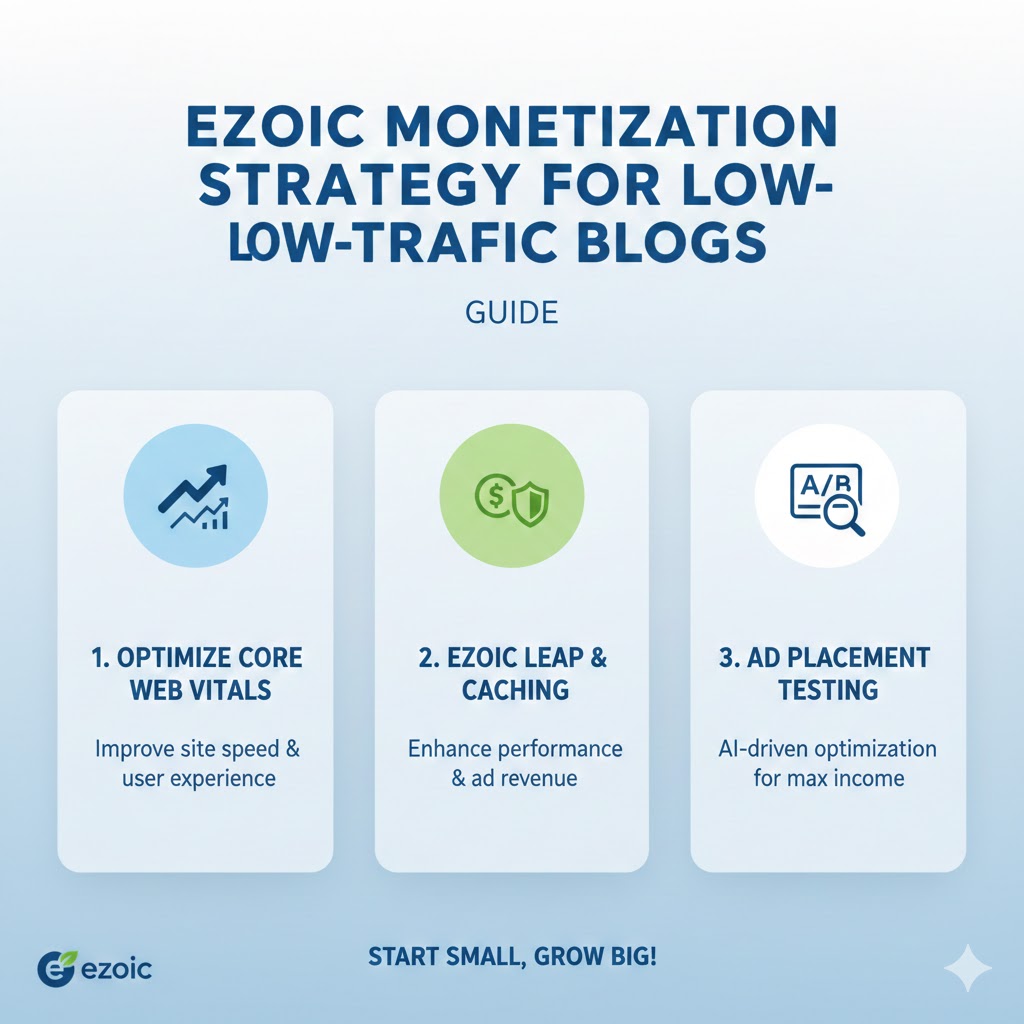
Building a blog from the ground up is challenging enough without the added frustration of minimal ad revenue. Traditional ad networks often require substantial traffic before accepting applications, leaving new bloggers struggling to monetize their early efforts. Ezoic changes this dynamic by welcoming publishers with modest traffic levels while providing enterprise-level ad optimization tools typically reserved for major websites.
This comprehensive guide explores how to maximize earnings through an effective Ezoic monetization strategy even when your blog receives limited visitors. Whether you’re generating 1,000 or 10,000 monthly sessions, these strategies will help you optimize revenue while building toward higher traffic levels.
Understanding Ezoic’s Unique Value Proposition
Before implementing specific tactics, it’s crucial to understand what makes Ezoic different from traditional advertising networks and why it particularly benefits low-traffic publishers.
How Ezoic Differs from Traditional Ad Networks
Most advertising platforms operate on fixed placements and standardized configurations. Publishers manually position ads in predetermined locations, and those placements remain static for all visitors. This one-size-fits-all approach fails to account for varying user behaviors, device types, and content contexts.
Ezoic employs artificial intelligence to test thousands of ad layout combinations, automatically identifying configurations that maximize both revenue and user experience for each visitor. The platform conducts continuous multivariate testing that would be impossible to replicate manually, adjusting placements, sizes, and ad types based on real-time performance data.
For low-traffic blogs, this intelligent optimization proves especially valuable. With limited visitors, every session matters significantly to your bottom line. Ezoic’s technology ensures you’re extracting maximum value from each visit without compromising user experience to the point where visitors abandon your site.
Traffic Requirements and Eligibility
Unlike Google AdSense’s stringent requirements or premium networks demanding hundreds of thousands of monthly visitors, Ezoic accepts publishers with as few as 10,000 monthly sessions. This accessible threshold enables monetization during crucial early growth phases when every dollar of revenue matters.
The platform defines sessions differently than some analytics tools, so your actual traffic might qualify even if raw pageview numbers seem insufficient. A session represents a continuous period of engagement on your site, potentially including multiple page views. Understanding this distinction helps accurately assess your eligibility.
Revenue Potential for Small Publishers
Many bloggers mistakenly believe low traffic automatically means negligible earnings. While higher traffic certainly generates more revenue, proper optimization through Ezoic monetization strategy can produce respectable income even from modest visitor numbers.
Publishers with 10,000 monthly sessions might earn between fifty to two hundred dollars monthly depending on niche, geographic audience composition, and content quality. While this may not replace full-time income, it covers hosting costs and provides motivation during growth phases. More importantly, the monetization infrastructure you establish now scales proportionally as traffic increases.
Revenue per thousand visitors varies dramatically across niches. Finance, technology, and business content typically commands higher rates than entertainment or general lifestyle topics. Understanding your niche’s earning potential sets realistic expectations while identifying optimization opportunities.
1. Preparing Your Blog for Ezoic Integration
Success with Ezoic begins before platform signup. Proper preparation ensures smooth integration and positions your blog for optimal performance.
Content Quality and Quantity Baseline
Ezoic values content quality when evaluating applications. Your blog should demonstrate consistent publishing with substantial, valuable articles rather than thin content designed purely for ad impressions.
Aim for at least twenty to thirty published articles before applying, each providing genuine value to readers. These pieces should be well-researched, properly formatted, and address specific topics comprehensively. Quality content attracts engaged visitors who interact with your site longer, improving both ad visibility and revenue potential.
Original content matters significantly. Duplicate or heavily borrowed material raises red flags during review and performs poorly even if accepted. Invest time creating unique perspectives and information that readers cannot find elsewhere.
Technical Requirements and Compatibility
Ensure your blog meets Ezoic’s technical requirements before application. The platform works with most content management systems including WordPress, Blogger, Wix, and custom-built sites. However, you need full control over your domain’s DNS settings or the ability to install plugins for integration.
WordPress users benefit from Ezoic’s dedicated plugin simplifying integration significantly. The plugin handles technical implementation automatically, reducing setup complexity and potential errors. If you use WordPress, install this plugin before beginning the application process.
Verify your site loads quickly and functions properly across devices. Ezoic’s testing algorithms work best with technically sound websites. Slow-loading pages or broken functionality interfere with accurate testing and reduce revenue potential. Use tools like Google PageSpeed Insights to identify and resolve performance issues before integrating ads.
Establishing Analytics Foundations
Comprehensive analytics become essential once monetizing with Ezoic. Install Google Analytics if you haven’t already, ensuring accurate tracking across all pages. Ezoic provides its own analytics suite called Big Data Analytics, but having Google Analytics as a reference point helps verify data and understand traffic patterns.
Configure analytics to track meaningful engagement metrics beyond pageviews. Monitor average session duration, bounce rates, and pages per session. These metrics indicate content quality and user satisfaction, both crucial factors in long-term monetization success.
Understanding your current traffic patterns, popular content, and audience demographics informs optimization decisions once Ezoic is active. This baseline data helps measure the impact of changes and identify successful strategies.
2. Strategic Application and Approval Process
Navigating Ezoic’s application process efficiently accelerates your path to monetization while avoiding common rejection reasons.
Crafting a Strong Application
Complete your Ezoic application thoroughly and honestly. Provide accurate traffic numbers, detailed site descriptions, and clear information about your content focus. Transparency during application prevents issues later when actual performance is measured.
Describe your content strategy and audience clearly. Explain what makes your blog valuable and how you plan to grow traffic over time. Ezoic invests resources in publisher success, so demonstrating commitment and realistic growth plans strengthens applications.
Ensure your site complies with content policies before applying. Ezoic prohibits certain content types including adult material, illegal activities, violence, and copyright violations. Review guidelines carefully and remove any questionable content before submission.
Common Rejection Reasons and Solutions
Applications face rejection for several common reasons, most easily preventable with proper preparation. Insufficient content quantity or quality represents the most frequent issue. If rejected for content reasons, focus on publishing more substantial articles before reapplying.
Copyright violations or duplicated content also trigger rejections. Ensure all content is original or properly licensed. Even innocent copyright issues like unauthorized image use can cause problems, so verify you have rights to all published material.
Technical issues including broken pages, poor mobile functionality, or extremely slow loading times may lead to rejection. Address these problems systematically before reapplying, testing your site thoroughly across different devices and browsers.
Access Levels and Program Options
Ezoic offers different access levels depending on your situation and preferences. The Access Now program provides immediate platform access for qualifying publishers, while traditional applications undergo review processes.
Choose the option aligning with your immediate needs and capabilities. Access Now may have different terms or requirements, so compare options carefully before proceeding. Some publishers prefer waiting for standard approval to access all features immediately, while others value immediate monetization enough to accept potential limitations.
3. Optimal Integration Methods for Low-Traffic Sites
How you integrate Ezoic technically impacts both performance and revenue potential. Selecting the right method for your situation ensures smooth operation.
WordPress Plugin Integration
WordPress users should strongly consider the Ezoic plugin for integration. This method offers the simplest setup requiring minimal technical knowledge while providing full platform functionality.
After installing and activating the plugin, connect it to your Ezoic account through provided authentication processes. The plugin automatically handles ad insertion, testing, and optimization without requiring manual code modifications or complex configurations.
The plugin approach maintains better compatibility with theme updates and other WordPress plugins compared to other integration methods. When your theme updates, ads continue functioning properly without additional configuration.
Cloudflare Integration Benefits
Cloudflare integration provides performance advantages beyond ad optimization. Ezoic routes your traffic through Cloudflare’s content delivery network, improving loading speeds globally while enabling ad testing.
This method requires changing your domain’s nameservers to Cloudflare’s servers, giving Ezoic control over traffic routing. While this seems invasive, the arrangement provides security benefits, DDoS protection, and speed improvements alongside monetization capabilities.
Cloudflare integration particularly benefits low-traffic blogs because the infrastructure improvements enhance user experience independent of monetization. Faster loading times reduce bounce rates and improve engagement, indirectly boosting revenue through better user metrics.
Name Server Integration Considerations
Direct name server integration offers maximum control and functionality but requires more technical comfort. This method changes your domain’s name servers directly to Ezoic’s servers, routing all traffic through their optimization systems.
Name server integration provides the deepest level of testing and optimization capability. Ezoic can test more placement variations and implement more sophisticated strategies with full traffic control. For publishers committed to maximizing revenue, this integration method offers the highest potential.
However, consider the implications carefully. Changing name servers means Ezoic controls your site’s traffic routing. If you later decide to leave the platform, migration requires additional steps. Ensure you’re comfortable with this level of integration before proceeding.
4. Implementing Revenue-Maximizing Ad Placements
Strategic ad placement forms the foundation of effective Ezoic monetization strategy. Understanding placement principles helps you guide Ezoic’s testing toward optimal configurations.
Understanding Placeholder Strategy
Ezoic uses placeholders defining where ads might appear, then tests combinations to determine optimal placements for different visitors and contexts. More placeholders provide more testing options, but excessive placeholders can clutter your site and frustrate readers.
Start with recommended placeholder quantities based on your content length and layout. Typical articles benefit from eight to twelve placeholders strategically positioned throughout content. Longer articles support additional placeholders, while shorter pieces require fewer to maintain readability.
Position placeholders in locations where ads feel natural rather than intrusive. Between paragraphs, after introductory sections, and before conclusions work well for most content. Avoid placing placeholders mid-sentence or in ways that fragment coherent thoughts.
Balancing Revenue and User Experience
The tension between maximizing ad revenue and maintaining positive user experience represents one of blogging’s fundamental challenges. Ezoic’s EPMV metric attempts to balance these considerations by measuring earnings per thousand visitors while accounting for bounce rates and engagement.
Prioritize user experience even when tempting to chase incremental revenue gains. Aggressive ad placements might boost short-term earnings but damage long-term growth by driving visitors away. Sustainable monetization requires satisfying both revenue and experience objectives.
Monitor bounce rates and engagement metrics as you optimize placements. Significant increases in bounce rates or decreases in pages per session indicate your ad configuration has become too aggressive. Pull back on ad density when user metrics deteriorate, even if revenue temporarily decreases.
Mobile Optimization Importance
Mobile traffic likely represents the majority of your visitors, making mobile ad optimization crucial for revenue maximization. Mobile screens provide less space than desktop displays, requiring more careful placement considerations.
Ensure mobile ad sizes and positions don’t obstruct content or create frustrating scrolling experiences. Ads pushing content below the fold frustrate mobile users and increase abandonment rates. Test your site extensively on mobile devices, experiencing it as visitors do.
Ezoic’s testing includes mobile-specific optimizations, but providing quality mobile placeholders helps the system find optimal configurations faster. Consider mobile user behavior when positioning placeholders, accounting for thumb-friendly navigation and typical mobile reading patterns.
5. Leveraging Ezoic’s Testing and Optimization Features
Ezoic’s artificial intelligence conducts sophisticated testing, but understanding the process helps you guide optimization effectively.
How AI Testing Works
Ezoic’s machine learning algorithms test thousands of ad configuration variables including placement positions, ad sizes, ad types, and density variations. The system serves different configurations to different visitors, measuring revenue and user experience metrics for each variation.
This multivariate testing happens continuously and automatically, adapting to changing conditions, traffic patterns, and user behaviors. Unlike manual A/B testing requiring weeks or months to reach conclusions, Ezoic’s AI processes vast amounts of data quickly, identifying winning combinations much faster.
The system considers numerous factors beyond revenue including bounce rates, time on site, and pages per session. This holistic approach prevents over-optimization for revenue at the expense of user experience, aligning with sustainable long-term growth strategies.
Allowing Sufficient Learning Time
Ezoic requires adequate data to identify optimal configurations accurately. With low traffic, this learning period takes longer than for high-traffic sites simply due to the volume of data points needed for statistical significance.
Expect the learning phase to last several weeks minimum before the system identifies truly optimal configurations. During this period, revenue may fluctuate as different combinations are tested. Resist the temptation to make drastic changes during learning phases, as interference disrupts data collection and prolongs optimization.
Maintain patience even when initial results disappoint. The system improves over time as it gathers more data about your specific audience and content. Early performance rarely represents long-term potential, especially for low-traffic blogs where each testing iteration requires more time.
Monitoring Key Performance Indicators
Ezoic provides extensive analytics through its Big Data Analytics suite. Focus on metrics most relevant to monetization success rather than drowning in available data.
EPMV represents your primary revenue metric, showing earnings per thousand visitors while accounting for user experience factors. Watch EPMV trends over time rather than obsessing over daily fluctuations, especially during learning phases.
Monitor bounce rates, pages per session, and session duration alongside revenue metrics. Improving user engagement metrics typically correlates with revenue increases over time, as engaged visitors see more ads and generate more opportunities for clicks.
Geographic data reveals which regions generate the highest revenue, informing content strategy and targeting decisions. If certain countries produce significantly higher EPMV, consider creating content specifically appealing to those audiences.
6. Content Optimization for Maximum Monetization
Your content quality and structure significantly impact monetization potential beyond ad placement optimization.
Article Length and Structure
Longer articles generally generate more revenue than shorter pieces by providing more space for ad placements and keeping visitors on your site longer. However, length alone doesn’t guarantee success—content must justify its length through value and engagement.
Aim for articles of one thousand to two thousand words minimum, with deeper guides reaching three thousand words or more. Structure content with clear headings, subheadings, and logical progression making it easy to scan and digest. Well-structured long-form content maintains engagement better than rambling pieces without clear organization.
Break up text with relevant images, lists, and formatting variations. Visual interest maintains engagement throughout longer pieces, reducing bounce rates and increasing the likelihood visitors see and interact with ads throughout their session.
Topic Selection and Keyword Strategy
Content topics directly impact monetization potential through advertiser demand and competition. Finance, technology, business, and health topics typically command higher ad rates than entertainment or general lifestyle content.
Research advertiser demand for topics before creating content when monetization is a primary goal. Tools like Google Keyword Planner reveal search volume and competition levels, indicating commercial intent and advertiser interest.
Balance high-value topics with subjects you can write about authoritatively. Forced content in unfamiliar niches rarely performs well regardless of theoretical revenue potential. Find the intersection between profitable topics and your genuine knowledge or interests.
Internal Linking for Session Depth
Strategic internal linking increases pages per session by guiding visitors to additional relevant content. More pageviews per visit multiplies ad impression opportunities, directly boosting revenue without requiring additional traffic.
Link naturally within content to related articles providing additional value or detail on mentioned topics. Contextual links within paragraphs typically perform better than lists of related articles at the end of posts, though both approaches have value.
Create content clusters where multiple articles comprehensively cover related topics, with generous internal linking between cluster pieces. This structure encourages visitors to explore multiple articles during single sessions, substantially increasing monetization opportunities.
7. Driving Quality Traffic to Low-Traffic Blogs
Increasing traffic remains the most effective way to boost revenue. Strategic traffic generation focuses on quality visitors likely to engage meaningfully with your content.
Search Engine Optimization Fundamentals
Organic search traffic provides the most sustainable and cost-effective traffic source for most blogs. SEO success requires consistent effort over extended periods but builds valuable compound returns.
Conduct keyword research identifying terms with decent search volume but manageable competition. Low-traffic blogs rarely compete effectively for highly competitive keywords, so focus on long-tail variations and niche-specific terms where you can realistically rank.
Optimize on-page elements including title tags, meta descriptions, header tags, and URL structures. These technical optimizations signal relevance to search engines while improving click-through rates from search results.
Build high-quality backlinks gradually through guest posting, creating linkable assets, and building relationships with other publishers in your niche. Quality matters far more than quantity for backlinks, especially as search engines increasingly penalize manipulative link building.
Social Media Traffic Strategies
Social media provides supplemental traffic that, while less valuable than search traffic for most purposes, still contributes to overall monetization efforts. Different platforms suit different content types and audiences.
Pinterest works exceptionally well for visual content, tutorials, recipes, and lifestyle topics. Create visually appealing pins linking to your blog content, optimizing descriptions with relevant keywords. Pinterest traffic often explores multiple articles, improving engagement metrics.
Twitter enables sharing timely content and building engaged communities around niche topics. Share valuable insights and engage authentically with others in your space rather than simply broadcasting links.
Facebook groups related to your niche provide opportunities to share content when genuinely helpful, not purely promotional. Build reputation and relationships within communities before sharing your own content extensively.
Email Marketing for Repeat Traffic
Building an email list creates owned traffic you can drive to content repeatedly without depending on external platforms or algorithms. Email subscribers represent your most engaged audience, typically consuming more content per visit than other traffic sources.
Offer valuable incentives for email subscriptions including exclusive content, downloadable resources, or early access to new articles. Make the value exchange clear so visitors understand what they’ll receive in exchange for providing email addresses.
Send regular newsletters featuring your best recent content along with exclusive insights or curated resources. Maintain consistent schedules so subscribers know when to expect communications, but avoid overwhelming inboxes with excessive frequency.
8. Advanced Ezoic Features for Revenue Growth
Beyond basic ad optimization, Ezoic offers advanced features that can significantly boost earnings even for low-traffic publishers.
Video Player Monetization
Ezoic’s Humix video player allows you to embed videos on your site that generate additional revenue through video ads. Even if you don’t create video content yourself, you can use videos from Humix’s library relevant to your content topics.
Video engagement typically generates higher revenue per visitor than display ads alone. Users who watch videos spend more time on your site and encounter additional monetization opportunities through video ad formats.
Embed videos strategically within content where they add genuine value rather than feeling randomly inserted. Relevant video content enhances overall article quality while providing monetization opportunities.
Ezoic Leap for WordPress Performance
Site speed significantly impacts both user experience and revenue potential. Faster sites reduce bounce rates, improve engagement, and often achieve better search rankings. Ezoic Leap provides caching and performance optimizations specifically designed for WordPress sites.
Installing Leap can dramatically improve loading times without requiring technical optimization knowledge. The plugin handles caching, database optimization, and asset minification automatically, removing performance bottlenecks that might otherwise require developer assistance.
Improved performance benefits extend beyond direct user experience. Faster sites allow Ezoic’s testing algorithms to function more effectively, as page load times don’t artificially constrain ad rendering and testing capabilities.
Ad Tester for Strategic Decisions
Ezoic’s Ad Tester feature enables you to experiment with specific ad-related changes beyond the automatic optimization system. You can test different placeholder configurations, ad density levels, or specific layout approaches.
Use Ad Tester when you have hypotheses about improvements worth testing systematically. The tool provides structured experimentation frameworks ensuring changes are measured accurately against baseline performance.
Avoid excessive testing when traffic is low, as insufficient data leads to inconclusive results. Reserve Ad Tester for significant strategic questions rather than minor tactical adjustments better handled by automatic optimization.
Access to Premium Ad Networks
As your site grows and meets certain thresholds, Ezoic provides access to premium ad networks and private marketplaces typically unavailable to small publishers. These premium sources often pay higher rates than standard programmatic advertising.
Ezoic negotiates access to these networks on your behalf, leveraging the collective scale of all Ezoic publishers. This aggregated negotiating power benefits small publishers who could never independently access premium advertisers.
Monitor your progress toward premium network thresholds and optimize specifically to reach these milestones when close. The revenue jump from premium network access can be substantial, making these thresholds worthwhile intermediate goals.
9. Troubleshooting Common Low-Traffic Challenges
Small publishers face unique challenges in monetization efforts. Understanding common issues and solutions prevents frustration and lost revenue.
Revenue Fluctuations and Seasonality
Advertising markets experience significant seasonal variations affecting your earnings. December typically sees the highest ad rates due to holiday shopping, while January often drops substantially as advertiser budgets reset.
Understand these patterns to maintain realistic expectations. Dramatic revenue drops in certain months may reflect market-wide trends rather than problems with your site or Ezoic configuration. Review year-over-year comparisons rather than month-to-month changes for clearer performance pictures.
Low-traffic sites experience more dramatic fluctuations than high-traffic properties simply due to smaller sample sizes. A few high or low-value sessions disproportionately impact overall earnings when total sessions are limited. These fluctuations smooth out as traffic increases.
Maintaining Site Speed with Ads
Ads inevitably impact page load times, potentially frustrating visitors and harming search rankings. However, properly implemented Ezoic monetization strategy minimizes these impacts through intelligent loading and optimization.
Enable Ezoic’s speed optimization features including caching, lazy loading, and asset optimization. These features ensure ads load efficiently without unnecessarily delaying content rendering.
Monitor speed metrics regularly using tools like Google PageSpeed Insights and Ezoic’s own speed reports. If speed deteriorates significantly, work with Ezoic support to identify specific issues and implement solutions.
Consider that some speed impact is unavoidable with advertising, but the revenue generated should justify minimal performance costs. The goal is finding optimal balance rather than eliminating all impact.
Dealing with Policy Warnings
Occasionally publishers receive policy warnings about content or practices. Address these immediately to prevent account suspension or termination. Ezoic typically provides clear explanations of issues and expected corrective actions.
Common policy issues include accidental copyright violations, content that violates advertiser guidelines, or technical implementations causing problems. Review warnings carefully and implement requested changes promptly.
Contact Ezoic support if warnings seem unclear or you believe they’re issued in error. The support team can clarify requirements and help identify acceptable solutions.
10. Scaling Strategy as Traffic Grows
Your Ezoic monetization strategy should evolve as your blog grows, taking advantage of new opportunities and optimizing for increased traffic levels.
Milestone Planning and Optimization
Set specific traffic and revenue milestones with corresponding optimization strategies. When you reach 25,000 monthly sessions, conduct comprehensive ad placement reviews. At 50,000 sessions, explore premium feature implementations.
These milestones provide motivation while ensuring you continuously optimize rather than becoming complacent with initial configurations. Each growth tier enables new optimization opportunities not practical at lower traffic levels.
Document successful strategies and changes as you grow. This record helps you understand what works for your specific site and audience, informing future decisions and preventing repeated mistakes.
Reinvesting Revenue Strategically
Early monetization revenue, while modest, can be strategically reinvested to accelerate growth. Consider allocating earnings toward content creation, promotional efforts, or site improvements.
Hiring freelance writers expands content production beyond your personal capacity, allowing faster site growth. Even modest budgets enable regular guest posts or article purchases supplementing your own writing.
Paid promotion through platforms like Pinterest ads or Facebook advertising can jumpstart traffic growth when used strategically. Start with small budgets testing different approaches before scaling successful campaigns.
Premium tools and plugins improve site functionality and user experience. Analytics platforms, SEO tools, and design themes purchased with ad revenue enhance your blog’s capabilities and growth potential.
Diversifying Monetization Methods
While focusing on Ezoic initially makes sense, successful blogs eventually incorporate multiple monetization streams. Affiliate marketing, sponsored content, digital products, and services all complement ad revenue.
Introduce additional monetization methods gradually without overwhelming your audience with promotional content. Balance remains essential—excessive monetization attempts can alienate readers and damage long-term growth prospects.
Each monetization stream requires different optimization approaches and audience considerations. Affiliate marketing works best in product-focused content, while sponsored opportunities arise from demonstrated influence and engagement. Develop each revenue stream thoughtfully rather than haphazardly implementing everything simultaneously.
Conclusion: Patience and Persistence in Monetization
Implementing an effective Ezoic monetization strategy for low-traffic blogs requires realistic expectations combined with consistent optimization effort. The platform provides sophisticated tools that level the playing field between small publishers and major websites, but success still demands patience and strategic thinking.
Your initial earnings will likely seem modest compared to the effort invested in creating content and building your blog. However, proper monetization infrastructure established early compounds benefits as traffic grows. The optimization systems you implement now scale proportionally with increased visitors, making early effort worthwhile.
Focus on sustainable growth rather than short-term revenue maximization. Prioritize user experience alongside monetization, as satisfied readers return more frequently, stay longer, and ultimately generate more revenue than visitors frustrated by aggressive advertising.
Continue learning and adapting your approach based on data and results. Ezoic provides extensive analytics and testing capabilities—use these tools to guide decisions rather than relying on assumptions or copying others blindly. Your specific audience, content, and niche require customized approaches for optimal results.
Also read this:
Selling Digital Products on Gumroad: Step-by-Step Earning Guide
Web Tools That Convert Files Without Installing Software
One-Time Setup Digital Products That Generate Passive Income