
In today’s fast-paced business environment, errors cost companies billions of dollars annually. From manufacturing defects to financial miscalculations, from customer service missteps to compliance violations, mistakes represent not just monetary losses but also damaged reputations and lost opportunities. This reality has created a booming market for Mistake-Prevention AI Systems that companies are eagerly adopting through monthly subscription models.
The shift toward AI-powered error prevention isn’t just a trend; it’s becoming a necessity. Organizations across industries are recognizing that investing in preventive technology delivers far greater returns than dealing with the aftermath of costly mistakes. Let’s explore the mistake-prevention AI systems that businesses are actively investing in and why these solutions command premium monthly subscription fees.
1. Financial Error Detection and Prevention Systems
Financial mistakes can be catastrophic for businesses. A single decimal point error or misclassified transaction can cascade into significant financial misstatements, regulatory penalties, and investor loss of confidence. Mistake-Prevention AI Systems designed for financial operations are among the most sought-after solutions in the corporate world.
Real-Time Transaction Monitoring
Modern AI systems continuously analyze financial transactions as they occur, flagging anomalies before they’re recorded permanently. These systems learn from historical patterns and can identify when transactions deviate from expected norms. They examine payment amounts, vendor relationships, timing patterns, and authorization hierarchies to catch errors before processing.
Automated Reconciliation and Audit Trails
Manual reconciliation processes are time-consuming and prone to human oversight. AI-powered reconciliation systems automatically match transactions across multiple accounts, identify discrepancies, and highlight potential errors. These systems maintain comprehensive audit trails that document every change, making it easier to trace issues back to their source and prevent recurrence.
Predictive Cash Flow Analysis
Cash flow mistakes often stem from poor forecasting or failure to account for seasonal variations. Advanced AI systems analyze historical data, market conditions, and business cycles to predict future cash positions with remarkable accuracy. They alert finance teams to potential shortfalls weeks or months in advance, allowing for proactive corrections rather than reactive crisis management.
Compliance and Regulatory Adherence
Financial regulations are complex and constantly evolving. AI systems dedicated to compliance monitoring ensure that every transaction, report, and disclosure meets current regulatory standards. They automatically update their parameters as regulations change, reducing the risk of non-compliance penalties that can reach millions of dollars.
2. Manufacturing Quality Control and Defect Prevention
In manufacturing, defects and quality issues directly impact profitability, brand reputation, and customer satisfaction. Mistake-Prevention AI Systems in this sector have revolutionized how companies approach quality assurance, moving from reactive inspections to proactive prevention.
Computer Vision Inspection Systems
AI-powered visual inspection systems can detect defects that human inspectors might miss, especially during long shifts or when examining thousands of units. These systems use high-resolution cameras and sophisticated algorithms to identify surface flaws, dimensional inaccuracies, color variations, and assembly errors in real-time. They operate continuously without fatigue, maintaining consistent quality standards across all production shifts.
Predictive Maintenance and Equipment Failure Prevention
Equipment failures often result in defective products, production delays, and safety hazards. AI systems monitor machinery performance through sensors that track vibration, temperature, pressure, and other operational parameters. By analyzing these data streams, the AI can predict when equipment is likely to fail and schedule maintenance proactively, preventing costly downtime and defective output.
Process Optimization and Parameter Control
Manufacturing processes involve numerous variables that must remain within specific ranges. AI systems continuously monitor these parameters and automatically adjust them to maintain optimal conditions. When variables drift toward problematic ranges, the system takes corrective action before defects occur, ensuring consistent product quality.
Supply Chain Quality Assurance
Quality problems often originate with component suppliers. Mistake-Prevention AI Systems track supplier performance, analyze incoming materials for quality issues, and predict which suppliers are most likely to deliver substandard components. This allows procurement teams to address quality concerns proactively rather than discovering problems during production.
3. Customer Service and Communication Error Prevention
Customer interactions represent critical moments where mistakes can damage relationships and drive clients to competitors. AI systems designed to prevent customer service errors are becoming indispensable tools for businesses that prioritize customer experience.
Real-Time Agent Assistance
AI systems monitor customer service conversations in real-time, providing agents with instant suggestions, relevant information, and warnings about potential mistakes. When an agent is about to provide incorrect information, violate company policy, or miss an upselling opportunity, the AI intervenes with guidance. These systems learn from successful interactions and continuously improve their recommendations.
Sentiment Analysis and Escalation Prevention
Not all customer dissatisfaction is immediately obvious. AI-powered sentiment analysis detects subtle signs of frustration, confusion, or anger in customer communications, whether written or spoken. The system can alert supervisors to intervene before situations escalate, preventing negative reviews, social media complaints, and customer churn.
Automated Response Validation
When customer service teams use templated responses or automated systems, there’s always risk of sending inappropriate or inaccurate information. Mistake-Prevention AI Systems verify that responses address the customer’s actual question, contain accurate information, and maintain appropriate tone before they’re sent. This reduces embarrassing errors and maintains professional communication standards.
Knowledge Base Accuracy Management
Customer service quality depends on accurate, up-to-date information. AI systems continuously audit knowledge bases, identifying outdated information, contradictory policies, and gaps in documentation. They flag content that needs review and suggest updates based on recurring customer questions and emerging issues.
4. Healthcare and Medical Error Prevention
Healthcare is perhaps the most critical domain for mistake prevention, where errors can literally mean the difference between life and death. Medical institutions are investing heavily in AI systems that help prevent diagnostic errors, medication mistakes, and treatment complications.
Clinical Decision Support Systems
These sophisticated AI platforms analyze patient data, medical histories, test results, and current symptoms to alert clinicians to potential diagnostic errors. They can identify when symptoms might indicate conditions that weren’t initially considered, when test results are inconsistent with the working diagnosis, or when critical information is being overlooked.
Medication Error Prevention
Medication errors remain a leading cause of preventable patient harm. AI systems verify prescriptions against patient allergies, drug interactions, dosing guidelines, and medical conditions. They flag potentially dangerous prescriptions before they reach the pharmacy, preventing adverse reactions and improving patient safety.
Surgical Planning and Verification
Before complex procedures, AI systems review surgical plans, checking for potential complications, equipment requirements, and procedural steps. During surgery, AI-powered systems can verify that correct procedures are being performed on correct anatomical locations, preventing wrong-site surgeries and other never-events.
Patient Monitoring and Early Warning Systems
Mistake-Prevention AI Systems continuously monitor patient vital signs and laboratory results, detecting subtle changes that might indicate deterioration hours before it becomes clinically obvious. These early warnings allow medical teams to intervene before patients experience serious complications, reducing mortality rates and improving outcomes.
5. Legal and Compliance Risk Management
Legal mistakes can expose companies to litigation, regulatory penalties, and reputational damage. AI systems designed to prevent legal and compliance errors have become essential tools for modern legal departments and compliance teams.
Contract Review and Risk Identification
AI systems analyze contracts to identify problematic clauses, missing provisions, and inconsistencies with company standards. They compare terms against previous agreements, industry norms, and regulatory requirements, flagging potential issues before contracts are executed. This prevents costly disputes and ensures contractual obligations are clear and enforceable.
Regulatory Compliance Monitoring
Regulations vary by jurisdiction, industry, and business activity. AI systems track applicable regulations, monitor business operations for compliance, and alert teams to potential violations before they occur. They automatically update as regulations change, ensuring companies remain compliant even as legal landscapes evolve.
Litigation Risk Assessment
Before making significant business decisions, companies need to understand potential legal risks. Mistake-Prevention AI Systems analyze proposed actions against case law, regulatory precedents, and company history to predict litigation risk. This allows businesses to modify approaches or prepare appropriate defenses before proceeding.
Document Management and Retention
Legal holds, retention requirements, and document management obligations create complex compliance challenges. AI systems ensure documents are retained appropriately, preserved when necessary, and disposed of properly when permissible. They prevent the costly mistakes of destroying documents under legal hold or retaining information beyond permitted periods.
6. Cybersecurity and Data Protection Systems
In an era of increasing cyber threats, preventing security breaches and data loss is paramount. Organizations are investing heavily in AI-powered security systems that prevent mistakes that could lead to devastating breaches.
Threat Detection and Prevention
Traditional cybersecurity relies heavily on known threat signatures, but modern attacks often use novel approaches. AI systems analyze network behavior patterns, user activities, and system access patterns to identify anomalous behavior that might indicate security threats. They can detect and block attacks before damage occurs, even when dealing with previously unknown threat vectors.
Access Control and Privilege Management
Many security breaches result from excessive user privileges or poor access management. AI systems continuously analyze who needs access to what resources, identifying cases where users have unnecessary privileges. They recommend access adjustments and can automatically revoke access when it’s no longer appropriate, reducing the attack surface.
Data Loss Prevention
Sensitive information leaving an organization inappropriately can result from malicious intent or innocent mistakes. Mistake-Prevention AI Systems monitor data movements, identifying when sensitive information is being transferred to unauthorized locations. They can block transfers, encrypt data automatically, or alert security teams based on the situation’s severity.
Phishing and Social Engineering Prevention
Despite training, employees remain vulnerable to sophisticated phishing attacks. AI systems analyze emails, messages, and communications for signs of phishing attempts, warning users before they click dangerous links or share sensitive information. They learn from evolving attack methods, maintaining effectiveness against new social engineering techniques.
7. Human Resources and Hiring Mistake Prevention
Poor hiring decisions cost companies significantly in terms of recruitment expenses, training investments, and lost productivity. AI systems that help prevent HR mistakes are becoming standard tools for forward-thinking organizations.
Candidate Screening and Assessment
AI systems analyze resumes, applications, and candidate information to identify qualification mismatches, credential inconsistencies, and potential red flags. They help ensure that only genuinely qualified candidates proceed through the hiring process, reducing wasted interview time and poor hiring decisions.
Bias Detection and Fair Hiring Practices
Unconscious bias in hiring can lead to discrimination lawsuits and limit organizational diversity. Mistake-Prevention AI Systems analyze hiring decisions for patterns that might indicate bias, ensuring that candidate evaluations focus on relevant qualifications rather than protected characteristics. This helps companies build diverse teams while reducing legal risk.
Compensation Analysis and Equity
Pay disparities can result from unconscious bias, poor benchmarking, or inconsistent decision-making. AI systems analyze compensation across the organization, identifying unexplained pay gaps and ensuring that compensation decisions align with experience, performance, and market rates. They prevent the costly mistakes of underpaying valuable employees or creating discriminatory pay practices.
Performance Management and Documentation
Poor performance management often stems from inadequate documentation and inconsistent application of policies. AI systems guide managers through performance conversations, ensuring proper documentation and fair application of company standards. This prevents wrongful termination claims and improves overall performance management effectiveness.
8. Marketing and Brand Reputation Protection
Marketing mistakes can damage brand reputation and waste substantial advertising budgets. AI systems focused on preventing marketing errors help companies maximize campaign effectiveness while protecting brand integrity.
Content Review and Brand Compliance
Before marketing content goes live, AI systems verify that it complies with brand guidelines, legal requirements, and company values. They check for offensive language, copyright violations, factual inaccuracies, and messaging inconsistencies. This prevents embarrassing mistakes that could damage brand reputation or trigger legal issues.
Campaign Performance Prediction
Not all marketing campaigns succeed, but AI can identify likely failures before significant resources are committed. Mistake-Prevention AI Systems analyze campaign elements against historical performance data, competitive intelligence, and audience insights to predict effectiveness. This allows marketers to refine approaches before launch rather than after costly failures.
Crisis Detection and Response
Social media moves quickly, and brand crises can escalate within hours. AI systems monitor online conversations, news coverage, and social sentiment to detect emerging issues before they become full-blown crises. They alert communications teams immediately, providing time to craft appropriate responses and minimize reputational damage.
Advertising Placement Verification
Programmatic advertising can place ads in inappropriate contexts, associating brands with objectionable content. AI systems verify ad placements in real-time, ensuring ads appear only in brand-safe environments. This prevents the reputational damage and customer backlash that occurs when ads appear alongside controversial or offensive content.
9. Supply Chain and Logistics Error Prevention
Supply chain disruptions and logistics errors directly impact customer satisfaction and profitability. Companies are investing in AI systems that prevent the mistakes that lead to delays, shortages, and excess inventory.
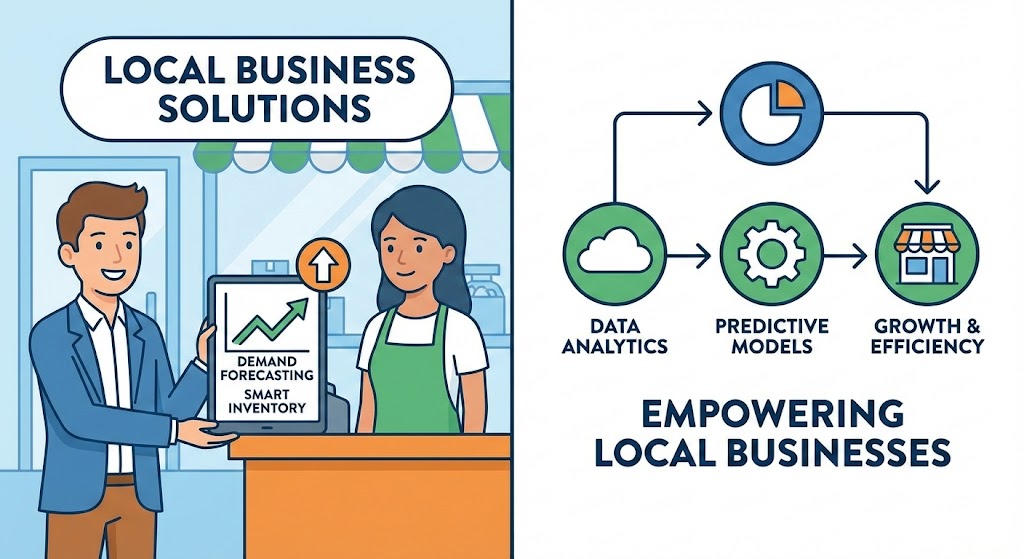
Demand Forecasting and Inventory Optimization
Inventory mistakes tie up capital in excess stock or result in stockouts that lose sales. AI systems analyze historical sales data, market trends, seasonal patterns, and external factors to predict demand accurately. They recommend optimal inventory levels that balance service levels against carrying costs, preventing both overstock and shortage situations.
Route Optimization and Delivery Planning
Logistics mistakes waste fuel, delay deliveries, and frustrate customers. Mistake-Prevention AI Systems optimize delivery routes in real-time, accounting for traffic conditions, weather, vehicle capacity, and time windows. They prevent the inefficiencies that result from poor routing decisions while ensuring on-time deliveries.
Supplier Risk Management
Supply chain disruptions often result from supplier failures. AI systems monitor supplier financial health, production capacity, quality metrics, and geopolitical risks to predict potential disruptions. This allows procurement teams to develop alternative sources before critical shortages occur, maintaining business continuity.
Quality Control in Transit
Products can be damaged during shipping due to improper handling, environmental conditions, or packaging failures. AI systems monitor shipment conditions through IoT sensors, alerting logistics teams to problems in real-time. They can trigger rerouting or special handling to prevent damage before it occurs.
10. Project Management and Execution Prevention Systems
Project failures cost organizations time, money, and credibility. AI systems designed to prevent project mistakes are helping companies deliver initiatives on time and within budget more consistently.
Risk Identification and Mitigation
AI systems analyze project plans, resources, timelines, and dependencies to identify potential problems before they materialize. They compare current projects against historical data from similar initiatives, flagging risks that project teams might overlook. This proactive risk management prevents the mistakes that derail project success.
Resource Allocation Optimization
Poor resource allocation dooms projects from the start. Mistake-Prevention AI Systems analyze team capabilities, workload distributions, and project requirements to recommend optimal resource assignments. They identify when team members are overallocated or when critical skills are missing, allowing for corrections before delays occur.
Schedule Feasibility Analysis
Unrealistic schedules are common mistakes that set projects up for failure. AI systems evaluate proposed timelines against task complexity, resource availability, and dependency chains to assess schedule feasibility. They highlight overly optimistic deadlines and recommend realistic adjustments, preventing the missed deadlines and rushed work that compromise quality.
Scope Creep Detection
Uncontrolled scope expansion is a leading cause of project failure. AI systems monitor project activities, change requests, and deliverables to detect scope creep as it begins. They alert project managers to unauthorized expansion and help maintain project focus on original objectives.
The Economics of Mistake Prevention
Understanding why businesses willingly pay monthly subscriptions for these Mistake-Prevention AI Systems requires examining the economics of error prevention versus error correction.
Cost of Mistakes Versus Prevention
A single major mistake often costs more than years of subscription fees for prevention systems. Financial errors can result in regulatory fines reaching millions of dollars. Product recalls can bankrupt companies. Data breaches create liability, remediation costs, and reputational damage that persists for years. When viewed through this lens, monthly subscription fees for AI systems that prevent such mistakes represent exceptional value.
Compound Benefits Over Time
Unlike one-time software purchases, subscription-based AI systems continuously improve through machine learning. Each prevented mistake makes the system smarter, creating compound benefits over time. Organizations that deploy these systems early gain competitive advantages as their AI becomes increasingly effective at preventing errors specific to their operations.
Scalability and Flexibility
Monthly subscription models allow businesses to scale AI capabilities with their needs. Small companies can access enterprise-grade mistake prevention at affordable entry points, while large organizations can deploy comprehensive systems across multiple departments. This flexibility makes sophisticated AI accessible to organizations of all sizes.
Risk Transfer and Shared Responsibility
Subscription models often include vendor support, updates, and shared responsibility for system performance. Vendors are incentivized to ensure their systems work effectively because subscription renewals depend on demonstrated value. This aligns vendor and customer interests in ways that traditional software licensing models don’t.
Implementation Considerations
While Mistake-Prevention AI Systems offer substantial benefits, successful implementation requires careful planning and execution.
Integration with Existing Systems
AI systems must integrate seamlessly with existing workflows and technology infrastructure. Organizations should evaluate how prevention systems connect with current tools, whether APIs are well-documented, and what implementation support vendors provide. Poor integration negates many benefits of mistake prevention.
Change Management and Adoption
Technology alone doesn’t prevent mistakes; people must use the systems effectively. Successful implementations include comprehensive training, clear communication about benefits, and processes that make AI assistance natural rather than burdensome. Organizations that neglect change management often fail to realize the full value of their investments.
Data Quality and System Training
AI systems learn from data, so their effectiveness depends on data quality. Organizations should audit data sources, clean historical information, and establish processes for maintaining data accuracy. Poor data quality results in unreliable AI recommendations, reducing trust and adoption.
Measuring Return on Investment
Quantifying mistake prevention value can be challenging since success means events that don’t occur. Organizations should establish clear metrics before implementation, tracking both prevented incidents and system performance. Common metrics include error rate reductions, time saved on corrections, customer satisfaction improvements, and compliance violation decreases.
The Future of Mistake Prevention
The market for Mistake-Prevention AI Systems continues evolving rapidly, with several trends shaping future developments.
Increasingly Sophisticated Predictions
As AI systems accumulate more data and processing power increases, prediction accuracy will improve dramatically. Future systems will identify potential mistakes further in advance and with greater precision, allowing even more proactive prevention.
Cross-Domain Learning
Current AI systems often focus on specific domains, but future systems will learn across multiple business areas. An AI that prevents financial mistakes will inform customer service error prevention, creating interconnected protection throughout organizations.
Autonomous Correction
While current systems primarily alert humans to potential mistakes, future AI will increasingly take autonomous corrective action. This shift from advisory to autonomous systems will further reduce error rates while freeing humans for more strategic work.
Personalized Learning
AI systems will become better at understanding individual user patterns, providing increasingly personalized guidance that accounts for each person’s strengths, weaknesses, and working styles. This personalization will make mistake prevention more effective and less intrusive.
Conclusion
Mistake-Prevention AI Systems represent one of the clearest value propositions in modern business technology. The costs of mistakes far exceed the investment in prevention, making monthly subscription fees not just justifiable but strategically essential. From financial operations to healthcare, from manufacturing to marketing, these systems are transforming how organizations approach quality, compliance, and operational excellence.
Companies that view these systems as expenses rather than investments risk falling behind competitors who understand that prevention is always more cost-effective than correction. The businesses thriving in today’s competitive environment aren’t necessarily those that never make mistakes—they’re the ones that have invested in systems that prevent mistakes before they occur.
As AI technology continues advancing and mistake-prevention systems become more sophisticated, the gap between early adopters and laggards will widen. Organizations that embrace these systems now position themselves for sustainable competitive advantages, while those that delay face increasing risks of costly errors that preventive technology could have stopped.
The question for business leaders isn’t whether to invest in Mistake-Prevention AI Systems, but rather which systems to prioritize and how quickly to deploy them. In a world where single mistakes can have catastrophic consequences, the value of prevention has never been clearer, and the technology to deliver that prevention has never been more accessible.
Also read this:
No-SaaS AI Business Models: How People Launch AI Services Without Building Software
Running Automated AI-Powered Operations for Online Stores: The Complete Recurring Revenue Guide
AI Process Optimization Services Traditional Businesses Pay For: Building Recurring Revenue