
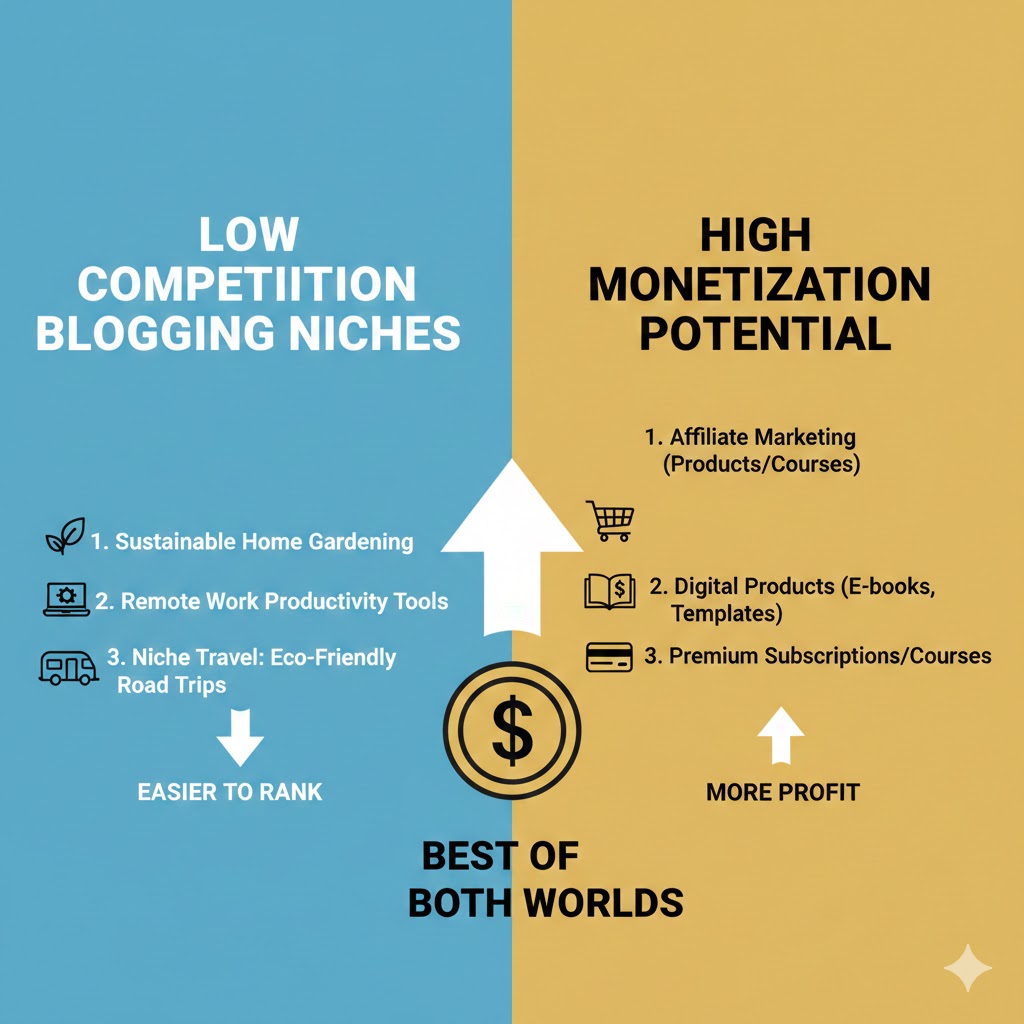
The dream of building a profitable blog remains alive and well in 2025, but the landscape has changed dramatically. Saturated niches like general lifestyle, food blogging, and personal finance make it nearly impossible for newcomers to gain traction. Smart bloggers now seek Low Competition Blogging Niches where they can establish authority quickly and monetize effectively without competing against established media giants.
Finding the sweet spot between low competition and high monetization potential requires strategic thinking. The most lucrative opportunities exist in specialized areas with passionate audiences, specific pain points, and clear monetization pathways. These Low Competition Blogging Niches allow you to build expertise, rank in search engines, and create multiple revenue streams without the years-long struggle typical of oversaturated markets.
This comprehensive guide explores the most promising Low Competition Blogging Niches available today. Each niche offers realistic entry opportunities for dedicated bloggers while providing substantial monetization potential through affiliate marketing, digital products, consulting, and other revenue channels. Whether you’re starting fresh or pivoting from an unsuccessful blog, these niches present genuine opportunities to build profitable online businesses.
1. Sustainable Urban Living and Zero-Waste Solutions
The intersection of urban living and sustainability creates compelling Low Competition Blogging Niches with audiences eager for practical solutions. Unlike broad environmental blogs, this niche focuses specifically on sustainable practices adapted for apartment dwellers, renters, and city residents facing unique constraints.
Target Audience and Pain Points
City dwellers want to reduce environmental impact but face space limitations, landlord restrictions, and urban-specific challenges. They need practical advice on composting in small apartments, growing food in minimal space, reducing waste without access to bulk stores, and making sustainable choices within urban infrastructure constraints.
This audience typically skews younger, educated, and financially comfortable enough to invest in quality sustainable products. They value authenticity and detailed guidance over superficial green-washing. Many feel frustrated by sustainability advice designed for homeowners with yards and garages.
Content Opportunities
Create detailed guides for apartment composting systems, comparing vermicomposting, bokashi, and electric composters with specific product recommendations. Develop comprehensive resources for balcony and windowsill gardening, including container selection, soil management, and crop selection for limited sun exposure.
Document the process of reducing household waste to specific targets, showing actual purchases, waste audits, and sustainable swaps. Review refill stations, zero-waste stores, and sustainable delivery services in major cities. Create neighborhood-specific guides highlighting resources for sustainable living in particular metropolitan areas.
Monetization Strategies
Affiliate partnerships with sustainable product companies generate consistent revenue. These products often carry higher price points and commission rates than conventional alternatives. Companies selling reusable products, organic textiles, and eco-friendly household items actively seek partnerships with credible sustainability bloggers.
Create digital products like comprehensive guides to zero-waste living in specific cities, meal planning templates for reducing food waste, or seasonal gardening planners for small-space growing. Develop courses teaching specific skills like fermentation, bread-making, or preserving food without special equipment.
Consulting services help individuals or buildings implement sustainability programs. Corporate sustainability consulting serves building managers, property management companies, or employers seeking to improve environmental performance. Speaking engagements at environmental conferences or community events provide additional revenue.
Competition Analysis
While sustainability itself is competitive, the urban-specific angle remains relatively untapped. Most sustainability content targets homeowners or assumes access to space and resources unavailable to apartment dwellers. This specificity reduces competition while intensifying audience engagement.
Search volumes for queries like “apartment composting,” “small space gardening,” or “zero waste for renters” show growing interest with limited high-quality content. Geographic-specific content like “sustainable living in Chicago” or “zero waste stores in Seattle” faces even less competition while attracting highly engaged local audiences.
2. Pet-Specific Health and Behavioral Niches
General pet blogging is extremely competitive, but drilling down to specific breeds, conditions, or behavioral issues creates Low Competition Blogging Niches with passionate, spend-ready audiences. Pet owners invest heavily in their animals’ wellbeing and actively seek specialized expertise.
Niche Segmentation Strategies
Focus on single breeds with dedicated followings but limited specialized content. Rare or less common breeds often have underserved owner communities. Alternatively, target specific health conditions like canine diabetes management, feline kidney disease, or pet anxiety disorders.
Behavioral specialization offers another angle. Blogs addressing specific issues like leash reactivity, separation anxiety, or multi-pet household management attract audiences frustrated by generic training advice. These owners have tried basic solutions unsuccessfully and seek deeper expertise.
High-Value Content Types
Condition-specific guides covering symptoms, diagnosis, treatment options, lifestyle management, and long-term prognosis serve owners navigating difficult health situations. These comprehensive resources establish authority and trust while targeting keywords with clear search intent.
Product reviews and comparisons help owners choose appropriate foods, medications, supplements, or equipment for specific conditions. Detailed testing and honest assessments build credibility. Equipment guides for specific activities like hiking with dogs, traveling with cats, or enrichment for specific species provide practical value.
Interview veterinary specialists, behaviorists, or experienced owners managing specific conditions. Expert perspectives add credibility and provide unique content unavailable elsewhere. Case studies following individual animals through treatment or training programs offer compelling narratives while demonstrating practical application.
Monetization Pathways
Affiliate partnerships with specialty pet product companies provide strong commission rates. Premium pet foods, specialized supplements, condition-specific equipment, and behavioral training tools often carry 10-20% commissions. Pet insurance affiliate programs offer high payouts for qualified referrals.
Digital products like comprehensive care guides for specific conditions, training programs addressing particular behavioral issues, or meal planning resources for pets with dietary restrictions serve dedicated audiences willing to pay for expertise. Video courses demonstrating training techniques or care procedures add premium pricing opportunities.
Consulting services for behavior modification, nutrition planning, or condition management create high-ticket offerings. Remote consultations via video call make these services scalable. Group programs or membership communities provide recurring revenue while building engaged audiences.
Market Advantages
Pet owners demonstrate remarkable loyalty to trusted information sources. Once you establish credibility through helpful content, audiences return repeatedly and recommend your blog to others facing similar challenges. This word-of-mouth growth compounds over time.
Search competition for breed-specific or condition-specific queries remains manageable compared to general pet content. Long-tail keywords like “managing diabetes in miniature schnauzers” or “anxiety training for rescue greyhounds” face minimal competition while attracting highly qualified traffic.
3. Micro-Niche Hobby Communities
Specialized hobbies with dedicated but underserved communities represent excellent Low Competition Blogging Niches. These audiences demonstrate high engagement and willingness to invest in their interests, creating multiple monetization opportunities despite smaller overall market size.
Identifying Promising Hobby Niches
Look for hobbies with active communities but limited high-quality online resources. Check forums, subreddit subscriber counts, Facebook group sizes, and YouTube channel followings to gauge community size. Evaluate whether existing content is outdated, incomplete, or poorly presented.
Emerging hobbies or experiencing growth surges offer first-mover advantages. New interests haven’t attracted established competitors yet. Growing communities provide expanding audiences and increasing search volumes over time.
Consider hobbies requiring ongoing purchases of supplies, equipment, or materials. These create natural affiliate opportunities and demonstrate audience spending capacity. Hobbies with skill progression pathways support educational content and course development.
Examples of Viable Micro-Hobby Niches
Fountain pen collecting and usage attracts passionate enthusiasts who invest heavily in pens, inks, and paper. The community values detailed reviews, maintenance guides, and artistic applications. Resin art and crafting has exploded recently but lacks comprehensive beginner resources and advanced technique guides.
Urban sketching combines art with travel and observation. Practitioners seek location recommendations, technique tutorials, and equipment guidance. Lock picking as a hobby and skill development serves security enthusiasts and puzzle solvers seeking progressive challenges and tool recommendations.
Mechanical keyboard customization attracts tech enthusiasts willing to spend hundreds on keyboards and modifications. Container water gardening enables outdoor hobbies for apartment dwellers, combining gardening and aquatic interests in limited spaces.
Content Development Strategies
Create comprehensive beginner guides covering all aspects of starting the hobby. Include required equipment, budget considerations, safety precautions, and realistic expectations. These resources rank well for “how to get started with” queries and convert well to affiliate sales.
Develop detailed technique tutorials with step-by-step instructions, photos, and videos. Progress from beginner through advanced skills, building content libraries that serve practitioners at all levels. Troubleshooting guides address common problems and frustrations.
Product reviews and comparisons help community members make informed purchases. Test equipment thoroughly and provide honest assessments. Comparison content for similar products at different price points helps readers choose appropriate options for their budget and skill level.
Revenue Generation Methods
Affiliate marketing with hobby-specific retailers generates consistent income. Many specialty suppliers offer affiliate programs with strong commission rates. Amazon Associates provides backup for products unavailable through direct partnerships.
Digital products like comprehensive guides, template libraries, or reference materials serve practitioners seeking organized information. Video courses teaching specific techniques command premium prices, especially for advanced or specialized skills.
Membership communities provide recurring revenue while fostering engagement. Offer exclusive content, direct support, project critiques, or community interaction behind membership walls. Monthly or annual subscriptions create predictable income.
4. Geographic-Specific Hyperlocal Content
Hyperlocal content targeting specific cities, regions, or neighborhoods creates Low Competition Blogging Niches with engaged audiences and strong local monetization opportunities. This approach combines manageable competition with clear revenue pathways through local businesses.
Selecting Target Locations
Mid-sized cities between 200,000 and 1,000,000 population offer sweet spots with substantial audiences but limited local content publishers. These markets support meaningful traffic volumes while avoiding the intense competition of major metropolitan areas.
Growing regions experiencing population influx present expanding markets with insufficient content to serve new residents. People relocating actively seek local information, making them highly engaged audiences.
Tourist destinations with substantial visitor populations support content serving both locals and visitors. This dual audience expands monetization opportunities while increasing total addressable market size.
Content Pillars and Categories
Comprehensive guides to neighborhoods cover character, demographics, housing costs, schools, amenities, dining, entertainment, and transportation. These resources serve people considering moves within the city or relocating from elsewhere.
Activity and event coverage keeps content fresh while serving locals seeking things to do. Seasonal guides, weekend activity recommendations, and family-friendly options provide ongoing content opportunities. Hidden gems and lesser-known attractions differentiate your content from official tourism sources.
Local business spotlights showcase independent retailers, restaurants, service providers, and entrepreneurs. These profiles provide value to readers while creating partnership opportunities with featured businesses. Service provider directories organized by category help readers find qualified professionals.
Monetization Approaches
Local business partnerships generate revenue through sponsored content, featured listings, and advertising. Small businesses value targeted local exposure and often have marketing budgets underutilized online. Package offerings combining blog features, social media promotion, and directory listings.
Affiliate partnerships with local hotels, tour operators, and activity providers create commissions from visitor bookings. National affiliates like Airbnb, Viator, or OpenTable also work for local content.
Create comprehensive digital guides to your city or region sold as ebooks or downloadable PDFs. Insider guides, relocation handbooks, or seasonal activity guides provide value worth paying for. License content to relocation services, real estate agencies, or tourism boards.
Display advertising becomes viable once traffic reaches 25,000-50,000 monthly pageviews. Local content often achieves higher RPMs than general content due to specific geographic targeting valuable to advertisers.
Competitive Advantages
Local knowledge provides sustainable competitive advantages. National publishers cannot replicate genuine local expertise and connections. Your presence in the community enables firsthand research and authentic perspectives that remote writers cannot match.
Local search intent often indicates high commercial value. People searching for “best neighborhoods in Portland” or “things to do in Asheville this weekend” actively make decisions and plans. This qualified traffic converts well to monetization opportunities.
5. Specific Life Stage Transitions
Content serving people navigating major life transitions targets Low Competition Blogging Niches with highly motivated audiences seeking guidance. These readers actively consume information and invest in resources helping them successfully navigate unfamiliar territory.
Promising Life Transition Niches
Becoming a stay-at-home parent after careers represents a significant identity and lifestyle shift. These individuals seek guidance on adjusting finances, maintaining professional connections, managing time with young children, and preserving personal identity.
Relocating internationally for work or lifestyle involves countless practical considerations. Content covering visa processes, international shipping, cultural adjustment, banking, healthcare, and establishing life in new countries serves anxious but determined audiences.
Empty nest transition affects millions of parents whose children have left home. Content addressing relationship changes, identity redefinition, downsizing, and creating new purpose resonates with this affluent demographic.
Career changes in mid-life involve different considerations than early career moves. Content specifically addressing industry transitions after 40, overcoming age bias, leveraging experience, and managing financial transitions serves underserved audiences.
Content That Resonates
Personal narrative combined with practical guidance creates compelling content. Share your own transition experiences while providing actionable steps readers can implement. Vulnerability and honesty build connection while expertise provides value.
Comprehensive checklists and timelines help readers organize complex transitions. Break overwhelming processes into manageable steps with suggested timeframes. These resources become bookmarked references readers return to repeatedly.
Financial planning specific to the transition addresses major concerns. Detail budget considerations, unexpected costs, income changes, and financial strategies for navigating the transition successfully. Partner with financial advisors for expert perspectives.
Emotional and psychological aspects often receive insufficient attention in practical guides. Address identity changes, relationship impacts, social connections, and mental health considerations. This holistic approach differentiates your content while serving reader needs more completely.
Monetization Through Expertise
Coaching and consulting serve clients needing personalized guidance through transitions. Package offerings at various price points serve different budgets. Group coaching reduces time investment while maintaining meaningful revenue.
Comprehensive courses guide readers through entire transitions step-by-step. Include workbooks, templates, resource lists, and community access. Premium pricing reflects the high value of successfully navigating major life changes.
Digital products like planning workbooks, budget templates, or resource compilations provide lower-price entry points. These also serve as lead magnets for higher-ticket offerings.
Affiliate partnerships with relevant service providers generate passive income. Financial advisors, moving companies, career coaches, or relevant product companies offer partnership opportunities aligned with audience needs.
6. Specialized DIY and Home Improvement Niches
General DIY content is highly competitive, but specific home improvement niches remain accessible. These Low Competition Blogging Niches serve homeowners or renters tackling particular projects or addressing specific property types.
Niche Specialization Options
Mobile home and manufactured home improvement represents an underserved community. These properties have unique construction, systems, and constraints requiring specialized knowledge. Content addressing mobile home-specific repairs, renovations, and maintenance serves this substantial population.
Historic home restoration and maintenance serves owners navigating preservation considerations, period-appropriate materials, and specialized techniques. This audience values authenticity and detailed expertise over quick fixes.
Condo and townhome projects address shared walls, HOA restrictions, and vertical living constraints. Renters tackling temporary improvements that don’t violate leases need creative solutions different from homeowner advice.
Specific system focus like DIY plumbing, electrical work, or HVAC maintenance provides depth impossible in general home improvement content. Addressing residential solar installation, greywater systems, or home automation creates technical expertise niches.
High-Value Content Development
Detailed project tutorials with comprehensive photos, material lists, tool requirements, and step-by-step instructions serve DIYers planning projects. Video content demonstrating techniques clarifies complex processes. Include common mistakes and troubleshooting guidance.
Tool and material guides help readers select appropriate products for projects. Compare options at different price points and quality levels. Explain which features matter and which represent unnecessary expense.
Cost breakdowns and ROI analysis help readers decide between DIY and professional work. Detail time requirements, skill levels needed, and realistic budget expectations. This transparency builds trust even when recommending professional help.
Before and after case studies showcase completed projects while demonstrating processes. Include challenges encountered and how you addressed them. Readers appreciate realistic expectations and solutions to problems they might face.
Multiple Revenue Streams
Tool and material affiliate partnerships generate revenue from product recommendations. Home improvement retailers like Home Depot, Lowe’s, and specialized suppliers offer affiliate programs. Amazon Associates provides backup for hard-to-source items.
Digital products like comprehensive project plans, cut lists, design templates, or measurement calculators serve readers planning projects. Video course libraries teaching specific skills command premium pricing.
Consulting services for project planning, troubleshooting, or design review create high-value offerings. Remote consultations via video call enable scalability. Local in-person consulting adds premium pricing for nearby clients.
Tool or material lending libraries for local audiences create community while generating revenue through membership fees. This works particularly well in urban areas where storage limits tool ownership.
7. Niche Personal Finance Topics
Broad personal finance content is intensely competitive, but specific financial situations or demographics remain accessible. These Low Competition Blogging Niches serve audiences with unique financial challenges and goals.
Underserved Financial Demographics
Single parents navigating finances on sole incomes face unique challenges. Content addressing childcare costs, single-income budgeting, building emergency funds, and planning for children’s futures specifically serves this substantial demographic.
Military families deal with frequent relocations, deployment financial planning, VA benefits, and unique banking needs. Specific guidance for this community remains limited despite clear needs.
Freelancers and gig workers need guidance on irregular income management, quarterly taxes, retirement planning without employer plans, and business expense tracking. Traditional financial advice assumes steady paychecks and employer benefits.
Early retirees pursuing financial independence before 65 face different considerations than traditional retirees. Content addressing health insurance gaps, penalty-free withdrawal strategies, and sustainable withdrawal rates serves this growing community.
Specific Financial Situations
Recovering from bankruptcy or major financial setbacks requires rebuilding strategies different from general financial advice. Address credit rebuilding, savings strategies on tight budgets, and psychological aspects of financial recovery.
Managing student loan repayment while pursuing other financial goals involves strategic planning. Content covering repayment strategies, refinancing decisions, income-driven plans, and balancing loan payment with saving resonates strongly.
Blended family finances involve complex considerations around inheritance planning, supporting children from previous relationships, and merging different financial histories. This sensitive topic receives insufficient practical guidance.
Geographic-specific financial content addressing high cost-of-living areas or specific tax situations serves localized audiences. Content for California residents navigating state taxes or New York City dwellers managing housing costs provides focused value.
Authority Building and Monetization
Establish credibility through specific expertise rather than general financial knowledge. Personal experience navigating the specific situation combined with research and expert interviews builds authentic authority.
Affiliate partnerships with financial service providers generate revenue. Bank accounts, investment platforms, budgeting software, and credit monitoring services offer affiliate programs. Ensure recommendations genuinely serve audience needs.
Financial planning courses teaching specific strategies command premium pricing. Budget templates, debt payoff calculators, investment spreadsheets, or retirement planning tools provide digital product options.
Fee-only financial planning for your specific niche creates high-value service offerings. Obtain relevant credentials and licensing as appropriate. Group workshops or webinars provide scalable alternatives to individual consulting.
8. Accessible Special Interest Communities
Content serving people with disabilities or specific accessibility needs represents Low Competition Blogging Niches with dedicated audiences and clear monetization pathways. These communities value authentic representation and practical guidance.
Content Opportunities by Focus Area
Accessible travel requires detailed information about mobility considerations, sensory accommodations, and facility accessibility. Review destinations, hotels, attractions, and transportation from accessibility perspectives. This content serves travelers and helps families planning trips with disabled members.
Adaptive fashion addresses clothing challenges for wheelchair users, people with sensory sensitivities, or those requiring medical device access. Product reviews, styling advice, and DIY adaptation tutorials fill gaps in mainstream fashion content.
Accessible technology covers assistive devices, software accommodations, and technology adaptations enabling digital access. Reviews and tutorials help users leverage technology for independence and productivity.
Parenting with disabilities addresses unique challenges and strategies. Content covering adaptive parenting techniques, product recommendations, and community connection serves parents often overlooked by mainstream parenting content.
Authentic Representation Matters
Personal experience with disability or deep community connection establishes credibility. Authentic voices resonate powerfully with communities tired of able-bodied perspectives on disability topics. Hire writers from the community if you lack personal experience.
Avoid inspiration porn or patronizing tones. Treat subjects as capable individuals navigating accessibility challenges, not objects of pity or inspiration. Focus on practical solutions and genuine community service.
Include diverse representation within disability communities. Different disabilities create different needs and experiences. Intersectionality matters; address how race, gender, or economic status intersects with disability.
Monetization With Community Values
Affiliate partnerships with adaptive equipment companies, accessible product makers, and relevant service providers generate ethical revenue. Ensure recommended products genuinely improve lives rather than pushing unnecessary purchases.
Digital accessibility guides for specific situations like accessible wedding planning, travel destination guides, or activity adaptations provide valuable paid resources. Comprehensive guides command premium pricing when thoroughly researched and genuinely useful.
Consulting for businesses or organizations seeking to improve accessibility creates high-value services. Website accessibility audits, physical space assessments, or inclusive program development serves corporate clients.
Avoid exploiting community members. Charge fair prices, provide genuine value, and reinvest in community service. Build trust through consistent advocacy and authentic engagement beyond monetization.
9. Niche Food and Cooking Specializations
General food blogging is extremely saturated, but specific dietary needs, regional cuisines, or cooking situations create Low Competition Blogging Niches with passionate audiences.
Specific Dietary Focuses
Medical diet requirements like low-FODMAP, kidney disease diets, or managing food allergies serve audiences needing specialized recipes. These readers follow diets from medical necessity, creating dedicated audiences seeking variety and practical guidance.
Cuisine authenticity for specific regions or cultures serves immigrant communities and food enthusiasts seeking genuine recipes. Content in relevant languages expands audience reach while reducing competition.
Budget cooking with specific constraints like food stamps, college student budgets, or single-person households addresses practical limitations mainstream food content ignores. These audiences need realistic, tested solutions.
Specific cooking equipment focus like Instant Pot specialization, air fryer recipes, or camping cooking creates equipment-based niches. Owners of specific equipment actively seek maximized usage ideas.
Beyond Recipe Posts
Meal planning systems addressing specific situations provide ongoing value. Weekly plans for families with picky eaters, singles avoiding food waste, or busy professionals seeking healthy convenience resonate strongly.
Ingredient deep dives exploring specific items comprehensively differentiate content. Cover selection, storage, preparation methods, recipe applications, and nutritional information thoroughly.
Cooking skill progression guides teaching specific techniques systematically serve learners. Organize content from beginner through advanced skill levels. Video demonstrations clarify complex techniques.
Kitchen organization and workflow optimization helps readers cook more efficiently. Address small kitchen challenges, meal prep strategies, and time-saving techniques applicable to your niche focus.
Multiple Income Streams
Recipe ebooks organized thematically or around meal planning systems provide digital product options. Comprehensive collections with organized shopping lists and prep guidance command premium pricing.
Affiliate partnerships with specialty ingredient suppliers, specific equipment manufacturers, or relevant kitchen tools generate commission income. Only recommend genuinely useful products.
Cooking classes teaching niche techniques or recipes create high-ticket offerings. Virtual classes enable geographic reach while local classes command premium pricing.
Meal planning services provide recurring subscription revenue. Weekly plans with shopping lists and prep instructions serve busy audiences willing to pay for convenience.
10. Emerging Technology Niches for Consumers
Consumer-focused technology content addressing specific emerging technologies creates Low Competition Blogging Niches before markets become saturated. Early positioning establishes authority as niches mature.
Promising Technology Focuses
Home automation for renters addresses smart home interest without permanent installations. Content covering removable smart devices, temporary solutions, and landlord-friendly automation serves overlooked audiences.
Personal data privacy and security for non-technical users simplifies complex topics. Practical guides for securing devices, managing passwords, understanding privacy settings, and avoiding scams serve mainstream audiences.
Sustainable technology focuses on device longevity, right to repair, electronic waste reduction, and eco-friendly tech choices. This intersection of technology and sustainability attracts environmentally conscious consumers.
Consumer AI applications help mainstream users leverage artificial intelligence tools. Content explaining how to use AI writing assistants, image generators, or productivity tools serves non-technical adopters.
Educational Content Development
Beginner-friendly tutorials assume no technical background. Explain concepts clearly using analogies and avoiding jargon. Step-by-step guides with screenshots reduce intimidation.
Comparison content helps readers choose between competing products or services. Explain feature differences, price considerations, and use case suitability. Avoid affiliate bias when making recommendations.
Troubleshooting guides address common problems and frustrations. Solutions to frequent issues build trust and serve ongoing audience needs. These guides rank well for problem-focused queries.
Future-focused content explores coming developments and their consumer implications. Help readers understand how emerging technologies might affect their lives and what preparation makes sense.
Monetization in Tech Niches
Technology affiliate programs offer strong commission rates. Consumer electronics, software subscriptions, and online services provide varied partnership opportunities. Amazon Associates covers most hardware needs.
Digital courses teaching specific technology skills serve audiences wanting structured learning. Video content clarifies technical processes effectively. Offer courses at multiple skill levels.
Consulting services for technology setup, optimization, or troubleshooting create service income. Remote support via screen sharing enables geographic reach. Package offerings serve different budget levels.
Sponsored content with relevant technology companies provides direct revenue. Maintain editorial integrity by clearly disclosing sponsorships and only partnering with genuinely useful products.
Conclusion
The most successful blogs in 2025 succeed not through competing in saturated markets but through strategic positioning in Low Competition Blogging Niches that offer both accessibility and monetization potential. The niches explored in this guide share key characteristics: passionate audiences, specific pain points, clear search intent, and multiple revenue pathways.
Choosing among Low Competition Blogging Niches requires honest assessment of your knowledge, interests, and commitment. Sustainable blogging success requires genuine interest in your topic and willingness to serve your audience authentically. Purely mercenary motivation shows through content and undermines trust.
Start by selecting one niche and committing fully before diversifying. Build comprehensive content libraries establishing authority. Develop relationships with your audience through authentic engagement. Patience matters; most successful niche blogs require 12-18 months of consistent effort before generating meaningful income.
The Low Competition Blogging Niches presented here offer genuine opportunities for dedicated bloggers willing to create valuable content, engage authentically with communities, and persist through the initial growth phase. Market conditions favor specialized expertise over general knowledge and authentic voices over corporate content.
Your success depends less on finding the perfect niche and more on consistent execution. Choose a niche aligned with your interests and expertise. Create comprehensive, helpful content addressing real audience needs. Build genuine relationships with your community. Monetize ethically through methods serving rather than exploiting your audience. These fundamentals transcend specific niche selection.
The blogging opportunity remains robust for those willing to specialize strategically. The Low Competition Blogging Niches outlined here provide starting points, but countless other opportunities exist for creative, dedicated bloggers. Identify underserved audiences, understand their needs deeply, and commit to serving them exceptionally. This approach builds sustainable, profitable blogs regardless of niche selection. Your blogging success story starts with strategic niche selection followed by relentless execution. The opportunities are real, the competition is manageable, and the time to start is now.
Also read this:
Resume Building Guide: How to Create a Job-Winning Resume in 2025
Internal Tools Deepen AI Adoption Inside Modern Businesses
Best AI Tools for Automating Python Data Analysis Pipelines in 2025