
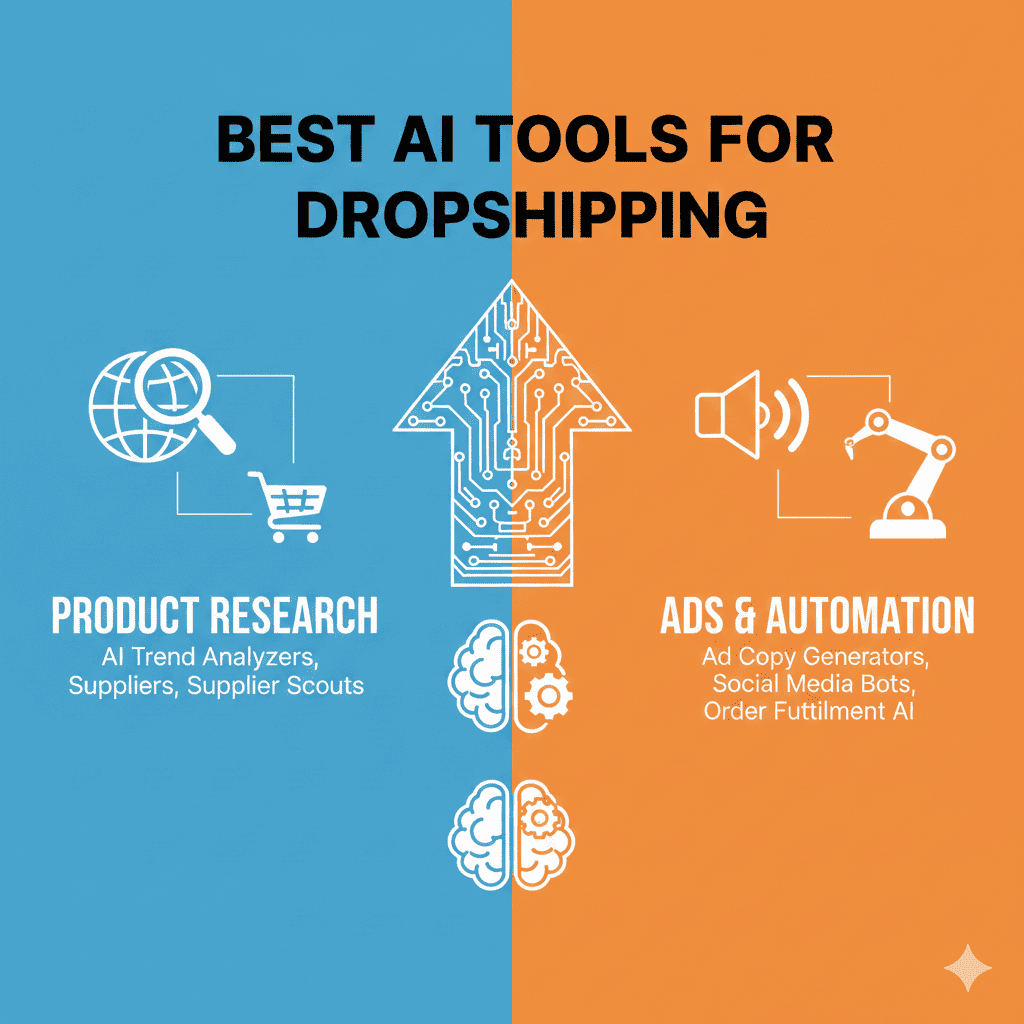
The dropshipping industry has evolved from a manual, time-intensive operation into a sophisticated ecosystem powered by artificial intelligence. Entrepreneurs who leverage the right AI Tools for Dropshipping gain substantial competitive advantages, streamlining operations that once required teams into automated systems manageable by individuals. This comprehensive guide explores the most effective AI-powered solutions across product research, advertising optimization, and business automation.
1. The Transformation of Dropshipping Through AI Technology
Modern dropshipping success depends less on luck and more on intelligent tool selection. The right AI Tools for Dropshipping transform guesswork into data-driven decisions, dramatically improving success rates while reducing the time investment required to build profitable stores.
The Traditional Dropshipping Struggle
Early dropshipping entrepreneurs spent weeks researching products manually, scrolling through supplier catalogs and hoping to identify winners. Ad campaigns required constant monitoring and adjustment, consuming hours daily. Customer service demands grew proportionally with sales, creating operational bottlenecks. Inventory management, supplier coordination, and performance tracking all demanded significant manual effort.
The AI-Powered Solution
Artificial intelligence automates repetitive tasks while providing insights impossible to generate manually. Machine learning algorithms analyze millions of products across platforms, identifying emerging trends before markets saturate. Predictive analytics forecast demand patterns, preventing stockouts and overordering. Natural language processing handles customer inquiries automatically, providing instant responses while learning from each interaction.
Why Tool Selection Matters
Not all AI tools deliver equal value. Some offer surface-level automation that barely improves efficiency, while others provide transformative capabilities that fundamentally change business operations. Understanding which tools address your specific bottlenecks and growth objectives determines whether AI investment generates positive returns or drains resources without corresponding benefits.
2. AI-Powered Product Research Tools
Product selection determines dropshipping success more than any other factor. The best AI Tools for Dropshipping in the research category identify winning products before competition intensifies and profit margins compress.
Trend Analysis Platforms
Advanced AI platforms monitor social media, search engines, e-commerce marketplaces, and news sources simultaneously, detecting emerging trends through subtle signal patterns. These systems identify products gaining momentum before they reach mainstream awareness, providing early-mover advantages.
Sell The Trend uses machine learning to analyze product performance across multiple marketplaces, tracking sales velocity, engagement metrics, and advertising saturation. The platform’s AI assigns trend scores based on growth trajectories, competition levels, and profit potential. Users receive alerts when products enter optimal promotion windows before markets become oversaturated.
Ecomhunt employs computer vision and natural language processing to evaluate product listings across platforms. The AI assesses visual appeal, description effectiveness, and customer review sentiment. Products scoring highly across multiple dimensions receive featured placement, helping entrepreneurs identify offerings with proven market validation.
Competitor Intelligence Systems
Understanding competitor strategies without manual stalking requires sophisticated AI analysis. Tools like Adspy and PowerAdSpy use machine learning to monitor advertising campaigns across Facebook, Instagram, TikTok, and other platforms. These systems catalog ad creatives, targeting approaches, engagement levels, and campaign longevity.
The AI identifies patterns in successful campaigns: which product types generate the most engagement, what creative styles resonate with different demographics, and how top performers structure their advertising funnels. This intelligence allows you to adopt proven strategies while avoiding approaches that consistently underperform.
BigSpy takes competitor analysis further by tracking advertising history over time. The AI reveals which campaigns advertisers sustained for months versus those they quickly abandoned. Sustained campaigns typically indicate profitability, making them worthy of deeper investigation and potential replication.
Market Demand Forecasting
Google Trends provides basic demand insights, but AI-enhanced tools like Jungle Scout and Helium 10 offer sophisticated forecasting capabilities. These platforms analyze historical sales data, seasonal patterns, search volume trajectories, and external factors affecting demand.
The AI predicts not just whether demand exists, but when it will peak and how long sustainability lasts. This temporal intelligence helps you time product launches perfectly, maximizing revenue during high-demand periods while avoiding inventory after demand declines.
3. Intelligent Supplier Management Solutions
Supplier relationships make or break operational efficiency. The right AI Tools for Dropshipping optimize supplier selection, communication, and performance monitoring.
Automated Supplier Discovery
Platforms like Spocket and Oberlo now incorporate AI algorithms that match your business requirements with optimal suppliers. The systems analyze factors including product quality ratings, shipping speeds, return rates, communication responsiveness, and pricing competitiveness.
Rather than manually vetting dozens of suppliers, AI presents pre-qualified options ranked by suitability for your specific needs. The technology continuously updates rankings as new performance data accumulates, ensuring recommendations remain current.
Quality Control Automation
Maintaining product quality without physical inspection traditionally required blind faith in suppliers. AI-powered quality control systems now analyze customer feedback, return rates, and review sentiment to identify quality issues before they escalate.
Tools like Easyship employ natural language processing to scan customer communications for quality complaints. When patterns emerge indicating systemic issues, the system alerts you immediately, allowing supplier communication before problems affect your brand reputation permanently.
Shipping Optimization Intelligence
AI analyzes historical shipping data to identify the fastest, most reliable, and most cost-effective shipping options for different destinations. The technology accounts for carrier performance variations across regions, seasonal delays, and cost fluctuations.
ShipStation’s AI features automatically select optimal carriers based on destination, package dimensions, delivery urgency, and cost constraints. This intelligent routing reduces shipping costs while improving delivery times, directly impacting customer satisfaction and repeat purchase rates.
4. Advanced Advertising Optimization Tools
Advertising efficiency determines profitability in competitive dropshipping markets. AI Tools for Dropshipping focused on advertising deliver the highest immediate ROI by reducing wasted ad spend while improving conversion rates.
Automated Ad Creation Platforms
Creating effective ad creatives traditionally required design skills, copywriting expertise, and extensive testing. AI platforms now generate professional advertisements from product information alone.
Pencil uses machine learning trained on millions of successful ads to create variations optimized for different platforms and audiences. The AI generates multiple headline options, selects complementary images from product photos, and writes persuasive descriptions incorporating proven copywriting principles.
AdCreative.ai takes this further by predicting ad performance before launch. The platform’s computer vision algorithms evaluate visual composition, color psychology, and attention-grabbing elements. Natural language processing assesses copy effectiveness, readability, and emotional resonance. Predicted performance scores help you launch with the strongest creatives rather than discovering winners through expensive testing.
Dynamic Budget Allocation Systems
Manual budget management across multiple campaigns, ad sets, and individual ads becomes impossible at scale. AI tools like Revealbot and Madgicx continuously monitor performance metrics, automatically shifting budget toward high-performing elements while reducing spend on underperformers.
These systems make thousands of micro-adjustments daily based on real-time data. When a campaign’s cost per acquisition rises above target thresholds, the AI reduces budget allocation before significant waste occurs. When opportunities emerge where conversions cost less than expected, the system capitalizes quickly without requiring manual approval.
Audience Targeting Enhancement
Facebook’s Advantage+ and Google’s Smart Bidding represent native AI solutions, but third-party tools offer enhanced capabilities. Madgicx’s Audience Studio uses machine learning to analyze your customer data, identifying hidden segments that convert at above-average rates.
The AI discovers non-obvious correlations: perhaps customers who engage with your content on weekday mornings convert at twice the rate of weekend evening visitors. These insights inform targeting strategies impossible to develop through manual analysis.
Creative Testing Automation
Splitly and other AI-powered testing platforms run continuous multivariate tests, evaluating countless creative combinations simultaneously. Rather than testing one variable at a time over weeks, AI identifies winning combinations of headlines, images, descriptions, and calls-to-action in days.
The technology employs statistical significance algorithms to determine when test results are reliable, preventing premature conclusions from small sample sizes. Winning variations automatically receive increased budget allocation, ensuring optimal resource utilization without manual intervention.
5. Conversion Rate Optimization Solutions
Driving traffic without converting visitors wastes advertising investment. AI Tools for Dropshipping focused on conversion optimization ensure maximum return from every site visitor.
Intelligent Landing Page Builders
Platforms like Unbounce and Instapage now incorporate AI features that optimize landing pages for conversions. The technology analyzes visitor behavior through heat mapping, session recordings, and engagement metrics, identifying friction points that prevent conversions.
AI automatically tests layout variations, adjusting element positions, sizing, and prominence based on performance data. The systems identify which product images generate the most interest, what copy length works best for different traffic sources, and how call-to-action button placement affects conversion rates.
Personalization Engines
One-size-fits-all experiences underperform compared to personalized presentations tailored to individual visitor characteristics. Dynamic Yield and Optimizely use AI to deliver customized experiences based on traffic source, browsing behavior, geographic location, device type, and dozens of other variables.
Someone arriving from a Facebook ad sees content reinforcing the messaging that attracted their initial click. Returning visitors encounter product recommendations based on previous browsing history. Mobile users receive streamlined experiences optimized for smaller screens and touch navigation.
Chatbot Customer Support
Tidio, Drift, and other AI-powered chatbots handle customer inquiries automatically, providing instant responses to common questions about shipping times, product specifications, and order status. The bots use natural language processing to understand questions phrased in countless ways, delivering accurate responses without requiring exact keyword matches.
Advanced chatbots learn from each interaction, continuously improving response accuracy and expanding their knowledge bases. When questions exceed the bot’s capabilities, seamless handoffs to human agents ensure customers receive help without frustrating delays.
Cart Abandonment Recovery
AI systems like Klaviyo’s Smart Sending detect abandonment patterns and trigger personalized recovery sequences. The technology analyzes historical data to determine optimal follow-up timing, messaging, and incentive offers for different customer segments.
Rather than sending generic abandoned cart emails to everyone, AI personalizes approaches based on abandonment reasons. Price-sensitive customers might receive limited-time discounts, while those who abandoned due to shipping costs see free shipping offers. Timing optimization ensures messages arrive when individual customers are most likely to convert.
6. Inventory and Order Management Automation
Operational efficiency directly impacts profitability. The right AI Tools for Dropshipping streamline backend processes, reducing manual workload while improving accuracy.
Demand Forecasting Systems
Inventory.ai and similar platforms use machine learning to predict product demand based on historical sales, seasonal patterns, advertising activity, and external factors like weather or cultural events. Accurate forecasting prevents stockouts during high-demand periods while avoiding excess inventory carrying costs.
The AI adjusts forecasts dynamically as new data arrives. If a viral social media post suddenly increases demand, the system detects the spike immediately and recommends inventory adjustments before you run out of stock.
Automated Order Processing
Tools like Dropified and DSers connect your store with suppliers, automatically forwarding orders and tracking fulfillment. The AI handles supplier communication, monitoring order status and updating customers without manual intervention.
When issues arise such as out-of-stock situations or shipping delays, the systems notify you immediately while automatically communicating with affected customers. This proactive approach prevents negative reviews stemming from poor communication.
Multi-Channel Inventory Synchronization
Selling across multiple platforms creates inventory management complexity. Sellbrite and similar solutions use AI to synchronize inventory across channels in real-time. When a product sells on Amazon, the system immediately updates availability on your Shopify store, eBay listings, and other sales channels.
This synchronization prevents overselling situations where you accept orders for products no longer available, avoiding cancellations and customer dissatisfaction that damage seller ratings.
7. Email Marketing Automation with AI
Email remains one of the highest-ROI marketing channels. AI Tools for Dropshipping enhance email effectiveness through intelligent segmentation, timing optimization, and content personalization.
Predictive Send Time Optimization
Platforms like Klaviyo and Omnisend use machine learning to determine when individual subscribers are most likely to engage with emails. Rather than sending to everyone simultaneously, AI schedules delivery based on each recipient’s historical engagement patterns.
Someone who typically opens emails during morning commutes receives your message at 8 AM, while evening browsers get delivery at 7 PM. This personalized timing significantly improves open rates and click-through rates compared to one-size-fits-all scheduling.
Dynamic Content Generation
AI creates personalized email content based on recipient characteristics and behaviors. Product recommendations reflect individual browsing and purchase histories. Subject lines adapt based on what historically generated opens from similar subscribers. Even email body copy adjusts tone and length based on engagement patterns.
This level of personalization converts passive email recipients into active shoppers by ensuring every message contains relevance to the individual reader.
List Segmentation Intelligence
Manual segmentation typically divides lists by basic criteria like purchase history or signup source. AI identifies complex segments based on dozens of behavioral signals: browsing patterns, engagement frequency, price sensitivity, product preferences, and response to different messaging styles.
These sophisticated segments allow hyper-targeted campaigns that dramatically outperform broad sends. A segment of price-sensitive customers who prefer minimalist product photography receives completely different messaging than fashion-forward buyers willing to pay premium prices.
Churn Prediction and Prevention
AI analyzes engagement patterns to identify subscribers likely to disengage before they do. Declining open rates, reduced click activity, and lengthening gaps between interactions signal potential churn.
The systems automatically trigger re-engagement campaigns targeting at-risk subscribers with special offers, surveys requesting feedback, or content specifically designed to recapture interest. This proactive approach retains customers who would otherwise drift away silently.
8. Social Media Management and Automation
Social presence drives brand awareness and traffic. AI Tools for Dropshipping streamline social media management while optimizing content performance.
Content Scheduling Optimization
Tools like Hootsuite and Buffer now incorporate AI that determines optimal posting times for maximum engagement. The technology analyzes when your specific audience is most active and receptive, scheduling content for peak visibility windows.
The AI also recommends posting frequency based on platform algorithms and audience preferences. Some audiences prefer daily updates while others engage better with less frequent, higher-quality posts. The system adapts recommendations as engagement patterns evolve.
Hashtag Research and Optimization
AI platforms analyze hashtag performance across platforms, identifying tags that drive meaningful engagement versus those that generate empty impressions. The technology considers competition levels, ensuring recommended hashtags provide visibility without drowning in overcrowded conversations.
Systems like Flick use machine learning to suggest hashtag combinations optimized for different content types and campaign objectives. Awareness campaigns receive different hashtag strategies than conversion-focused posts.
Engagement Automation
While genuine interaction remains important, AI handles routine engagement tasks like liking relevant posts, following potential customers, and responding to common comments or messages. This automated activity increases visibility while freeing time for strategic tasks.
Advanced systems use natural language processing to craft personalized responses to comments and direct messages, maintaining authentic tone while handling volume impossible for manual management.
Performance Analytics
AI analyzes social media performance across platforms, identifying which content types, formats, and topics generate the best results. The technology moves beyond basic metrics like likes and shares to evaluate meaningful outcomes: website traffic, conversions, and revenue attribution.
These insights inform content strategy, ensuring effort focuses on activities delivering actual business results rather than vanity metrics.
9. Financial Management and Analytics
Understanding business performance requires sophisticated analytics. AI Tools for Dropshipping transform raw data into actionable insights.
Automated Bookkeeping
Platforms like QuickBooks and Xero integrate AI features that automatically categorize transactions, match receipts to expenses, and identify potential errors or fraud. This automation reduces bookkeeping time from hours to minutes while improving accuracy.
The AI learns from corrections, continuously improving categorization accuracy. Over time, manual intervention becomes rarely necessary as the system masters your specific business patterns.
Profit Margin Analysis
AI tools calculate true profitability accounting for all costs: product expenses, shipping, platform fees, advertising spend, refunds, and operational overhead. The technology identifies which products, campaigns, and customer segments generate genuine profits versus those creating the illusion of success through revenue without corresponding profit.
This granular analysis informs strategic decisions about where to invest resources for maximum return. Products with high revenue but low margins might require pricing adjustments or elimination in favor of more profitable alternatives.
Cash Flow Forecasting
Machine learning models predict future cash flow based on sales trends, seasonal patterns, outstanding receivables, and planned expenses. Accurate forecasting prevents cash shortages that could disrupt operations or prevent capitalizing on growth opportunities.
The AI alerts you to potential cash crunches weeks in advance, allowing time to arrange financing or adjust spending before problems arise.
ROI Attribution Modeling
Understanding which marketing activities drive results enables intelligent budget allocation. AI attribution models assign credit across multiple touchpoints in complex customer journeys, revealing the true effectiveness of each channel and campaign.
Rather than oversimplifying attribution to last-click models, sophisticated AI recognizes that awareness campaigns, remarketing efforts, and email nurturing all contribute to conversions. This comprehensive view ensures you don’t cut effective campaigns that contribute indirectly.
10. Implementing AI Tools Successfully
Having identified powerful tools, successful implementation requires strategic approaches that maximize value while avoiding common pitfalls.
Start with Core Bottlenecks
Rather than implementing numerous tools simultaneously, identify your most significant operational bottlenecks. If product research consumes excessive time, start with AI-powered trend analysis tools. If advertising costs drain profitability, prioritize ad optimization platforms.
This focused approach allows thorough tool mastery while delivering immediate relief to the most painful aspects of your operation. Success with initial implementations builds confidence and provides capital for expanding AI adoption across other business areas.
Ensure Proper Integration
AI tools require quality data to function effectively. Verify that tracking pixels, analytics implementations, and platform integrations work correctly before expecting optimal results. Incomplete data feeds limit AI capabilities, potentially leading to misguided conclusions about tool effectiveness.
Most modern tools offer straightforward integration with major e-commerce platforms. Follow setup instructions carefully and verify data flow before relying on AI recommendations for critical decisions.
Maintain Human Oversight
AI excels at optimization and pattern recognition but requires human judgment for strategy and creativity. Review AI recommendations before implementing major changes. Monitor performance regularly to ensure systems operate as intended.
Use AI insights to inform decisions while maintaining final authority over business direction. The technology should enhance human capabilities, not replace critical thinking and strategic vision.
Measure Impact Quantitatively
Track specific metrics before and after AI implementation to quantify value delivered. Compare cost per acquisition, conversion rates, time spent on manual tasks, and overall profitability pre and post-implementation.
This data-driven evaluation identifies which tools deliver substantial value worth continued investment versus those providing marginal benefits not justifying their costs.
Commit to Learning Periods
AI systems improve over time as they accumulate data and learn from results. Initial performance may not reflect full potential. Give tools adequate time to optimize before judging effectiveness, typically thirty to ninety days depending on traffic volume.
Premature abandonment of tools that require learning periods wastes investment and prevents realizing the substantial long-term benefits AI delivers once systems fully optimize.
Conclusion: Building a Competitive Advantage Through AI
The dropshipping landscape grows increasingly sophisticated as entrepreneurs adopt technology that transforms operational efficiency. Those who strategically implement AI Tools for Dropshipping gain compounding advantages over competitors relying on manual processes.
The right tools identify winning products before markets saturate, optimize advertising for maximum efficiency, personalize customer experiences at scale, and automate operations that once required significant time investment. These capabilities don’t just improve margins incrementally; they fundamentally transform business models from labor-intensive operations into scalable, automated ventures.
Success requires thoughtful tool selection aligned with specific business needs, proper implementation ensuring AI systems receive quality data, and ongoing optimization based on performance metrics. The businesses that master this integration will dominate their niches, while those clinging to traditional approaches face diminishing returns in increasingly competitive markets.
The question is not whether to adopt AI Tools for Dropshipping, but which tools to implement first and how quickly you can leverage their capabilities. The competitive advantages available to early adopters are substantial and growing. Your future success depends on the decisions you make today about embracing these transformative technologies.
Also read this:
How AI Dropshipping Cuts Ad Costs by 40% & Boosts ROI Fast
AI Hardware Benchmarks 2025: Fastest Chips, GPUs & Cloud Platforms Ranked
How AI Is Transforming Healthcare in 2025: Diagnostics, Treatment & Patient Care Innovations