
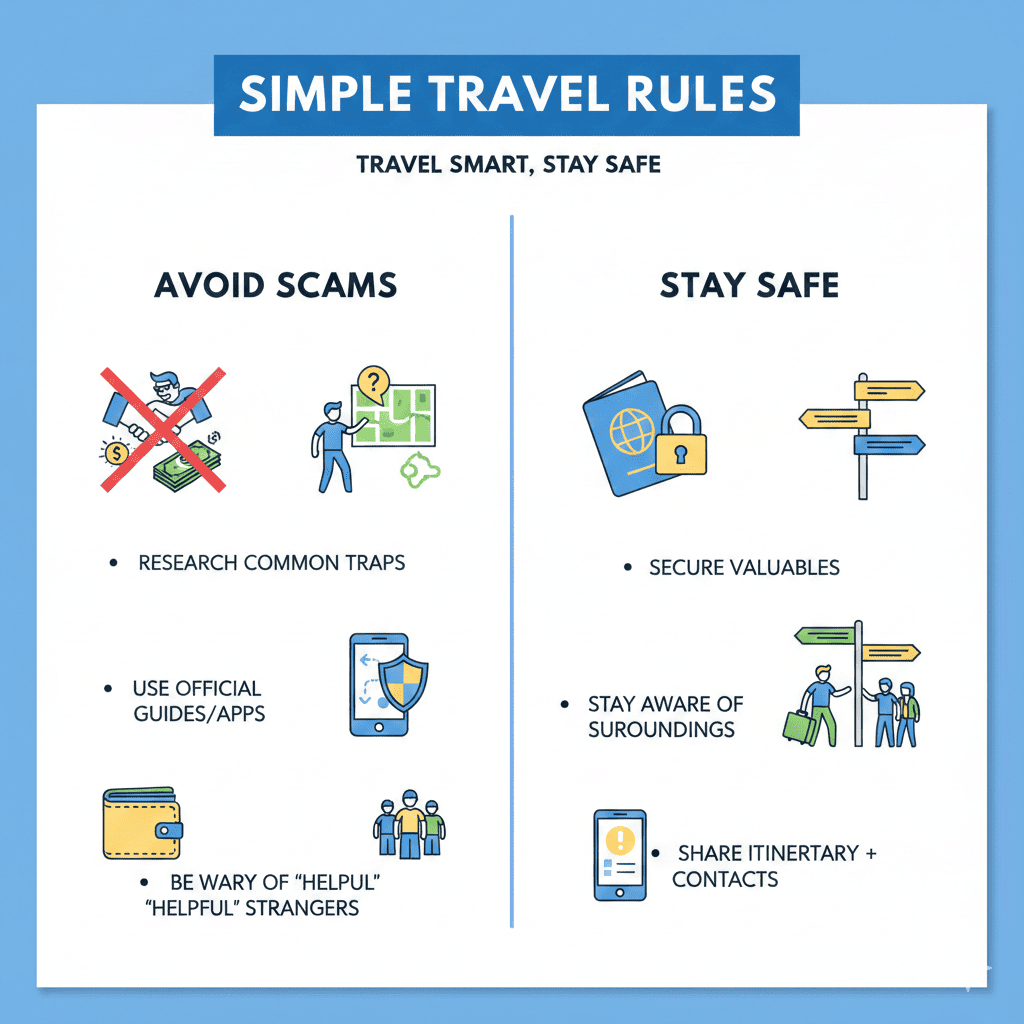
International travel opens doors to extraordinary experiences, cultural discoveries, and life-changing adventures that expand perspectives and create lasting memories. However, tourists navigating unfamiliar territories often become targets for scammers who exploit lack of local knowledge, language barriers, and the vulnerabilities that come with being strangers in foreign places. The financial and emotional toll of falling victim to scams can transform dream vacations into nightmares, leaving travelers with drained bank accounts, stolen documents, and shattered confidence. Fortunately, most tourist scams follow predictable patterns that informed travelers can easily recognize and avoid. This comprehensive guide equips you with essential knowledge and practical strategies to avoid tourist scams while traveling abroad, ensuring your international adventures remain safe, enjoyable, and memorable for the right reasons.
1. Understanding Common Tourist Scam Categories
Awareness of prevalent scam types forms your first line of defense against fraudulent schemes. Scammers constantly refine their approaches, but fundamental strategies remain remarkably consistent across destinations worldwide. Recognizing these patterns allows you to identify suspicious situations before they escalate.
Distraction and Pickpocketing Schemes
Distraction scams rank among the most common tactics employed against tourists in crowded areas. These schemes typically involve teams working together, with one or more accomplices creating diversions while another steals valuables. The distractions range from staged arguments and spilled drinks to people asking for directions while holding maps that obscure their partner’s theft.
The “helpful” stranger scenario unfolds when someone points out something supposedly wrong with your clothing, like bird droppings on your shoulder or a stain on your back. While you’re distracted examining the alleged problem, their accomplice steals from your bag or pockets. Similarly, someone might drop coins or items near you, and as you politely help retrieve them, your belongings disappear.
Child beggars or groups of children sometimes surround tourists, creating chaos while small hands reach into pockets and bags. The emotional manipulation of seeing children in apparent need makes many travelers hesitate to push them away firmly, creating extended opportunities for theft. In some locations, adults control these children and collect stolen items later.
Public transportation represents prime territory for distraction theft. Crowded buses, trains, and metro stations provide cover for pickpockets who strike during boarding, when travelers focus on tickets or finding seats. The crush of bodies makes it difficult to identify who might be reaching into bags or pockets, and thieves exit quickly at the next stop.
Taxi and Transportation Frauds
Transportation scams exploit tourists’ unfamiliarity with local geography, fair prices, and legitimate service providers. Unofficial taxis operating at airports and tourist areas frequently lack meters or claim meters are broken, then charge exorbitant fares. These drivers may take deliberately long routes, dramatically inflating costs while making the journey seem necessary due to traffic or road conditions.
The meter tampering scam involves taxis with manipulated meters that run faster than normal, showing inflated fares for standard journeys. Drivers might also claim they have no change for large bills, forcing you to forfeit significant amounts or wait while they disappear with your money, supposedly to get change.
Fake ride-sharing vehicles displaying Uber or local service stickers prey on travelers expecting legitimate rides. These imposters position themselves near popular pickup spots and claim to be your requested driver, then charge cash far exceeding what the app would cost. Always verify vehicle details, license plates, and driver information matches your app before entering.
Some drivers insist your chosen hotel has closed, received terrible reviews, or is in a dangerous area, then offer to take you to a “better” alternative where they receive commissions. This scam not only wastes your time but often lands you in inferior accommodations charging premium prices.
Accommodation and Booking Deceptions
Hotel-related scams begin before you even arrive. Fraudulent booking websites mimic legitimate platforms, collecting payment for nonexistent properties or reservations. These fake sites often appear high in search results and look professionally designed, making them difficult to distinguish from authentic services.
The bait-and-switch technique involves showing beautiful photos of premium rooms, then claiming those rooms are unavailable upon arrival and offering inferior alternatives at the same price. Some establishments add hidden fees not mentioned during booking, dramatically increasing total costs beyond advertised rates.
Fake hotel calls or representatives contact tourists claiming problems with reservations require immediate credit card verification. These scammers obtain booking information from data breaches or by monitoring hotel parking lots and target rooms with rental cars, calling room phones claiming to be front desk staff needing payment information.
Rental scams for apartments or vacation homes collect deposits or full payments for properties the scammer doesn’t own or control. Victims arrive to find legitimate occupants already living there or discover the property doesn’t exist at the listed address.
Overcharging and Price Manipulation
Restaurant and shop scams target tourists through various overcharging methods. Some establishments present menus without prices, then charge whatever they think tourists will pay. Others use different menus for locals and tourists, with dramatically higher prices on the tourist versions.
The calculator trick involves shop owners or service providers appearing to use calculators to determine prices but actually showing pre-programmed inflated amounts. When tourists glance at the calculator, they see what appears to be a calculation but is actually a scam.
Currency confusion allows scammers to short-change tourists unfamiliar with local money. They might return incorrect change, counting quickly and confusingly to prevent verification. Some exchange services offer attractive rates but use sleight of hand to remove bills while counting, or employ distracting conversation during transactions.
ATM skimmers and hidden cameras capture card information and PINs, allowing criminals to create duplicate cards and drain accounts. These devices attach to legitimate ATMs and can be extremely difficult to detect without careful inspection.
2. Implementing Pre-Trip Safety Preparations
Successfully learning how to avoid tourist scams while traveling abroad begins long before departure. Thorough preparation creates strong foundations for safe travel, establishing protective measures that prevent many scams from succeeding even when attempted.
Researching Destination-Specific Scams
Each destination features unique scam variations tailored to local circumstances, tourist behaviors, and regulatory environments. Invest time reading recent trip reports, travel forums, and government travel advisories specific to your destinations. Websites like TripAdvisor, Reddit’s travel communities, and destination-specific Facebook groups contain firsthand accounts of scams travelers encountered.
Government resources including the U.S. State Department’s travel advisories, UK Foreign Office guidance, and similar agencies from other countries provide authoritative information about safety concerns, common crimes, and areas to avoid. These sources update regularly and reflect current conditions rather than outdated guidebook information.
Travel blogs focusing on budget travel and solo travel often discuss scams in detail since these travelers interact more with local services and spend more time navigating destinations independently. YouTube channels dedicated to travel safety demonstrate common scam techniques, helping you recognize suspicious situations through visual examples.
Securing Financial Resources Properly
Financial preparation prevents scams from accessing all your funds simultaneously while ensuring backup resources if theft occurs. Never carry all money and cards together in one location. Distribute cash across multiple secure locations including hotel safes, hidden money belts, and daily wallets containing only amounts needed for immediate expenses.
Notify your bank and credit card companies about travel dates and destinations before departure. This prevents legitimate transactions from triggering fraud alerts while ensuring the bank monitors for actual suspicious activity. Record customer service numbers for all financial institutions, storing them separately from cards themselves.
Set up travel alerts on your accounts to receive notifications for every transaction. Immediate awareness of unauthorized charges allows you to report fraud quickly, potentially stopping additional charges before they process. Consider setting spending limits on cards used abroad, creating additional protection against large fraudulent charges.
Carry backup payment methods from different institutions. If one card is compromised or blocked, alternatives ensure you’re not stranded without funds. Keep small amounts of U.S. dollars or Euros as universal emergency backup, since these currencies exchange easily worldwide.
Protecting Personal Documents and Information
Your passport represents your most critical document while traveling internationally. Photocopy the information page and store copies separately from your actual passport. Email copies to yourself and trusted contacts at home who can provide information if documents are lost or stolen. Many travelers also photograph important documents with smartphones, storing images in secure cloud services accessible from anywhere.
Register with your embassy or consulate through programs like the U.S. Smart Traveler Enrollment Program. These free services enable embassies to contact you during emergencies and provide consular assistance more quickly if needed. Record embassy contact information and addresses before traveling, storing this data offline since you might need it without internet access.
Use hotel safes for passports and valuables when exploring cities, carrying only photocopies unless specifically needed for transactions. Some countries require foreigners to carry identification, so verify local requirements and carry minimal documentation accordingly.
3. Practicing Essential Street Awareness Techniques
Once abroad, maintaining constant situational awareness helps you avoid tourist scams while traveling abroad by recognizing suspicious behavior before situations escalate. These street-smart practices become second nature with practice, enhancing safety without diminishing travel enjoyment.
Reading Environmental and Social Cues
Develop heightened awareness of surroundings, regularly scanning areas for unusual behavior or situations. Notice who’s nearby, whether anyone follows you across multiple turns or stops, and whether people seem overly interested in your activities. Trust instincts when something feels wrong, even if you can’t articulate specific reasons for discomfort.
Observe local behavior patterns to blend in better and identify abnormal situations. Notice how locals carry bags, use phones, interact with strangers, and navigate streets. Dramatic departures from these norms often signal tourists who become easy targets.
Identify escape routes and safe locations wherever you go. Note police stations, hotel locations, and busy areas where you could seek help if needed. This habit provides confidence and actual safety should situations become threatening.
Pay attention to your visibility as a tourist. Obvious tourist markers like guidebooks held openly, expensive cameras around necks, constant map checking, and confused expressions broadcast vulnerability. Use phones to navigate discreetly, research directions before leaving accommodation, and project confidence even when uncertain.
Managing Interactions with Strangers
Approach unsolicited interactions with healthy skepticism. While many locals genuinely want to help tourists or practice English, scammers initiate conversations using similar friendly approaches. Overly helpful strangers who insist on guiding you to specific shops, restaurants, or services likely receive commissions or actively participate in scams.
Refuse unexpected gifts, flowers, bracelets, or items pressed into your hands. Scammers use these items to create false obligations, then aggressively demand payment. If someone puts something in your hand despite refusals, place it down immediately and walk away without negotiation.
Maintain firm boundaries when declining offers or requests. Say no clearly and keep walking rather than stopping to explain or debate. Prolonged engagement provides opportunities for distraction theft or pressure tactics. Appearing decisive and confident discourages scammers from investing effort since easier targets exist nearby.
Avoid sharing detailed travel plans, accommodation information, or schedule specifics with strangers. This information can enable more sophisticated scams or thefts when scammers know you’ll be away from hotels at specific times.
Protecting Belongings in Public Spaces
Never leave belongings unattended anywhere, including cafes, beaches, or tour buses. Thieves monitor for moments of inattention and strike within seconds. If traveling with companions, designate someone to watch belongings whenever others step away.
Wear bags across your body rather than hanging from one shoulder, keeping them in front in crowded areas where you can monitor them visually and physically. Choose bags with sturdy zippers and consider small locks for zipper pulls, creating obstacles that make theft more difficult and time-consuming.
Avoid placing phones, wallets, or valuable items in easy-access locations like back pockets, open purse tops, or loose jacket pockets. Thieves target these locations precisely because items remain easily accessible. Interior jacket pockets, front pants pockets with buttons, or secured bag compartments provide better security.
Use hotel safes for passports, extra cash, spare credit cards, and valuable items you don’t need daily. Many thefts occur from hotel rooms, whether by staff or thieves who gain access. While not perfectly secure, hotel safes provide better protection than leaving valuables in luggage or drawers.
4. Navigating Transportation Safely and Economically
Transportation represents a vulnerable time when travelers deal with unfamiliar systems while managing luggage and navigating new environments. These circumstances create numerous scam opportunities that vigilant travelers can recognize and avoid.
Securing Legitimate Taxi Services
Always use official taxi stands at airports and train stations rather than accepting rides from people approaching you inside terminals. Official stands may involve short waits but connect you with regulated services less likely to employ scam tactics. Many airports now use automated queue systems that prevent drivers from selecting specific passengers to target.
Use ride-sharing apps like Uber, Lyft, or local equivalents whenever available. These services provide fare estimates before trips begin, track routes, and process payments automatically, eliminating opportunities for many common taxi scams. The driver rating systems create accountability and encourage professional behavior.
When using traditional taxis, insist drivers use meters if required by local law. If drivers claim meters are broken or refuse to use them, exit immediately and find another taxi. Negotiate fares before entering taxis in locations where meters aren’t standard, and research typical costs beforehand using hotel staff or online resources.
Verify you have small bills appropriate for likely fares. Some drivers legitimately lack change, while others exploit this situation intentionally. Having correct payment prevents arguments and eliminates opportunities for short-changing scams.
Using Public Transportation Confidently
Research public transportation systems before traveling, familiarizing yourself with maps, payment methods, and basic routes. This preparation prevents confusion that makes tourists vulnerable to scams and allows you to recognize when directions or assistance offered by strangers seems incorrect or suspicious.
Purchase transit cards or tickets from official sources including station kiosks, official apps, or authorized retailers. Street vendors occasionally sell counterfeit or already-used tickets that won’t work, leaving you subject to fines. Official channels ensure valid tickets and proper prices.
Remain vigilant on crowded public transportation where pickpockets operate most effectively. Keep bags secured in front of you, avoid displaying valuables, and stay alert during boarding and exiting when crowds create cover for theft. Be particularly careful when others crowd closer than necessary or create unusual contact.
Learn to recognize official uniforms and identification for transit employees. Some scammers pose as inspectors or officials, demanding on-the-spot fines for supposed violations. Legitimate officials should have proper identification and usually issue formal citations rather than collecting cash immediately.
Renting Vehicles Safely
Book rental cars through reputable international companies rather than unknown local operators. Major companies provide standardized contracts, insurance options, and customer service channels for resolving disputes. Research the company’s reputation through recent reviews before committing.
Thoroughly inspect vehicles before accepting them, photographing any existing damage from multiple angles. Ensure rental agents note all damage on your contract to prevent disputes when returning vehicles. Some scammers falsely claim renters caused pre-existing damage, charging excessive repair fees.
Understand insurance coverage completely before declining or accepting additional coverage. Credit cards often provide rental car insurance, but coverage terms vary and may exclude certain vehicle types or regions. Verify what your card covers before traveling and ensure you meet all requirements for coverage to apply.
Research local driving laws, traffic patterns, and parking regulations specific to your destination. Ignorance of local rules makes tourists vulnerable to legitimate fines and police interactions that scammers might exploit by impersonating officers demanding immediate payment.
5. Managing Money and Financial Transactions Securely
Financial transactions present numerous opportunities for scams, requiring constant vigilance and adherence to safe practices. Understanding how to avoid tourist scams while traveling abroad in financial contexts protects you from both petty theft and sophisticated frauds.
Withdrawing Cash Safely
Use ATMs located inside bank branches whenever possible, as these machines receive better security monitoring and are less likely to have skimmers attached. Avoid standalone ATMs in isolated areas or those appearing damaged, loose, or modified with unusual components.
Before inserting your card, inspect the ATM carefully for anything that looks out of place. Card skimmers often attach over legitimate card readers, appearing as slightly raised or misaligned components. Check whether the card reader moves or feels loose, and look for hidden cameras pointed at the keypad.
Shield the keypad with your hand while entering your PIN, blocking any hidden cameras from capturing your code. This simple habit prevents most skimming scams from succeeding since criminals need both card data and PIN to access accounts.
Withdraw larger amounts less frequently to minimize ATM fees and reduce the number of transactions where problems could occur. However, avoid withdrawing more than you can secure properly or afford to lose if robbed.
Exchanging Currency Wisely
Research current exchange rates before traveling so you recognize when offered rates seem unrealistic or unfair. Extremely favorable rates often involve hidden fees, commission charges, or short-changing during counting. If an offer seems too good to be true, it probably involves some form of deception.
Use established currency exchange services located in banks or major hotels rather than street vendors or unofficial shops. While banks charge fees, they follow regulations and provide receipts documenting transactions. Street exchange scams range from simple overcharging to elaborate counting tricks that leave tourists with far less money than expected.
Avoid exchanging money at airports if possible, as airport exchange services typically offer the worst rates due to convenience premiums. If you need some local currency immediately upon arrival, exchange only small amounts at airports, then use ATMs or better exchange services in cities.
Count all money carefully before leaving exchange counters, verifying amounts match receipts. Don’t allow exchange agents to rush you or create distractions during counting. If amounts don’t match, refuse to accept the transaction and insist on accurate counts.
Making Purchases and Restaurant Payments
Always receive itemized receipts for purchases and restaurant meals, checking charges before paying. Some establishments add extra items, service charges, or tax amounts that weren’t discussed. Question any charges you don’t understand rather than paying first and regretting it later.
Verify prices before ordering in restaurants without clearly posted menus. Request menus with prices rather than accepting verbal quotes that might increase substantially when bills arrive. Be wary of “recommendations” for expensive items that didn’t have clear pricing.
Watch your credit card during payment processing. In restaurants and shops, cards should remain visible while being processed. Some scammers use handheld skimmers to copy card information before processing legitimate transactions. If staff take cards to back rooms or out of sight, insist on accompanying them or paying cash instead.
Avoid using credit cards at establishments that seem questionable or where you have concerns about security. Cash provides complete protection against card skimming and unauthorized charges, though it carries different risks if lost or stolen.
Recognizing Common Money Scams
The petition scam involves people asking tourists to sign petitions for seemingly worthy causes. While you’re distracted reading and signing, accomplices pick pockets or grab bags. Some versions demand “donations” after signatures are collected, creating uncomfortable pressure situations.
Gold ring scams occur when someone “finds” a gold ring near you, asks if it’s yours, then offers to sell it cheaply when you say no. These rings are worthless but appear valuable, and the friendly interaction makes tourists feel obligated to purchase them.
Friendship bracelet scammers tie bracelets on tourists’ wrists without permission, then aggressively demand payment. Once bracelets are tied, removing them feels awkward, and scammers use this to pressure payment. Refuse firmly and walk away immediately if someone approaches with string or bracelets.
Photo scams involve people in costumes offering to pose for pictures, then demanding large sums afterward. Street performers who pressure tourists into watching performances then aggressively demand payment operate similarly. Be clear about whether you want services before accepting them, and negotiate prices explicitly beforehand.
6. Ensuring Accommodation Security and Legitimacy
Where you stay significantly impacts overall safety during travels. Legitimate, secure accommodations provide safe bases for exploring destinations, while questionable properties create vulnerabilities that extend beyond the rooms themselves.
Booking Accommodations Safely
Use well-established booking platforms with strong reputations and customer protection policies. Websites like Booking.com, Hotels.com, Airbnb, and Expedia provide verification systems and dispute resolution processes that offer some protection against fraudulent properties.
Read recent reviews carefully, focusing on detailed accounts from verified guests rather than generic positive comments that could be fake. Look for patterns in complaints and pay attention to how properties respond to negative reviews. Professional, courteous responses to legitimate complaints suggest reputable management.
Verify properties exist through multiple sources before booking. Check locations on Google Maps using street view, examine photos critically for consistency, and search for the property name with terms like “scam” or “fraud” to find warning reports. Contact properties directly through official phone numbers found on their websites rather than only through booking platforms.
Be wary of deals that seem too good to be true, particularly for popular destinations during high season. Scammers lure victims with unrealistic prices, collect payments, then disappear. While genuine deals exist, extreme discounts warrant additional verification before booking.
Checking In Safely
Inspect rooms thoroughly upon arrival, noting any damage, missing items, or security concerns. Test locks on doors and windows, verify safes function properly if present, and check that phones work. Document issues immediately with front desk staff and request room changes if security concerns exist.
Avoid discussing room numbers in public areas where others might overhear. Some thieves monitor hotel lobbies, noting room numbers announced by staff or mentioned by guests, then target those rooms during times when guests are typically out.
Use all available security features including deadbolts, chain locks, and door bars. Place luggage or furniture against doors for additional security if room locks seem inadequate. Consider bringing portable door alarms or door stops designed to prevent entry.
Meet front desk staff and security personnel when checking in, establishing your presence and face. This recognition can help if issues arise and makes it harder for non-guests to impersonate you when attempting to access your room.
Maintaining Room Security During Your Stay
Never leave valuables visible in rooms, even when using door locks and room safes. Determined thieves can breach most hotel security, so minimize temptation by keeping expensive items out of sight. Consider leaving truly valuable items in safety deposit boxes at front desks rather than room safes.
Hang the “Do Not Disturb” sign even when out, creating the impression rooms are occupied. Some travelers leave televisions or radios playing quietly, adding to the illusion of presence. These simple measures deter opportunistic theft attempts.
Verify identity before opening doors to anyone claiming to be hotel staff. If you didn’t request services, call the front desk to confirm someone was sent before allowing entry. Legitimate staff won’t be offended by verification, while scammers often abandon attempts when challenged.
Keep windows and balcony doors locked when absent and consider closing curtains to prevent observation of room contents from outside. Ground floor and lower-level rooms carry higher risks, as do rooms accessible from exterior walkways or fire escapes.
7. Staying Safe During Tours and Activities
Tours and activities present unique vulnerability periods when attention focuses on experiences rather than security. Scammers exploit these circumstances through various schemes targeting distracted, excited tourists.
Selecting Legitimate Tour Operators
Book tours through established companies with verifiable reputations, physical offices, and professional websites. Research company reviews across multiple platforms, looking for recent feedback about actual tour quality and whether tours matched descriptions.
Avoid booking tours through touts on streets or people approaching you at tourist sites. These individuals often work for illegitimate operations or receive commissions that inflate prices significantly. While convenient, these bookings create risks including non-existent tours, dangerous conditions, or tours dramatically different from promises.
Verify what’s included in tour prices before committing. Some operators advertise attractive base prices then add multiple extra fees for entrance tickets, meals, equipment, or transportation. Request complete price breakdowns and get confirmations in writing.
Check whether tour operators carry proper insurance, licensing, and safety certifications for activities offered. Adventure activities like diving, zip-lining, or white-water rafting carry inherent risks that professional operators manage through safety equipment, training, and insurance. Unlicensed operators cut corners that could prove dangerous or fatal.
Protecting Yourself During Group Tours
Remain aware of belongings throughout tours despite focus on sites and activities. Group tours create opportunities for theft when bags are left on buses or everyone crowds to photograph famous sights. Designate one person to monitor bags during photo opportunities if traveling with companions.
Be cautious about sharing personal information with fellow tourists, at least initially. While most travelers are genuine, some scammers join tours specifically to identify and befriend targets for later scams. Exercise normal social caution until you feel confident about new acquaintances.
Follow tour guides’ safety instructions and warnings about areas, activities, or situations to avoid. Experienced guides understand local risks and can identify suspicious situations that tourists miss. Disregarding their advice increases vulnerability to scams and other dangers.
Verify tour buses and drivers match company descriptions before boarding. Some scammers operate fake versions of popular tours, collecting fees then providing inferior experiences or abandoning tourists mid-tour.
Handling Equipment Rentals and Activity Deposits
Inspect rental equipment carefully before accepting it, noting any damage or issues. Photograph equipment from multiple angles and ensure rental agents acknowledge pre-existing damage. Some operations falsely claim renters damaged equipment, demanding excessive fees for repairs or replacements.
Understand deposit policies completely, including refund processes and timelines. Some operations collect deposits with no intention of refunding them, creating reasons why deposits are forfeit. Use credit cards for deposits when possible, as they provide dispute mechanisms if legitimate refunds are refused.
Never leave passports as deposits regardless of how strongly operators insist. Passports are too valuable as identity documents to risk losing. Offer credit card holds or cash deposits instead, and find alternative rental companies if passport deposits are required.
Verify insurance coverage before engaging in adventure activities. Some credit cards and travel insurance policies exclude coverage for certain activities considered high-risk. If you’re not covered and accidents occur, costs could be catastrophic.
8. Responding Effectively If Scammed
Despite best precautions, even experienced travelers occasionally fall victim to scams. Quick, appropriate responses can minimize damage and potentially aid in recovery or prevention of similar scams affecting other travelers.
Taking Immediate Action After Scams
Report incidents to local police as soon as possible, obtaining official police reports. While police may not investigate actively, reports create documentation useful for insurance claims, credit card disputes, and embassy assistance. Some tourist police units in popular destinations handle reports more efficiently than regular police.
Contact your bank and credit card companies immediately if financial information was compromised. Freeze or cancel affected cards, dispute fraudulent charges, and monitor accounts closely for additional unauthorized activity. Quick reporting usually limits liability for fraudulent charges.
Notify your embassy or consulate if passports were stolen or if scams involved situations requiring official assistance. Embassies can expedite emergency passport replacements and provide guidance on handling situations with local authorities.
Document everything related to scams including dates, times, locations, descriptions of individuals involved, and financial losses. Take photographs if safe to do so. Detailed documentation supports police reports, insurance claims, and credit card disputes.
Seeking Recovery and Assistance
File claims with travel insurance companies if you purchased policies covering theft or fraud. Provide complete documentation and follow claim procedures precisely to maximize chances of reimbursement. Processing times vary, but legitimate policies eventually provide covered compensation.
Dispute credit card charges for fraudulent transactions or goods and services not received as promised. Credit card companies investigate disputes and often rule in favor of consumers, particularly when provided with supporting documentation. Act within required timeframes, typically 60 days of charges appearing.
Contact booking platforms if accommodation, tour, or service providers scammed you through those platforms. Reputable booking companies sometimes provide refunds or compensation when verified scams occur through their systems, protecting their own reputations and customer relationships.
Report scams to relevant tourism authorities, consumer protection agencies, and travel advisory websites. Your reports warn future travelers and could contribute to investigations or enforcement actions against scammers. TripAdvisor, government travel sites, and destination-specific forums welcome reports that protect other tourists.
Learning and Moving Forward
Analyze what happened objectively to identify where prevention could have occurred. Learning from experiences without excessive self-blame helps you avoid tourist scams while traveling abroad in the future. Most scams succeed because they’re designed cleverly, not because victims were foolish.
Share your experiences in travel forums, social media, and review sites to warn other travelers about specific scams and locations. Detailed accounts help others recognize and avoid similar situations. The travel community benefits when experienced travelers share both positive discoveries and cautionary tales.
Don’t allow scam experiences to ruin your entire trip or prevent future travel. While frustrating and upsetting, scams represent small incidents in broader travel experiences. Process the emotional impact, take reasonable precautions, and continue enjoying destinations rather than becoming paralyzed by fear or distrust.
Consider adjusting security practices based on lessons learned, but maintain balance between reasonable precautions and excessive paranoia that prevents you from engaging meaningfully with destinations and local people. Most interactions remain genuine, and most locals genuinely want to help tourists enjoy their countries.
Conclusion
Learning to avoid tourist scams while traveling abroad requires combining preparation, awareness, and appropriate skepticism without losing the openness that makes international travel rewarding. The strategies outlined throughout this guide provide comprehensive protection against common scams while maintaining the spontaneity and cultural engagement that define memorable travel experiences.
Remember that scammers target tourists precisely because travelers lack local knowledge and navigate unfamiliar environments. Your awareness of common scam patterns and commitment to basic safety practices dramatically reduces vulnerability. Trust your instincts when situations feel wrong, maintain appropriate boundaries with strangers, and verify information independently rather than relying solely on unsolicited advice or offers.
The vast majority of people you encounter while traveling have no intention of scamming you. Most locals take pride in their countries and genuinely want tourists to experience positive visits. By implementing the safety rules discussed here, you protect yourself from the small percentage who view tourists as opportunities for fraud while remaining open to authentic, enriching interactions with the many who don’t.
Safe, scam-free international travel results from informed decision-making, situational awareness, and appropriate precautions rather than luck or chance. As you avoid tourist scams while traveling abroad through educated vigilance, you free yourself to focus on what travel should be: transformative experiences that broaden perspectives, create lasting memories, and deepen understanding of our diverse, fascinating world. The confidence that comes from traveling safely and smartly enhances every aspect of international adventures, allowing you to explore boldly while remaining secure.
Also read this:
Plan a Perfect Honeymoon Trip Abroad: The Complete Guide to Romance on a Budget