
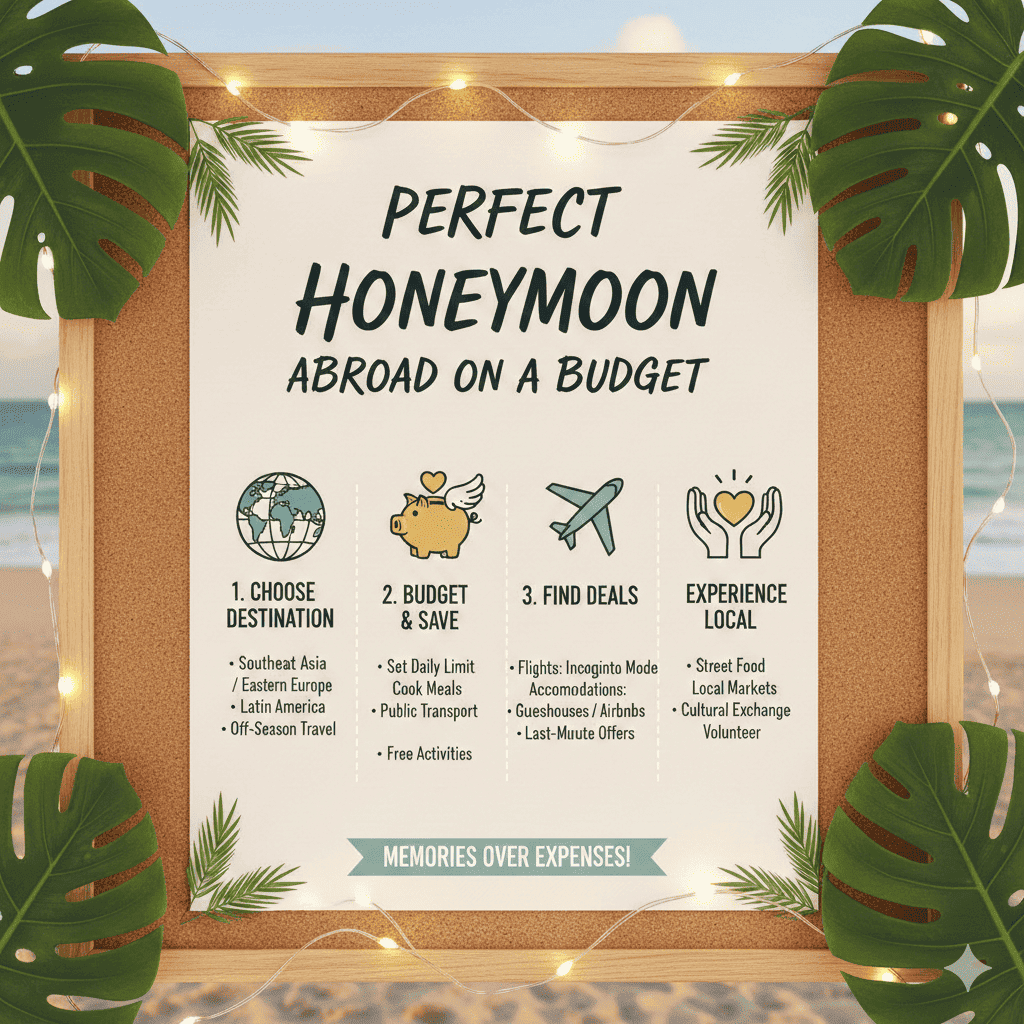
Your wedding day represents one of life’s most significant milestones, and the honeymoon that follows should be equally memorable. However, the prospect of planning an international romantic getaway often feels overwhelming, especially when trying to balance dream destinations with realistic budgets. The good news is that with strategic planning, insider knowledge, and creative approaches, you can absolutely plan a perfect honeymoon trip abroad without depleting your savings or starting married life in debt. This comprehensive guide walks you through every essential step, from choosing destinations that offer maximum value to timing your bookings for optimal savings, ensuring your first journey as a married couple becomes an unforgettable adventure.
1. Setting a Realistic Budget and Financial Strategy
Before researching destinations or browsing stunning resort photos, establishing a clear financial framework provides the foundation for successful honeymoon planning. Understanding exactly how much you can comfortably spend eliminates stress and allows you to make informed decisions throughout the planning process.
Determining Your Total Honeymoon Fund
Begin by having an honest conversation with your partner about available funds. Consider money from wedding gifts, savings set aside specifically for the honeymoon, and any contributions from family members who want to support your trip. Calculate the total amount available without including funds earmarked for other purposes like moving expenses, furniture, or emergency savings.
Many couples find it helpful to create a honeymoon registry where wedding guests can contribute to specific experiences or expenses rather than traditional gifts. Services like Honeyfund, Zola, and Traveler’s Joy allow you to list everything from flights and accommodations to romantic dinners and excursions. This approach often generates significant honeymoon funding while giving guests the satisfaction of contributing to meaningful experiences.
Breaking Down Budget Categories
Once you know your total budget, divide it into major categories to maintain spending control. Allocate approximately 40 percent for accommodations, 30 percent for flights, 20 percent for activities and dining, and 10 percent as a buffer for unexpected expenses or spontaneous splurges. These percentages serve as guidelines rather than rigid rules, and you should adjust based on your priorities.
Some couples prioritize luxury accommodations and prefer simpler meals, while others would rather stay in modest hotels to afford premium experiences like helicopter tours or fine dining. Understanding your shared values helps allocate funds to areas that matter most to both partners.
Understanding Total Cost of Ownership
When you plan a perfect honeymoon trip abroad, remember that the flight and hotel represent only part of total expenses. Factor in visa fees, travel insurance, ground transportation, meals, activities, tips, souvenirs, and incidentals. Many couples underestimate daily spending and find themselves cutting back on experiences or returning home with credit card debt.
Research average daily costs for your target destinations, including typical prices for meals, local transportation, attraction tickets, and activities. Travel blogs, forums, and apps like Budget Your Trip provide realistic estimates based on actual traveler experiences rather than promotional materials that often understate true costs.
2. Choosing the Perfect Budget-Friendly Destination
Destination selection dramatically impacts overall honeymoon costs, with some locations offering luxury experiences at fraction of typical prices. Strategic destination choices allow you to enjoy romantic settings, excellent service, and memorable experiences without overspending.
Considering Currency Exchange Advantages
Your money stretches significantly further in countries where favorable exchange rates work in your favor. Southeast Asian destinations like Thailand, Vietnam, and Bali offer stunning beaches, luxury resorts, and rich cultural experiences at prices that seem impossible compared to European or American equivalents. A beachfront villa in Bali costs less than a basic hotel room in Paris or Rome.
Eastern European countries including Croatia, Portugal, and Greece provide Mediterranean charm, historical sites, and beautiful coastlines without Western European price tags. These destinations deliver authentic experiences, excellent cuisine, and romantic settings while allowing your budget to cover longer stays or upgraded accommodations.
Central and South American options like Costa Rica, Colombia, and Peru combine natural beauty, adventure opportunities, and cultural richness with very reasonable costs. These destinations appeal especially to couples seeking active honeymoons mixing relaxation with exploration.
Exploring Off-Season Travel Benefits
When you plan a perfect honeymoon trip abroad during shoulder or off-season periods, you access dramatically reduced prices while often enjoying better weather and fewer crowds than peak season visitors experience. Most destinations have distinct high seasons when prices spike and availability tightens, creating opportunities for significant savings by traveling during other periods.
Caribbean destinations see highest prices and crowds from December through March, making April, May, and November excellent value periods with good weather and substantial discounts. European travel costs peak during summer months, while spring and fall offer pleasant temperatures, fewer tourists, and better prices on flights and hotels.
Research your target destination’s weather patterns, local festivals, and tourist seasons. Sometimes shoulder season coincides with occasional rain showers or slightly cooler temperatures, but these minor trade-offs pale compared to savings of 30 to 50 percent on major expenses.
Identifying Underrated Romantic Destinations
Popular honeymoon destinations like Maldives, Bora Bora, and Santorini command premium prices partly due to their romantic reputations. However, dozens of equally beautiful, romantic, and interesting destinations receive less attention, resulting in better value for savvy travelers.
Albania offers stunning Mediterranean coastline, ancient ruins, and charming villages at prices that seem lifted from decades past. The Albanian Riviera features crystal-clear waters, quiet beaches, and authentic local culture without tourist crowds or inflated prices.
Sri Lanka combines beautiful beaches, ancient temples, wildlife safaris, tea plantations, and mountainous landscapes in one compact island. The diversity allows couples to experience multiple environments during a single trip, with costs remaining remarkably low throughout.
Morocco delivers exotic appeal with its medinas, desert landscapes, mountain villages, and coastal cities. The country offers luxury riads, hammam experiences, and rich cultural immersion at very accessible prices, especially outside Marrakech’s most touristy areas.
Poland’s Krakow presents one of Europe’s most beautiful medieval cities, with fairy-tale architecture, rich history, excellent restaurants, and romantic ambiance at perhaps one-third the cost of comparable Western European destinations.
3. Mastering Flight Booking Strategies
Airfare typically represents the largest single honeymoon expense, making flight booking strategy crucial for budget management. Understanding airline pricing, utilizing tools and techniques for finding deals, and timing purchases optimally can save hundreds or even thousands of dollars.
Timing Your Flight Purchases Strategically
Airlines use complex algorithms that adjust prices based on demand, booking patterns, and remaining inventory. While no perfect formula guarantees lowest prices, research suggests optimal booking windows for different route types.
For international flights, booking approximately two to three months before departure typically yields good prices, though this varies by destination and season. Booking too early means missing sales and price drops, while waiting too long risks watching prices climb as departure approaches and seats fill.
Set up price alerts through Google Flights, Hopper, or Skyscanner to monitor fares for your preferred routes and dates. These tools track price fluctuations and notify you when fares drop, taking the guesswork out of timing decisions.
Exploring Alternative Airports and Routes
Major international airports generally offer more competition and better prices than smaller regional airports, but sometimes flying into secondary airports in your destination country provides savings that exceed any inconvenience. Similarly, considering nearby departure airports expands options and potentially uncovers better deals.
Connecting flights almost always cost less than direct service, though this requires weighing time savings and convenience against financial benefits. For longer international trips, connections may add only a few hours while saving substantial amounts, making them worthwhile for budget-conscious couples.
Alternative routing sometimes reveals surprising savings. For example, flying to London or Istanbul before continuing to your final destination occasionally costs less than direct flights, even when adding the connection. Multi-city bookings allow you to explore an additional destination during your stopover, effectively giving you two destinations for nearly the price of one.
Leveraging Points, Miles, and Travel Rewards
If you plan a perfect honeymoon trip abroad well in advance, strategically earning and redeeming credit card points or airline miles can dramatically reduce flight costs or even eliminate them entirely. Travel rewards credit cards offer substantial signup bonuses that often cover one or both flights when redeemed strategically.
Research cards offering bonuses aligned with your planned destination and airline preferences. Many premium travel cards require significant spending to earn bonuses, but couples can concentrate wedding-related expenses on these cards to reach thresholds quickly. Pay the balance immediately to avoid interest charges that would negate any benefits.
Understanding airline alliances helps maximize redemption value. Star Alliance, Oneworld, and SkyTeam partnerships allow you to earn miles on one airline and redeem them on partners, providing flexibility when searching for award availability.
Book award flights as early as possible, since airlines release limited award seats that disappear quickly for popular routes and dates. Flexibility with travel dates increases chances of finding available award seats at reasonable mileage rates.
4. Finding Accommodation That Balances Romance and Value
Where you stay shapes your overall honeymoon experience, influencing daily convenience, romantic ambiance, and total costs. Smart accommodation choices deliver comfort, location, and special touches without consuming your entire budget.
Comparing Hotel Alternatives
Traditional hotels offer consistency, amenities, and service but sometimes lack personality or value compared to alternatives. Vacation rentals through Airbnb, Vrbo, or local platforms often provide more space, kitchen facilities, and local flavor at lower nightly rates, especially for stays exceeding a few days.
Apartments or houses with kitchens allow you to prepare some meals yourself, generating significant savings over eating every meal in restaurants. Even preparing just breakfasts and occasional lunches dramatically reduces daily food costs while providing flexibility to splurge on special dinners.
Boutique hotels and guesthouses frequently offer more character, personalized service, and romantic settings than large chain hotels. Family-run properties often go above and beyond for honeymooning couples, providing complimentary upgrades, special touches like champagne or flowers, and insider recommendations for local experiences.
Timing Accommodation Bookings Optimally
Unlike flights where booking windows follow somewhat predictable patterns, hotel booking strategy varies significantly by destination and property type. Many hotels offer best rates for bookings made far in advance, while others reduce prices as check-in dates approach to fill unsold inventory.
Booking platforms like Booking.com offer free cancellation on many properties, allowing you to secure rooms early while continuing to monitor prices. If rates drop, cancel and rebook at lower prices. This strategy provides security of confirmed accommodations while maintaining flexibility to capitalize on deals.
Last-minute booking apps like HotelTonight occasionally offer significant discounts on unsold rooms, but this approach requires flexibility and comfort with uncertainty. For honeymoons where specific accommodations matter, this strategy works better for portions of trips rather than entire stays.
Negotiating Honeymoon Perks and Upgrades
Hotels want to create memorable experiences for honeymooning couples, recognizing these guests often return for anniversaries and recommend properties to others. Don’t hesitate to mention your honeymoon when booking and again at check-in.
Many properties offer honeymoon packages including room upgrades, complimentary champagne, special turndown service, or late checkout. Even without formal packages, front desk staff often have discretion to provide upgrades or amenities when rooms are available.
Contact hotels directly rather than booking exclusively through third-party sites. Speaking with reservations staff allows you to ask about available packages, current promotions, and possible upgrades. Direct bookings sometimes qualify for perks that third-party bookings don’t receive.
Consider hotel loyalty programs even for properties you haven’t stayed at previously. Signing up before booking sometimes provides immediate benefits like room upgrades or resort credits, while accumulating points contributes toward future travel.
5. Planning Activities and Experiences Strategically
Activities, excursions, and special experiences create lasting honeymoon memories, but costs add up quickly if you’re not strategic. Balancing splurge-worthy experiences with budget-friendly alternatives ensures you enjoy your destination fully without overspending.
Prioritizing Must-Do Experiences
When you plan a perfect honeymoon trip abroad, identify two or three truly special experiences worth splurging on, then find creative ways to economize elsewhere. This approach ensures you enjoy highlights that make your destination unique while maintaining overall budget control.
If you’re honeymooning in Santorini, perhaps splurge on a sunset catamaran cruise or private caldera view suite while saving money on meals by seeking out local tavernas away from tourist areas. In Thailand, indulge in luxury spa treatments that cost fraction of equivalent services at home while choosing modest beach restaurants for most meals.
Research signature experiences that define each destination and evaluate which align with your interests and relationship. A couple passionate about food might prioritize cooking classes and tasting menus, while adventure lovers might allocate budget to activities like helicopter tours or scuba diving.
Finding Free and Low-Cost Activities
Every destination offers numerous free or very inexpensive activities that provide authentic experiences and memorable moments. Walking tours led by local guides operating on tip basis give excellent introductions to cities while allowing you to pay what you can afford. Many museums and attractions offer free admission during specific hours or days.
Natural attractions like beaches, hiking trails, parks, and viewpoints rarely charge admission and often provide the most romantic and memorable moments. Watching sunset from a scenic viewpoint, swimming in pristine waters, or hiking to waterfalls costs nothing beyond transportation.
Wandering local markets, exploring neighborhoods away from tourist zones, and simply observing daily life provides cultural immersion and authentic experiences that packaged tours cannot replicate. Some couples’ favorite honeymoon memories come from unexpected discoveries during aimless exploration rather than planned activities.
Booking Activities Strategically
Tour operators and activity providers employ various pricing strategies, creating opportunities to save through smart booking approaches. Research whether activities cost less when booked locally rather than in advance through international booking platforms. Local tour companies often charge significantly less than major booking sites, though this requires comfort with less advance planning.
Group tours cost substantially less per person than private experiences, though they obviously reduce intimacy and flexibility. For certain activities like snorkeling trips, cooking classes, or wine tastings, sharing experiences with other travelers adds social dimension while keeping costs reasonable. Reserve private experiences for activities where intimacy truly enhances enjoyment, like romantic dinners or couples’ spa treatments.
Check if your accommodation includes complimentary activities like snorkeling equipment, bicycles, or daily tours. Many resorts and hotels provide these amenities free to guests, representing significant savings over renting equipment or booking separate tours.
6. Managing Daily Expenses and Dining Costs
Meals, drinks, transportation, and incidental expenses accumulate quickly during international travel. Managing these daily costs without sacrificing enjoyment requires intentional strategies and willingness to blend splurges with smart economizing.
Navigating Dining Expenses Strategically
Food represents both significant expense and essential cultural experience during travel. Rather than economizing uniformly across all meals, vary spending by choosing upscale restaurants occasionally while seeking authentic local eateries for other meals.
Breakfast at your accommodation when included, or purchase supplies from markets for simple morning meals in your room. This approach saves money on the day’s least exciting meal while reserving appetite and budget for lunches and dinners that showcase local cuisine.
Lunch often features similar dishes to dinner at reduced prices, especially in Europe where many restaurants offer prix fixe lunch menus. Enjoying your main meal at midday allows you to splurge on excellent restaurants while choosing lighter, less expensive dinners.
Street food and local markets provide authentic, delicious, and very affordable meals in most international destinations. These options deliver genuine cultural experiences while costing fraction of sit-down restaurant prices. Research food safety practices in your destination, but don’t let unfounded fears prevent you from enjoying some of travel’s most memorable culinary experiences.
Minimizing Transportation Costs
Transportation between airport and accommodation, around destinations, and on day trips represents another significant expense category requiring strategic management. Research options before arrival since desperation at airports or unfamiliar bus stations leads to overpaying for taxis or accepting first options presented.
Public transportation costs fraction of taxis and ride-sharing services while providing authentic local experiences. Many cities offer tourist cards combining unlimited public transit with attraction discounts, delivering excellent value for active travelers. Learn basic system navigation before arrival through online research and maps.
Walking whenever possible provides free transportation, exercise, and opportunities to discover charming neighborhoods and unexpected attractions. Choose accommodations in central locations to minimize transportation needs, even if nightly rates run slightly higher. The convenience and savings on transportation often offset higher room rates.
Rental cars make sense in destinations with dispersed attractions and limited public transit, but remember to factor in fuel, parking, insurance, and potential tolls. Compare total costs against alternative options like hiring drivers for specific days or joining small group tours.
Controlling Miscellaneous Spending
Small purchases and impulse spending drain budgets faster than couples anticipate. Establish daily spending limits for discretionary purchases and track expenses through apps or simple notebooks. Awareness of spending patterns helps identify areas for adjustment before overspending becomes problematic.
Limit souvenir purchases to a few meaningful items rather than accumulating trinkets that lose appeal after returning home. Consider collecting free mementos like shells, pressed flowers, or photographs that evoke memories without cost. If you love supporting local artisans, allocate specific budget for this purpose rather than making unplanned purchases.
International transaction fees and unfavorable currency exchange rates erode purchasing power unless managed proactively. Credit cards charging no foreign transaction fees save two to three percent on every purchase. Withdraw larger amounts less frequently from ATMs to minimize fixed fees per transaction.
Avoid exchanging currency at airports or hotels where rates include substantial markups. ATMs generally provide best exchange rates, though your bank may charge fees. Research your bank’s international policies before departure and consider opening an account with better terms if necessary.
7. Protecting Your Investment with Insurance and Planning
While planning focuses primarily on creating wonderful experiences, protecting your financial investment and personal wellbeing requires attention to less exciting but crucial details. Proper preparation prevents small problems from derailing your honeymoon.
Understanding Travel Insurance Options
Travel insurance provides financial protection against trip cancellations, medical emergencies, lost luggage, and other mishaps that could otherwise result in significant losses. When you plan a perfect honeymoon trip abroad, insurance represents relatively small expense offering substantial peace of mind.
Comprehensive travel insurance typically costs approximately four to eight percent of total trip cost while covering trip cancellation or interruption, emergency medical expenses, emergency evacuation, lost or delayed baggage, and travel delays. Evaluate specific policy coverage carefully since terms vary significantly between providers.
Cancel for any reason coverage costs more than standard policies but provides greatest flexibility by allowing cancellation for reasons not covered under typical policies. This upgrade makes sense for expensive honeymoons or when booking far in advance increases cancellation risk.
Many credit cards include travel insurance when you book trips using those cards, potentially eliminating need for separate policies. Review coverage details carefully to understand limitations, exclusions, and claim procedures before declining separate insurance.
Preparing Documents and Health Requirements
International travel requires valid passports, and some countries require visas or specific health documentation. Beginning these preparations months before departure prevents last-minute stress or inability to travel.
Verify passport validity since many countries require passports remain valid for six months beyond your intended departure date. Apply for renewals or new passports immediately if current documents don’t meet requirements, as processing can take several months during peak periods.
Research visa requirements for your destination and any connection points where you might need to clear immigration. Some countries offer visa-free entry or arrival visas for many nationalities, while others require advance applications. Processing times, fees, and requirements vary dramatically, necessitating early research.
Check vaccination requirements and health recommendations for your destination. Schedule necessary vaccinations well before departure since some require multiple doses over several weeks. Consult travel medicine specialists who can provide country-specific recommendations beyond basic requirements.
Creating Backup Plans and Documentation
Make copies of all important documents including passports, travel insurance policies, flight confirmations, hotel reservations, credit cards, and prescriptions. Store copies separately from originals, and leave additional copies with trusted family members who can provide information if originals are lost or stolen.
Photograph credit cards front and back, storing images securely in cloud storage accessible from any device. Note customer service phone numbers for card issuers so you can report loss or theft immediately.
Research your destination’s emergency services, nearest embassy or consulate location, and local emergency numbers before arrival. While you hope never to need this information, having it readily available proves invaluable during genuine emergencies.
8. Maximizing Value Through Strategic Trip Timing
When exactly you take your honeymoon significantly impacts both cost and experience quality. Flexibility with timing creates opportunities to optimize value, enjoy better weather, and avoid crowds that diminish romantic ambiance.
Considering Delayed Honeymoons
Traditional honeymoon timing immediately following weddings makes practical sense but limits options and often increases costs. Delayed honeymoons taken weeks or months after weddings provide several advantages worth considering.
Separating wedding and honeymoon allows time to recover from wedding planning stress and emotional intensity. Many couples feel exhausted after weddings and appreciate brief recovery periods before embarking on international travel requiring energy and enthusiasm.
Delayed timing provides flexibility to book during shoulder or off-season periods when your preferred destination offers best weather and value. Rather than traveling whenever your wedding date falls, you can strategically choose optimal months.
Many couples find that allowing time between wedding and honeymoon gives them space to save additional funds, take advantage of travel deals discovered after wedding planning concluded, or await special circumstances like friend’s weddings in desired destinations that could combine celebrations.
Extending Stays for Better Value
When you plan a perfect honeymoon trip abroad, longer stays often provide better value per day than shorter trips. Fixed costs like flights remain constant whether you stay five days or three weeks, meaning longer trips distribute those costs across more days of experience.
Many accommodations offer weekly rates that discount daily prices significantly, and extended stays allow you to negotiate additional savings. Longer stays also reduce pressure to pack every day with expensive activities, making lazy days reading by the pool or exploring neighborhoods feel like worthy uses of time rather than waste.
Consider splitting time between two destinations rather than attempting to visit many places. Moving constantly increases transportation costs, wastes vacation time on logistics, and prevents you from truly experiencing anywhere. Deep exploration of one or two places creates more meaningful connections and memories than superficial visits to many locations.
Building in Rest Days
Ambitious itineraries exhaust couples and diminish enjoyment of experiences. Schedule completely unplanned days between more intensive activity days, allowing spontaneity and recovery. These buffer days become favorites for many couples as they discover unexpected attractions, enjoy leisure, or simply relax together without obligations.
Rest days also provide backup when weather forces activity cancellations, illness strikes, or you simply need time to recharge. Rather than viewing these days as waste, recognize them as essential to sustainable enjoyment of longer trips.
Conclusion
Learning how to plan a perfect honeymoon trip abroad without depleting your savings requires strategic thinking, creative problem-solving, and willingness to prioritize what truly matters to you as a couple. The process involves much more than simply finding cheap flights and hotels, instead demanding holistic consideration of how timing, destination selection, accommodation types, activity choices, and daily spending patterns combine to create total experience and cost.
The most successful budget honeymoons come from couples who clearly identify their shared values and priorities, then allocate resources accordingly. Splurge on experiences that align with your passions while finding creative ways to economize in areas that matter less to you. Remember that the goal isn’t achieving absolute minimum spending but rather maximizing value, experience quality, and romantic connection within your available budget.
Throughout planning, maintain perspective that your honeymoon marks the beginning of married life together rather than representing the pinnacle that later life cannot match. The memories you create matter infinitely more than money spent, and some couples’ most treasured moments come from unplanned discoveries, quiet conversations, or simple experiences that cost nothing. By following the strategies outlined in this guide, you’ll plan a perfect honeymoon trip abroad that launches your marriage with adventure, romance, and joy while maintaining financial health that supports your shared future together.
Also read this:
Best Beach Destinations in the World for Crystal-Clear Water, Clean Sand, and Affordable Resorts