
Planning your first international trip can feel overwhelming. The excitement of exploring a foreign country often mixes with anxiety about logistics, budgets, documentation, and countless unknowns. However, with the right approach, tools, and strategies, anyone can successfully plan an international trip that’s both memorable and manageable. This comprehensive guide walks you through every essential step, from choosing your destination to landing back home with incredible memories.
Modern technology has revolutionized how we travel, making it easier than ever for beginners to navigate international adventures. Travel apps provide real-time information, flight comparison tools help you find the best deals, and online communities offer invaluable insights from experienced travelers. Whether you’re dreaming of European cities, Asian temples, or South American adventures, this guide equips you with everything you need to confidently plan an international trip from start to finish.
1. Choosing Your First International Destination
Selecting the right destination is the foundation of successfully planning your international journey. As a beginner, certain factors make some destinations more suitable than others for your first overseas adventure.
Consider Your Interests and Travel Style
Start by honestly assessing what excites you most about travel. Do you crave historical sites and museums, or does beach relaxation call your name? Are you drawn to bustling cities or serene countryside? Your interests should guide your destination choice. Food enthusiasts might gravitate toward Italy or Thailand, while history buffs might prefer Greece or Egypt.
Consider your comfort level with cultural differences. Some destinations like Canada, Australia, or the United Kingdom offer English-speaking environments that ease first-time international travelers into the experience. Other countries require more cultural adaptation but reward you with richer, more transformative experiences.
Evaluate Practical Factors
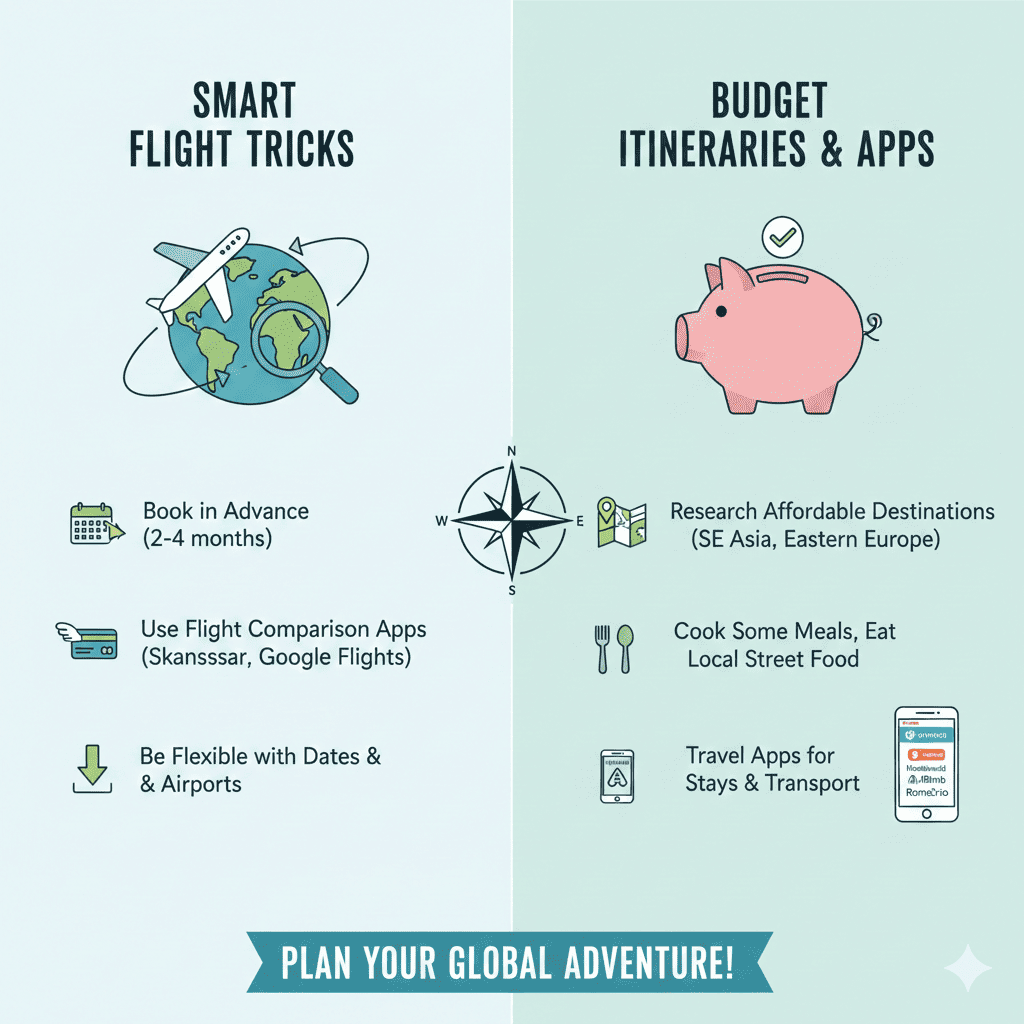
- Budget constraints: Different regions offer vastly different costs of living. Southeast Asia, Eastern Europe, and Central America typically provide more value than Western Europe, Japan, or Australia.
- Time zones and travel duration: Consider jet lag when choosing destinations. A six-hour time difference is generally more manageable than a twelve-hour shift for first-time international travelers.
- Visa requirements: Some countries offer visa-free entry or simple visa-on-arrival options for many nationalities, while others require lengthy application processes. Check requirements early in your planning.
- Safety and infrastructure: Research destinations with good tourism infrastructure, reliable transportation, and favorable safety records for travelers.
Best Beginner-Friendly Destinations
Countries like Portugal, Japan, New Zealand, Costa Rica, and Ireland consistently rank high for first-time international travelers. These destinations offer excellent infrastructure, friendly locals, manageable cultural differences, and outstanding experiences that build confidence for future adventures.
2. Setting a Realistic Budget and Timeline
Creating a comprehensive budget stands as one of the most critical steps when you plan an international trip. Without proper financial planning, you risk overspending or missing out on experiences due to insufficient funds.
Breaking Down Your Travel Budget
Your total budget should account for several major categories. Flights typically consume the largest single expense, often representing thirty to forty percent of your total budget. Accommodation follows as the second major expense, though this varies dramatically based on your choices between hostels, budget hotels, or vacation rentals.
Daily expenses including food, local transportation, and activities require careful estimation. Research average meal costs, public transportation prices, and entrance fees for attractions you plan to visit. Add a contingency fund of at least ten to fifteen percent for unexpected expenses, emergency situations, or spontaneous opportunities.
Timeline Considerations for Booking
The optimal booking timeline can significantly impact your budget. International flights generally offer best prices when booked two to three months in advance for most destinations, though some routes benefit from earlier booking. Monitor prices using fare tracking tools and book when you find reasonable rates rather than waiting for perfect prices that may never materialize.
Accommodations can often be booked closer to travel dates, especially if you’re flexible. However, popular destinations during peak seasons require advance booking to secure availability. Balance early booking discounts against the risk of cancellation if your plans change.
Money-Saving Strategies from the Start
Consider traveling during shoulder seasons when prices drop but weather remains pleasant. Mid-week departures and returns typically cost less than weekend travel. Prioritize free or low-cost activities like walking tours, public parks, beaches, and cultural festivals. Plan to cook some meals if your accommodation includes kitchen facilities.
3. Understanding Passport and Visa Requirements
Documentation represents a non-negotiable aspect of international travel that demands attention well before your departure date. Missing or incorrect documents can derail your entire trip.
Passport Essentials Every Beginner Needs to Know
Check your passport validity immediately when you decide to plan an international trip. Many countries require passports valid for at least six months beyond your intended departure date. Some require only three months, but the six-month rule provides a safe guideline.
If you need a new passport, apply at least four to six months before your planned travel. Standard processing takes six to eight weeks, though expedited services are available for additional fees. Ensure your passport has enough blank pages for entry and exit stamps, as some countries require specific numbers of empty pages.
Make multiple copies of your passport identification page. Keep one copy separate from your actual passport, leave one with trusted contacts at home, and store a digital copy in secure cloud storage accessible from anywhere.
Navigating Visa Requirements
Visa requirements vary dramatically by destination and your nationality. Some countries offer visa-free entry for tourism, allowing stays from fifteen days to ninety days. Others provide visa-on-arrival options where you obtain your visa at the airport upon landing. More restrictive destinations require advance applications through embassies or consulates.
Research visa requirements at least three months before travel. Visit official government websites rather than relying solely on third-party sources. Some visas require extensive documentation including bank statements, employment letters, travel insurance, or return flight tickets. Processing times range from a few days to several weeks.
Electronic visa systems have simplified processes for many countries. E-visas allow online applications with faster processing and digital delivery, eliminating embassy visits for many travelers.
Additional Documentation to Consider
Travel insurance documentation, vaccination certificates, and international driving permits may be required depending on your destination and planned activities. Some countries require proof of onward travel, proving you won’t overstay your visa-free period. Keep all documentation organized in both physical and digital formats.
4. Mastering Smart Flight Booking Strategies
Finding affordable flights requires strategy, flexibility, and understanding how airline pricing works. These smart booking tricks help beginners secure the best possible deals.
Understanding Flight Search Tools
Flight comparison websites aggregate prices from multiple airlines and booking platforms, saving hours of manual searching. Google Flights offers excellent calendar views showing price variations across different dates. Skyscanner searches not only specific dates but entire months, helping identify the cheapest travel periods. Kayak provides price alerts and predictive tools suggesting whether to book now or wait.
Use multiple search tools rather than relying on just one platform. Occasionally, different sites show different prices for identical flights due to varying relationships with airlines and booking platforms. Always verify final prices on airline websites before committing, as comparison sites sometimes display outdated information.
Flexible Travel Dates Save Money
Flexibility represents your greatest asset when booking international flights. Departing Tuesday through Thursday typically costs less than weekend travel. Red-eye flights, early morning departures, and late-night arrivals generally offer lower fares than convenient mid-day options.
Search for flights across entire months rather than specific dates. Price differences of several hundred dollars often separate the cheapest and most expensive days within the same month. Consider extending or shortening your trip by a day or two if it means substantial savings.
Strategic Booking Techniques
- Book one-way versus round-trip: Sometimes booking two one-way tickets on different airlines costs less than a round-trip ticket on a single carrier.
- Consider nearby airports: Major cities often have multiple airports. Comparing prices for all available airports can reveal significant savings, even accounting for additional ground transportation.
- Use incognito mode: Browsers track your searches and some booking sites may increase prices for routes you’ve repeatedly searched. Incognito or private browsing prevents this tracking.
- Leverage layovers wisely: Direct flights command premium prices. Accepting one layover, particularly in major airline hubs, dramatically reduces costs while adding only a few hours to total travel time.
Budget Airlines and Their Hidden Costs
Budget carriers offer incredibly low base fares but charge for virtually everything beyond your seat. Baggage fees, seat selection, meals, drinks, and even printing boarding passes at the airport incur additional charges. Calculate total costs including all fees before assuming budget airlines offer better deals than traditional carriers.
5. Creating Your Perfect Travel Itinerary
A well-structured itinerary balances planning with flexibility, ensuring you experience highlights while leaving room for spontaneity and rest. Learning to plan an international trip itinerary effectively separates memorable vacations from stressful, over-scheduled marathons.
Research Your Destination Thoroughly
Begin by identifying must-see attractions, neighborhoods, and experiences. Travel blogs, YouTube videos, and guidebooks provide valuable insights from experienced travelers. Instagram and Pinterest offer visual inspiration and help you discover lesser-known locations beyond typical tourist sites.
Create a master list of everything you want to see and do, then prioritize ruthlessly. First-time visitors often underestimate travel time between locations and overestimate how many activities fit into a single day. Quality experiences beat quantity every time.
Structuring Your Daily Schedule
Plan no more than two to three major activities per day, allowing buffer time between them. Account for transportation time, meal breaks, and inevitable delays. Group geographically close attractions together to minimize backtracking and maximize efficiency.
Build rest time into your schedule. Jet lag, unfamiliar food, and constant stimulation can exhaust even experienced travelers. Schedule lighter days after arrival and before departure, avoiding packed itineraries that leave you needing a vacation from your vacation.
Balancing Structure and Flexibility
While structure provides direction, over-planning eliminates spontaneity that often creates the most memorable moments. Reserve some activities in advance if they require tickets or are time-sensitive, but leave portions of each day unscheduled for wandering, unexpected discoveries, or simply resting if needed.
Consider weather, opening hours, and local holidays when scheduling activities. Many museums close on Mondays, religious sites may restrict visitor access during services, and outdoor activities depend on favorable weather.
Sample Daily Itinerary Structure
Morning activities typically work best for popular tourist sites, arriving early to avoid crowds and heat. Mid-afternoon provides ideal time for leisurely meals, rest, or indoor activities during the hottest part of the day. Evenings offer opportunities for neighborhood exploration, dining, and experiencing local nightlife or cultural performances.
6. Essential Travel Apps for International Trips
Technology has transformed international travel, placing incredible resources literally in your pocket. These apps help you navigate every aspect of your journey more confidently and efficiently.
Navigation and Transportation Apps
Google Maps works in most countries worldwide, providing offline map downloads that function without internet connectivity. Download maps for your destination before departure, ensuring navigation capability even without data or wifi. The app shows public transportation routes, walking directions, and estimated travel times.
Citymapper excels in cities with complex public transportation systems, showing real-time schedules, route comparisons, and cost breakdowns. Rome2Rio helps plan routes between cities, comparing trains, buses, flights, and ferries with duration and price estimates.
Uber and similar ride-sharing apps operate in many international cities, offering transparent pricing and eliminating language barriers or currency confusion with traditional taxis. Research which ride-sharing services operate in your destination before arrival.
Accommodation and Booking Apps
Booking.com, Airbnb, and Hostelworld provide extensive accommodation options with user reviews, photos, and instant booking capability. Download these apps before traveling for easy booking modifications, property communication, and accessing confirmation details without internet searches.
HotelTonight specializes in last-minute deals, perfect for flexible travelers or when plans change unexpectedly. Many accommodations offer discounted rates for same-day or next-day bookings through this platform.
Language and Communication Tools
Google Translate offers text, voice, and camera translation capabilities. The camera feature translates signs, menus, and documents in real-time, while offline language packs enable translation without internet connectivity. Conversation mode facilitates spoken interactions with locals who don’t speak your language.
Duolingo or similar language-learning apps help you master basic phrases before and during your trip. Even minimal language ability demonstrates respect and often results in warmer interactions with locals.
Financial Management Apps
XE Currency provides real-time exchange rates and currency conversion, helping you understand prices and make informed purchasing decisions. The app works offline after downloading rates, essential for calculating costs without constant internet access.
Trail Wallet or similar expense tracking apps help monitor spending against your budget. Photograph receipts, categorize expenses, and track spending across multiple currencies effortlessly.
Safety and Emergency Apps
Smart Traveler (or your country’s equivalent) provides embassy locations, travel warnings, and emergency assistance information. Register your trip with your government’s travel registration program for alerts about safety concerns and easier assistance if emergencies arise.
What3words assigns a unique three-word address to every three-meter square on Earth, providing precise location sharing even where traditional addresses don’t exist. This proves invaluable for emergency services or meeting points in unfamiliar locations.
7. Booking Accommodations for International Travel
Where you sleep significantly impacts both your budget and overall experience. Understanding accommodation options and booking strategies helps you make informed decisions when you plan an international trip.
Types of Accommodations for Different Budgets
Hostels offer the most budget-friendly option, though modern hostels bear little resemblance to the grim dormitories of past decades. Many now provide private rooms with ensuite bathrooms alongside traditional dorm beds. Common areas, kitchens, and organized social activities make hostels excellent for solo travelers seeking community.
Budget hotels and guesthouses occupy the mid-range category, offering private rooms, basic amenities, and often breakfast. Family-run guesthouses provide authentic local interactions and insider tips unavailable at international chains.
Vacation rentals through Airbnb or Vrbo suit groups, families, or travelers desiring kitchen facilities and more space. Weekly or monthly rates often provide better value than nightly hotel rates, especially for longer stays.
Location Versus Price Considerations
Central locations command premium prices but save transportation time and costs. Staying slightly outside tourist districts often provides better value while remaining accessible via public transportation. Research neighborhood safety, transit connections, and walking distance to attractions before booking based solely on price.
Read reviews carefully, focusing on recent feedback about cleanliness, noise levels, safety, and accuracy of descriptions. Photos can be misleading, but patterns in reviews reveal genuine property conditions.
Booking Strategies and Timing
Book popular destinations during peak seasons well in advance to ensure availability. Flexible travelers can book closer to travel dates, often finding better deals as properties lower prices for unfilled rooms. Many booking platforms offer free cancellation, allowing you to secure decent prices while continuing to search for better deals.
Contact properties directly after finding them on booking platforms. Many offer discounts for direct bookings that avoid platform commission fees. This also establishes personal contact, making special requests or changes easier to arrange.
8. Packing Smart for Your International Adventure
Efficient packing reduces stress, saves baggage fees, and provides flexibility during your trip. First-time international travelers often overpack dramatically, hauling unnecessary items across continents.
The Essential Packing List
Start with a quality carry-on sized suitcase or backpack. Airlines increasingly charge for checked luggage, and carry-on only travel eliminates baggage claim waits and lost luggage risks. Choose versatile clothing in neutral colors that mix, match, and layer easily.
Pack for your destination’s climate and planned activities. Research average temperatures and precipitation for your specific travel dates rather than general seasonal information. One week’s worth of clothing suffices for most trips, as you can hand wash items or use laundromats.
Essential documents including passport, copies of reservations, travel insurance information, credit cards, and some local currency belong in your carry-on, never in checked luggage. Medications, prescription glasses, valuable electronics, and one change of clothes should always travel in your carry-on in case checked bags are delayed.
Toiletries and Personal Items
Pack travel-sized toiletries in clear, resealable bags meeting airport security requirements. Many hotels provide basic toiletries, reducing what you need to carry. Solid alternatives to liquids including shampoo bars, solid perfume, and powder toothpaste help avoid liquid restrictions entirely.
Bring adapters appropriate for your destination’s electrical outlets. Universal adapters work worldwide but may be bulkier than country-specific versions. Pack any special medications or health items unavailable abroad, ensuring you have adequate supplies for your entire trip plus a few extra days.
Technology and Entertainment
Smartphones, tablets, e-readers, and laptops should include necessary charging cables, power banks for charging on the go, and any required adapters. Download entertainment, maps, translation apps, and travel documents before departure for offline access.
Bring lightweight items for downtime including books, journals, or downloaded movies for long flights and quiet evenings. Many travelers enjoy documenting experiences through writing or sketching, requiring minimal space for notebooks or sketchbooks.
What to Leave Behind
Valuable jewelry, excessive electronics, and irreplaceable sentimental items should stay home. Pack only what you’re willing to lose, damage, or have stolen. Most destinations have stores selling anything you forget, though prices may be higher than at home.
9. Managing Money and Finances Abroad
Financial planning extends beyond budgeting to include how you access, exchange, and protect money during international travel. Smart financial strategies prevent unnecessary fees and provide security when you plan an international trip.
Notifying Banks and Credit Card Companies
Contact all banks and credit card issuers before departure, informing them of your travel dates and destinations. This prevents fraud alerts from blocking legitimate transactions when your cards are suddenly used abroad. Many institutions allow travel notifications through mobile apps or online banking platforms.
Choosing the Right Payment Methods
Credit cards offering no foreign transaction fees provide the best exchange rates and purchase protection. Visa and Mastercard work almost everywhere internationally, while American Express and Discover have more limited acceptance. Carry at least two different payment methods in case one is lost, stolen, or doesn’t work.
Debit cards allow ATM withdrawals for local currency, typically offering better exchange rates than airport currency exchanges or hotels. Withdraw larger amounts less frequently to minimize per-transaction fees. Use bank-affiliated ATMs rather than independent operators, which often charge excessive fees.
Currency Exchange Strategies
Avoid exchanging money at airports, hotels, or touristy exchange offices, which offer poor rates and high fees. Order some local currency from your bank before departure for immediate expenses upon arrival, then withdraw additional funds from ATMs as needed.
Research whether your destination typically uses cash or cards. Some countries remain predominantly cash-based, requiring more frequent ATM visits, while others accept cards everywhere.
Protecting Your Financial Information
Never carry all money and cards together. Split cash, cards, and backup payment methods between different bags and locations. Keep emergency cash separate from daily spending money. Store photocopies of credit cards separately from the cards themselves.
Use secure internet connections for online banking or purchases. Avoid public wifi for financial transactions, instead using mobile data or waiting for secure hotel wifi networks requiring passwords.
Budgeting for Daily Expenses
Track spending daily to ensure you stay within budget. Apps like Trail Wallet or even simple notes apps help monitor expenses across multiple currencies. Build flexibility into your budget for unexpected costs or special opportunities that arise during travel.
10. Staying Safe and Healthy During International Travel
Safety and health considerations deserve attention before and during your journey. Preparation prevents most issues, while knowledge helps you handle unexpected situations confidently.
Pre-Departure Health Preparations
Schedule a travel health appointment with your doctor at least six weeks before departure. Some vaccinations require multiple doses over several weeks, while others need time to become effective. Discuss your destination, planned activities, and current health with your physician to determine necessary vaccinations and health precautions.
Research whether your destination presents specific health risks including malaria, yellow fever, or other tropical diseases requiring preventive medications. Pack adequate supplies of prescription medications in original containers with prescription labels, carrying extra in case of travel delays.
Travel Insurance Essentials
Travel insurance protects against medical emergencies, trip cancellations, lost luggage, and other unexpected events. Comprehensive policies cover emergency medical expenses, evacuation, trip interruption, and baggage loss. Medical evacuation coverage proves particularly important for destinations with limited healthcare facilities.
Read policy details carefully, understanding coverage limits, exclusions, and claim procedures. Some credit cards include travel insurance, though coverage often proves less comprehensive than dedicated travel insurance policies.
Safety Awareness and Common Sense
Research neighborhood safety in your destination, avoiding areas known for crime targeting tourists. Stay alert in crowded tourist areas where pickpocketing is common. Keep valuables concealed, avoid displaying expensive jewelry or electronics, and remain aware of your surroundings.
Trust your instincts. If a situation feels uncomfortable or unsafe, remove yourself immediately. Most locals are genuinely helpful, but maintain healthy skepticism of overly friendly strangers, particularly those approaching you in tourist areas.
Emergency Preparedness
Save emergency numbers including local police, ambulance services, and your country’s embassy or consulate. Register your trip with your government’s travel registration program, providing them your itinerary and emergency contact information.
Share your itinerary with trusted friends or family, checking in regularly. Maintain copies of important documents in cloud storage accessible from anywhere. Know your accommodation address in the local language for showing taxi drivers or emergency services.
11. Cultural Preparation and Etiquette
Understanding cultural norms demonstrates respect and facilitates positive interactions with locals. Cultural awareness also helps you avoid inadvertently offensive behavior that could create uncomfortable situations.
Researching Cultural Norms
Learn basic greetings, thank you, and please in the local language. Even minimal language effort often results in warmer receptions from locals who appreciate visitors attempting to speak their language. Understand appropriate dress codes, particularly for religious sites, conservative countries, or formal situations.
Research tipping customs, as expectations vary dramatically worldwide. Some countries include service charges automatically, making additional tips unnecessary or even insulting. Others expect generous tips for various services. Understanding local customs prevents awkward situations and ensures service workers receive appropriate compensation.
Respecting Local Customs
Photography restrictions exist at many religious sites, museums, and cultural landmarks. Always ask permission before photographing people, particularly in developing countries where some cultures believe cameras capture spirits or souls. Respect exists when locals decline photography requests.
Dining etiquette varies significantly across cultures. Research appropriate table manners, accepted eating methods, and whether finishing everything on your plate shows appreciation or suggests insufficient portions. Understanding these customs prevents misunderstandings during meals with locals.
Being a Responsible Tourist
Support local businesses rather than international chains when possible. Eat at locally-owned restaurants, purchase souvenirs from artisans, and use local guides rather than international tour companies. Your spending directly benefits communities you visit.
Respect environmental and archaeological sites by following posted rules, staying on designated paths, and never removing artifacts or natural objects. Many sites suffer damage from tourists who don’t understand the cumulative impact of seemingly minor actions.
12. Final Preparations Before Departure
The days immediately before departure require focused attention on final details ensuring smooth travel. Creating a pre-departure checklist prevents forgotten tasks and reduces last-minute stress.
One Week Before Departure
Confirm all reservations including flights, accommodations, and any pre-booked activities or tours. Double-check reservation details for accuracy, particularly names matching passport information. Download offline maps, translation tools, and entertainment for your destination.
Begin breaking in new travel shoes if you’ve purchased them specifically for this trip. Pack prescriptions, contact lenses, or other health items you cannot easily replace abroad. Organize important documents in easily accessible locations within carry-on luggage.
Final Days Preparation Tasks
Hold mail delivery or arrange for neighbors to collect it, preventing obvious signs of absence. Set lights on timers and ensure home security measures are in place. Water plants or arrange plant care if you have houseplants requiring maintenance.
Check weather forecasts for your destination, adjusting packing if necessary. Verify you have appropriate adapters, chargers, and batteries for all electronics. Exchange enough local currency for immediate expenses upon arrival including transportation from the airport to accommodation.
Day of Departure
Arrive at the airport with sufficient time for international flights, typically three hours before departure. Verify passport validity one final time and ensure all required documents including boarding passes, visa documentation, and travel insurance information are easily accessible.
Wear comfortable clothing and shoes for the flight. Pack valuable items, medications, travel documents, and one change of clothes in your carry-on. Take final meter readings for utilities if needed, adjust thermostats, and do final home security checks before departure.
Conclusion: Your International Adventure Begins Now
Learning to plan an international trip transforms from overwhelming challenge to exciting opportunity with proper knowledge and preparation. Every journey begins with a single step, and you now possess the comprehensive roadmap for taking that step confidently. From selecting beginner-friendly destinations through mastering flight booking strategies, from creating flexible itineraries to downloading essential travel apps, you’re equipped with everything needed for successful international travel.
Remember that perfect trips exist only in imagination. Unexpected challenges, minor mishaps, and moments of confusion form natural parts of international travel, especially for beginners. These moments often transform into your most memorable stories and valuable learning experiences. Approach your first international adventure with realistic expectations, genuine curiosity, and openness to new experiences.
The strategies, tools, and insights shared throughout this guide have helped countless first-time international travelers successfully navigate their journeys. Start by choosing a destination that excites you, set a realistic budget, secure necessary documentation, and book your flights using the smart strategies outlined here. Download essential apps, create a balanced itinerary allowing both structure and spontaneity, and prepare yourself culturally for the destination you’ve chosen.
Your first international trip represents more than a vacation. It’s a transformative experience that broadens perspectives, challenges assumptions, and builds confidence extending far beyond travel. The memories you create, people you meet, and personal growth you experience will enrich your life in ways you cannot yet imagine. The world awaits, filled with incredible destinations, welcoming people, and unforgettable experiences ready for you to discover.
Take the first step today. Choose your destination, mark the dates on your calendar, and begin transforming your international travel dreams into concrete plans. With this comprehensive guide as your companion, you’re ready to successfully plan an international trip that marks the beginning of a lifetime of global adventures. Safe travels, and may your first international journey be everything you hope for and more.
Also read this:
How to Build Fitness Habits That Stick Long-Term — Simple Strategy for Consistency
7 Best Evening Workouts for Weight Loss — Burn Fat Before Bed the Healthy Way