
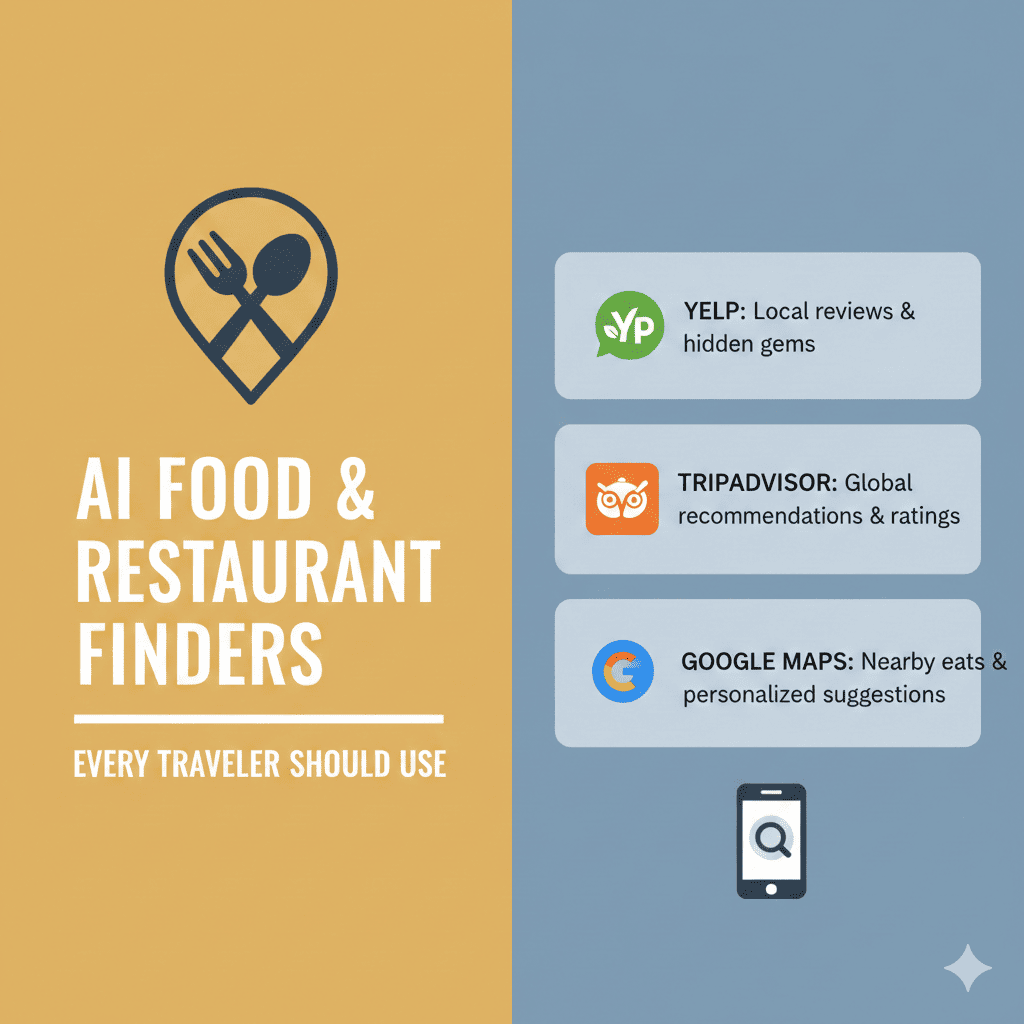
Traveling to new destinations offers countless exciting experiences, but perhaps none more universally loved than discovering exceptional local cuisine. The challenge of finding authentic, high-quality restaurants in unfamiliar cities has traditionally involved extensive research, unreliable recommendations, or simply taking chances. Enter the world of AI food & restaurant finders that are revolutionizing how travelers discover dining experiences. These intelligent platforms use sophisticated algorithms, machine learning, and vast databases to connect you with perfect meals tailored to your preferences, dietary needs, and travel circumstances.
The evolution of AI food & restaurant finders has transformed culinary exploration from a hit-or-miss proposition into a reliable, personalized experience. Whether you’re seeking hidden gems known only to locals, need to accommodate specific dietary restrictions, or want to experience authentic regional specialties, these intelligent tools ensure every meal becomes a memorable part of your journey.
Understanding AI-Powered Restaurant Discovery
Before diving into specific platforms, it’s essential to understand what sets AI food & restaurant finders apart from traditional review sites or guidebooks. These systems employ machine learning algorithms that analyze millions of data points including user reviews, menu contents, ingredient sourcing, pricing patterns, location factors, and even real-time variables like wait times and crowd levels. They learn from your preferences, adapt to your feedback, and continuously improve their recommendations based on collective user behavior patterns and individual tastes.
This technology goes beyond simple keyword matching or star ratings, understanding context, nuance, and the subtle factors that make a dining experience truly exceptional for each individual traveler.
1. Personalized Recommendation Engines
Intelligent Preference Learning
The most advanced AI food & restaurant finders build comprehensive taste profiles based on your dining history, explicitly stated preferences, and implicit behavioral signals. These systems become more accurate with each interaction.
Profile building includes:
- Cuisine type preferences across various cultural traditions
- Flavor profile preferences: spicy, sweet, savory, umami
- Texture preferences and food aversions
- Dining atmosphere preferences from casual to fine dining
- Price point comfort levels and value expectations
- Service style preferences: quick service, table service, interactive dining
- Adventure level for trying unusual or unfamiliar foods
Contextual Recommendation Adjustment
Smart AI systems understand that dining preferences vary based on context. What you want for breakfast differs from dinner preferences, and solo dining differs from group meals.
Contextual factors considered:
- Time of day and meal occasion
- Travel companion composition: solo, couple, family, business
- Energy level and jet lag considerations
- Local weather conditions affecting food preferences
- Remaining trip duration and culinary goals
- Previous meals that day for nutritional balance
- Special occasions warranting celebration venues
Cross-Platform Data Integration
AI food & restaurant finders that integrate data from multiple sources provide more comprehensive and accurate recommendations than isolated systems.
Integration sources include:
- Previous dining reservations and reviews
- Social media check-ins and food photography
- Recipe searches and cooking interests
- Travel booking history indicating destination types
- Calendar events suggesting dining occasions
- Health app integration for dietary tracking
- Payment history showing spending patterns
2. Dietary Restriction and Allergy Management
Comprehensive Allergen Detection
For travelers with food allergies, AI food & restaurant finders provide potentially life-saving filtering that identifies safe dining options based on specific allergen avoidance needs.
Allergen management features:
- Major allergen filtering: nuts, shellfish, dairy, gluten, soy, eggs
- Cross-contamination risk assessment at restaurants
- Kitchen practice evaluation for allergen safety
- Menu item ingredient breakdown and analysis
- Alternative suggestion for problematic dishes
- Emergency translation cards for allergy communication
- Medical emergency preparedness information by location
Specialized Diet Accommodation
Whether following vegetarian, vegan, keto, paleo, halal, kosher, or other dietary frameworks, AI systems identify restaurants that genuinely accommodate these needs beyond token options.
Diet-specific capabilities:
- Authentic adherence verification not just claimed accommodation
- Modification possibility assessment for menu items
- Quality evaluation of specialized options
- Cultural authenticity for religious dietary laws
- Nutritional content analysis for health-focused diets
- Plant-based protein adequacy for vegan travelers
- Carbohydrate counting assistance for diabetic travelers
Medical Condition Dietary Support
Advanced systems help travelers managing conditions like diabetes, celiac disease, kidney disease, or heart conditions find appropriate dining options.
Medical dietary features include:
- Sodium content estimation for cardiovascular health
- Sugar and glycemic index consideration for diabetes
- Portion size information for calorie management
- Ingredient transparency for autoimmune conditions
- Preparation method details affecting health outcomes
- Nutritional balance scoring for chronic conditions
3. Authentic Local Experience Discovery
Tourist Trap Avoidance
One of the most valuable features of AI food & restaurant finders is their ability to distinguish between authentic local establishments and restaurants that primarily cater to tourists with inflated prices and compromised quality.
Authenticity indicators analyzed:
- Local customer ratio versus tourist patronage
- Menu pricing compared to neighborhood standards
- Review patterns showing local regular customers
- Menu authenticity relative to regional cuisine standards
- Location proximity to major tourist attractions
- Staff composition and local community integration
- Ingredient sourcing from regional suppliers
Hidden Gem Identification
AI algorithms excel at surfacing exceptional restaurants that lack visibility in traditional tourism channels, giving travelers experiences typically reserved for well-connected locals.
Discovery methods include:
- Social media mining from local food enthusiasts
- Professional chef recommendation tracking
- Food blogger and critic pattern analysis
- Neighborhood reputation assessment
- Award and recognition tracking beyond major publications
- Historical establishment significance and legacy
- Underground and pop-up dining event identification
Cultural Context and Etiquette Guidance
Understanding dining customs prevents uncomfortable situations and shows respect for local culture, something AI food & restaurant finders can provide automatically.
Cultural guidance includes:
- Tipping customs and expectations by region
- Reservation protocols and advance booking needs
- Dress code requirements for different establishments
- Dining etiquette specific to cuisine types
- Payment customs: split bills, card acceptance, cash expectations
- Ordering customs and meal pacing expectations
- Photography policies and social media considerations
4. Real-Time Availability and Smart Booking
Dynamic Wait Time Prediction
Advanced AI systems predict wait times more accurately than restaurants themselves by analyzing historical patterns, current conditions, and external factors.
Wait time factors analyzed:
- Historical crowd patterns by day, time, and season
- Local event schedules affecting dining demand
- Weather conditions influencing dining location choices
- Holiday and cultural celebration impacts
- Real-time check-in data from current diners
- Kitchen capacity and service speed patterns
- Reservation availability as demand indicator
Intelligent Reservation Optimization
AI food & restaurant finders can automatically book reservations at optimal times, manage cancellations efficiently, and even negotiate priority access at popular venues.
Booking optimization features:
- Ideal dining time suggestions balancing preference and availability
- Multi-restaurant reservation management avoiding conflicts
- Cancellation timing optimization for refund maximization
- Waitlist position monitoring and notification
- Special occasion notation and celebration coordination
- Dietary restriction pre-communication to restaurants
- Party size optimization for best table availability
Last-Minute Dining Solutions
When spontaneous dining needs arise, AI quickly identifies immediately available options that still meet quality and preference criteria.
Immediate availability features:
- Real-time table availability across multiple restaurants
- Quick-service quality options for time constraints
- Delivery and takeaway alternatives when appropriate
- Prix-fixe and time-limited special availability
- Bar seating and alternative dining space options
- Neighboring area expansion when primary location is full
5. Budget Management and Value Optimization
Price Prediction and Budget Planning
Traveling involves financial considerations, and AI food & restaurant finders help optimize dining budgets without sacrificing quality or experience.
Budget management tools include:
- Total meal cost prediction including taxes and tips
- Price per person estimation based on typical ordering
- Value scoring comparing quality to price
- Hidden cost identification: cover charges, mandatory items
- Currency conversion and foreign exchange consideration
- Payment method acceptance and fee avoidance
- Splurge versus save opportunity identification across trip
Deal and Special Promotion Discovery
AI systems track promotions, happy hour specials, prix-fixe menus, and other value opportunities that maximize dining quality within budget constraints.
Promotion tracking includes:
- Time-limited special menu availability
- Happy hour timing and offering details
- Early bird and late-night dining discounts
- Day-specific promotions and themed nights
- Loyalty program benefits and point optimization
- Group dining discounts and private room packages
- Birthday and celebration perks at various establishments
Expense Tracking and Reporting
For business travelers or those managing strict budgets, AI tools can automatically categorize, track, and report dining expenses.
Expense management features:
- Receipt capture and digital storage
- Expense category assignment for business travel
- Per diem compliance monitoring
- Travel companion expense splitting calculations
- Currency conversion tracking for reimbursement
- Tax deduction documentation preparation
- Budget remaining alerts and adjustment suggestions
6. Menu Translation and Navigation
Real-Time Menu Translation
Language barriers disappear with AI food & restaurant finders that provide instant, accurate menu translations maintaining cultural context and culinary nuance.
Translation capabilities include:
- Photo-based menu translation via camera
- Context-aware ingredient identification
- Preparation method explanation
- Regional speciality significance and history
- Pronunciation guides for ordering assistance
- Allergen and ingredient highlighting in native language
- Portion size and sharing custom explanations
Ingredient and Dish Education
Beyond simple translation, AI provides comprehensive information about unfamiliar ingredients, dishes, and preparation methods, enriching the dining experience.
Educational content includes:
- Ingredient origin stories and cultural significance
- Traditional preparation techniques and variations
- Expected flavors, textures, and presentations
- Accompaniment and condiment usage guidance
- Regional versus tourist-oriented versions differentiation
- Seasonal availability and optimal timing
- Pairing suggestions with other menu items or beverages
Ordering Assistance and Recommendations
AI guides optimal menu navigation, suggesting appropriate courses, quantities, and combinations based on cuisine type and party size.
Ordering guidance includes:
- Course sequencing appropriate to cuisine
- Sharing dish quantity recommendations
- Signature dish identification
- Chef speciality and house recommendation highlighting
- Seasonal ingredient advantage timing
- Value optimization within menu structure
- Adventurous versus safe option balancing
7. Social Dining and Group Coordination
Group Preference Aggregation
When traveling with companions, AI food & restaurant finders synthesize multiple people’s preferences, restrictions, and desires to find restaurants satisfying everyone.
Group coordination features:
- Multi-person preference input and analysis
- Compromise suggestion when preferences conflict
- Dietary restriction accommodation for entire party
- Split preference handling: some adventurous, some conservative
- Budget range accommodation across group
- Accessibility need consideration for all members
- Seating arrangement optimization for party size
Social Connection and Meetups
Some AI platforms facilitate connecting travelers with similar food interests, enabling shared dining experiences and local friend discovery.
Social dining features include:
- Travel date and location matching
- Food interest compatibility assessment
- Safety verification and identity confirmation
- Public meeting location suggestions
- Group size expansion for reservation advantages
- Experience sharing and post-meal connection
- Local host matching with visiting travelers
Shared Planning and Collaborative Itineraries
AI tools enable group travel dining planning with input from all participants, voting mechanisms, and consensus-building features.
Collaborative planning includes:
- Multi-person itinerary editing and suggestion
- Voting systems for restaurant selection
- Schedule coordination across time zones
- Dietary restriction compilation for group
- Budget pooling and expense pre-planning
- Alternative option backup planning
- Real-time plan adjustment with group notification
8. Food Safety and Hygiene Intelligence
Health Inspection Data Integration
AI food & restaurant finders incorporate official health inspection records, providing transparency about food safety practices before you dine.
Safety information includes:
- Recent health inspection scores and grades
- Violation history and severity assessment
- Remediation completion verification
- Critical violation flagging and explanation
- Inspection frequency and recency
- Local health standard context and interpretation
- Comparison to neighborhood and category averages
Crowd-Sourced Illness Reporting
Some platforms use anonymous crowd-sourced data about food-borne illness incidents, providing early warning systems beyond official inspection schedules.
Crowd-sourced safety features:
- Symptom pattern recognition suggesting food safety issues
- Temporal clustering identifying recent problems
- Specific menu item problem association
- Verification systems preventing false reporting
- Public health authority reporting facilitation
- Traveler health resource connection
- Risk assessment based on personal health status
Water and Ice Safety Guidance
For travelers in regions where water safety varies, AI systems provide location-specific guidance about ice, raw vegetables, and water-based preparation safety.
Water safety guidance includes:
- Local water treatment adequacy assessment
- Ice safety determination at specific venues
- Raw produce washing practice evaluation
- Beverage safety: from tap, filtered, or bottled sources
- Street food water usage assessment
- Seafood and raw preparation risk evaluation
- Altitude and climate effects on food preservation
9. Experiential Dining and Unique Opportunities
Cooking Class and Market Tour Discovery
Beyond restaurant recommendations, AI food & restaurant finders identify immersive culinary experiences that deepen cultural understanding and skill development.
Experiential opportunities include:
- Cooking class availability and quality assessment
- Market tour guides with culinary expertise
- Farm-to-table experiences with producer visits
- Wine, beer, and spirit tasting experiences
- Street food tours with safety-vetted vendors
- Home dining experiences with local families
- Professional kitchen observations and chef interactions
Special Event and Pop-Up Identification
AI systems track temporary and special dining events that create unique, memorable experiences unavailable through traditional restaurant channels.
Special event tracking includes:
- Pop-up restaurant and chef residency schedules
- Food festival dates and highlight recommendations
- Seasonal celebration dining opportunities
- Chef collaboration dinners and special menus
- Food and beverage pairing events
- Cultural celebration traditional meals
- Limited-time ingredient availability: truffle season, soft-shell crab, etc.
Michelin and Award-Winning Establishment Access
For special occasions, AI tools facilitate access to prestigious dining establishments, managing complex reservation processes and providing preparation guidance.
Fine dining assistance includes:
- Reservation timing strategy for high-demand restaurants
- Alternative date and time optimization
- Dress code and etiquette preparation
- Menu preview and ordering strategy
- Wine pairing optimization within budget
- Special dietary accommodation advance coordination
- Transportation and timing logistics planning
10. Sustainable and Ethical Dining Choices
Environmental Impact Assessment
Increasingly, AI food & restaurant finders provide information about restaurants’ environmental practices, helping conscious travelers align dining with values.
Sustainability factors evaluated:
- Local and seasonal ingredient sourcing practices
- Organic and regenerative agriculture support
- Food waste reduction programs and composting
- Energy efficiency and renewable energy usage
- Water conservation practices
- Sustainable seafood certification verification
- Carbon footprint estimation for dining choices
Ethical Labor and Fair Trade Support
AI platforms identify establishments supporting fair labor practices, living wages, and ethical supply chains.
Ethical consideration tracking:
- Staff compensation and benefit practices
- Fair trade ingredient sourcing
- Local producer direct purchasing
- Immigrant and refugee employment support
- Training and advancement opportunity provision
- Tipping policy transparency
- Community reinvestment and support programs
Social Enterprise and Community Support
Some AI systems highlight restaurants that function as social enterprises or significantly support local communities through employment and sourcing.
Community impact features:
- Social mission identification and verification
- Community benefit corporation status
- Marginalized population employment emphasis
- Local nonprofit partnership and support
- Cultural preservation through traditional cuisine
- Neighborhood economic development contribution
- Education and training program provision
The Future of AI Culinary Travel Technology
The capabilities of AI food & restaurant finders continue expanding rapidly, with emerging technologies promising even more seamless and personalized experiences. Future developments will likely include augmented reality menu visualization, predictive ordering based on biometric data, blockchain-verified ingredient sourcing, and neural interface preference communication.
Emerging technology trends:
- Augmented reality dish visualization before ordering
- Biometric preference detection through wearable integration
- Blockchain ingredient traceability verification
- Voice-activated multilingual ordering assistance
- Predictive ordering based on health data
- Virtual reality restaurant previews
- Autonomous vehicle integration for dining location optimization
Maximizing Your AI Food Discovery Tools
To get the most from AI food & restaurant finders, invest time in setting up detailed profiles, consistently provide feedback, and use multiple platforms for comprehensive coverage. The more information these systems have about your preferences, restrictions, and past experiences, the more accurate and valuable their recommendations become.
Best practices for optimal results:
- Complete detailed preference profiles across platforms
- Consistently rate and review dining experiences
- Update dietary restrictions and health conditions promptly
- Use photo and location features for accurate data
- Explore AI suggestions outside comfort zones occasionally
- Provide specific feedback about recommendation accuracy
- Integrate multiple AI tools for comprehensive coverage
- Enable relevant permissions for enhanced functionality
Conclusion
The transformation brought by AI food & restaurant finders has fundamentally changed culinary travel from a risky proposition to a reliable, personalized adventure. These sophisticated platforms eliminate language barriers, navigate complex dietary needs, uncover hidden gems, optimize budgets, and ensure every meal contributes positively to your travel experience. Whether you’re a cautious eater seeking familiar comfort, an adventurous foodie pursuing authentic experiences, or anywhere in between, these AI tools adapt to your needs and continuously improve their guidance.
Modern travelers equipped with AI food & restaurant finders enjoy unprecedented access to culinary excellence regardless of destination familiarity, language proficiency, or local connections. The technology democratizes access to exceptional dining experiences previously requiring extensive research, insider knowledge, or simply fortunate circumstances. As these systems continue evolving, incorporating more data sources and sophisticated analysis, they become increasingly indispensable travel companions.
Also read this:
How Fashion Designers Are Using AI to Create Viral Collections: The Digital Revolution in Fashion
AI Tools That Create Full Glam + Outfit Looks for Any Event: Your Digital Style Revolution