
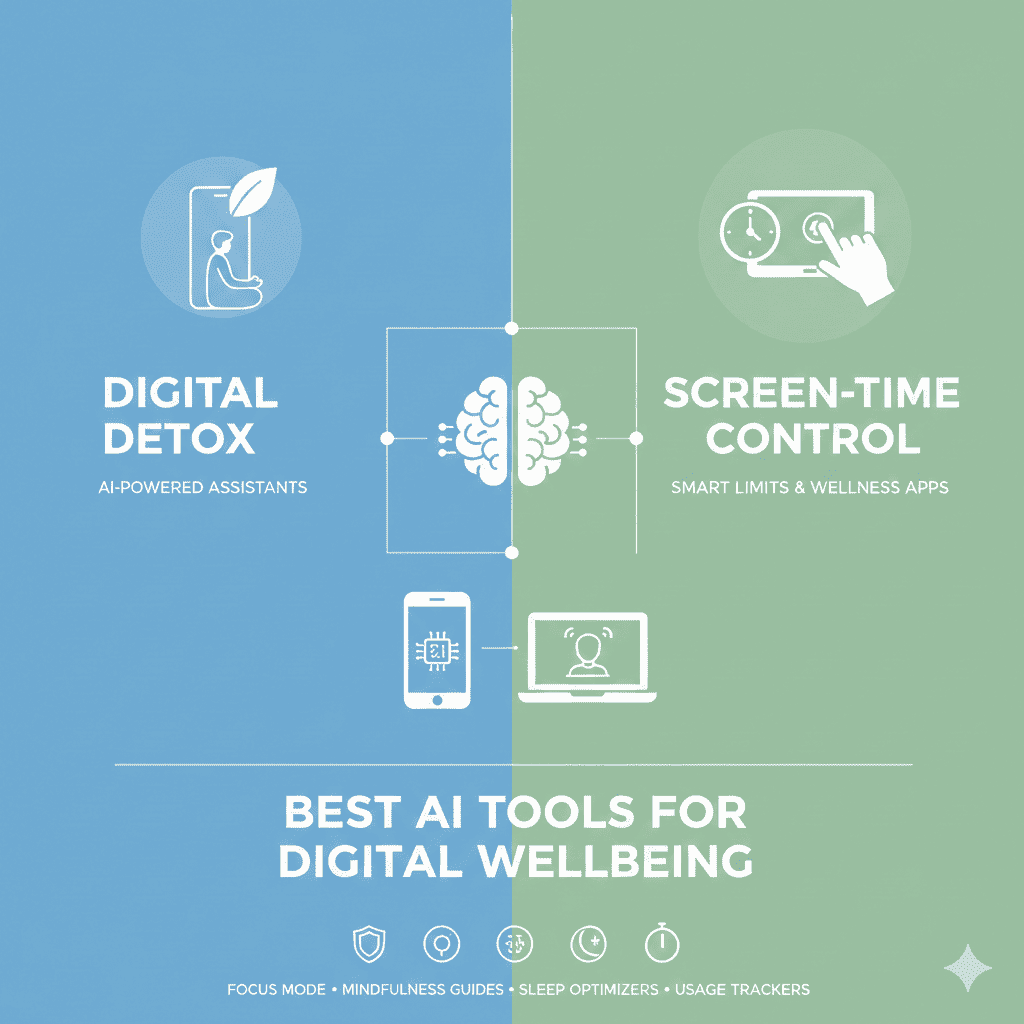
In today’s always-online world, Digital Detox & Screen-Time Control has become more important than ever. With smartphones, social media, and endless notifications competing for attention, many people struggle to maintain focus and mental clarity. This is where AI-powered solutions for Digital Detox & Screen-Time Control step in, helping users build healthier digital habits without completely disconnecting from technology.
Why Digital Detox & Screen-Time Control Matters
Excessive screen time is linked to stress, poor sleep, and reduced productivity. Practicing Digital Detox & Screen-Time Control allows individuals to regain control over their time and attention. Instead of mindlessly scrolling, users can focus on meaningful activities, improving both mental and physical well-being.
AI tools make Digital Detox & Screen-Time Control easier by tracking usage patterns and offering personalized suggestions. These tools don’t just monitor behavior—they actively guide users toward better habits.
How AI Improves Digital Detox & Screen-Time Control
Unlike traditional apps, AI-powered tools analyze your behavior in real time. They identify when you are most likely to get distracted and intervene with reminders or restrictions. This makes Digital Detox & Screen-Time Control more effective and sustainable.
Key features include:
- Smart usage tracking
- Personalized focus sessions
- Automatic app blocking
- Habit-building insights
These innovations are transforming how people approach Digital Detox & Screen-Time Control in their daily lives.
Top AI Tools for Digital Detox & Screen-Time Control
1. Forest
Forest is a gamified app that encourages users to stay focused by growing virtual trees. It’s a simple yet powerful way to practice Digital Detox & Screen-Time Control, especially for students and professionals.
2. RescueTime
RescueTime uses AI to analyze how you spend your time on devices. It provides detailed reports, helping users understand their habits and improve Digital Detox & Screen-Time Control.
3. Freedom
Freedom blocks distracting apps and websites across devices. It’s ideal for deep work sessions and maintaining strict Digital Detox & Screen-Time Control routines.
4. Stay Focused
Stay Focused helps users limit app usage and avoid overuse. It detects addictive patterns and supports consistent Digital Detox & Screen-Time Control.
5. Digital Wellbeing
Digital Wellbeing provides insights into screen time, notifications, and app usage. Its features like Focus Mode make Digital Detox & Screen-Time Control more accessible.
Benefits of Digital Detox & Screen-Time Control
Improved Focus
Practicing Digital Detox & Screen-Time Control reduces distractions, allowing you to concentrate better on important tasks.
Better Mental Health
Limiting screen exposure helps reduce stress and anxiety, making Digital Detox & Screen-Time Control essential for emotional well-being.
Enhanced Sleep
Reducing screen time before bed improves sleep quality, a key benefit of Digital Detox & Screen-Time Control.
Higher Productivity
AI tools help identify time-wasting habits, boosting efficiency through effective Digital Detox & Screen-Time Control.
Stronger Discipline
Regular use of these tools builds long-term habits that support consistent Digital Detox & Screen-Time Control.
Tips to Master Digital Detox & Screen-Time Control
To get the best results, combine AI tools with practical strategies:
- Set daily screen-time limits
- Use focus modes during work hours
- Turn off non-essential notifications
- Schedule screen-free time
- Replace digital habits with offline activities
Consistency is key to successful Digital Detox & Screen-Time Control.
Challenges of Digital Detox & Screen-Time Control
While helpful, these tools are not foolproof. Some users may bypass restrictions, while others may rely too heavily on apps. True Digital Detox & Screen-Time Control requires self-discipline along with technology.
Privacy can also be a concern, as some apps track detailed usage data. Always review permissions before using any tool.
The Future of Digital Detox & Screen-Time Control
The future of Digital Detox & Screen-Time Control lies in smarter AI systems. Upcoming tools may predict burnout, adapt screen limits automatically, and integrate with wearable devices. This will make Digital Detox & Screen-Time Control more personalized and effective than ever.
Conclusion
Digital Detox & Screen-Time Control is no longer optional—it’s essential for maintaining balance in a digital world. AI-powered tools provide the guidance and structure needed to reduce distractions, improve focus, and enhance overall well-being.
By embracing Digital Detox & Screen-Time Control, you can transform your relationship with technology and lead a more productive, mindful life.
FAQ
What is Digital Detox & Screen-Time Control?
It refers to reducing screen usage and managing digital habits for better health and productivity.
How do AI tools help in Digital Detox & Screen-Time Control?
They analyze usage patterns and provide personalized recommendations to reduce distractions.
Which app is best for Digital Detox & Screen-Time Control?
Forest is widely popular for improving focus.
Can Digital Detox & Screen-Time Control improve mental health?
Yes, it reduces stress, improves sleep, and enhances overall well-being.
Are Digital Detox & Screen-Time Control apps free?
Many apps offer free versions, while premium features are available in paid plans.
How long should I practice Digital Detox & Screen-Time Control daily?
Even reducing 1–2 hours of screen time daily can make a significant difference.
Is Digital Detox & Screen-Time Control suitable for students?
Yes, it helps students stay focused and manage study time effectively
Also read this:
Top AI Tools for Personal Productivity Tracking: Optimize Your Time and Performance
Best AI Tools for Social Media Trend Forecasting: Stay Ahead of Viral Moments
Top AI Tools for Brand Color & Style Guide Creation: Build a Cohesive Visual Identity