
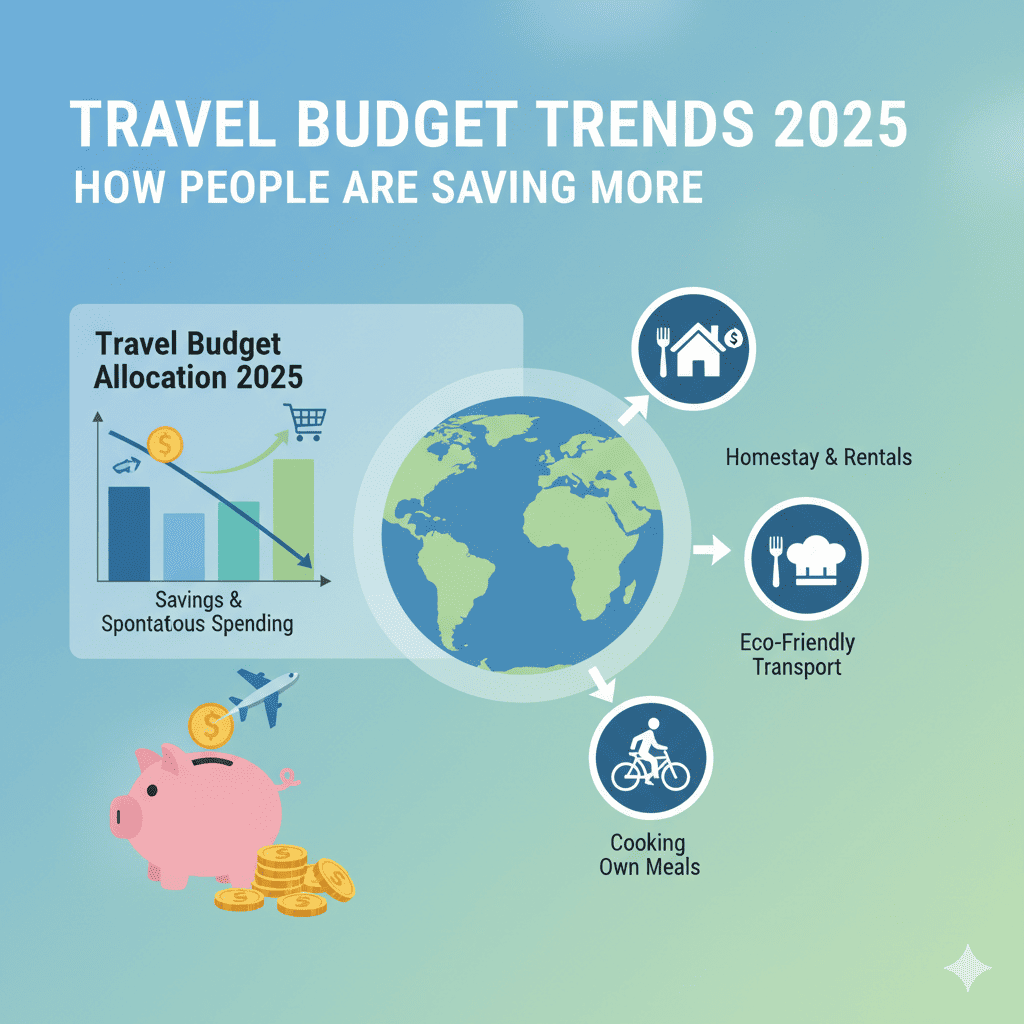
The way people travel is undergoing a dramatic transformation in 2025. With global economic uncertainties, rising travel costs, and increased awareness about sustainable spending, travelers worldwide are reimagining how they explore the world without breaking the bank. Travel Budget Trends in 2025 reveal a fascinating shift toward smarter, more strategic travel planning that prioritizes experiences over extravagance.
This comprehensive guide explores the revolutionary Travel Budget Trends shaping how modern travelers are saving more money while still creating unforgettable memories. From technology-driven booking strategies to the resurgence of slow travel, these trends are democratizing global exploration and proving that meaningful travel doesn’t require a fortune.
1. The Rise of Dynamic Pricing Tools and AI-Powered Booking
One of the most significant Travel Budget Trends in 2025 is the widespread adoption of artificial intelligence for travel booking. Sophisticated algorithms now predict price fluctuations with remarkable accuracy, helping travelers secure the best possible deals.
Price Prediction Technology
AI-powered platforms analyze billions of historical pricing data points to forecast whether flight and hotel prices will rise or fall. Apps like Hopper, Google Flights, and Kayak use machine learning to provide “buy now” or “wait” recommendations with confidence percentages, taking the guesswork out of booking timing.
These tools monitor prices 24/7 and automatically alert travelers when costs drop below predicted thresholds. Some platforms even offer price freeze features, allowing you to lock in current prices while you finalize travel plans, protecting against sudden price increases.
Flexible Date Searching
Modern booking platforms incorporate calendar views showing price variations across entire months. This visualization makes it instantly clear which travel dates offer the best value. Shifting your trip by just a day or two can often save hundreds of dollars—a key insight driving Travel Budget Trends toward flexible scheduling.
Bundling and Package Optimization
AI systems now automatically compare booking flights and hotels separately versus purchasing packages, identifying which approach saves more money for specific itineraries. These platforms account for loyalty programs, credit card rewards, and hidden fees that travelers might overlook.
Error Fare Monitoring
Dedicated communities and automated tools monitor airline pricing systems for errors that result in drastically reduced fares. While these mistake fares don’t always honor the price, enough do to make monitoring worthwhile for budget-conscious travelers willing to be spontaneous.
2. Workation and Extended Stay Strategies
The remote work revolution has fundamentally altered Travel Budget Trends, with “workations”—combining work and vacation—becoming mainstream strategies for reducing travel costs while extending travel duration.
Monthly Rentals Over Nightly Hotels
Travelers staying weeks or months in destinations leverage massive discounts available for extended rentals. Platforms like Airbnb, VRBO, and local rental agencies offer 30-50% discounts for monthly bookings compared to nightly rates. This approach dramatically reduces per-day accommodation costs.
Geographic Arbitrage
Remote workers increasingly choose destinations where their income stretches further. Earning in strong currencies while living in countries with lower costs of living allows travelers to maintain or improve their quality of life while saving substantial amounts. Popular workation destinations in 2025 include Portugal, Mexico, Thailand, and Georgia—countries offering good infrastructure, reliable internet, and low living costs.
Co-Living and Co-Working Spaces
The proliferation of co-living accommodations designed for digital nomads provides all-inclusive pricing covering accommodation, utilities, internet, and workspace. These arrangements often cost less than traditional rentals while offering built-in communities and networking opportunities.
Travel While Working Benefits
Workations eliminate the need to use vacation days for travel, effectively creating unlimited travel time for remote workers. This flexibility allows travelers to avoid peak season pricing and take advantage of last-minute deals without requesting time off.
3. Off-Peak and Shoulder Season Travel
Understanding and leveraging seasonal pricing differences represents one of the most effective Travel Budget Trends for maximizing travel budgets. Savvy travelers are increasingly avoiding peak seasons, discovering that shoulder and off-peak periods offer superior value and often more authentic experiences.
Substantial Cost Reductions
Traveling during off-peak seasons can reduce costs by 30-60% across flights, accommodations, and activities. Popular European destinations that cost $200+ per night in summer might offer identical rooms for $70-90 in late fall or early spring.
Better Experience Quality
Beyond cost savings, off-peak travel provides uncrowded attractions, more personalized service, and easier access to popular sites without long queues or advance reservations. Many travelers report preferring these quieter periods even independent of cost considerations.
Weather Considerations
Modern travelers research seasonal weather patterns more carefully, discovering that “off-season” often means perfectly pleasant conditions rather than terrible weather. Mediterranean destinations remain mild through November, while Southeast Asia’s rainy season typically involves brief afternoon showers rather than all-day rain.
Event-Based Timing
Strategic travelers plan visits just before or after major events and festivals, experiencing residual atmosphere and decorations without peak pricing and crowds. This timing strategy has become a defining characteristic of Travel Budget Trends among experienced travelers.
4. Alternative Accommodations and Home Exchanges
Traditional hotels no longer dominate accommodation choices. Travel Budget Trends show dramatic growth in alternative lodging options that offer unique experiences at lower costs.
Home Exchange Networks
Platforms like HomeExchange, Love Home Swap, and Home for Home allow travelers to stay in others’ homes for free by simultaneously hosting their own properties. This reciprocal arrangement eliminates accommodation costs entirely, representing perhaps the ultimate budget travel strategy.
House Sitting Opportunities
TrustedHousesitters and similar platforms connect travelers with homeowners needing pet and property care during absences. House sitters receive free accommodation in exchange for responsibilities that are often minimal—watering plants, collecting mail, and caring for pets. Many house sits include car use, further reducing travel expenses.
Hostel Evolution
Modern hostels have evolved far beyond backpacker dormitories. Today’s hostels offer private rooms with en-suite bathrooms, coworking spaces, organized activities, and quality amenities at prices substantially below hotels. Many specifically cater to remote workers and older travelers, shedding the party hostel stereotype.
Capsule Hotels and Pod Accommodations
Originally Japanese innovations, capsule hotels are expanding globally, providing clean, comfortable sleeping pods at budget prices. These accommodations work perfectly for travelers spending days exploring rather than relaxing in rooms, allocating budgets toward experiences rather than luxury lodging.
Monastery and University Stays
Lesser-known but increasingly popular options include staying in monasteries, convents, and university dormitories during academic breaks. These accommodations offer authentic local experiences, central locations, and rock-bottom prices, often including meals.
5. Loyalty Program Maximization and Travel Hacking
Strategic use of loyalty programs and credit card rewards has evolved from niche hobby to mainstream travel strategy. Travel Budget Trends show millions of travelers now systematically accumulating and redeeming points for free flights and hotels.
Multi-Program Strategies
Sophisticated travelers no longer concentrate on single loyalty programs. Instead, they diversify across airline alliances, hotel chains, and flexible points systems like Chase Ultimate Rewards and American Express Membership Rewards, maximizing earning opportunities while maintaining redemption flexibility.
Credit Card Welcome Bonuses
Strategically applying for travel credit cards offering substantial welcome bonuses generates enough points for free flights or hotel stays. The key trend is responsible churning—systematically applying for cards, meeting spending requirements, earning bonuses, and moving to the next card while maintaining excellent credit scores.
Category Bonus Optimization
Modern travel hackers use different credit cards for different spending categories, maximizing bonus points. Grocery purchases on one card, dining on another, travel on a third—this strategy can double or triple points accumulation compared to using single cards.
Transfer Partner Knowledge
Understanding which credit card points transfer to which airline and hotel programs allows travelers to maximize redemption value. The same number of points might book basic economy on one airline but business class on a transfer partner, making transfer partner knowledge crucial for value maximization.
Status Matching and Challenges
Airlines and hotels offer status matching programs where elite status with one brand grants immediate status with competitors. Status challenges allow travelers to earn elite status with reduced qualification requirements, unlocking benefits like free upgrades, lounge access, and waived fees.
6. Local Living and Neighborhood Immersion
Among the most impactful Travel Budget Trends is the shift toward living like locals rather than tourists. This approach dramatically reduces costs while providing more authentic cultural experiences.
Neighborhood Location Strategies
Staying in residential neighborhoods rather than tourist districts reduces accommodation costs by 40-60% while providing authentic local atmosphere. Modern travelers use Google Maps and local blogs to identify safe, well-connected neighborhoods near metro stations but away from tourist traps.
Local Markets and Grocery Shopping
Rather than eating every meal at restaurants, travelers shop at local markets and prepare some meals in accommodation kitchens. This strategy cuts food costs by half or more while offering opportunities to explore local ingredients and interact with neighborhood vendors.
Public Transportation Mastery
Tourists typically overpay for taxis and rideshares. Budget-savvy travelers invest time learning local public transportation systems, purchasing multi-day passes, and using the same transport locals use. Beyond cost savings, public transit provides cultural immersion and often proves faster during peak hours.
Free and Local Activities
Every destination offers free or low-cost activities that tourists often overlook—public parks, free museum days, hiking trails, public beaches, street art tours, and local festivals. Travelers following Travel Budget Trends research these options before arrival, often finding them more memorable than expensive tourist attractions.
Language Learning Basics
Learning basic local language phrases not only enhances cultural experiences but often results in better prices, insider recommendations, and access to local establishments that cater to residents rather than tourists.
7. Slow Travel and Multi-Destination Efficiency
The slow travel movement represents a philosophical shift in Travel Budget Trends, emphasizing deeper exploration of fewer places rather than rushing through many destinations.
Transportation Cost Reduction
Slow travelers minimize expensive flights by staying longer in each destination and using surface transportation between nearby locations. Taking buses, trains, or ferries instead of flying between neighboring cities or countries often costs 50-80% less while providing scenic journey experiences.
Weekly and Monthly Accommodation Discounts
Longer stays unlock significant accommodation discounts. The per-night cost for a one-week stay typically drops 20-30% compared to one-night bookings, while monthly rentals can cost 40-50% less per night than weekly rates.
Reduced Packing and Logistics Costs
Slow travel minimizes baggage fees, reduces wear on luggage, and decreases the need for frequent packing and unpacking. Travelers can pack lighter, bringing only essentials for the current season rather than gear for multiple climates.
Deeper Local Connections
Spending more time in each destination allows travelers to develop relationships with locals, discover insider information about the best value restaurants and activities, and sometimes receive invitations that eliminate costs entirely—dinner with new friends, borrowing equipment, or getting rides.
Work Productivity Maintenance
For remote workers, slow travel maintains work productivity by reducing transition days and time zone adjustments. Rather than losing work days to constant travel, slow travelers establish routines and productive work environments.
8. Group Travel and Cost Sharing
Traveling in groups has emerged as one of the most effective Travel Budget Trends for reducing per-person costs while enhancing social experiences.
Accommodation Cost Division
Renting apartments or houses and dividing costs among multiple travelers dramatically reduces per-person accommodation expenses. A $200/night property that would be expensive for one becomes affordable at $50 per person for four travelers.
Transportation Efficiency
Groups can share taxis, rent cars, or hire private drivers, dividing costs to make these convenient options competitive with public transportation prices. Group car rentals particularly offer excellent value for exploring regions where public transit is limited.
Bulk Cooking and Meal Sharing
Groups shopping and cooking together achieve economies of scale, preparing quality meals at costs approaching individual fast food prices. This communal approach also creates social bonding experiences.
Activity Negotiation
Tour operators and activity providers often offer group discounts for bookings above certain thresholds. Groups can negotiate better rates or access private tours at public tour prices by booking together.
Organized Group Tours
While independent travel offers flexibility, organized group tours sometimes provide better value through bulk booking discounts, included meals and activities, and local expertise that prevents costly mistakes or tourist traps.
9. Technology and App-Based Savings
Digital tools have revolutionized travel budgeting. Travel Budget Trends in 2025 show that tech-savvy travelers use multiple apps and platforms to optimize every aspect of trip planning and execution.
Price Tracking and Alerts
Apps like Hopper, Scott’s Cheap Flights (Going), and Google Flights provide price tracking across multiple dates and destinations, alerting users when deals appear. These tools remove the tedious work of constant manual price checking.
Local Discount and Coupon Apps
International apps like The Fork (restaurant reservations with discounts), Groupon (activity deals), and Too Good To Go (surplus food from restaurants at reduced prices) help travelers access local discounts previously available only to residents.
Currency Exchange Optimization
Apps like Wise (formerly TransferWise) and Revolut offer near-interbank exchange rates and minimal fees, saving 3-5% on every transaction compared to traditional bank cards or currency exchange offices. For significant spending, these savings accumulate substantially.
Expense Tracking and Budget Management
Travel expense apps like Trail Wallet and TravelSpend help travelers monitor spending in real-time across multiple currencies, ensuring budgets remain on track and identifying spending categories where adjustments might be needed.
Peer-to-Peer Platforms
Platforms connecting travelers directly with local service providers—BlaBlaCar for ridesharing, EatWith for home dining experiences, Spinlister for bike rentals—often provide better prices and more authentic experiences than commercial alternatives.
10. Sustainable and Minimalist Travel Practices
Environmental consciousness and minimalism have become intertwined with budget travel. Travel Budget Trends show that sustainable practices often align perfectly with cost savings.
Carry-On Only Travel
Traveling with only carry-on luggage eliminates baggage fees (saving $50-100+ per flight), reduces time spent checking bags and waiting at carousels, and decreases the risk of lost luggage. Minimalist packing also reduces clothing purchases and laundry costs.
Reusable Items
Travelers carrying reusable water bottles, coffee cups, shopping bags, and utensils save money while reducing waste. Many destinations now offer water refill stations, and coffee shops provide discounts for customers using reusable cups.
Slow Fashion and Versatile Clothing
Packing versatile, mix-and-match clothing reduces luggage volume and eliminates the need to purchase special travel wardrobes. Focusing on quality basics that work in multiple contexts proves more economical than destination-specific fast fashion.
Public and Active Transportation
Walking and cycling provide free transportation while offering superior experiences for exploring destinations. Many cities now offer excellent bike-sharing systems at minimal costs. This active travel approach also eliminates gym membership needs while traveling.
Avoiding Single-Use Purchases
Experienced budget travelers avoid purchasing items they’ll use once—tourist umbrellas, cheap souvenirs, disposable rain ponchos. Borrowing, improvising, or simply accepting minor inconveniences proves more economical than accumulating travel waste.
11. Strategic Credit Card and Banking Choices
Financial product selection significantly impacts travel costs. Travel Budget Trends reveal that strategic banking choices save hundreds or thousands annually.
No Foreign Transaction Fee Cards
Using credit cards charging foreign transaction fees (typically 3%) unnecessarily increases every international purchase. No-fee travel cards eliminate these costs, and many offer additional travel benefits like trip insurance, airport lounge access, and rental car coverage.
ATM Fee Reimbursement
Banks like Charles Schwab, Fidelity, and certain online banks reimburse all ATM fees worldwide, allowing travelers to withdraw cash anywhere without penalty. This benefit saves $5-10 per withdrawal, accumulating significantly during extended travel.
Travel Insurance Through Credit Cards
Premium travel credit cards include comprehensive travel insurance covering trip cancellation, interruption, medical emergencies, and lost luggage. These included benefits eliminate the need for separate travel insurance purchases, saving $50-200 per trip.
Purchase Protection and Extended Warranties
Credit card purchase protection covers damaged or stolen items bought with the card, while extended warranty benefits double manufacturer warranties. These protections reduce the need for travel-specific insurance and replacement costs.
Priority Pass and Lounge Access
Cards offering Priority Pass membership provide access to over 1,300 airport lounges worldwide. These lounges offer free food, drinks, comfortable seating, and showers—eliminating airport meal costs and providing premium amenities without premium ticket prices.
12. Community Resources and Peer-to-Peer Knowledge
The democratization of travel information represents a fundamental shift in Travel Budget Trends. Travelers now access detailed, current information that was previously unavailable or required expensive guidebooks and travel agents.
Travel Forums and Reddit Communities
Platforms like FlyerTalk, TripAdvisor forums, and Reddit communities (r/travel, r/solotravel, r/digitalnomad) provide real-time travel intelligence. Experienced travelers share current deals, answer specific questions, and provide destination-specific budget tips.
Facebook Groups for Specific Destinations
Location-specific Facebook groups often include both travelers and residents sharing insider knowledge about affordable accommodations, local transportation tips, and hidden costs to avoid. These community resources prove invaluable for budget planning.
YouTube Travel Vloggers
Budget travel vloggers provide detailed destination breakdowns including actual costs, accommodation tours, food reviews, and money-saving strategies. This visual content offers realistic expectations and practical tips more valuable than traditional guidebooks.
Travel Blog Detailed Breakdowns
Many travel bloggers publish comprehensive budget breakdowns showing exactly what they spent in specific destinations. These detailed reports help travelers budget accurately and identify opportunities for savings in categories they hadn’t considered.
Meetup Groups and Travel Communities
Platforms like Meetup, Couchsurfing (social features), and Internations connect travelers with locals and other travelers, creating opportunities for free activities, cost-sharing, and insider knowledge that guidebooks never provide.
Planning Your Budget Travel Future
Understanding Travel Budget Trends provides knowledge, but implementation requires strategic planning. Here’s how to apply these trends effectively to your travel planning.
Start With Clear Goals
Define what matters most—destination quantity versus quality time in fewer places, accommodation comfort versus experience budget, social travel versus solitude. These priorities guide which budget strategies suit your travel style.
Build Incremental Skills
Don’t implement all strategies simultaneously. Start with one or two approaches—perhaps flexible date searching and shoulder season planning—master them, then add additional strategies like loyalty programs or home exchanges.
Create Realistic Budgets
Research average costs for intended destinations using recent travel blogs and budget breakdowns. Build contingency funds for unexpected expenses. Realistic budgeting prevents mid-trip financial stress.
Track and Analyze Spending
Monitor actual travel spending against budgets, identifying categories where costs exceeded expectations. This data improves future budget accuracy and reveals spending categories where additional focus might yield savings.
Stay Informed About Trends
Travel Budget Trends evolve constantly. Following travel deal newsletters, budget travel blogs, and travel hacking communities keeps you informed about new opportunities and changing strategies.
The Future of Budget Travel
The trajectory of Travel Budget Trends suggests continued democratization and innovation. Technology will further optimize travel planning, remote work will remain prevalent enabling extended travel, and sustainable practices will increasingly align with budget consciousness.
Emerging trends to watch include virtual reality destination previews helping travelers make better budget decisions, blockchain-based loyalty programs offering more flexibility, AI trip planning that optimizes multi-destination itineraries for cost efficiency, and community-based travel platforms that directly connect travelers with local resources.
The sharing economy will likely expand into new travel domains, creating more opportunities for cost reduction through peer-to-peer exchanges. Simultaneously, destinations may increasingly differentiate pricing for residents versus tourists, making local living strategies even more valuable.
Conclusion: Travel More, Spend Less
The Travel Budget Trends of 2025 demonstrate that exploring the world doesn’t require wealth—it requires knowledge, flexibility, and strategic planning. From AI-powered booking tools to slow travel philosophies, from loyalty program mastery to local living strategies, modern travelers have unprecedented resources for reducing costs while maintaining or improving travel quality.
The most significant shift reflected in these Travel Budget Trends is philosophical: moving from travel as luxury consumption to travel as life investment. This mindset prioritizes meaningful experiences over Instagram-worthy luxury, values authentic cultural immersion over tourist checklists, and emphasizes sustainable practices that benefit both budgets and destinations.
Also read this:
AI Tools for Crypto Traders: Real-Time Market Prediction