
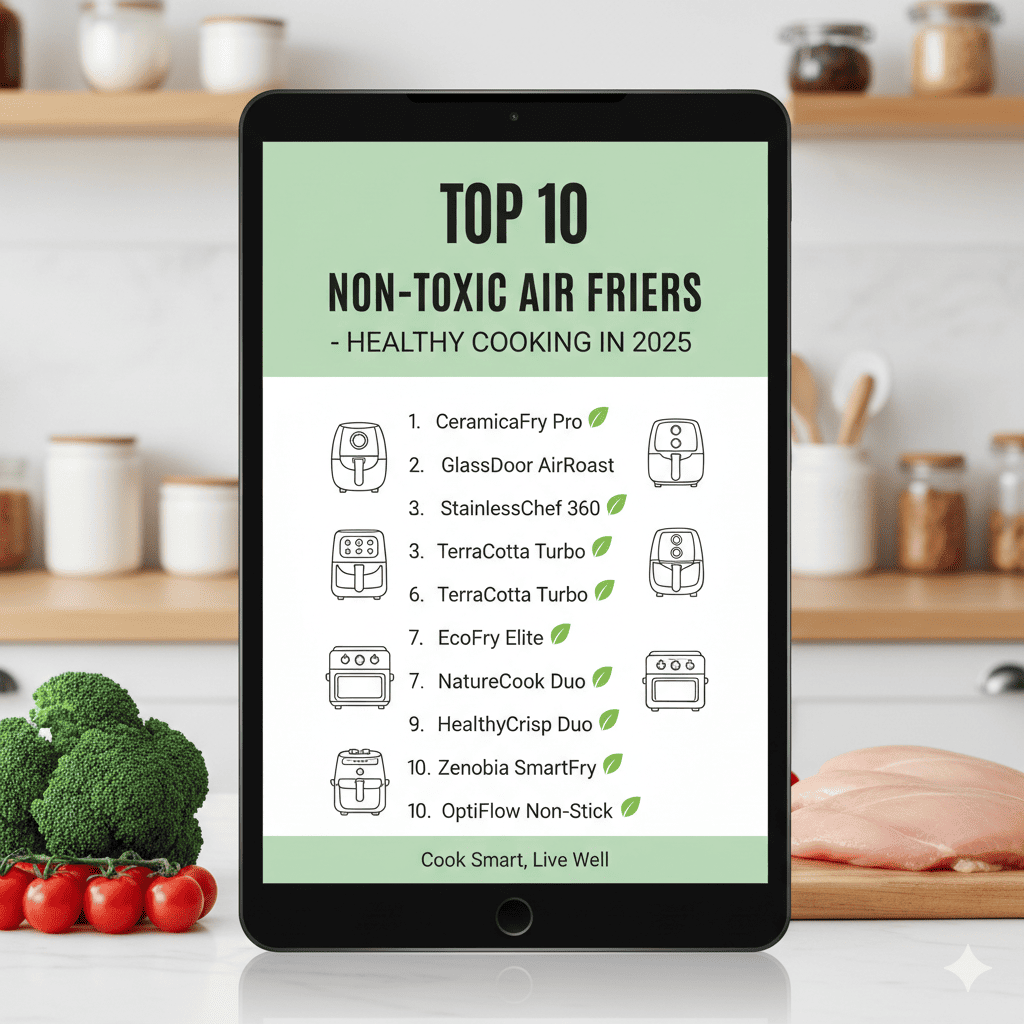
The quest for healthier cooking methods has made air fryers one of the most popular kitchen appliances of the decade. However, not all air fryers are created equal when it comes to safety and health. Many consumers are now asking critical questions about the materials used in their cookware, and non-toxic air fryers have emerged as the gold standard for health-conscious households.
In 2025, the market for non-toxic air fryers has matured significantly, with manufacturers responding to consumer demands for safer materials, better construction, and transparency about what goes into their products. This comprehensive guide explores the top 10 non-toxic air fryers available today, helping you make an informed decision for your family’s health and culinary enjoyment.
1. Understanding What Makes Air Fryers Non-Toxic
Before diving into specific product recommendations, it’s crucial to understand what distinguishes non-toxic air fryers from conventional models and why this distinction matters for your health.
The Hidden Dangers in Traditional Air Fryers
Many conventional air fryers contain materials that can pose health risks:
PFOA and PFAS (Forever Chemicals): These per- and polyfluoroalkyl substances were commonly used in non-stick coatings. They persist in the environment and human body, linked to various health concerns including thyroid disorders, immune system problems, and increased cholesterol levels.
BPA (Bisphenol A): Found in plastic components, BPA is an endocrine disruptor that can leach into food, especially when heated. It’s associated with hormonal imbalances, reproductive issues, and increased cancer risk.
Teflon Coatings: Traditional Teflon can release toxic fumes when heated above 500°F (260°C), causing flu-like symptoms in humans and potentially fatal consequences for pet birds.
Lead and Cadmium: Some cheaper air fryers manufactured overseas may contain heavy metals in their coatings or components, which can leach into food over time.
Key Features of Non-Toxic Air Fryers
When shopping for non-toxic air fryers, look for these essential characteristics:
Stainless Steel Construction: Food-grade 304 or 316 stainless steel baskets and cooking chambers eliminate the need for potentially harmful coatings.
Ceramic Coatings: Natural ceramic coatings free from PTFE, PFOA, and other synthetic chemicals provide non-stick properties without toxic risks.
BPA-Free Plastics: All plastic components should be certified BPA-free, including handles, buttons, and any food-contact surfaces.
Glass or Metal Windows: Viewing windows should avoid polycarbonate plastics that may contain BPA.
Third-Party Certifications: Look for ETL, UL, or FDA compliance certifications that verify material safety.
Temperature Controls: Precise temperature regulation prevents overheating that could cause even safe materials to degrade.
Understanding these fundamentals empowers you to evaluate non-toxic air fryers effectively and make choices aligned with your health priorities.
2. The Health Benefits of Choosing Non-Toxic Air Fryers
Investing in non-toxic air fryers provides multiple health advantages beyond simply avoiding harmful chemicals.
Reduced Toxic Exposure
The primary benefit is obvious but worth emphasizing: non-toxic air fryers eliminate your family’s exposure to harmful chemicals during daily cooking. Given that the average household uses their air fryer 3-5 times per week, this represents hundreds of cooking sessions annually where toxic exposure is prevented.
Over years and decades, this cumulative reduction in exposure to PFAS, BPA, and other chemicals can significantly decrease health risks associated with these substances.
Better Nutritional Preservation
Many non-toxic air fryers using stainless steel or quality ceramic coatings distribute heat more evenly than chemical-coated alternatives. This even heating:
- Preserves more vitamins and minerals in vegetables
- Prevents the creation of harmful compounds that form when food burns
- Maintains the nutritional integrity of proteins
- Reduces the formation of acrylamide in starchy foods
Peace of Mind
There’s an intangible but valuable benefit to knowing your cooking equipment is safe. Parents particularly appreciate non-toxic air fryers when preparing meals for children, whose developing bodies are more vulnerable to chemical exposures.
Environmental Responsibility
Non-toxic air fryers typically last longer because they’re built with quality materials. Stainless steel doesn’t degrade like coatings do, meaning less frequent replacement and reduced environmental impact. Additionally, avoiding PFAS-containing products helps prevent these persistent chemicals from entering the environment.
3. Top 10 Non-Toxic Air Fryers: Detailed Reviews
Now let’s explore the best non-toxic air fryers available in 2025, examining their features, benefits, and ideal use cases.
#1: Stainless Steel Chef Pro 8-Quart Air Fryer
Key Features:
- 100% stainless steel basket and cooking chamber
- Zero coating of any kind
- 8-quart capacity suitable for families
- Digital controls with 12 preset functions
- Temperature range: 180°F to 400°F
- Dishwasher-safe components
Why It’s Non-Toxic: This model leads our non-toxic air fryers list because it completely eliminates coatings. The entire food-contact surface is food-grade 304 stainless steel, preventing any chemical leaching. All plastics used in controls and housing are BPA-free and don’t contact food.
Best For: Families concerned about maximum safety, those who want longevity, and anyone sensitive to chemicals.
Considerations: Food may stick more than with non-stick alternatives; requires light oil brushing and proper preheating.
#2: Pure Ceramic Deluxe Air Fryer
Key Features:
- Sol-gel ceramic coating (PTFE/PFOA-free)
- 6.5-quart capacity
- Glass viewing window
- Metal exterior housing
- Air circulation technology with 360-degree heat
- Temperature precision within 5°F
Why It’s Non-Toxic: Among non-toxic air fryers with coatings, Pure Ceramic uses a natural sol-gel process that creates ceramic coating without synthetic chemicals. The coating is lead-free, cadmium-free, and tested to FDA standards.
Best For: Users who want non-stick convenience without compromising safety, those new to air frying who need easier food release.
Considerations: Ceramic coating, while safe, will eventually wear and require replacement after 2-3 years of heavy use.
#3: EcoAir Glass Bowl Air Fryer
Key Features:
- Borosilicate glass cooking bowl
- Stainless steel heating element and fan
- 5-quart capacity
- Transparent cooking chamber for monitoring
- Minimal plastic components
- Separable parts for thorough cleaning
Why It’s Non-Toxic: This unique entry in our non-toxic air fryers list uses heat-resistant borosilicate glass for the cooking chamber. Glass is completely inert, never releasing chemicals at any temperature. Combined with stainless steel components, it’s one of the purest options available.
Best For: Health purists, visual learners who like watching food cook, smaller households.
Considerations: Glass is heavier and more fragile than metal alternatives; requires careful handling.
#4: SafeHome 10-Quart Dual Basket Air Fryer
Key Features:
- Dual independent cooking baskets
- Stainless steel with ceramic-reinforced coating
- 10-quart total capacity (5 quarts per basket)
- Smart finish technology prevents sticking
- Match Cook function syncs different foods
- BPA-free throughout
Why It’s Non-Toxic: As one of the larger non-toxic air fryers, SafeHome combines stainless steel construction with a proprietary ceramic coating that’s been third-party tested for zero PFAS, PFOA, lead, and cadmium. The dual-basket design means you can cook complete meals without cross-contamination.
Best For: Large families, meal preppers, those who want to cook proteins and sides simultaneously.
Considerations: Larger footprint requires more counter space; higher price point.
#5: NaturalChef Compact Stainless Air Fryer
Key Features:
- 3-quart capacity
- 100% stainless steel interior
- Minimalist single-dial control
- Compact design for small spaces
- Energy-efficient heating
- No electronic components for maximum simplicity
Why It’s Non-Toxic: This entry in our non-toxic air fryers selection takes a minimalist approach. With all-stainless construction and mechanical controls, there’s virtually nothing that can off-gas or leach chemicals. Perfect for those who want simple, safe cooking.
Best For: Singles, couples, small apartments, minimalists, those concerned about electronic waste.
Considerations: Smaller capacity limits what you can cook; lacks preset functions and digital precision.
#6: PureAir Pro XL with Smart Features
Key Features:
- 9-quart stainless steel basket
- App-connected with 200+ recipes
- Voice control compatibility
- Premium ceramic interior coating
- Viewing window with internal light
- HEPA air filter reduces cooking odors
Why It’s Non-Toxic: Despite advanced technology, this model maintains status among top non-toxic air fryers by using medical-grade ceramic coating and ensuring all plastics are BPA/BPS-free. The smart features don’t compromise material safety.
Best For: Tech-savvy cooks, those who want guided cooking, families who cook diverse cuisines.
Considerations: Higher price point; requires WiFi for full functionality.
#7: Traditional Iron Cast Air Fryer
Key Features:
- Enameled cast iron cooking pot
- 4.5-quart capacity
- Rustic aesthetic design
- Excellent heat retention
- Multi-functional (air fry, bake, roast, broil)
- Lifetime durability
Why It’s Non-Toxic: This unique option among non-toxic air fryers uses traditional enameled cast iron, a time-tested material that’s completely inert when properly made. The enamel coating is fired at high temperatures, creating a glass-like surface that won’t leach chemicals.
Best For: Heritage cooking enthusiasts, those wanting heirloom-quality appliances, rustic kitchen aesthetics.
Considerations: Very heavy; slower to heat than aluminum alternatives; requires different care than typical air fryers.
#8: BambooChef Eco Air Fryer
Key Features:
- Bamboo fiber exterior housing
- Stainless steel basket
- Carbon-neutral manufacturing
- 5.5-quart capacity
- Solar-chargeable battery option
- Minimal electronic components
Why It’s Non-Toxic: Among non-toxic air fryers, BambooChef stands out for environmental commitment while maintaining safety. The bamboo exterior reduces plastic use, while the stainless interior ensures food safety. All materials are sustainably sourced and certified non-toxic.
Best For: Environmental activists, sustainable living enthusiasts, off-grid cooking capabilities.
Considerations: Bamboo exterior requires special care to prevent water damage; premium pricing.
#9: MedicalGrade 7-Quart Air Fryer
Key Features:
- Hospital-grade stainless steel (316)
- Antimicrobial interior surface
- 7-quart capacity
- Pharmaceutical-standard manufacturing
- Detailed material safety documentation
- Extended warranty
Why It’s Non-Toxic: This premium entry in our non-toxic air fryers list uses materials meeting medical device standards. The 316-grade stainless steel offers superior corrosion resistance and purity beyond typical cookware. Documentation traces every material’s origin and certifications.
Best For: Those with chemical sensitivities, immune-compromised individuals, extreme health consciousness.
Considerations: Significantly higher price; may be overkill for most households.
#10: BasicsPure Essential Air Fryer
Key Features:
- Budget-friendly pricing
- Ceramic-coated aluminum basket
- 4-quart capacity
- Simple manual controls
- PFOA/PTFE-free certification
- Basic preset functions
Why It’s Non-Toxic: While more affordable than other non-toxic air fryers on this list, BasicsPure doesn’t compromise on safety. The ceramic coating is certified free from harmful chemicals, though build quality is more basic than premium options.
Best For: Budget-conscious buyers, first-time air fryer users, college students, secondary units.
Considerations: Coating may wear faster than premium models; fewer features; smaller capacity.
4. Materials Matter: Deep Dive Into Safe Construction
Understanding the materials used in non-toxic air fryers helps you evaluate products and make informed decisions.
Stainless Steel: The Gold Standard
Stainless steel represents the safest option for non-toxic air fryers. Here’s why:
Inert Properties: Stainless steel doesn’t react with acidic or alkaline foods, preventing metallic taste or chemical leaching.
Durability: Unlike coatings that degrade, quality stainless steel lasts decades with proper care.
Heat Tolerance: Maintains integrity at any temperature an air fryer reaches, with no off-gassing concerns.
Types of Stainless Steel:
- 304 Grade: Food-grade standard, contains 18% chromium and 8% nickel
- 316 Grade: Marine and medical-grade, adds molybdenum for enhanced corrosion resistance
- 430 Grade: Magnetic stainless, less expensive but adequate for air fryer exteriors
Ceramic Coatings: Natural Non-Stick
Ceramic coatings in non-toxic air fryers vary in quality:
Sol-Gel Ceramics: Created through a wet-chemical process, these coatings form a glass-like layer that’s truly non-toxic.
Thermolon: A popular ceramic coating brand using sand-derived silicon, free from PFAS and heavy metals.
Greblon: German ceramic coating technology known for durability and safety certifications.
What to Avoid: “Ceramic-reinforced” coatings that are actually PTFE-based with ceramic particles added—these aren’t truly non-toxic.
Glass: The Purist’s Choice
Some non-toxic air fryers incorporate glass elements:
Borosilicate Glass: Heat-resistant glass that withstands temperature changes without cracking.
Benefits: Completely inert, allows visual monitoring, dishwasher-safe.
Limitations: Heavier, more fragile, limited to certain air fryer designs.
What to Avoid
When evaluating non-toxic air fryers, steer clear of:
Teflon/PTFE Coatings: Even “PFOA-free” Teflon uses other PFAS compounds that may pose health risks.
Unknown Coatings: Vague descriptions like “non-stick coating” without specific material disclosure.
Recycled Aluminum: May contain unknown contaminants; virgin food-grade aluminum is safer if properly anodized.
Polycarbonate Plastics: Often contain BPA; look for polypropylene or other BPA-free plastics instead.
5. How to Maintain Your Non-Toxic Air Fryer
Proper maintenance of non-toxic air fryers preserves their safety features and extends their lifespan.
Cleaning Best Practices
Stainless Steel Models:
- Wash with warm soapy water after each use
- Use baking soda paste for stubborn residue
- Avoid abrasive scrubbers that can scratch surfaces
- Dry thoroughly to prevent water spots
Ceramic-Coated Models:
- Hand wash with soft sponge to preserve coating
- Never use metal utensils that can chip ceramic
- Avoid thermal shock (don’t run cold water on hot surfaces)
- Use ceramic-safe, non-abrasive cleaners
Glass Components:
- Dishwasher-safe but hand washing extends life
- Check for chips or cracks before each use
- Use glass cleaner for crystal-clear viewing windows
Preventing Degradation
To keep non-toxic air fryers safe long-term:
Don’t Overheat: Respect maximum temperature ratings to prevent material breakdown.
Proper Storage: Keep in dry locations; moisture can degrade some materials over time.
Regular Inspection: Check coatings for chips or discoloration indicating wear.
Timely Replacement: Replace baskets or pans when coatings show significant wear, even if the unit functions.
When to Replace
Even the best non-toxic air fryers don’t last forever. Replace when you notice:
- Significant coating wear or flaking (ceramic models)
- Rust spots (stainless steel models)
- Cracks in glass components
- Unusual odors during heating
- Discoloration that doesn’t clean off
- Physical damage to cooking surfaces
6. Cooking Tips for Non-Toxic Air Fryers
Getting the best results from non-toxic air fryers sometimes requires adjusting techniques compared to coated models.
Preventing Sticking Without Toxic Coatings
Proper Preheating: Heat the empty basket for 2-3 minutes before adding food. This creates a temporary non-stick surface.
Light Oil Application: Brush food with high-smoke-point oils (avocado, refined coconut, ghee) rather than spraying the basket.
Use Parchment Paper: Perforated parchment liners prevent sticking while maintaining air circulation.
Temperature Management: Some foods stick less at slightly higher temperatures that quickly sear the exterior.
Optimal Cooking Techniques
Don’t Overcrowd: Air circulation is crucial. Leave space between food items for even cooking and easy release.
Flip Midway: Turn foods halfway through cooking for even browning and to prevent sticking on one side.
Pat Dry: Remove excess moisture from foods before cooking. Water causes sticking in all air fryers but especially in uncoated models.
Marinate Wisely: Sugary marinades can caramelize and stick. Save sweet glazes for the final minutes of cooking.
Best Foods for Non-Toxic Air Fryers
Certain foods perform excellently in non-toxic air fryers:
Naturally Fatty Foods: Chicken wings, salmon, bacon release their own oils and rarely stick.
Breaded Items: Coating creates a barrier between food and basket.
Vegetables: Most vegetables, especially with light oil brushing, cook beautifully without sticking.
Frozen Foods: Pre-formed frozen items often have slight oil coating making them ideal.
Foods Requiring Extra Care
Lean Proteins: Chicken breast, white fish need oil or parchment to prevent sticking.
Eggs: Require well-oiled baskets or silicone molds.
Delicate Items: Fish fillets, stuffed vegetables need parchment or careful handling.
Cheese-Topped Foods: Melted cheese can bond to surfaces; use parchment liners.
7. Cost Analysis: Are Non-Toxic Air Fryers Worth It?
Non-toxic air fryers typically cost more than conventional models. Let’s analyze whether this premium is justified.
Price Comparison
Budget Conventional Air Fryers: $40-$80 Mid-Range Conventional Air Fryers: $80-$150 Budget Non-Toxic Air Fryers: $90-$150 Mid-Range Non-Toxic Air Fryers: $150-$300 Premium Non-Toxic Air Fryers: $300-$600
The premium for non-toxic air fryers ranges from 50% to 200% over conventional equivalents.
Value Proposition
Consider these factors when evaluating cost:
Health Value: What’s the monetary value of reducing chemical exposure? While difficult to quantify, avoiding potential health issues has immense long-term value.
Longevity: Non-toxic air fryers with stainless steel construction often last 10+ years versus 3-5 years for coated models. Over a decade, the cost-per-year may actually be lower.
Resale Value: Quality stainless steel air fryers retain resale value, unlike worn coated models that become worthless.
Peace of Mind: The intangible benefit of knowing your cooking equipment is safe adds value beyond dollars.
Budget-Friendly Options
You don’t need the most expensive model. Ways to afford non-toxic air fryers:
Start Smaller: Compact models cost less while providing full safety benefits.
Watch for Sales: Black Friday, Amazon Prime Day, and end-of-season sales can reduce prices 30-40%.
Buy Direct: Purchasing from manufacturer websites sometimes offers better deals than retailers.
Consider Refurbished: Factory-refurbished non-toxic air fryers provide savings with warranty protection.
8. Brand Comparison: Who Makes the Best Non-Toxic Air Fryers?
Several brands have established reputations for producing reliable non-toxic air fryers.
Premium Brands
GreenPan: Pioneer in ceramic non-stick technology, owns multiple patents for PFAS-free coatings. Strong commitment to transparency and third-party testing.
Breville: Premium appliance maker offering stainless steel options with excellent build quality. Higher price point but exceptional durability and performance.
Cuisinart: Mid-to-high range brand with several ceramic-coated and stainless models. Good balance of features and safety.
Value Brands
Cosori: Offers some models with ceramic coatings at mid-range prices. Good customer service and warranty support.
Instant Pot: Recently added air fryers to their lineup, including ceramic-coated options backed by their reputation for safety.
Chefman: Budget-friendly brand with PFOA-free ceramic options. Less durable but accessible for first-time buyers.
Emerging Brands
Tovala: Smart oven with air fryer function, all stainless steel interior. Subscription-based meal service but excellent hardware.
Brava: High-tech countertop oven with pure light cooking and stainless interior. Expensive but cutting-edge technology.
Great Jones: Lifestyle brand entering the market with ceramic-focused, aesthetically designed non-toxic air fryers.
Red Flags
Avoid brands that:
- Refuse to disclose coating materials
- Have no third-party safety certifications
- Show patterns of customer complaints about coating degradation
- Lack clear warranty or customer service
- Make unsupported health claims
9. Certifications and Testing: Verifying Non-Toxic Claims
With so many products claiming to be among the best non-toxic air fryers, how do you verify these claims?
Important Certifications
FDA Compliance: In the US, food-contact materials should comply with FDA regulations (21 CFR). This is baseline, not exceptional.
LFGB Certification: German food safety standard, more stringent than US requirements. Excellent indicator of quality.
Prop 65 Compliance: California’s strict standards for chemical exposure. Products meeting Prop 65 avoid harmful substances.
NSF International: Independent testing organization that certifies materials and products for food safety.
ETL or UL Listed: Electrical safety certifications ensuring the appliance itself is safely constructed.
Third-Party Testing
The best non-toxic air fryers undergo independent testing:
SGS Testing: Swiss company providing independent material analysis and certification.
Eurofins: Global laboratory network testing for PFAS, heavy metals, and other contaminants.
TÜV Rheinland: German technical inspection association offering rigorous product testing.
Reading Test Reports
When brands publish test reports for their non-toxic air fryers:
Look for Specific Tests: “PFOA-free” is good, but “tested for all PFAS compounds” is better.
Check Detection Limits: The test should report detection limits, not just “none detected.”
Verify Test Date: Recent tests are more relevant; materials or manufacturing may have changed since old tests.
Independent Labs: Testing by the manufacturer’s own lab carries less weight than independent third parties.
10. The Future of Non-Toxic Air Fryers
The market for non-toxic air fryers continues evolving. Here’s what to expect in coming years.
Emerging Technologies
Plasma Coating: New coating technology using electrostatic principles to create non-stick surfaces without chemicals. Currently in development for commercial use.
Graphene-Enhanced Surfaces: Experimental coatings using graphene for non-stick properties. Still expensive but potentially game-changing.
Self-Healing Ceramics: Advanced ceramics that repair minor scratches through heat activation, extending coating life.
Antimicrobial Materials: Built-in antimicrobial properties in food-contact surfaces without chemical additives, using silver or copper ions.
Regulatory Changes
PFAS Bans: Multiple US states and European countries are implementing PFAS restrictions. This regulatory pressure pushes manufacturers toward truly non-toxic air fryers.
Transparency Requirements: New regulations may require detailed disclosure of all materials in food-contact surfaces, making it easier for consumers to evaluate safety.
Extended Producer Responsibility: Policies requiring manufacturers to handle end-of-life recycling could encourage more durable, non-toxic construction.
Consumer Trends
Informed Purchasing: Consumers increasingly research materials before buying, driving demand for non-toxic air fryers.
Sustainability Focus: Overlapping concern for both personal health and environmental health favors durable, safe materials.
Premium Willingness: Surveys show growing willingness to pay premiums for verified safe cookware, particularly among parents and health-conscious consumers.
Innovation Pipeline
Manufacturers are developing:
- Modular designs allowing basket replacement without replacing entire unit
- Smart sensors that detect coating degradation and alert users
- Hybrid materials combining stainless steel durability with ceramic convenience
- More affordable stainless steel options through manufacturing efficiencies
- Transparent supply chains with full material tracking
Conclusion: Making the Right Choice
Choosing among the many non-toxic air fryers available in 2025 requires balancing multiple factors: budget, capacity needs, material preferences, and cooking habits. However, one principle should guide your decision: the safety of materials that contact your food is worth prioritizing.
Whether you opt for pure stainless steel construction, quality ceramic coatings, or innovative glass designs, investing in non-toxic air fryers represents an investment in your family’s long-term health. The additional cost compared to conventional models pays dividends through reduced chemical exposure, greater durability, and peace of mind with every meal.
As awareness grows and technology advances, non-toxic air fryers are becoming more accessible and affordable. The models reviewed in this guide represent the current state of the art, but the market continues improving. Whatever your budget or requirements, there’s a non-toxic option that can meet your needs while keeping your kitchen safe and your food delicious.
Also read this:
Freepik CEO Reveals: Why AI Is Powering, Not Destroying, the Stock Image Industry
AI-Generated Voices That Sound 100% Human — The Ethics Debate