

Dive into the intricate world of Man-in-the-Middle attack with our concise guide. Explore various types of MitM attacks, from session hijacking to SSL stripping, and learn effective prevention strategies. Discover essential techniques to detect and remove these stealthy intrusions, safeguarding your digital interactions against potential breaches and ensuring the integrity of your online communications.
What is Man-in-the-Middle Attack ?
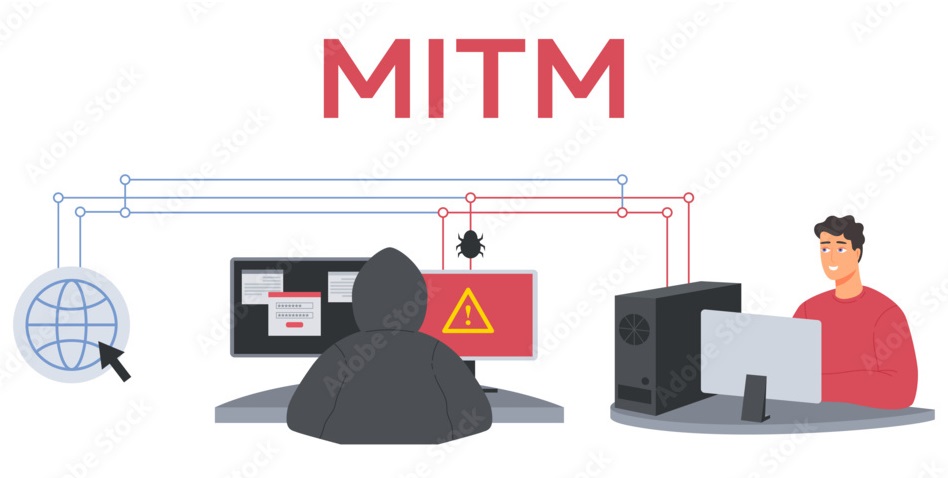
A Man-in-the-Middle (MitM) attack occurs when a malicious actor intercepts and potentially alters communication between two parties who believe they are directly communicating with each other. In this scenario, the attacker positions themselves between the sender and the receiver, essentially eavesdropping on the conversation or transaction.
This type of attack can happen in various forms, such as on public Wi-Fi networks, where hackers can easily intercept data transmitted between a user and a website or application. Once in the middle, the attacker can monitor, modify, or even inject their own data packets into the communication stream. This manipulation can lead to a range of malicious activities, including stealing sensitive information like login credentials, financial details, or personal data. MitM attacks pose a significant threat to both individuals and organizations. As they can compromise the confidentiality, integrity, and authenticity of the communication.
Types of Man-in-the-Middle Attacks
Here are some types of Man-in-the-Middle (MitM) attacks:
- IP Spoofing: The attacker impersonates a trusted IP address to intercept or manipulate data packets.
- ARP Spoofing: The attacker associates their MAC address with the IP address of a legitimate device on the network, diverting traffic through their system.
- DNS Spoofing: The attacker manipulates DNS responses to redirect users to malicious websites or servers.
- SSL Stripping: The attacker downgrades HTTPS connections to HTTP, allowing them to intercept and read plaintext communication.
- Wi-Fi Eavesdropping: The attacker intercepts data transmitted over unsecured Wi-Fi networks, potentially capturing sensitive information.
- SSL/TLS Interception: The attacker intercepts encrypted communication between a client and server by presenting fake SSL/TLS certificates.
- Email Hijacking: The attacker intercepts and alters email communication between parties, potentially inserting malicious content or redirecting sensitive information.
- Session Hijacking: The attacker steals a valid session token to impersonate a user and gain unauthorized access to systems or accounts.
- HTTPS Spoofing: The attacker creates a fraudulent website with a similar domain name to the legitimate one, tricking users into entering sensitive information.
- Bluetooth Hijacking: The attacker intercepts Bluetooth communication between devices, potentially gaining access to data or controlling the devices remotely.
How to Detect a Man-in-the-Middle Attack ?
To detect a Man-in-the-Middle (MitM) attack, you can:
- Monitor Network Traffic: Analyze network traffic for anomalies, such as unexpected redirects, unusual packet sizes, or unfamiliar IP addresses.
- Check SSL Certificates: Verify the authenticity of SSL certificates and look for any changes or discrepancies in certificate information.
- Use Intrusion Detection Systems (IDS): Deploy IDS solutions to detect and alert on suspicious network activity indicative of MitM attacks.
- Inspect ARP Tables: Regularly inspect ARP tables to ensure they haven’t been tampered with or modified to redirect traffic.
- Compare DNS Responses: Compare DNS responses against known, trusted DNS servers to detect DNS spoofing or manipulation.
- Look for HTTPS Encryption: Ensure that HTTPS encryption is properly implemented and actively used for secure communication.
- Monitor Certificate Revocation Lists (CRL): Check CRLs to see if any certificates used in communication have been revoked due to security concerns.
- Analyze Endpoint Behavior: Monitor endpoint devices for unusual behavior or signs of compromise, such as unexpected network connections or changes in configuration settings.
- Use Packet Capture Tools: Employ packet capture tools to capture and analyze network traffic in real-time, looking for signs of unauthorized interception or manipulation.
- Perform Regular Security Audits: Conduct periodic security audits and penetration tests to identify and address vulnerabilities that could be exploited in MitM attacks.
- Educate Users: Train users to recognize the signs of MitM attacks and encourage them to report any suspicious activity or unexpected behavior on their devices or networks.
How to Remove Man-in-the-Middle Attack ?
Removing a Man-in-the-Middle (MitM) attack involves mitigating its effects and restoring the integrity of the communication channels. Here are steps to remove a MitM attack:
- Terminate Suspicious Connections: Identify and terminate any suspicious connections or sessions that may have been established by the attacker.
- Change Credentials: Immediately change passwords, encryption keys, and any other authentication credentials that may have been compromised during the attack.
- Revoke Certificates: Revoke any digital certificates that were fraudulently issue or compromise during the attack to prevent their further misuse.
- Update Security Protocols: Update security protocols, software, and systems to patch any vulnerabilities exploited by the attacker and prevent future MitM attacks.
- Review System Logs: Analyze system logs and network traffic to understand the extent of the attack, identify compromised systems, and gather evidence for forensic analysis.
- Perform Forensic Analysis: Conduct a thorough forensic analysis of affected systems to determine the attack vector, identify the attacker’s tactics, and assess the impact on data integrity and confidentiality.
- Implement Security Enhancements: Implement additional security measures, such as encryption, authentication mechanisms, network segmentation, and intrusion detection systems, to fortify defenses against future MitM attacks.
- Educate Users: Educate users about MitM attack risks, prevention strategies, and best practices for securely accessing networks. And communicating online to minimize the likelihood of future incidents.
- Report the Incident: Report the MitM attack to relevant authorities, such as law enforcement agencies, regulatory bodies, or cybersecurity incident response teams. To investigate the incident and take appropriate action.
- Monitor for Recurrence: Continuously monitor network traffic and system logs for signs of recurring MitM attacks. Or suspicious activity, and promptly respond to any anomalies detected.
How to Prevent Man-in-the-Middle Attack ?
Here are some man-in-the-middle attack prevention tips:
- Utilize Secure Connections: Employ encrypted communication channels like SSL/TLS (HTTPS) to protect data in transit.
- Implement Digital Certificates: Use digital certificates for authentication to ensure the legitimacy of communicating parties.
- Enforce Two-Factor Authentication (2FA): Require additional verification beyond passwords to access accounts or systems.
- Segment Networks: Divide networks into segments with strict access controls to isolate sensitive data.
- Deploy Intrusion Detection and Prevention Systems (IDS/IPS): Monitor network traffic for suspicious activity and automate response actions.
- Keep Software Updated: Regularly apply patches and updates to software, operating systems, and security protocols.
- Educate Users: Train users on MitM attack risks and best practices for secure online communication.
- Secure Wi-Fi Networks: Use strong encryption and unique passwords for Wi-Fi networks, avoiding unsecured or public networks.
- Ensure Physical Security: Protect physical infrastructure from unauthorized access with surveillance and access control measures.
Also Read :