
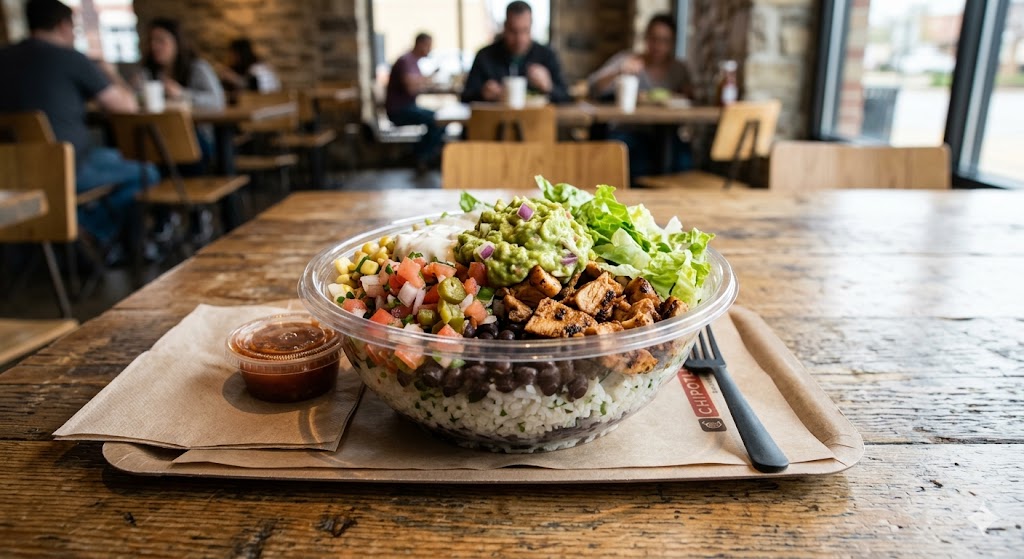
You’ve probably ordered a chipotle bowl or seen it trending everywhere online. But most people don’t realize how easy it is to customize or recreate it perfectly at home. In this guide, you’ll learn exactly what a chipotle bowl is, how to build one step-by-step, and how to make healthier, tastier versions tailored to your goals.
Key Takeaways
- Chipotle bowl is a customizable meal built with a base, protein, beans, toppings, and sauces.
- Homemade chipotle bowls offer better control over nutrition, portion size, and cost.
- Balanced bowls combine protein, carbs, fats, and fiber for sustained energy.
- Popular variations include high-protein, vegan, and low-carb chipotle bowls.
- Meal prepping chipotle bowls saves time and supports healthy eating habits.
- Ingredient selection directly impacts calorie count and flavor profile.
What Is a Chipotle Bowl and What Does It Include?
A chipotle bowl is a customizable meal consisting of a base, protein, beans, toppings, and sauces. It is inspired by Mexican flavors and popularized by restaurants like Chipotle Mexican Grill.
First, the base typically includes rice or lettuce. For example, a classic bowl uses cilantro-lime rice, while a low-carb version swaps it for greens.
Second, protein options include chicken, beef, tofu, or beans. This allows flexibility for both meat-eaters and vegetarians.
Third, toppings such as salsa, cheese, guacamole, and vegetables add flavor and texture. This combination makes it a balanced, nutrient-rich meal in one bowl.
Moreover, chipotle bowls are essentially a burrito without the tortilla, making them lighter and easier to customize.
Why Are Chipotle Bowls Considered Healthy?
Chipotle bowls are considered healthy because they combine whole ingredients, balanced macros, and customizable portions.
First, they provide a balance of macronutrients. For example, rice offers carbs, chicken adds protein, and guacamole supplies healthy fats.
Second, they are rich in fiber. Beans and vegetables help improve digestion and keep you full longer.
Third, they support portion control. By choosing your ingredients, you can reduce calories or increase protein depending on your goals.
According to research, high-protein meals can reduce hunger by up to 60% — Source: Harvard Health, 2021. This explains why chipotle bowls are popular among fitness enthusiasts.
Additionally, a healthy chipotle bowl combines protein, fiber, and healthy fats to support sustained energy and nutrition.
What Ingredients Go Into a Perfect Chipotle Bowl?
A perfect chipotle bowl includes four essential components: base, protein, toppings, and sauces.
Base Options (Rice or Greens)
First, the base forms the foundation of your bowl. Options include:
- White rice
- Brown rice
- Lettuce (low-carb option)
For example, brown rice provides more fiber, making it ideal for a macro balanced diet plan.
Protein Choices
Second, protein is the most important element for satiety. Popular choices include:
- Chicken (most popular)
- Steak
- Tofu or sofritas
- Beans (vegetarian option)
If you’re building muscle, include foods from high protein diet foods.
Beans & Toppings
Third, toppings enhance both flavor and nutrition:
- Black beans or pinto beans
- Corn salsa
- Fajita vegetables
- Cheese
- Sour cream
Sauces & Flavor Enhancers
Finally, sauces elevate taste:
- Salsa (mild to spicy)
- Guacamole
- Chipotle sauce
A simple tip: less sauce = fewer calories, more control.
How Do You Make a Chipotle Bowl at Home Step-by-Step?
Making a chipotle bowl at home involves preparing individual components and assembling them into a balanced meal.
Step 1: Prepare the Base
First, cook rice or prepare greens. For example, learning how to cook perfect rice can improve flavor instantly.
Step 2: Cook the Protein
Second, season and cook your protein. Use spices like paprika, cumin, garlic, and chili powder for authentic taste.
Step 3: Prepare Toppings
Third, chop vegetables and prepare toppings like salsa and guacamole.
Step 4: Assemble the Bowl
Finally, layer your ingredients:
- Base
- Protein
- Beans
- Toppings
- Sauce
This process ensures even distribution of flavor.
Notably, making a chipotle bowl at home is 40–60% cheaper than ordering out — Source: Numbeo, 2024.
How Many Calories Are in a Chipotle Bowl?
Chipotle bowl calories vary based on ingredient choices and portion sizes.
First, a standard bowl ranges between 500–900 calories. For example, adding cheese and sour cream significantly increases calories.
Second, healthier versions can be under 500 calories. This includes lean protein, vegetables, and light sauces.
Third, high-calorie versions can exceed 1,000 calories with extras like double meat and guacamole.
| Ingredient | Calories (Approx) |
|---|---|
| Rice | 200–250 |
| Chicken | 150–200 |
| Beans | 100–150 |
| Cheese | 100 |
| Guacamole | 200 |
Additionally, calorie content in a chipotle bowl varies based on ingredient choices and portion sizes.
If your goal is weight loss, explore low calorie meal ideas.
What Are the Best Protein Options for a Chipotle Bowl?
The best protein options for a chipotle bowl depend on your dietary goals.
First, chicken is the most balanced choice. It offers high protein with moderate calories.
Second, steak provides more iron but slightly higher fat content.
Third, tofu or beans are ideal for plant-based diets.
Research shows that protein intake supports muscle growth and metabolism — Source: NIH, 2022.
Therefore, choosing the right protein can transform your bowl into a performance meal.
How Can You Customize a Chipotle Bowl for Weight Loss?
Customizing a chipotle bowl for weight loss involves reducing calories while maintaining nutrients.
First, choose lettuce instead of rice. This cuts carbs significantly.
Second, avoid high-calorie toppings like cheese and sour cream.
Third, add more vegetables for volume and fiber.
For example, a low-calorie bowl might include grilled chicken, lettuce, beans, and salsa.
This strategy aligns with healthy meal prep ideas for consistent results.
What Is the Difference Between a Burrito Bowl and a Chipotle Bowl?
A burrito bowl is essentially the same as a chipotle bowl but without the tortilla.
First, both contain similar ingredients like rice, protein, and toppings.
Second, the key difference is presentation. Burrito bowls are deconstructed versions of burritos.
Third, the term “chipotle bowl” is often used generically due to brand popularity.
In simple terms, a burrito bowl and a chipotle bowl are structurally identical meals.
What Are the Best Sauces and Toppings for Maximum Flavor?
The best sauces and toppings enhance flavor without overpowering the bowl.
First, salsa adds freshness and spice. Options range from mild to hot.
Second, guacamole provides creaminess and healthy fats.
Third, fajita vegetables add texture and sweetness.
For example, combining corn salsa with spicy sauce creates a balanced flavor profile.
What Are Popular Chipotle Bowl Variations?
Chipotle bowl variations allow you to adapt the meal to your lifestyle.
High-Protein Chipotle Bowl
First, this version focuses on lean meats and double protein.
Vegan Chipotle Bowl
Second, it replaces meat with beans and tofu. For more ideas, check vegan meal plan guide.
Keto / Low-Carb Bowl
Third, it eliminates rice and beans, focusing on protein and vegetables.
Budget-Friendly Bowl
Finally, use simple ingredients like rice, beans, and homemade salsa. This aligns with budget friendly meals
How Do You Meal Prep Chipotle Bowls for the Week?
Meal prepping chipotle bowls involves batch cooking ingredients and storing them for later use.
First, cook large portions of rice and protein.
Second, store toppings separately to maintain freshness.
Third, assemble bowls when needed.
Studies show that meal prepping can reduce food waste by 30% — Source: USDA, 2023.
Additionally, meal prepping chipotle bowls allows for quick, balanced meals throughout the week.
Tools, Ingredients & Meal Prep Tips
Tools for making chipotle bowls include:
- Rice cooker
- Non-stick pan
- Meal prep containers
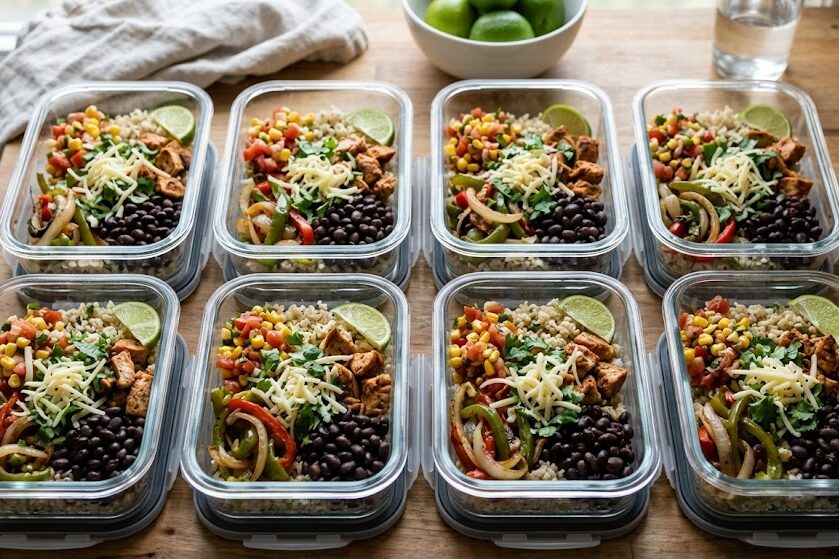
Tips for efficiency:
- Cook protein in batches
- Use airtight containers
- Keep sauces separate
This approach fits perfectly into quick weeknight meals.
What’s Next: How to Customize Your Perfect Bowl
Customizing your perfect chipotle bowl means aligning ingredients with your goals and taste.
First, decide your goal: weight loss, muscle gain, or convenience.
Second, adjust portions accordingly. For example, increase protein for muscle gain.
Third, experiment with flavors and combinations.
By doing this, you can create a bowl that fits your lifestyle perfectly.
Conclusion
Chipotle bowls are one of the most versatile, healthy, and customizable meals you can make. From understanding ingredients to mastering meal prep, you now have everything you need to build your perfect bowl.
Ultimately, whether you’re cooking at home or ordering out, a chipotle bowl gives you complete control over flavor and nutrition. Start experimenting today and turn your meals into something both delicious and functional.
If you’re looking for more inspiration, explore best healthy dinner ideas to keep your meals exciting.
FAQ
What is a Chipotle bowl?
A Chipotle bowl is a customizable meal inspired by Chipotle Mexican Grill, made with a base like rice or greens, protein, beans, vegetables, and toppings.
What ingredients are in a Chipotle bowl?
Common ingredients include rice, beans, grilled meat or plant-based protein, fajita veggies, salsa, cheese, guacamole, and sauces.
Are Chipotle bowls healthy?
They can be healthy depending on your choices, especially if you opt for lean protein, veggies, and controlled portions.
How many calories are in a Chipotle bowl?
Calories can range from 400 to over 1,000 depending on ingredients and portion sizes.
Can you make a Chipotle bowl at home?
Yes, you can recreate it by combining rice, beans, protein, veggies, and your favorite toppings at home.
What is the healthiest Chipotle bowl option?
A bowl with brown rice or greens, grilled chicken, beans, fajita veggies, and fresh salsa is considered a healthier choice.
Are Chipotle bowls good for weight loss?
They can support weight loss if you manage calories and avoid high-fat toppings like extra cheese and sour cream.
Can Chipotle bowls be vegetarian or vegan?
Yes, you can use beans, sofritas, or vegetables to make a vegetarian or vegan version.
What is the best protein for a Chipotle bowl?
Popular choices include chicken, steak, barbacoa, or plant-based sofritas.
How do you customize a Chipotle bowl?
You can customize it by choosing your base, protein, beans, toppings, and sauces according to your taste and dietary needs.
Written by Suraj Solanki — SEO Blogger with 5+ years of experience in content strategy, food blogging, and AI-optimized writing
Reviewed by Editorial Nutrition Team — Experts in healthy eating and meal planning
Disclaimer: This article was initially drafted using AI assistance. However, the content has undergone thorough revisions, editing, and fact-checking by human editors and subject matter experts to ensure accuracy.