
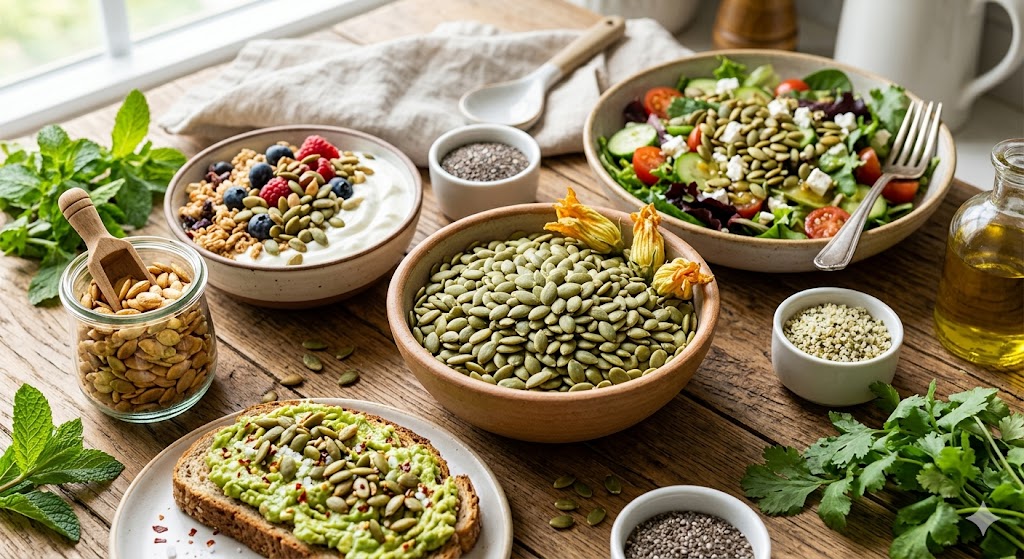
You already know seeds can be healthy, and you’ve probably seen pepitas sprinkled on salads, granola, or snack bowls. But most people miss how powerful these tiny green seeds can be for sleep, heart health, energy, and weight goals. In this guide, you’ll learn the top pepitas benefits, nutrition facts, and the smartest ways to eat them every day.
Key Takeaways
- Pepitas are shelled pumpkin seeds rich in protein, magnesium, zinc, healthy fats, and antioxidants.
- Pepitas benefits include support for heart health, immune function, digestion, and sustained energy.
- Fiber and protein in pepitas can support fullness and weight management when eaten in portions.
- Magnesium in pepitas may help support relaxation, muscle function, and healthy sleep patterns.
- Unsalted pepitas are often the best choice for daily use because they provide nutrients without excess sodium.
- A small daily serving can become an easy nutrition habit with long-term benefits.
- Pepitas are versatile foods that fit oatmeal, smoothies, yogurt, salads, and homemade snacks.
What Are Pepitas and How Are They Different From Pumpkin Seeds?
Pepitas are the edible shelled seeds of certain pumpkin varieties and are naturally rich in protein, magnesium, zinc, and healthy fats. Unlike traditional pumpkin seeds, pepitas come without the white outer shell, making them softer, greener, and easier to eat.
First, the word pepita comes from Spanish and means “little seed of squash.” These seeds are commonly harvested from Styrian or hull-less pumpkin varieties. For example, many store-bought pepitas are dark green, flat, and slightly chewy.
Second, pepitas and pumpkin seeds are closely related, but not identical in form. Pumpkin seeds often refer to whole seeds with shells attached, while pepitas are the inner seed kernel only.
Pepitas vs Pumpkin Seeds Table
| Feature | Pepitas | Pumpkin Seeds (Whole) |
|---|---|---|
| Shell | No | Yes |
| Texture | Tender, chewy | Crunchier |
| Color | Green | White shell outside |
| Ease of Eating | Very easy | Requires shelling or chewing |
| Common Uses | Salads, oats, snacks | Roasted snacks |
Moreover, pepitas deliver dense nutrition in a small serving. One ounce (about 28 grams) provides protein, healthy fats, fiber, and key minerals. USDA food data shows seeds are nutrient-dense foods with concentrated minerals — Source: USDA, 2025.
best seeds for health
Why Do Pepitas Matter for Health?
Pepitas matter for health because they provide multiple essential nutrients in a compact, convenient food. Modern diets often include refined snacks but miss minerals, fiber, and healthy fats that support daily function.
First, many adults fall short on magnesium intake. Magnesium helps muscle contraction, nerve signaling, and energy production. For example, pepitas are one of the richest seed sources of magnesium, making them a practical upgrade to processed snacks.
Second, pepitas combine nutrients that work together. Protein helps maintain muscle, fats support satiety, and zinc supports immune health. This combination can make them more useful than low-nutrient snack foods.
Moreover, replacing ultra-processed snacks with whole foods can improve diet quality over time. Higher intake of nuts and seeds is linked with better overall dietary patterns — Source: Harvard T.H. Chan School of Public Health, 2024.
how to build a balanced diet
What Are the Top Health Benefits of Pepitas?
Pepitas benefits include support for heart health, immune function, digestion, steady energy, and recovery. Their value comes from nutrients that many people need more of.
1. Pepitas Support Heart Health
Pepitas support heart health through healthy fats, magnesium, and plant compounds. These nutrients help support normal blood pressure and healthy circulation.
First, magnesium helps blood vessels relax. For example, diets rich in magnesium are associated with cardiovascular benefits in population research — Source: NIH Office of Dietary Supplements, 2025.
Second, pepitas contain unsaturated fats. Replacing some saturated fats with unsaturated fats may support heart markers over time.
heart healthy snacks
2. Pepitas Help Muscle Function and Recovery
Pepitas help muscle function because they provide magnesium, protein, and phosphorus. These nutrients assist movement, recovery, and cellular energy systems.
Moreover, active people often need portable nutrient-dense snacks. A handful of pepitas after training can pair well with fruit or yogurt for a balanced mini-meal.
3. Pepitas Strengthen Immune Health
Pepitas support immunity because they contain zinc, iron, and antioxidants. Zinc is especially important for normal immune cell function.
For example, zinc deficiency can impair immune responses, while adequate intake helps maintain normal defenses — Source: WHO, 2024.
4. Pepitas Aid Digestion
Pepitas aid digestion because they provide fiber and healthy fats. Fiber helps support regular bowel movements and satiety.
That being said, portion size matters. Too much fiber too quickly can cause bloating in sensitive people.
flaxseed benefits for digestion
5. Pepitas Promote Steady Energy
Pepitas promote steady energy because they combine fats, protein, and minerals. Unlike sugary snacks, they digest more slowly and may help reduce energy crashes.
6. Pepitas Support Skin and Hair
Pepitas support skin and hair through zinc, vitamin E, and healthy fats. These nutrients help maintain normal skin barrier function and healthy hair growth patterns.
For example, zinc is commonly included in skin-support nutrition plans.
healthy foods for glowing skin
7. Pepitas Provide Antioxidant Protection
Pepitas contain antioxidants that help protect cells from oxidative stress. Seeds naturally contain vitamin E and plant compounds that support overall wellness.
Can Pepitas Help With Weight Loss Goals?
Pepitas can help with weight loss goals when they replace processed snacks and are eaten in portion-controlled servings. They are calorie-dense, but they can still fit a fat-loss plan.
First, protein and fiber help fullness. For example, a small serving of pepitas with fruit may keep you satisfied longer than chips or sweets.
Second, pepitas are portable and easy to pre-portion. Measuring one ounce into containers can reduce mindless overeating.
Third, healthy fats slow digestion and can improve satisfaction after meals. This can make calorie control easier over time.
Smart Weight-Loss Uses
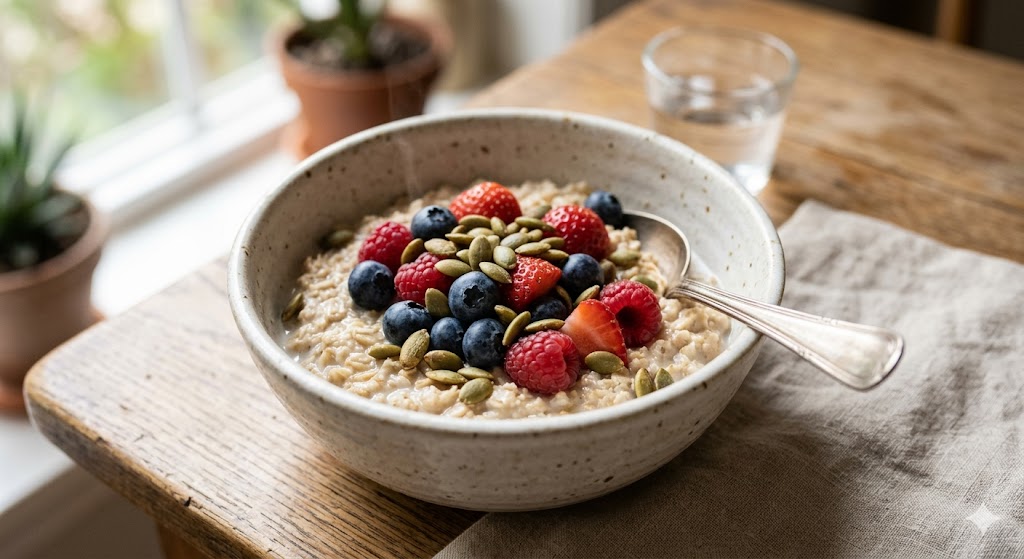
- Add 1 tablespoon to oatmeal
- Mix into Greek yogurt
- Use in homemade trail mix
- Sprinkle over salads
- Carry a pre-portioned snack pack
Are Pepitas a Good Source of Protein for Vegetarians?
Pepitas are a good source of plant protein for vegetarians because they provide meaningful protein in a small serving. They also pair well with legumes, grains, and dairy or soy foods.
First, one ounce of pepitas typically provides around 8–9 grams of protein depending on brand and preparation. For example, adding pepitas to lentil bowls increases both protein and crunch.
Second, seeds are not complete meal replacements. They work best as part of a varied pattern that includes beans, tofu, dairy, soy milk, or whole grains.
Moreover, combining different plant foods across the day helps meet amino acid needs.
high protein plant foods
Can Pepitas Improve Sleep and Stress Levels?
Pepitas may help support sleep and stress management because they are rich in magnesium. Magnesium plays a role in nervous system regulation, muscle relaxation, and sleep quality.
First, low magnesium intake is linked with poorer sleep in some people. For example, adding magnesium-rich foods may help overall sleep-support routines when paired with good sleep habits.
Second, pepitas also contain tryptophan naturally. Tryptophan is an amino acid involved in pathways related to serotonin and melatonin production.
That being said, pepitas are not a cure for insomnia. They work best alongside consistent bedtimes, lower evening caffeine, and a dark sleep environment.
foods rich in magnesium
best foods for better sleep
How Many Pepitas Should You Eat Per Day?
A practical daily serving of pepitas is about 1 to 2 tablespoons or roughly 1 ounce (28 grams), depending on your calorie needs. This amount gives nutrients without excessive calories.
First, one ounce often contains around 150–180 calories depending on brand. Always check labels because roasting oils or flavor coatings can change totals.
Second, smaller servings may be better if you already eat nuts, seeds, or calorie-dense snacks during the day.
Easy Serving Guide
- 1 tablespoon: light topping for oats or yogurt
- 2 tablespoons: snack add-on or salad boost
- 1 ounce: full snack portion
- More than 1 ounce: better for athletes or higher-calorie diets
What Is the Best Way to Eat Pepitas Daily?
The best way to eat pepitas daily is to add them to foods you already eat consistently. Habit stacking makes healthy choices easier.
Easy Daily Ideas
- Sprinkle on oatmeal
- Blend into smoothies
- Add to yogurt bowls
- Toss into salads
- Mix into trail mix
- Stir into homemade granola
- Use in muffins or bread
For example, adding one tablespoon to breakfast takes seconds and builds consistency.
Raw or Roasted Pepitas: Which Is Better?
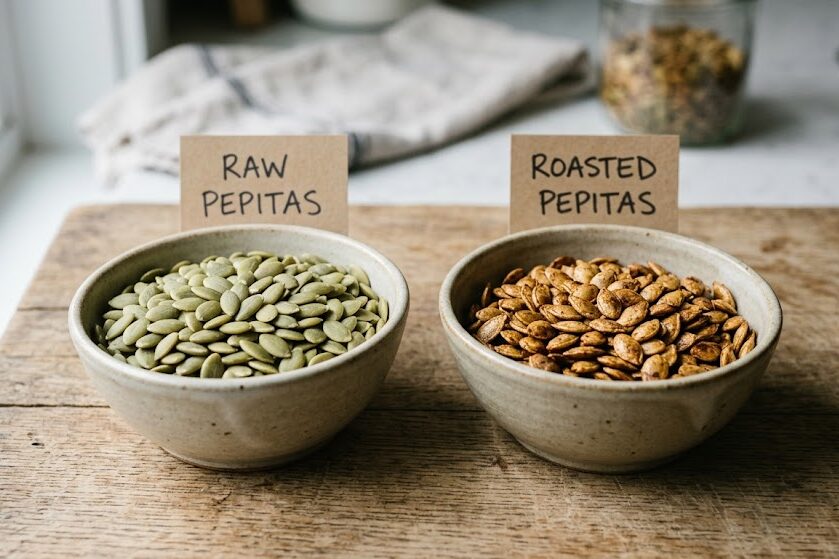
Raw and roasted pepitas can both be healthy, but unsalted lightly roasted versions are often the most practical choice. Raw seeds preserve natural nutrients, while roasting improves crunch and flavor.
Choose options with minimal added oils, sugar, or sodium.
healthy snack ideas for work
easy breakfast topping ideas
Are There Any Side Effects of Eating Too Many Pepitas?
Eating too many pepitas may cause excess calorie intake, digestive discomfort, or too much sodium if salted varieties are used. Most people tolerate moderate portions well.
First, seeds are energy-dense. Large handfuls eaten casually can add calories quickly.
Second, sudden high fiber intake may cause gas or bloating in sensitive people. For example, start with one tablespoon if your diet is currently low in fiber.
Third, flavored products may contain extra sodium. High sodium intake is linked with blood pressure concerns in many adults — Source: World Health Organization, 2024.
Who Should Be Careful?
- People with seed allergies
- People on medically restricted diets
- Anyone sensitive to high-fiber foods
- Those needing sodium control
Best Pepitas Products and Buying Tips
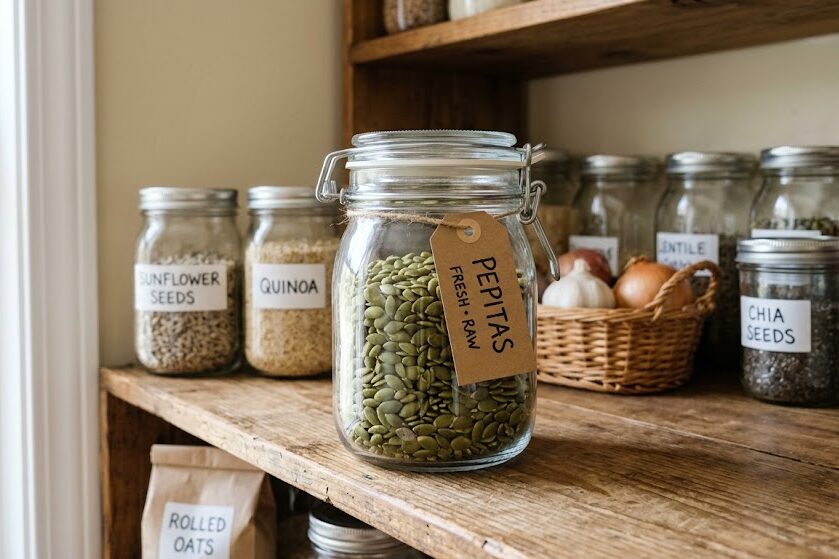
The best pepitas products are fresh, unsalted, minimally processed seeds stored properly. Quality matters because fats in seeds can go rancid over time.
What to Look For
- Bright green color
- Clean, nutty smell
- No excess oil residue
- Unsalted or lightly salted options
- Organic if preferred, not required
Storage Tips
- Keep sealed in a cool pantry
- Refrigerate after opening for longer freshness
- Freeze bulk bags for long storage
For example, buying large bags can save money, but only if you store them well.
What’s Next: How Do You Build a Healthy Seed Routine?
A healthy seed routine means rotating different seeds for broader nutrition and better variety. No single seed does everything.
First, combine pepitas with chia for omega-3 support. Second, add flax for fiber. Third, use sunflower seeds for vitamin E. This variety can improve nutrient coverage and keep meals interesting.
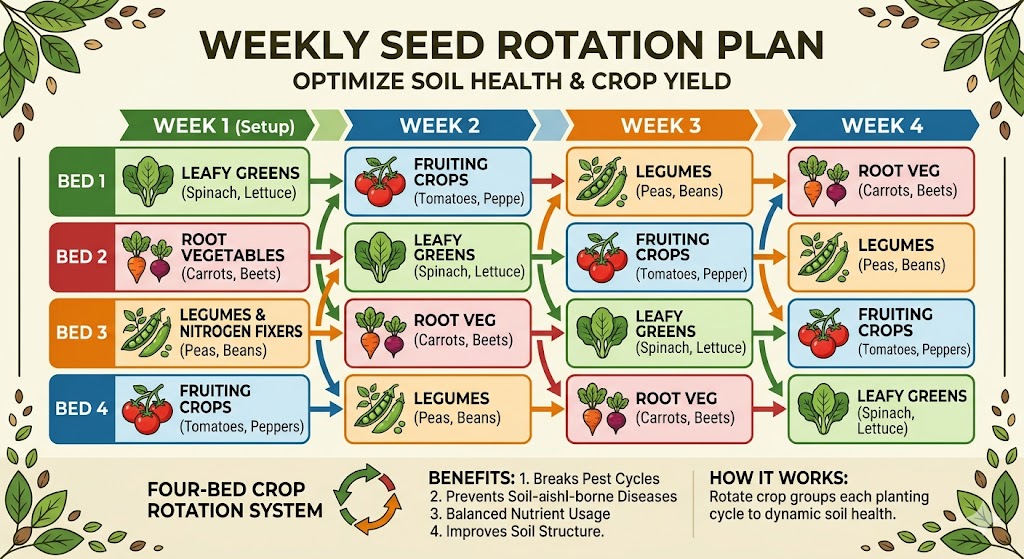
Simple Weekly Rotation
- Monday–Tuesday: Pepitas
- Wednesday: Chia
- Thursday: Flax
- Friday: Sunflower
- Weekend: Mixed seeds
Conclusion
Pepitas are small seeds with big nutritional value. They offer protein, magnesium, zinc, fiber, and healthy fats that can support heart health, sleep, energy, digestion, and weight goals when used consistently.
Moreover, you do not need a dramatic diet overhaul to benefit. Start with one spoonful a day in a meal you already enjoy. Small habits often create the biggest long-term results.
Written by Suraj 5+ Blogger — SEO health content writer focused on evidence-based wellness, nutrition education, and reader-first guides.
Reviewed by Editorial Nutrition Review Team — Health researchers and content editors specializing in nutrition accuracy and consumer wellness education.
Disclaimer: This article was initially drafted using AI assistance. However, the content has undergone thorough revisions, editing, and fact-checking by human editors and subject matter experts to ensure accuracy.